cabalgar
“cabalgar” means “to ride a horse” in Spanish. It has 2 different meanings depending on context:
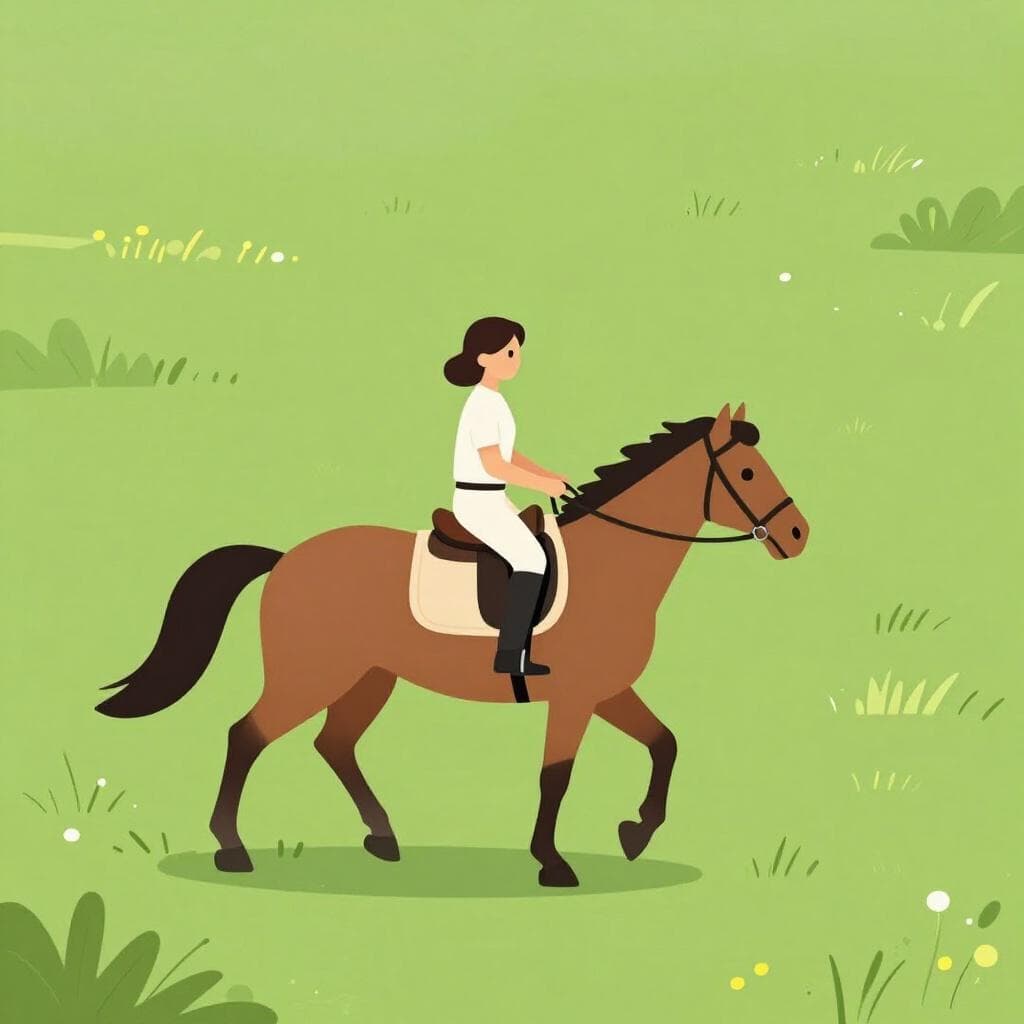
to ride a horse
Also: to gallop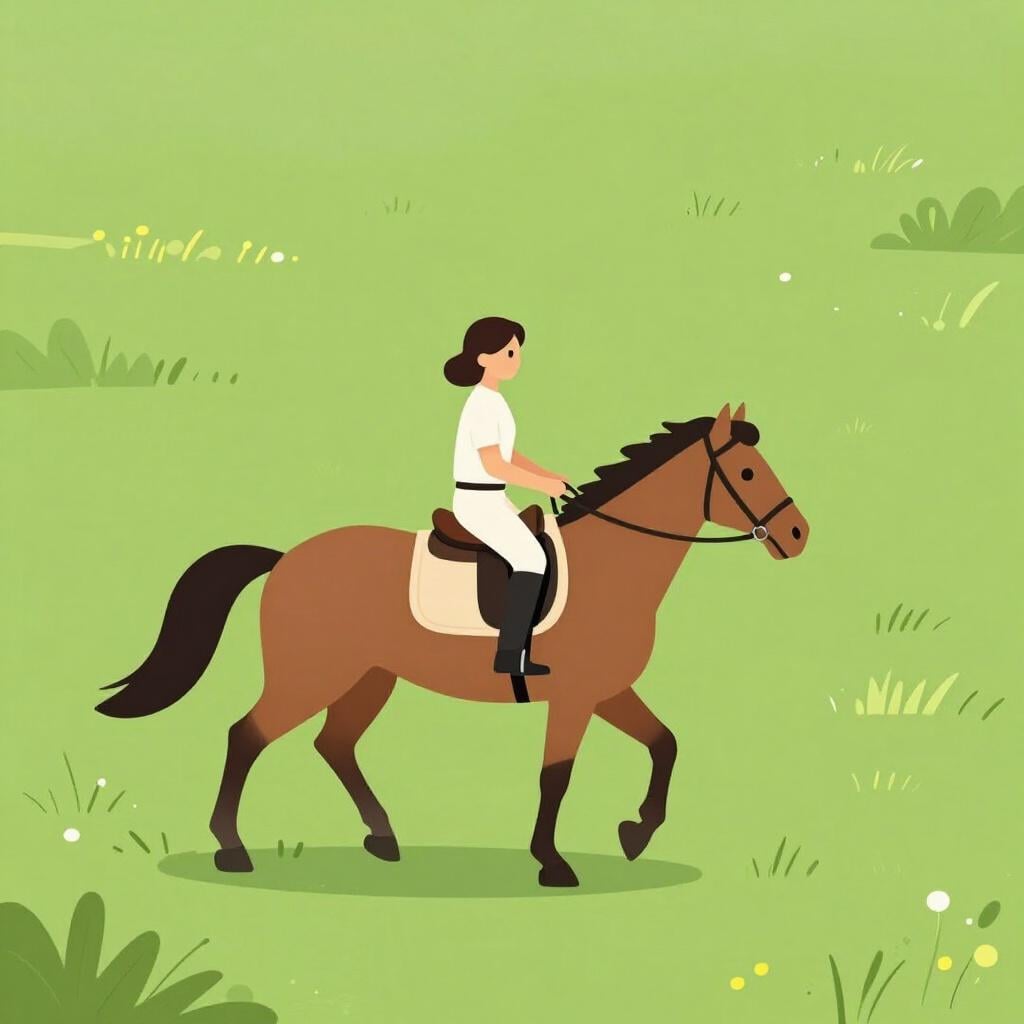
📝 In Action
El jinete empezó a cabalgar hacia el horizonte.
B1The rider began to ride toward the horizon.
Nos gusta cabalgar por el campo los domingos.
B1We like to ride through the countryside on Sundays.
Don Quijote solía cabalgar sobre su fiel Rocinante.
B2Don Quixote used to ride on his faithful Rocinante.
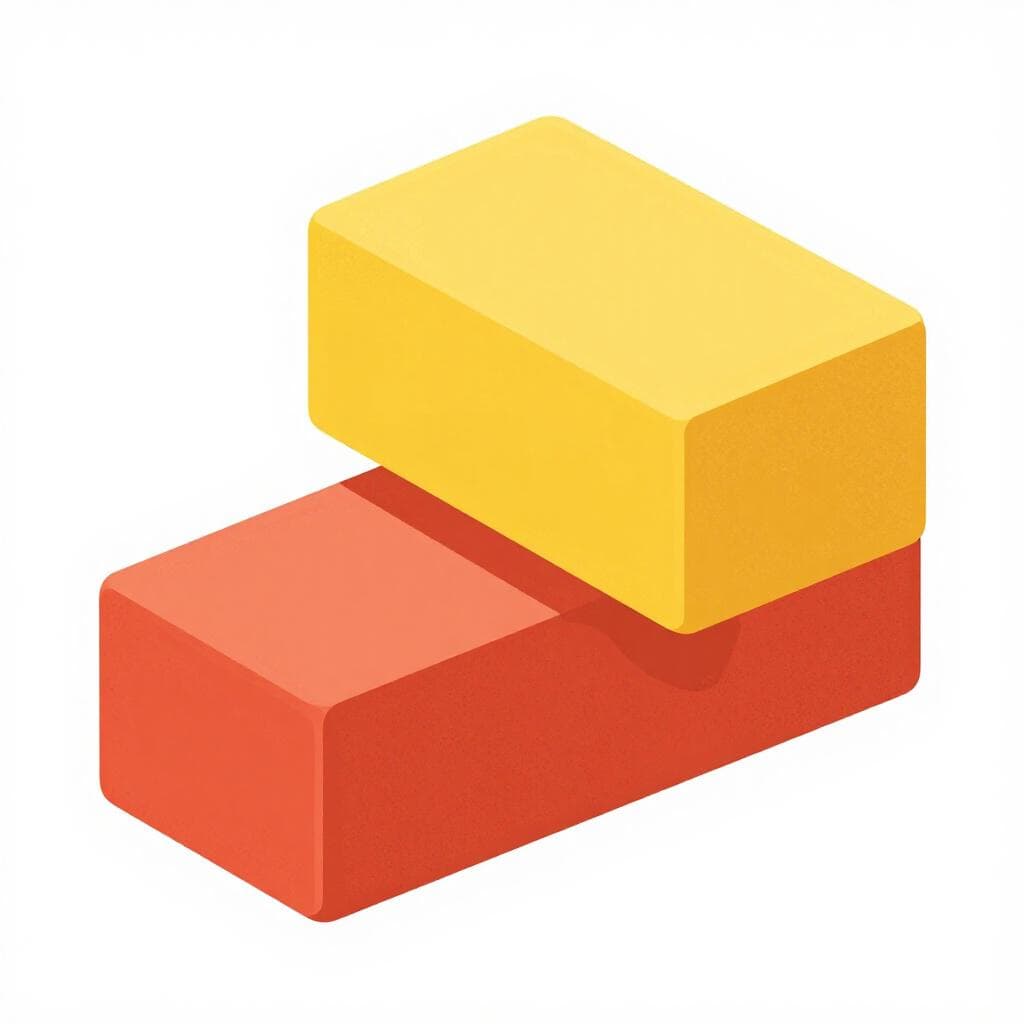
to overlap, to straddle
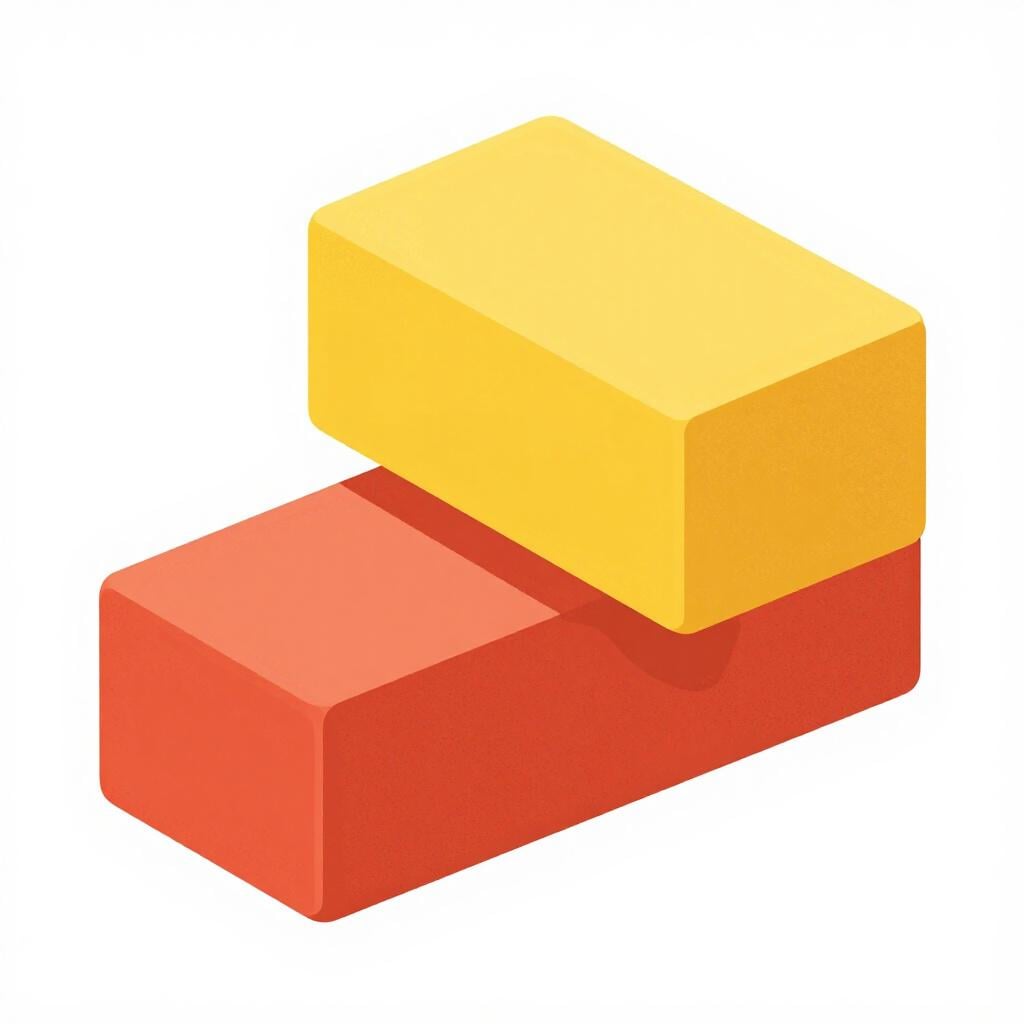
📝 In Action
Las nubes parecen cabalgar sobre las cumbres de las montañas.
C1The clouds seem to straddle the mountain peaks.
En este diseño, un color debe cabalgar sobre el otro.
C1In this design, one color must overlap the other.
Subjunctive
Imperfect Subjunctive
Present Subjunctive
Indicative
Preterite
Imperfect
Present
Translate to Spanish
✏️ Quick Practice
Quick Quiz: cabalgar
Question 1 of 3
How do you say 'I rode' (yesterday) in Spanish using the word 'cabalgar'?
📚 More Resources
👥 Word Family▼
📚 Etymology▼
From the Late Latin word 'caballicāre', which comes from 'caballus', meaning horse.
First recorded: 12th century
Cognates (Related words)
💡 Master Spanish
Take your Spanish to the next level. Read 200+ illustrated and narrated Spanish stories tailored to your level with the Inklingo app!
Frequently Asked Questions
Is 'cabalgar' irregular?
It is mostly regular, but it has a spelling change. In forms where the 'g' is followed by an 'e' (like the past 'yo' form), you must add a 'u' to keep the 'g' sounding hard.
Can I use 'cabalgar' for a bicycle?
No, 'cabalgar' is strictly for horses or things that resemble the posture of riding a horse. For a bicycle, use 'montar en bicicleta' or 'pedalear'.
What is the difference between 'cabalgata' and 'cabalgar'?
'Cabalgar' is the action (to ride), while 'cabalgata' is the noun for a group of people riding together, often in a parade or procession.