sentó
“sentó” means “sat (someone) down” in Spanish (placing someone in a seat).
sat (someone) down
Also: suited / agreed with, set / established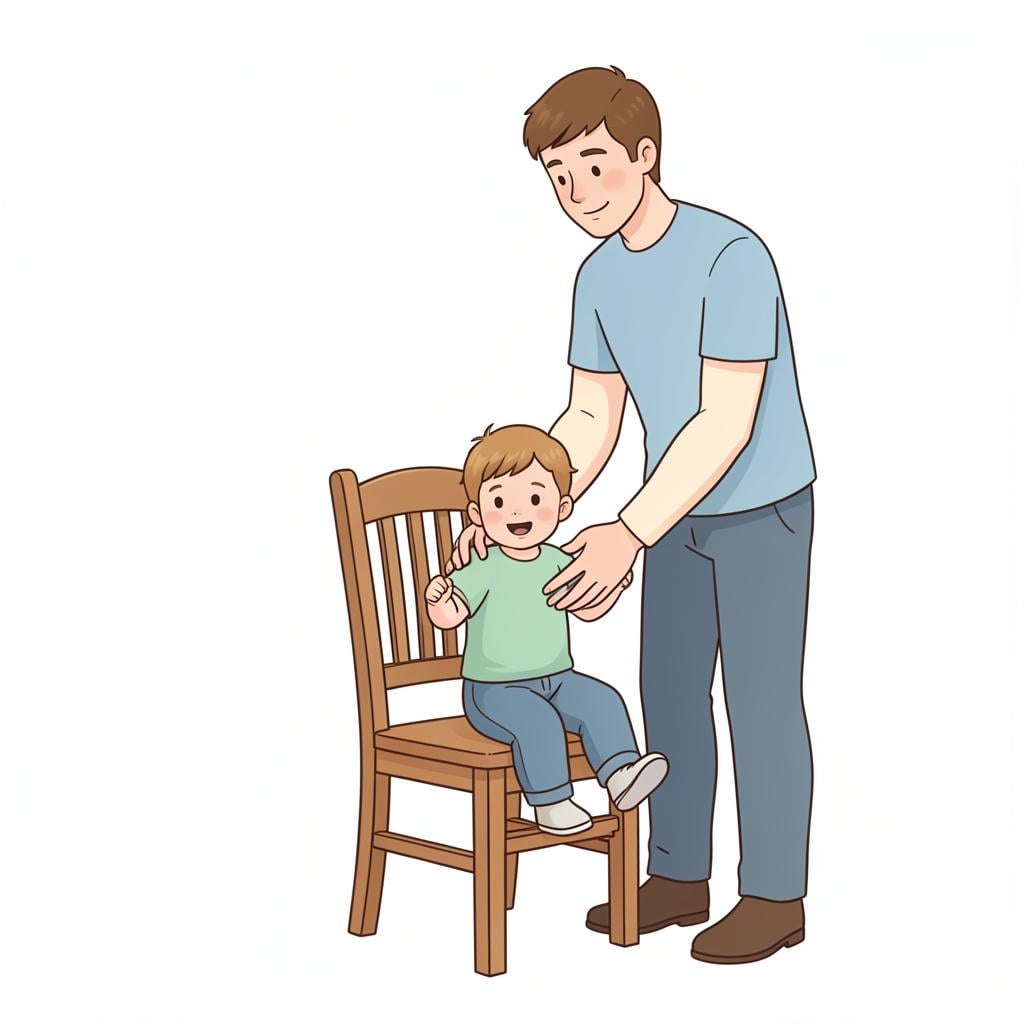
📝 In Action
El padre sentó al niño en la silla alta.
A2The father sat the child in the high chair.
La cena no le sentó muy bien.
B1The dinner didn't sit/agree with him very well.
Esa decisión sentó un precedente importante.
B2That decision set an important precedent.
🔄 Conjugations
subjunctive
imperfect
present
indicative
preterite
imperfect
present
✏️ Quick Practice
Quick Quiz: sentó
Question 1 of 2
How would you say 'He sat the baby down' in Spanish?
📚 More Resources
📚 Etymology▼
From the Latin word 'sedentare', which comes from 'sedere', meaning 'to sit'.
First recorded: 13th century
Cognates (Related words)
💡 Master Spanish
Take your Spanish to the next level. Read 200+ illustrated and narrated Spanish stories tailored to your level with the Inklingo app!
Frequently Asked Questions
What is the difference between 'sentó' and 'se sentó'?
'Sentó' means he/she sat *someone else* down. 'Se sentó' means he/she sat *themselves* down.
Does 'sentó' always need an accent?
Yes, when used as the past tense for he/she/usted, the accent on the 'o' is mandatory to distinguish it from other forms and to maintain the correct pronunciation.