Inklingo
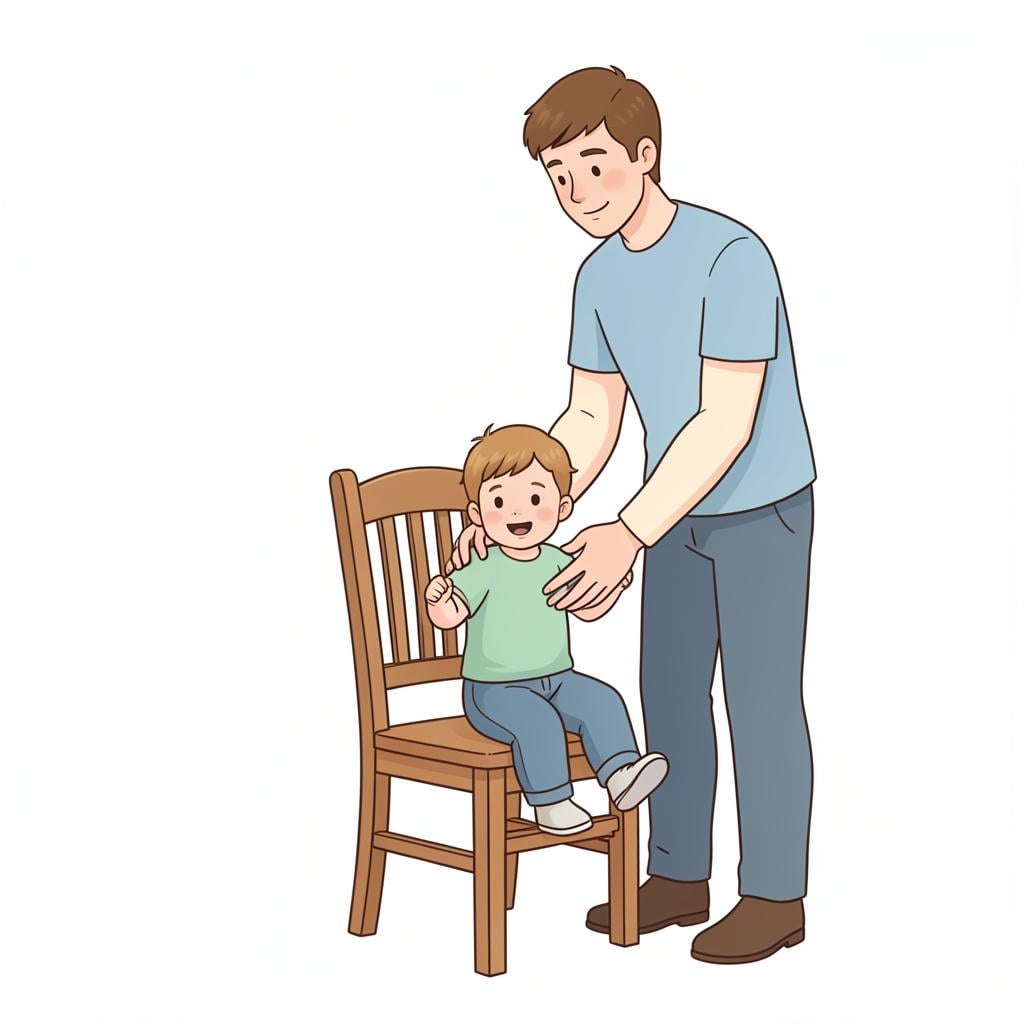
A father gently helping his young child sit down on a small wooden chair.

sentó

sen-TOH

verbA2irregular (stem-changing in other forms, though not in this specific past form) ar
sat (someone) down?placing someone in a seat
Also:suited / agreed with?referring to how food or a situation felt to someone,set / established?creating a precedent or a basis for something

Quick Reference

gerundsentando
past Participlesentado
infinitivesentar

📝 In Action

El padre sentó al niño en la silla alta.

A2

The father sat the child in the high chair.

La cena no le sentó muy bien.

B1

The dinner didn't sit/agree with him very well.

Esa decisión sentó un precedente importante.

B2

That decision set an important precedent.

Word Connections

Synonyms

  • acomodó (accommodated / seated)
  • estableció (established)

Antonyms

Common Collocations

  • sentó cabezasettled down (to become responsible)
  • le sentó de maravillait suited him/her perfectly

Idioms & Expressions

  • sentar cátedrato speak as an authority / to lay down the law

💡 Grammar Points

The Role of 'Sentó'

This word describes a completed action in the past performed by one person (he, she, or you-formal). It means 'sat someone else down' unless you add 'se' (se sentó) to mean 'he sat himself down'.

Agreeing with Food

Spanish uses this verb to describe how food affects you. Instead of saying the food was bad, you say the food 'sat' (sentó) badly on you.

❌ Common Pitfalls

Sentó vs. Siento

Mistake: "Using 'siento' to mean 'he sat'."

Correction: Use 'sentó' for the past (he sat) and 'siento' for the present (I sit or I feel). The accent on the 'ó' is key for the past tense!

⭐ Usage Tips

The Accent Matters

Without the accent, 'sento' isn't a word in Spanish. Always include the accent on the 'ó' to show you are talking about the past.

🔄 Conjugations

subjunctive

imperfect

ellos/ellas/ustedessentaran
yosentara
sentaras
vosotrossentarais
nosotrossentáramos
él/ella/ustedsentara

present

ellos/ellas/ustedessienten
yosiente
sientes
vosotrossentéis
nosotrossentemos
él/ella/ustedsiente

indicative

preterite

ellos/ellas/ustedessentaron
yosenté
sentaste
vosotrossentasteis
nosotrossentamos
él/ella/ustedsentó

imperfect

ellos/ellas/ustedessentaban
yosentaba
sentabas
vosotrossentabais
nosotrossentábamos
él/ella/ustedsentaba

present

ellos/ellas/ustedessientan
yosiento
sientas
vosotrossentáis
nosotrossentamos
él/ella/ustedsienta

✏️ Quick Practice

💡 Quick Quiz: sentó

Question 1 of 2

How would you say 'He sat the baby down' in Spanish?

📚 More Resources

Frequently Asked Questions

What is the difference between 'sentó' and 'se sentó'?

'Sentó' means he/she sat *someone else* down. 'Se sentó' means he/she sat *themselves* down.

Does 'sentó' always need an accent?

Yes, when used as the past tense for he/she/usted, the accent on the 'o' is mandatory to distinguish it from other forms and to maintain the correct pronunciation.