sexto
“sexto” means “sixth” in Spanish. It has 2 different meanings depending on context:
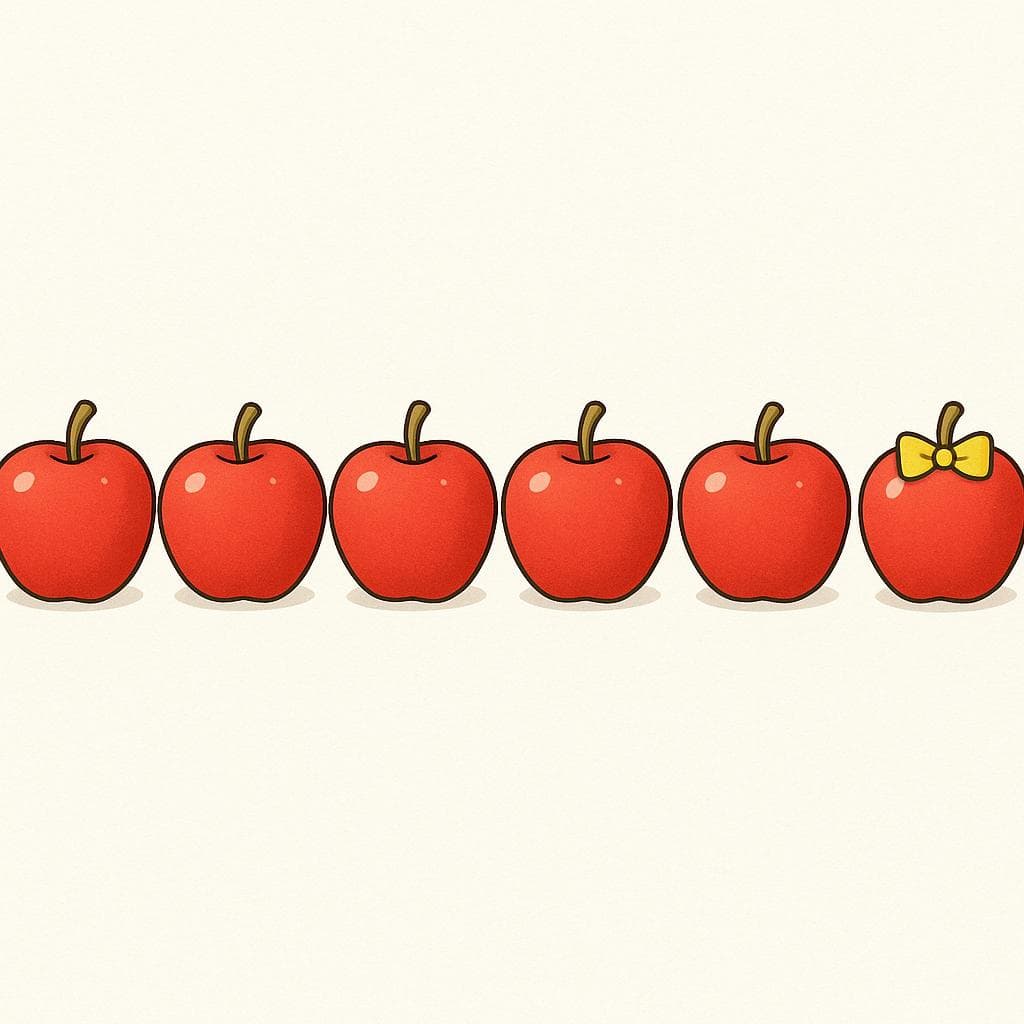

sixth
Also: 6th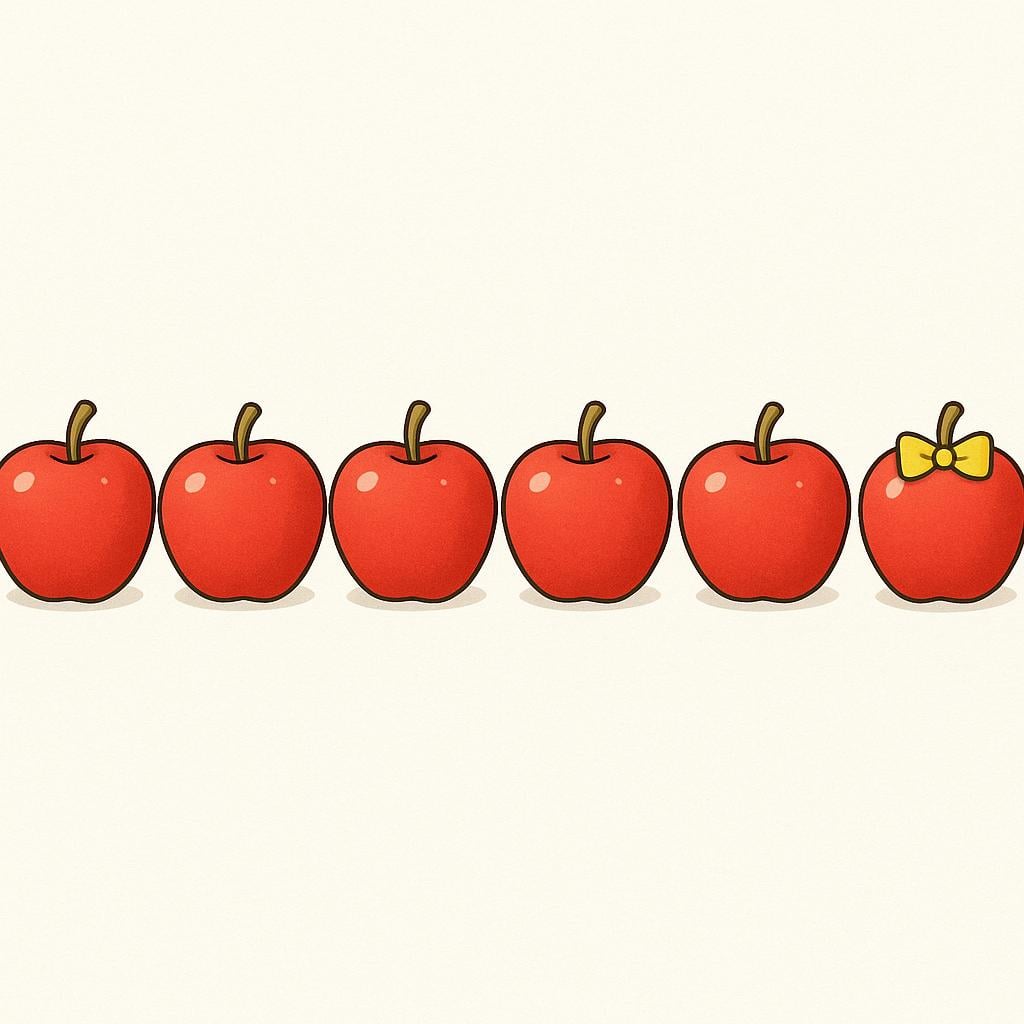
📝 In Action
Esta es la sexta vez que visitamos este museo.
A1This is the sixth time we have visited this museum.
El sexto capítulo del libro es el más emocionante.
A2The sixth chapter of the book is the most exciting.
Ella llegó en sexto lugar en la carrera.
A1She arrived in sixth place in the race.
the sixth (one)
Also: sixth grade/year, sixth floor
📝 In Action
¿Vives en el quinto o en el sexto?
B1Do you live on the fifth or the sixth (floor)?
Mi hijo está en sexto de primaria.
B1My son is in the sixth grade of primary school.
Ya leí hasta el sexto de la serie de libros.
B2I've already read up to the sixth one in the book series.
Translate to Spanish
✏️ Quick Practice
Quick Quiz: sexto
Question 1 of 2
Which sentence correctly uses 'sexto' as an ordinal number?
📚 More Resources
👥 Word Family▼
📚 Etymology▼
Comes directly from the Latin word *sextus*, which meant 'sixth'. This word has remained essentially unchanged in form and meaning since its Latin roots.
First recorded: Medieval Spanish (around 13th century)
Cognates (Related words)
💡 Master Spanish
Take your Spanish to the next level. Read 200+ illustrated and narrated Spanish stories tailored to your level with the Inklingo app!
Frequently Asked Questions
What is the difference between 'sexto' and 'seis'?
'Seis' is the cardinal number (the quantity, like 6). 'Sexto' is the ordinal number (the position in a sequence, like 6th). Use 'sexto' to talk about order (the sixth day) and 'seis' to talk about count (six days).
Does 'sexto' ever shorten before a noun?
No, unlike 'primero' (which shortens to 'primer') or 'tercero' (which shortens to 'tercer'), 'sexto' always keeps its full form, even before a masculine singular noun (e.g., 'el sexto día').