subterráneo
“subterráneo” means “underground” in Spanish. It has 2 different meanings depending on context:
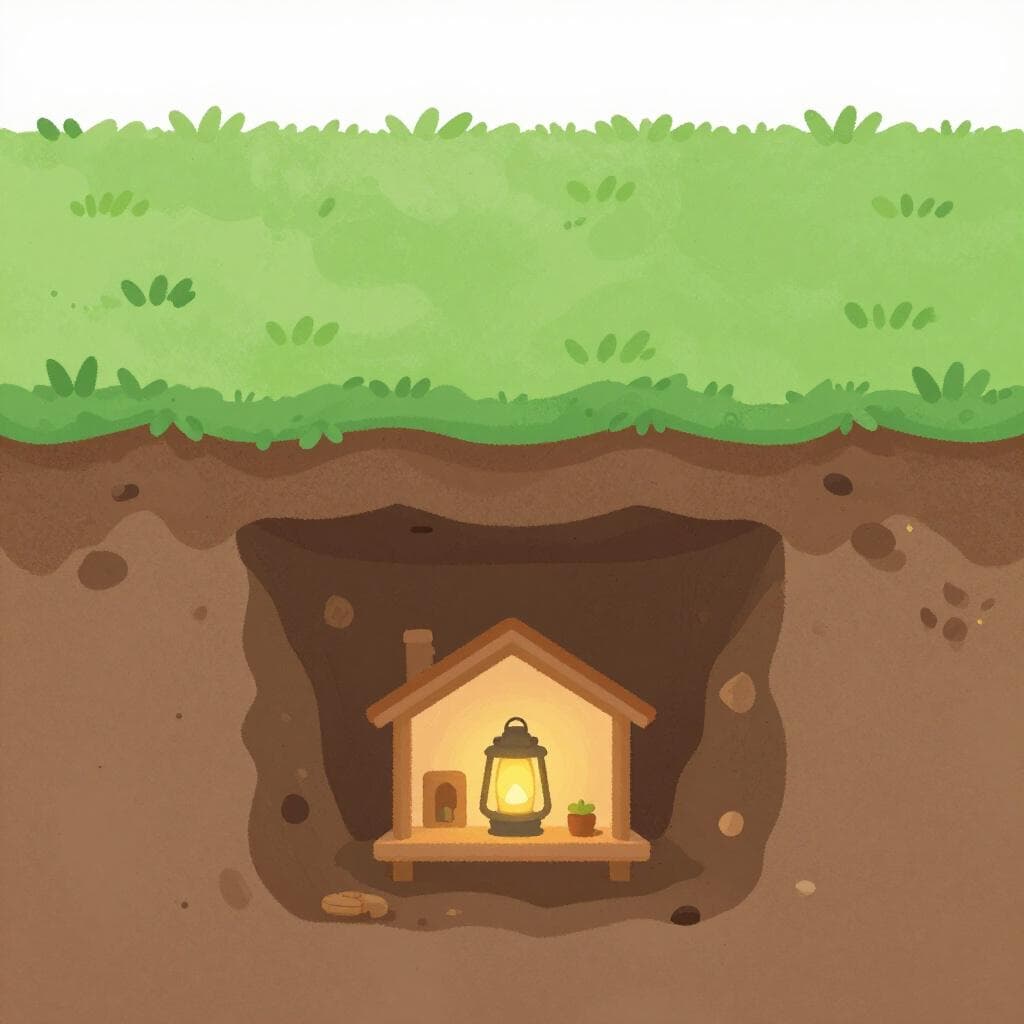

underground
Also: subterranean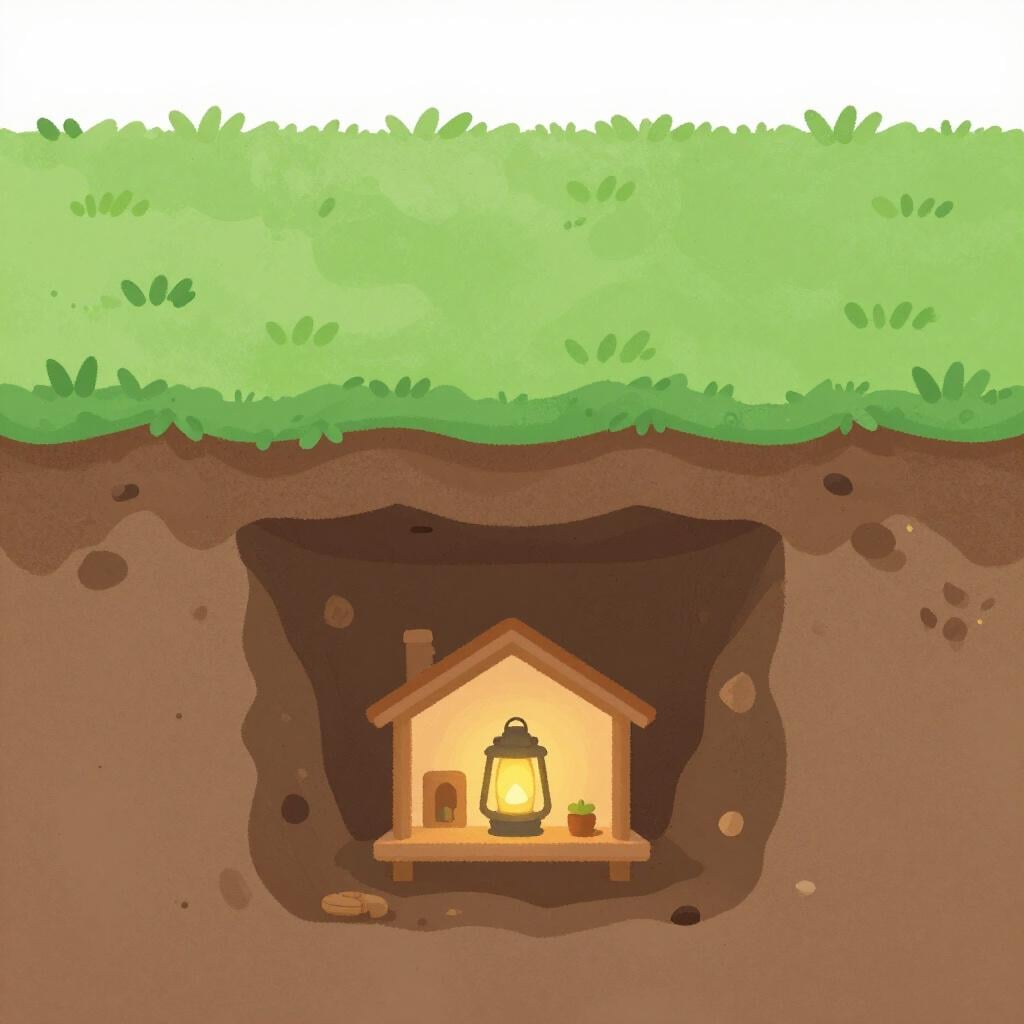
📝 In Action
Hay un pasadizo subterráneo que conecta los dos edificios.
A2There is an underground passage that connects the two buildings.
Las hormigas viven en túneles subterráneos.
B1Ants live in underground tunnels.
subway
Also: metro
📝 In Action
Voy al trabajo en el subterráneo todos los días.
B1I go to work on the subway every day.
Translate to Spanish
Words that translate to "subterráneo" in Spanish:
subterranean→✏️ Quick Practice
Quick Quiz: subterráneo
Question 1 of 2
If you are in Buenos Aires and want to take the subway, what would you most likely ask for?
📚 More Resources
👥 Word Family▼
🎵 Rhymes▼
📚 Etymology▼
From the Latin 'sub' (meaning 'under') and 'terra' (meaning 'earth' or 'ground').
First recorded: 15th century
Cognates (Related words)
💡 Master Spanish
Take your Spanish to the next level. Read 200+ illustrated and narrated Spanish stories tailored to your level with the Inklingo app!
Frequently Asked Questions
Is 'subterráneo' the same as 'metro'?
Yes, they refer to the same thing (an underground train), but 'subterráneo' is the formal name used mostly in Argentina and Chile, while 'metro' is more common in Spain, Mexico, and Colombia.
Can I use 'subterráneo' to mean a 'secret' group?
Yes! Just like in English, you can use it figuratively to describe things that are hidden or 'underground' in a social or political sense.