tiré
“tiré” means “I threw” in Spanish. It has 4 different meanings depending on context:
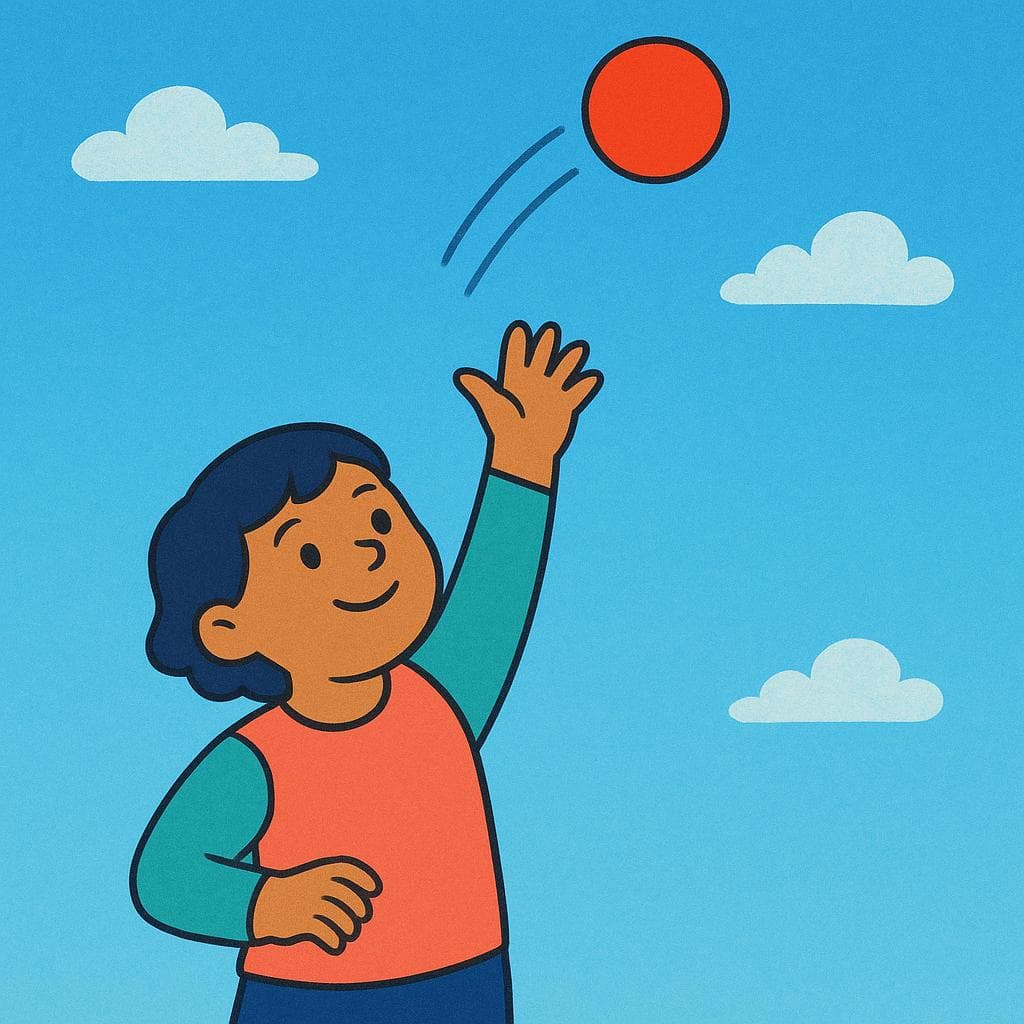
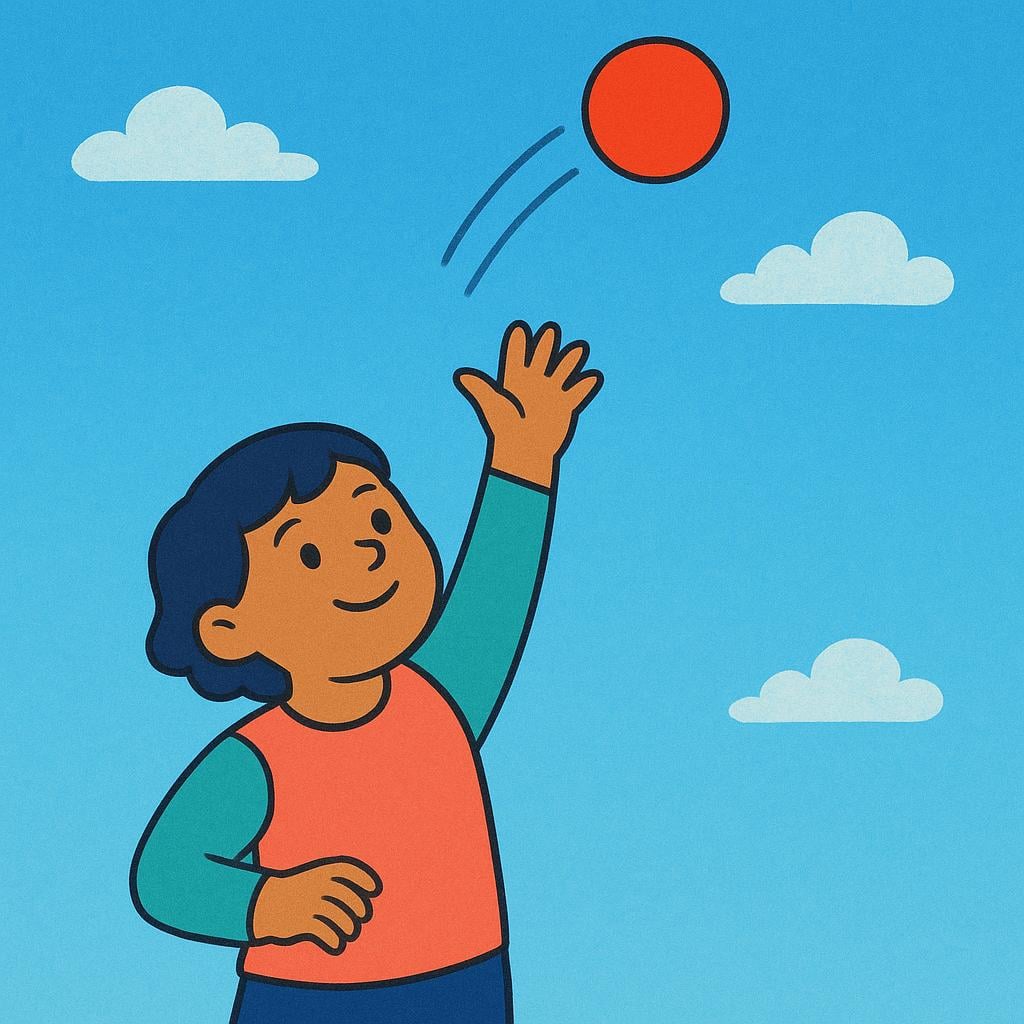
I threwAlso: I tossed, I cast
📝 In Action
Tiré la basura antes de salir de casa.
A1I threw out the trash before leaving the house.
Cuando me vio, tiré la carta al fuego.
A2When he saw me, I threw the letter into the fire.
Word Connections
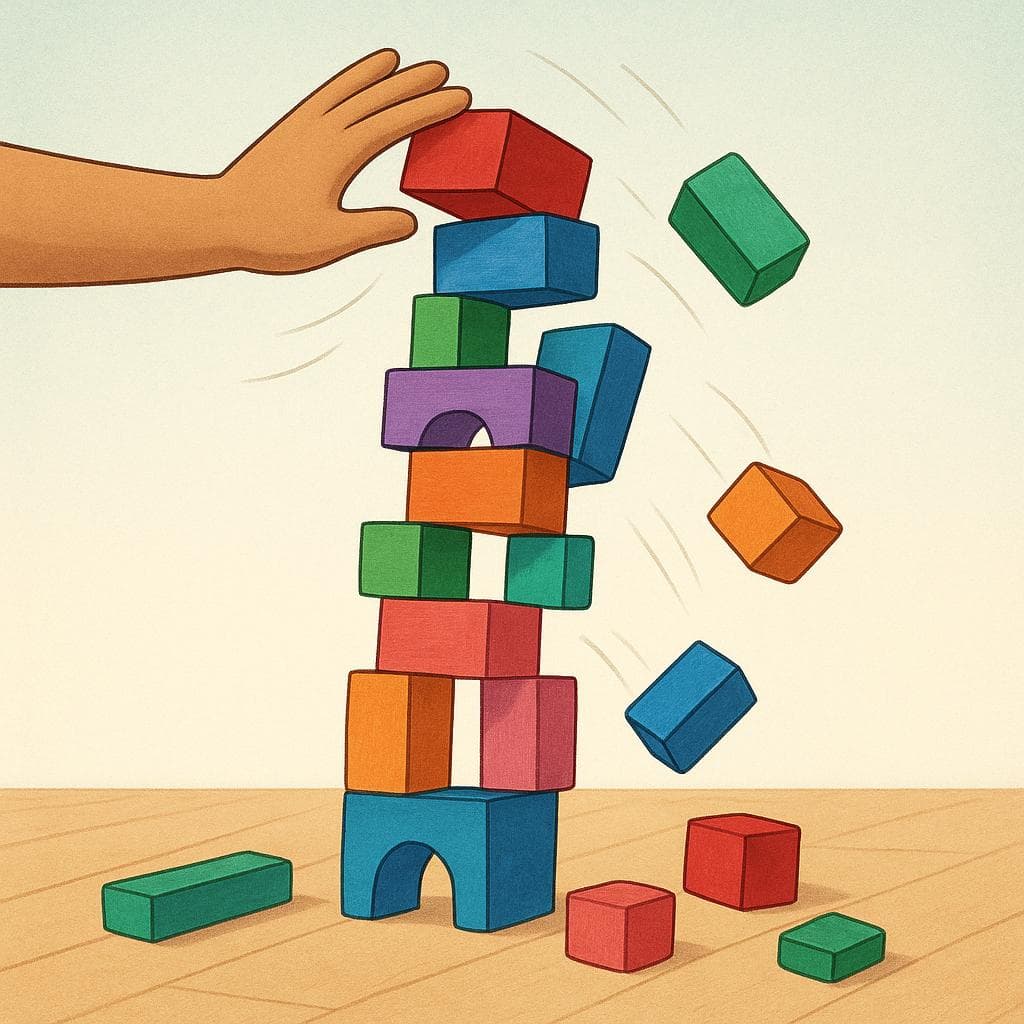
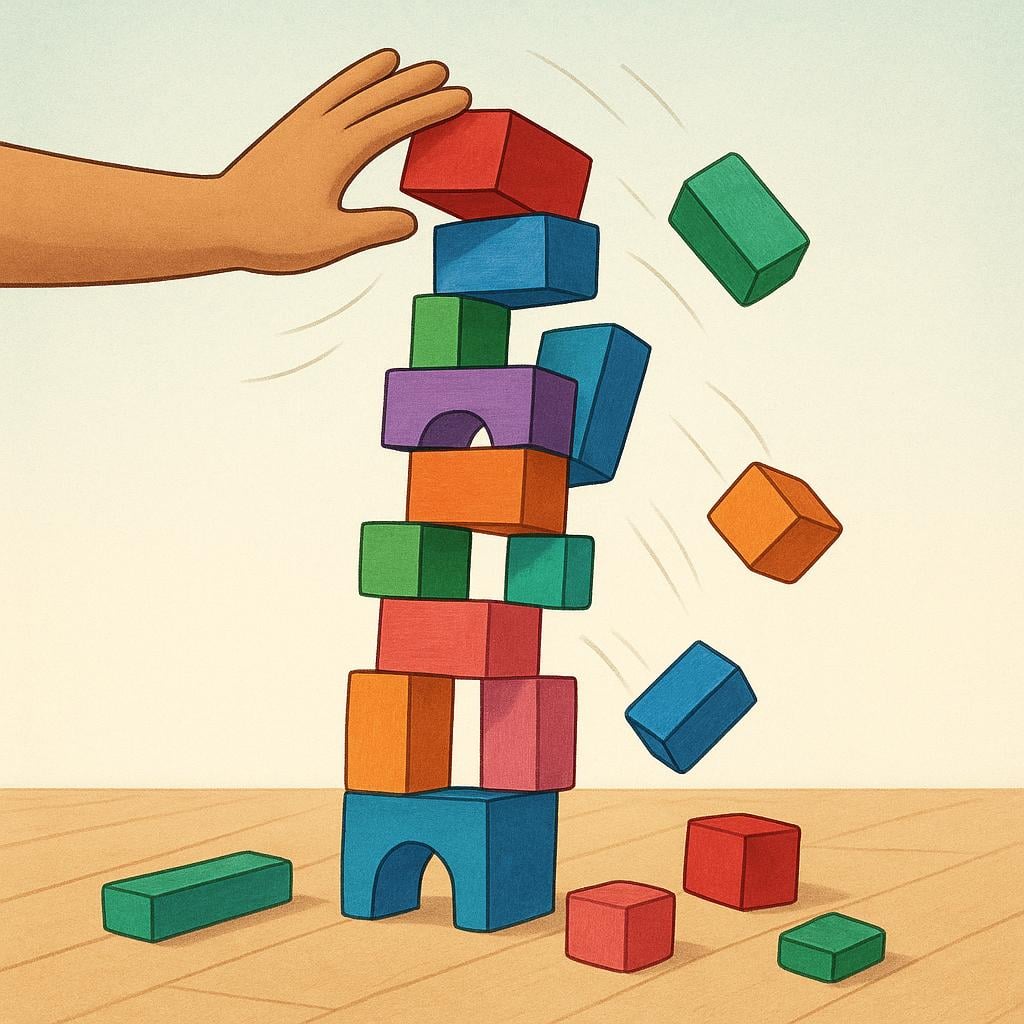
I knocked downAlso: I pushed over, I demolished
📝 In Action
Accidentalmente, tiré la torre de bloques de mi sobrino.
B1I accidentally knocked down my nephew's block tower.
Tiré la pared vieja para abrir espacio.
B2I knocked down the old wall to open up space.
Word Connections
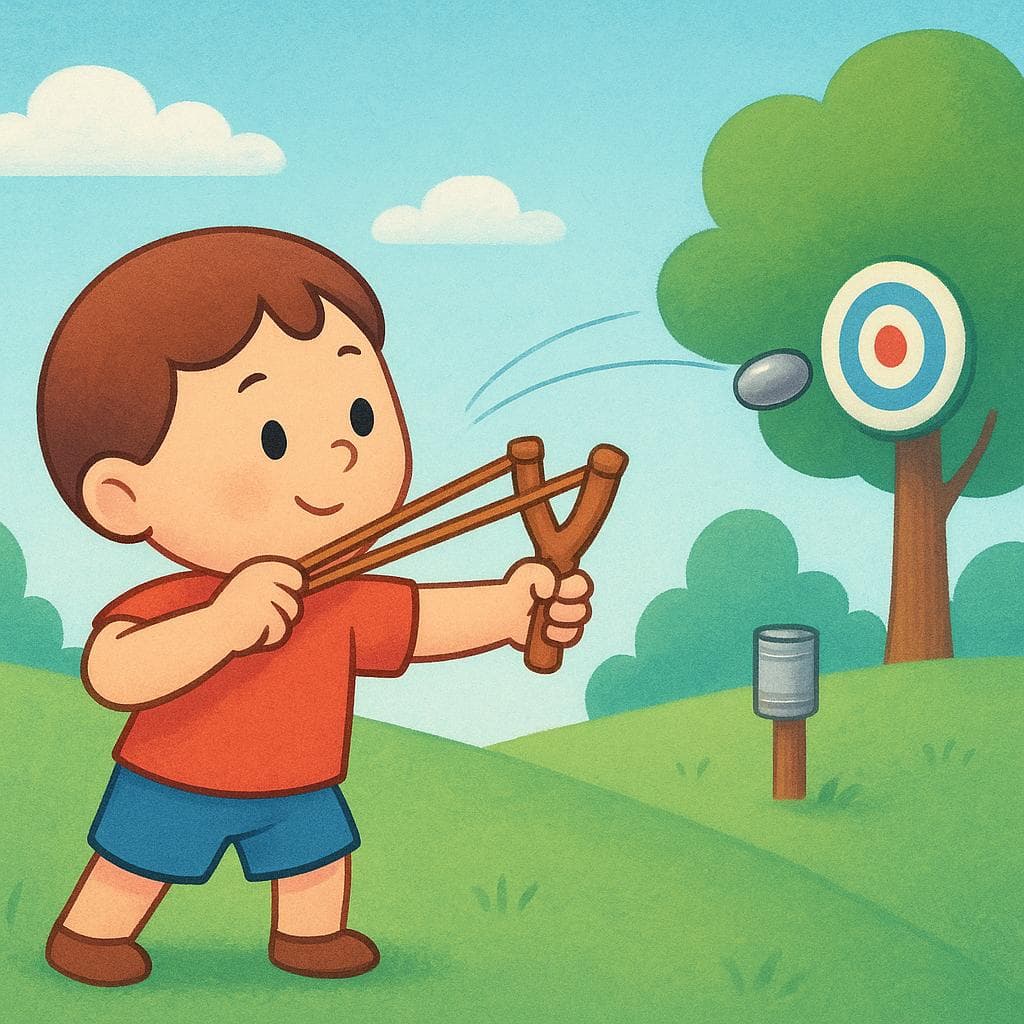
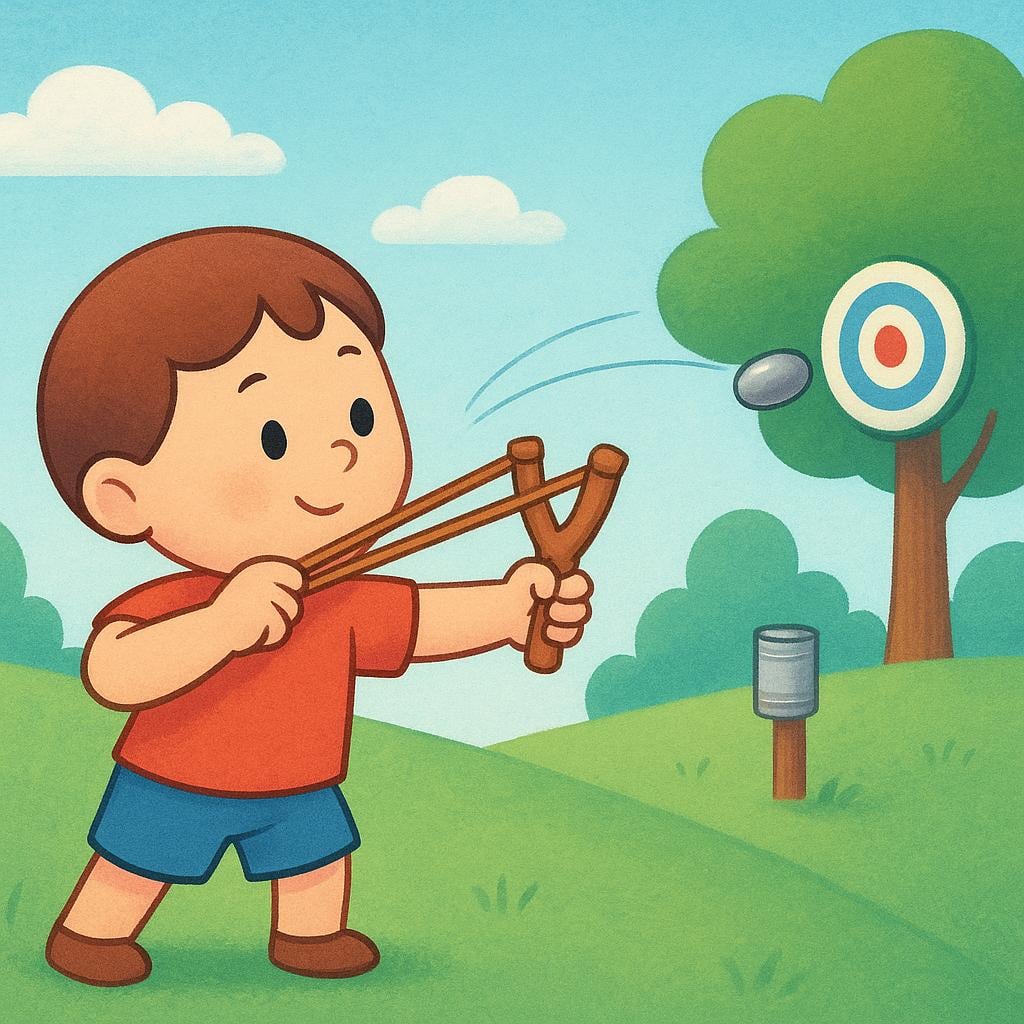
I shotAlso: I fired, I took (a picture)
📝 In Action
Tiré al pato, pero no lo acerté.
B1I shot at the duck, but I didn't hit it.
Tiré una foto de la puesta de sol con mi móvil.
B2I took a picture of the sunset with my phone. (Common in some areas)
Word Connections
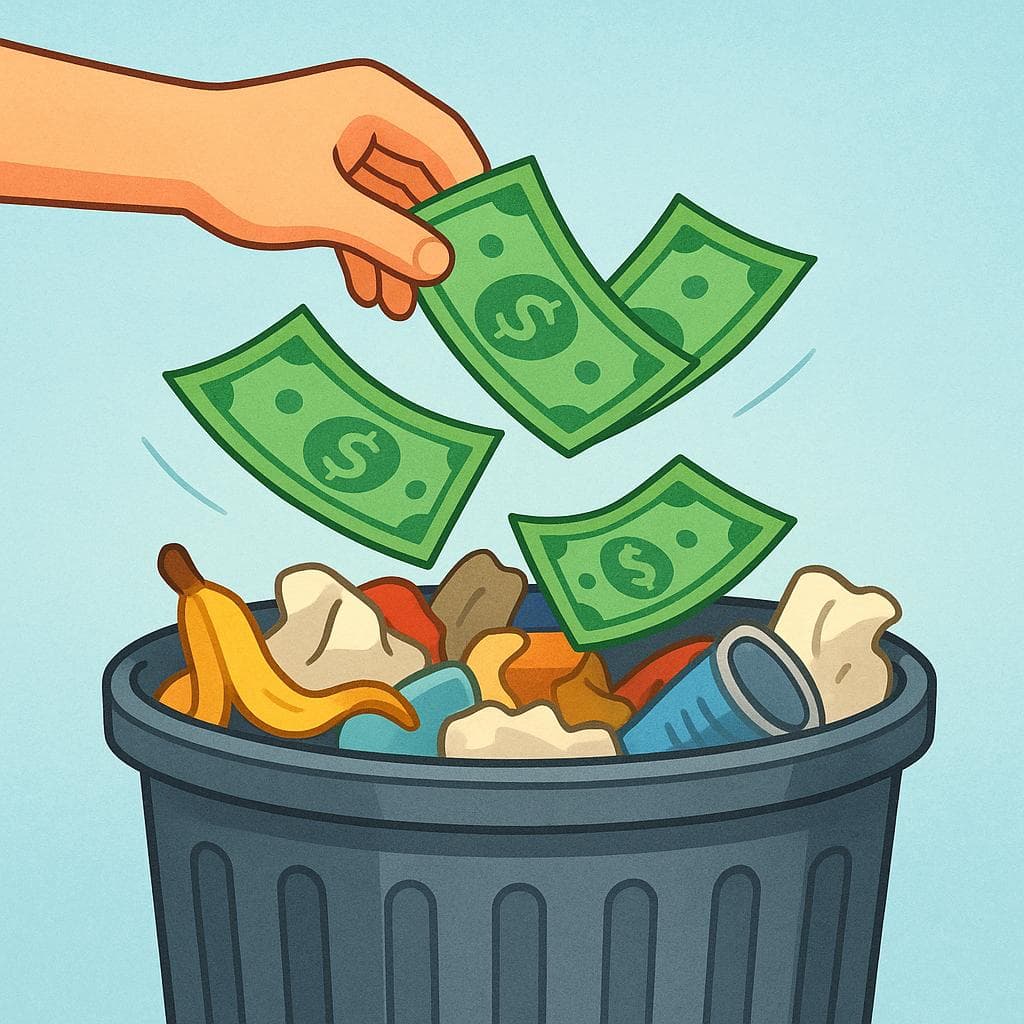
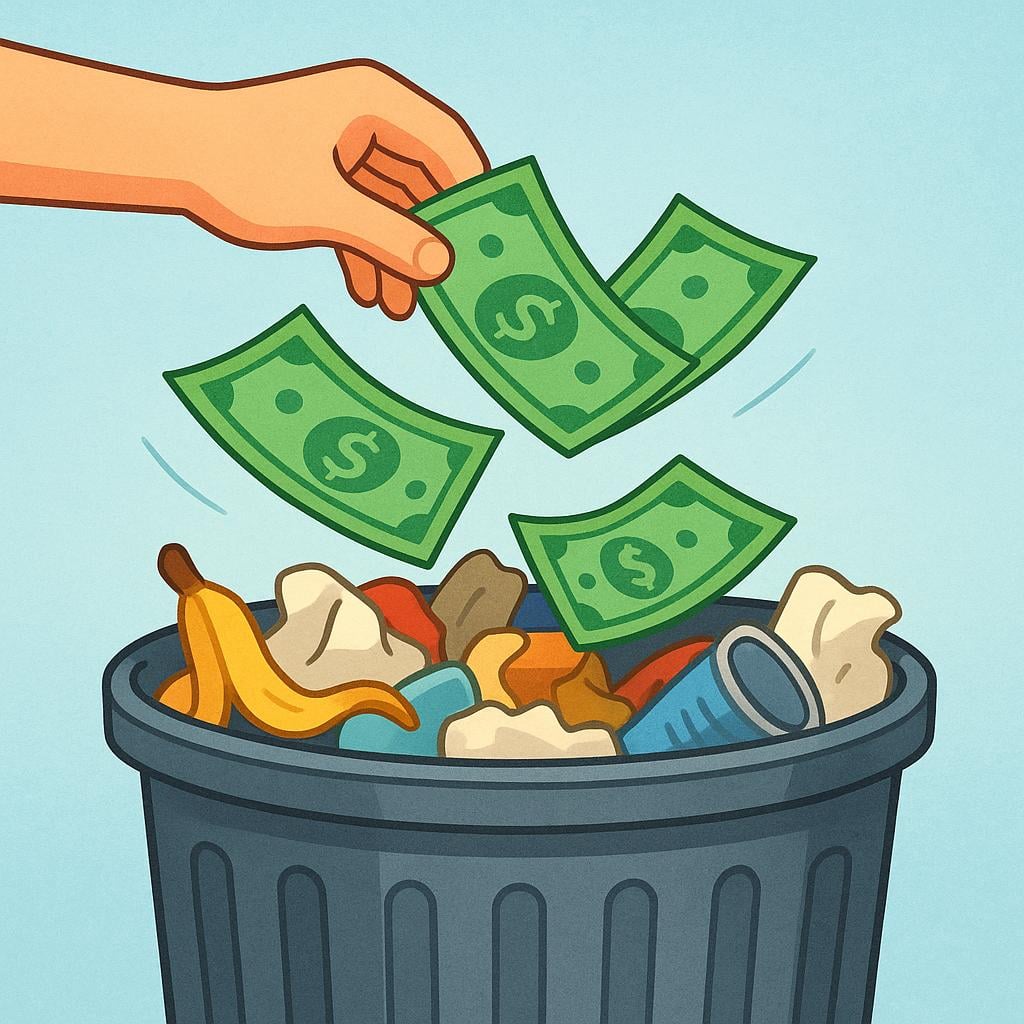
I wastedAlso: I squandered, I blew
📝 In Action
Tiré todo mi sueldo en ropa que no necesito.
B2I blew my entire salary on clothes I don't need.
Si tiré mi oportunidad, fue mi culpa.
C1If I wasted my opportunity, it was my fault.

Indicative
Preterite
Present
Imperfect
Subjunctive
Present Subjunctive
Imperfect Subjunctive
Translate to Spanish
Words that translate to "tiré" in Spanish:
✏️ Quick Practice
Quick Quiz: tiré
Question 1 of 2
Which English sentence correctly uses the figurative meaning of 'tiré' (wasted)?
📚 More Resources
👥 Word Family
📚 Etymology
From the medieval Spanish verb 'tirar,' which originally meant 'to pull or draw out.' Over time, its meaning shifted to include 'to throw' (like drawing back a bow to shoot, or drawing something out and casting it away).
First recorded: 11th century
Cognates (Related words)
💡 Master Spanish
Take your Spanish to the next level. Read 200+ illustrated and narrated Spanish stories tailored to your level with the Inklingo app!
Frequently Asked Questions
How is 'tiré' (I threw) different from 'eche' (I threw)?
'Tiré' (from 'tirar') is generally used for throwing objects away, throwing a ball, or knocking something over. 'Eché' (from 'echar') is often used for throwing out liquid, throwing in a key ingredient, or starting something (like a movie or a race). They are often interchangeable when referring to trash, but 'tirar' is more common.
Does 'tirar' ever mean 'to pull'?
Yes, confusingly! In some parts of Latin America, 'tirar' still holds its original meaning of 'to pull' or 'to drag.' However, in Spain and many other regions, 'jalar' or 'halar' is used for 'pull,' and 'tirar' is reserved for 'to throw.'