tomada
“tomada” means “taken” in Spanish. It has 3 different meanings depending on context:
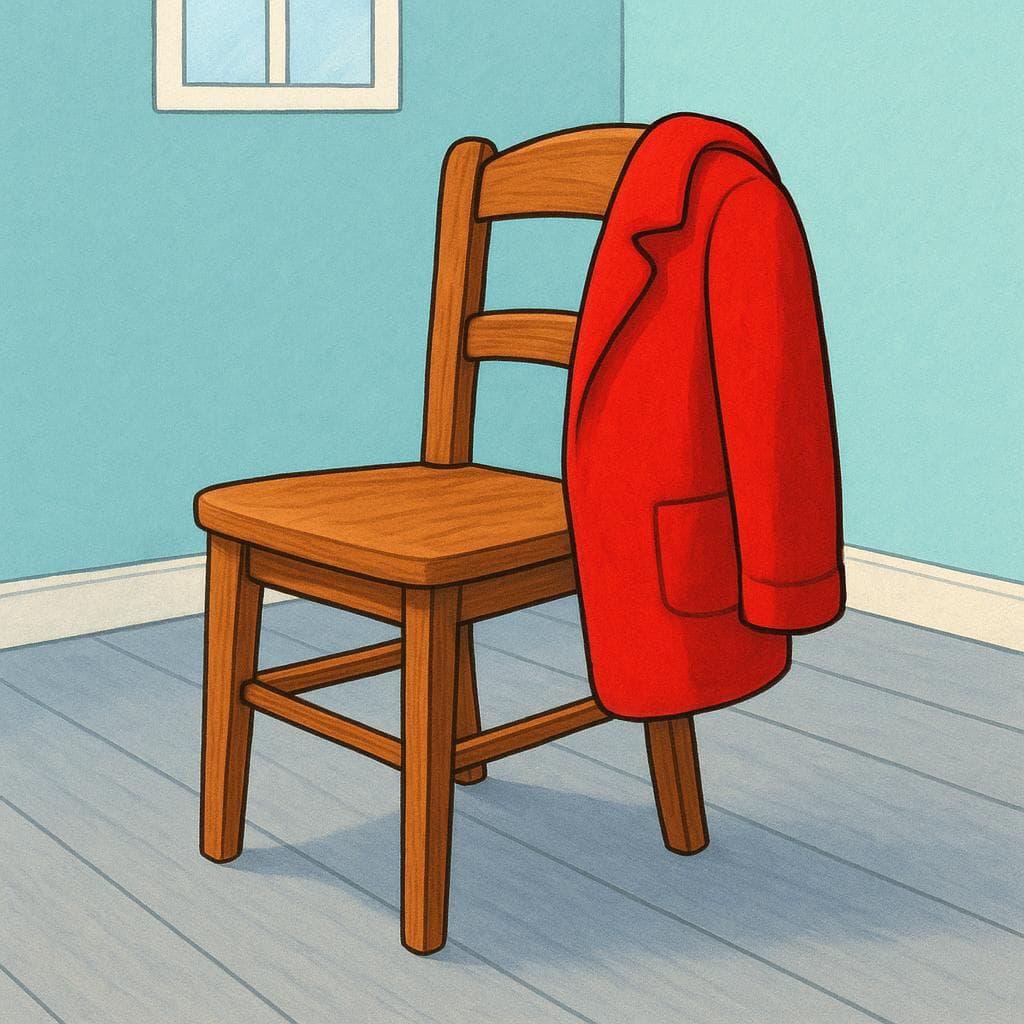


taken, occupied
Also: seized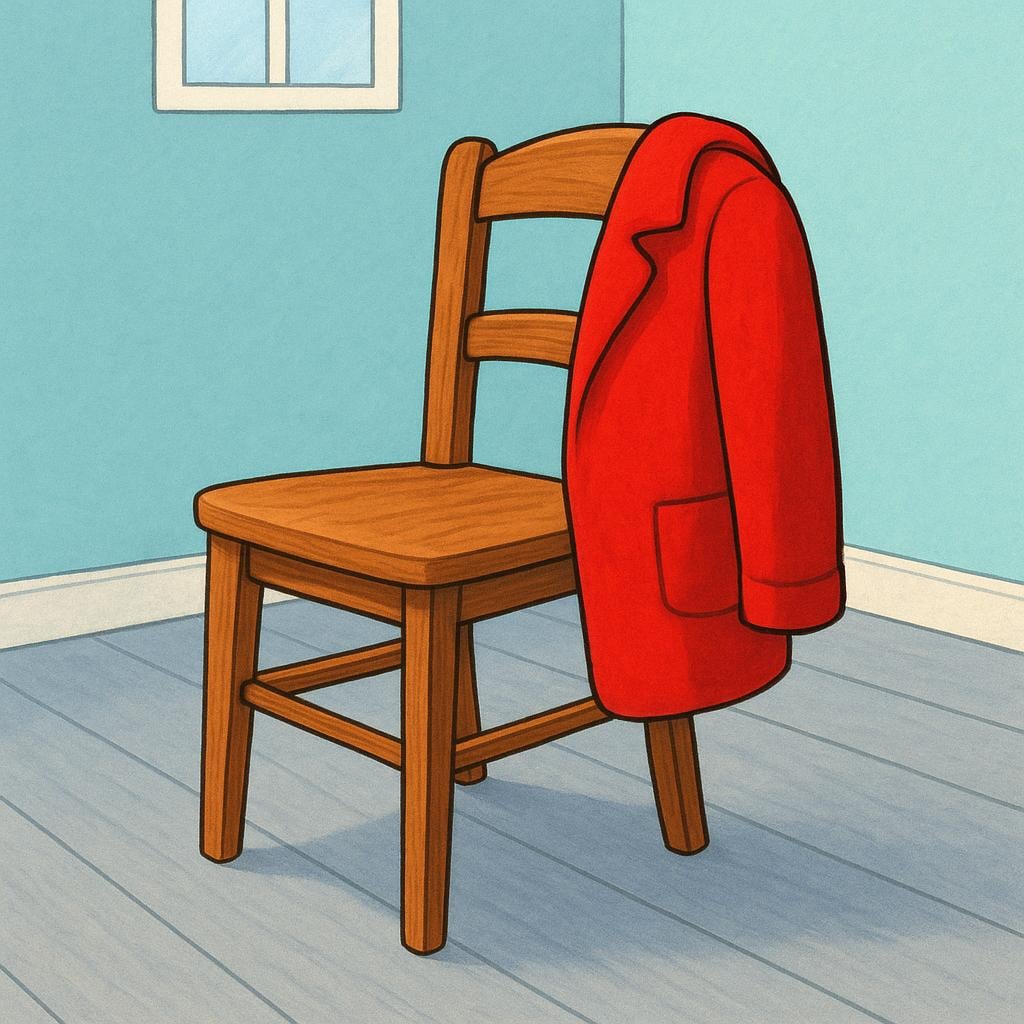
📝 In Action
Lo siento, esta silla ya está tomada.
A1I'm sorry, this seat is already taken.
La ciudad fue tomada por el ejército.
B1The city was taken by the army.
hoarse, husky

📝 In Action
No puedo cantar hoy, tengo la voz tomada.
B1I can't sing today, my voice is hoarse.
tipsy
Also: drunk
📝 In Action
Ella está un poco tomada después de la fiesta.
B2She is a bit tipsy after the party.
✏️ Quick Practice
Quick Quiz: tomada
Question 1 of 2
If you go to a cinema and a jacket is on a seat, the seat is...
📚 More Resources
👥 Word Family▼
📚 Etymology▼
Comes from the verb 'tomar', which likely originated from an older word meaning 'to cut' or 'to catch,' eventually becoming the general word for 'to take' in Spanish.
First recorded: 13th century
Cognates (Related words)
💡 Master Spanish
Take your Spanish to the next level. Read 200+ illustrated and narrated Spanish stories tailored to your level with the Inklingo app!
Frequently Asked Questions
Is 'tomada' the same as 'borracha'?
Yes, but 'tomada' is often considered slightly softer or more polite than 'borracha' (drunk).
Can I use 'tomada' for masculine objects?
No, if the object is masculine (like 'el asiento'), you must use 'tomado'.