tomes
“tomes” means “you take” in Spanish. It has 3 different meanings depending on context:
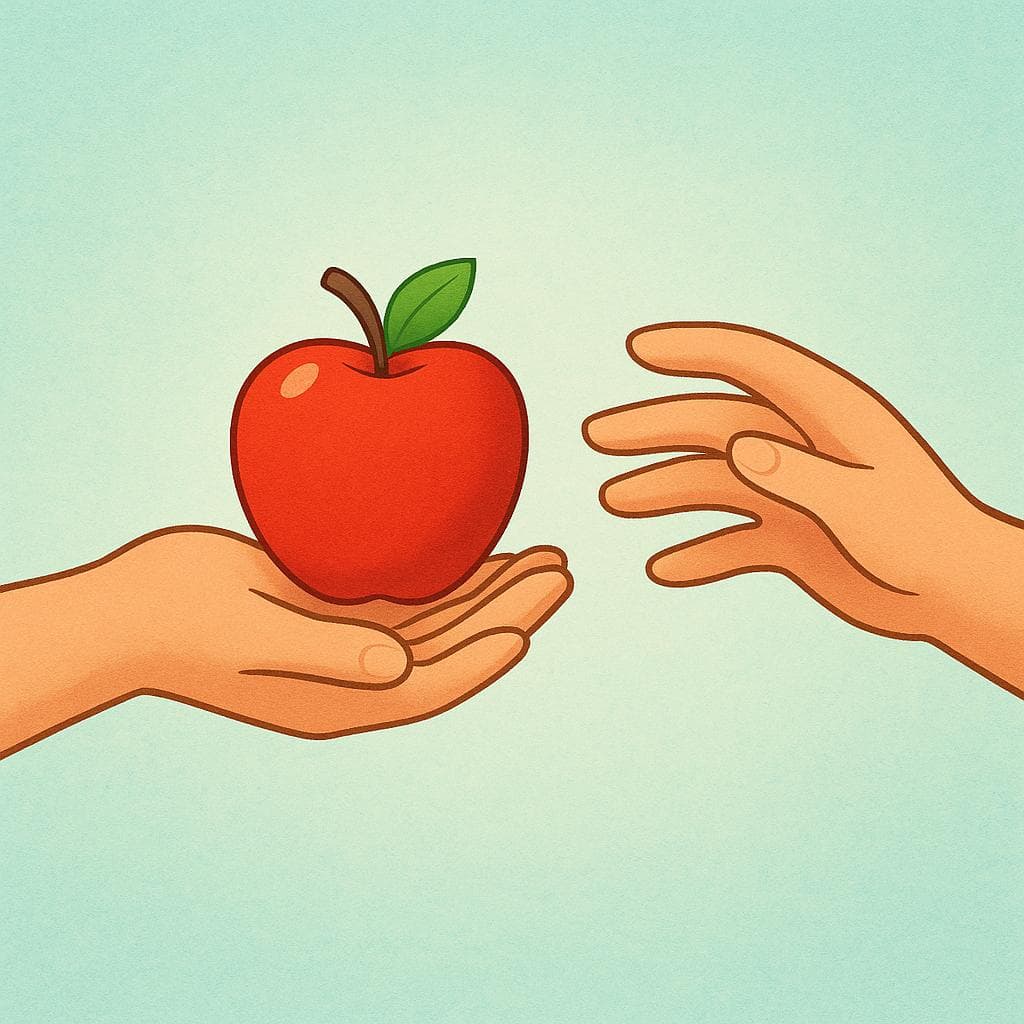


you take, you grab
Also: you pick up, you choose
📝 In Action
Espero que tomes el paraguas si va a llover.
A2I hope that you take the umbrella if it's going to rain.
No tomes esa decisión sin pensarlo bien.
B1Don't take that decision without thinking it through well.
¿Quieres que tomes un taxi para llegar más rápido?
A2Do you want me to get a taxi so you can arrive faster?
you drink
Also: you consume
📝 In Action
Te sugiero que tomes agua antes de ir al gimnasio.
A2I suggest that you drink water before going to the gym.
¡No tomes tanto café! Te va a dar dolor de cabeza.
A1Don't drink so much coffee! It's going to give you a headache.
you catch, you take
Also: you contract
📝 In Action
Necesito que tomes el tren de las cinco si quieres llegar a tiempo.
B1I need you to take the five o'clock train if you want to arrive on time.
Ten cuidado que no tomes un resfriado con este frío.
B2Be careful that you don't catch a cold in this weather.
Indicative
Present
Imperfect
Preterite
Subjunctive
Present Subjunctive
Imperfect Subjunctive
Translate to Spanish
Words that translate to "tomes" in Spanish:
you catch→you choose→you consume→you contract→you drink→you grab→you take→✏️ Quick Practice
Quick Quiz: tomes
Question 1 of 2
Which sentence correctly uses 'tomes' as a negative command?
📚 More Resources
👥 Word Family▼
🎵 Rhymes▼
📚 Etymology▼
The verb 'tomar' comes from the Old Spanish 'tumar,' which likely originated from the late Latin *tumare, possibly related to Greek words referring to cutting or dividing, evolving into the general meaning of 'to grab' or 'to take possession of.'
First recorded: 13th century
Cognates (Related words)
💡 Master Spanish
Take your Spanish to the next level. Read 200+ illustrated and narrated Spanish stories tailored to your level with the Inklingo app!
Frequently Asked Questions
Why does 'tomar' mean both 'to take' and 'to drink'?
Think of 'tomar' as a very versatile verb meaning 'to get hold of' or 'to consume.' You can 'get hold of' an object (to take it) or 'get hold of' a beverage (to drink it). The context always tells you which meaning is correct.
How do I know when to use 'tomes' versus 'tomas'?
Use 'tomas' when talking about a simple fact or habit ('Tú tomas el bus'). Use 'tomes' when expressing doubt, desire, necessity, or giving a negative command ('Dudo que tomes el bus' or 'No tomes el bus'). 'Tomes' signals uncertainty or influence.