turismo
“turismo” means “tourism” in Spanish. It has 2 different meanings depending on context:

tourismAlso: sightseeing

📝 In Action
El turismo es la principal fuente de ingresos de la ciudad.
A1Tourism is the main source of income for the city.
Queremos hacer turismo por el sur de España.
A2We want to go sightseeing around the south of Spain.
El turismo sostenible ayuda a proteger el medio ambiente.
B1Sustainable tourism helps protect the environment.
Word Connections
passenger carAlso: touring car
📝 In Action
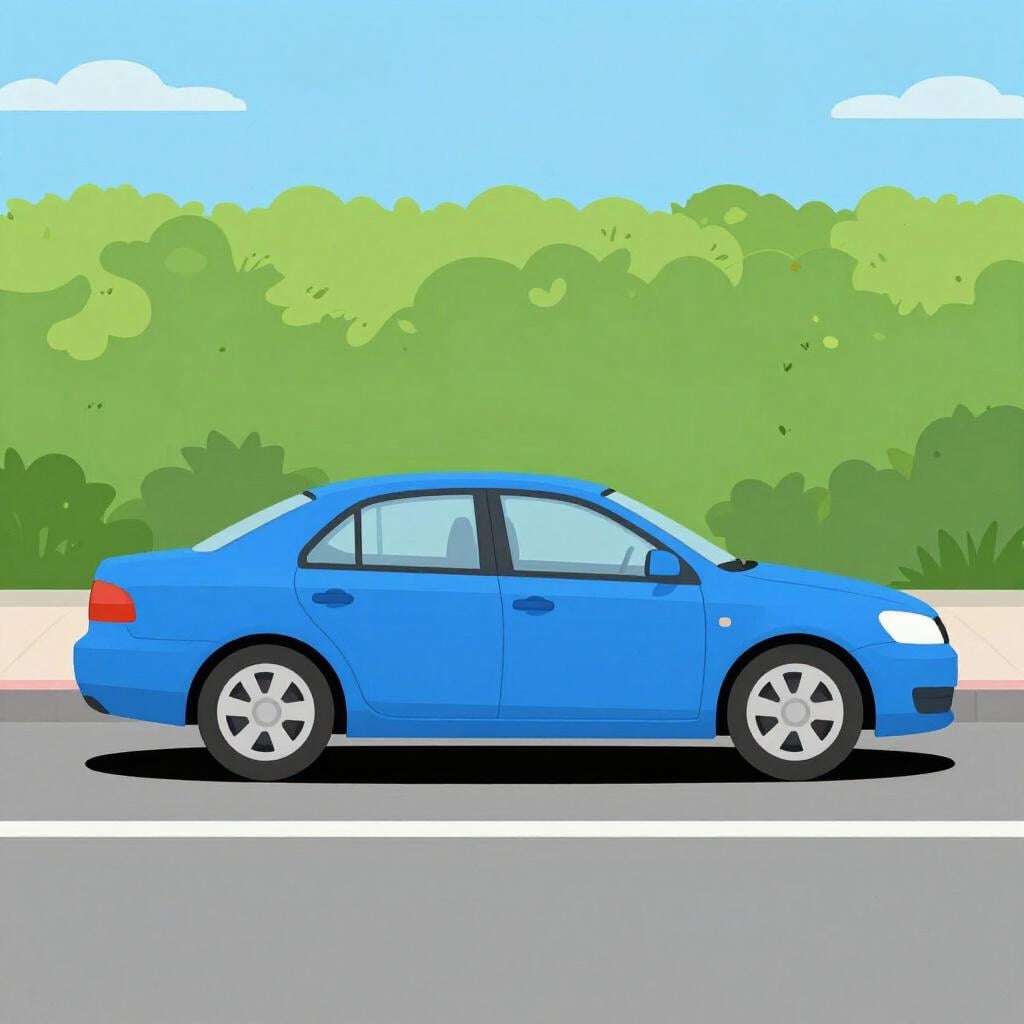
Este aparcamiento es exclusivo para turismos.
B1This parking lot is exclusively for passenger cars.
Un turismo chocó contra una furgoneta en la autopista.
B2A passenger car collided with a van on the highway.
El impuesto de circulación es más barato para un turismo pequeño.
C1The road tax is cheaper for a small passenger car.
Word Connections
Translate to Spanish
Words that translate to "turismo" in Spanish:
✏️ Quick Practice
Quick Quiz: turismo
Question 1 of 3
How do you say 'We are going sightseeing' in Spanish?
📚 More Resources
👥 Word Family
📚 Etymology
From the French word 'tourisme', which comes from 'tour' (a turn or a trip). It ultimately traces back to the Latin word 'tornus', meaning a lathe or a tool for making a circle.
First recorded: 19th century
Cognates (Related words)
💡 Master Spanish
Take your Spanish to the next level. Read 200+ illustrated and narrated Spanish stories tailored to your level with the Inklingo app!
Frequently Asked Questions
Is 'turismo' always masculine?
Yes, even if you are talking about activities done by women, the noun 'el turismo' remains masculine.
What is the difference between 'viaje' and 'turismo'?
'Viaje' refers to a specific trip or the act of traveling from point A to B. 'Turismo' refers to the broader activity of traveling for pleasure or the industry itself.
Can I use 'turismo' to mean a car in Mexico?
While it would be understood, it is much less common than in Spain. In Mexico, people usually say 'carro' or 'auto'.