túnica
“túnica” means “tunic” in Spanish. It has 2 different meanings depending on context:
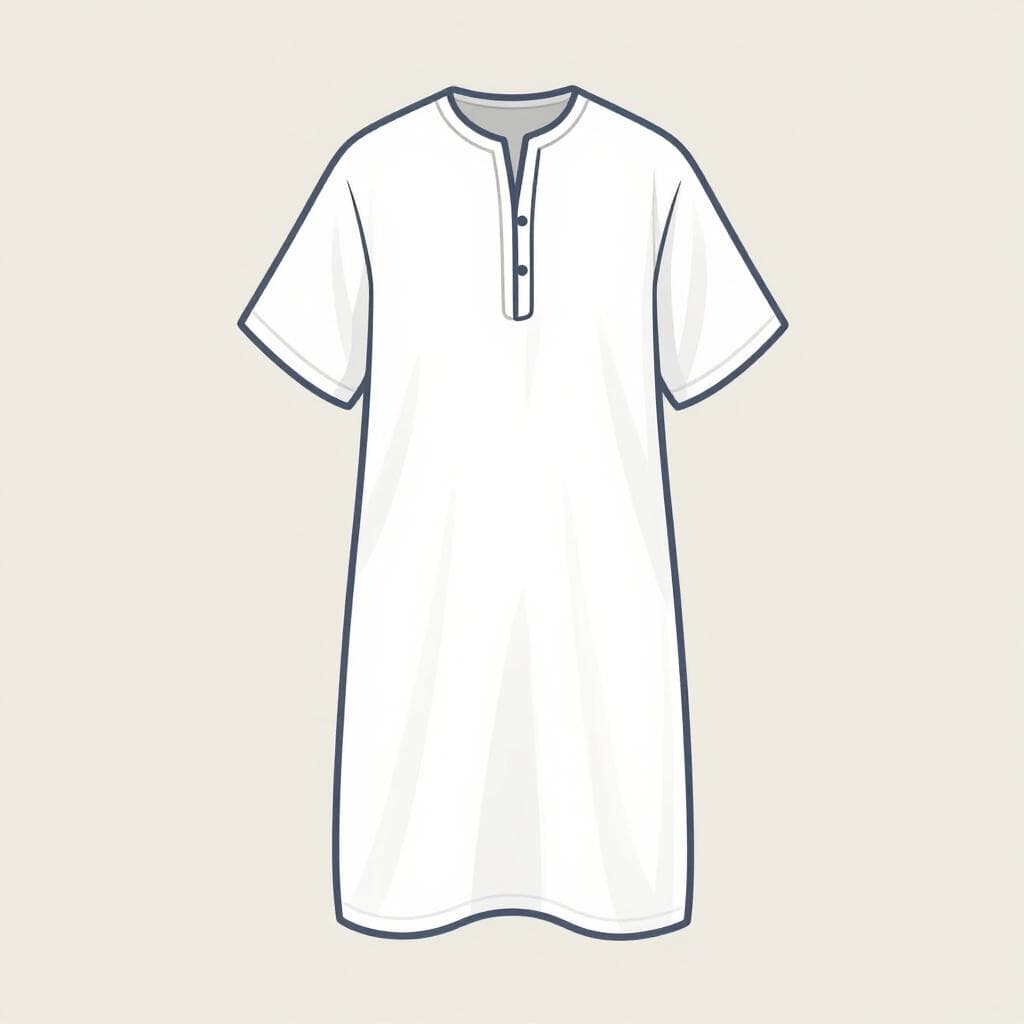
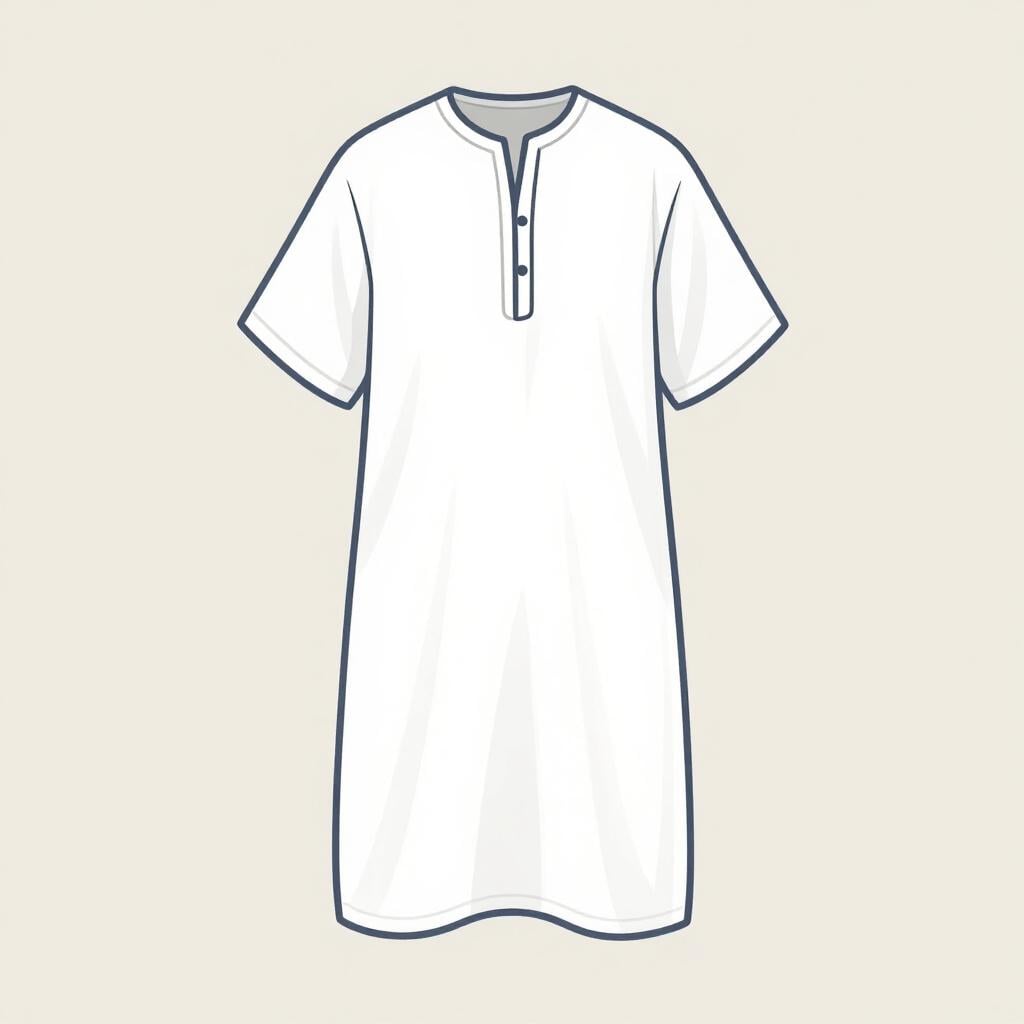
tunic, robeAlso: gown
📝 In Action
En la antigua Roma, los hombres solían vestir una túnica de lana.
A2In ancient Rome, men used to wear a wool tunic.
El monje lleva una túnica marrón atada con una cuerda.
B1The monk wears a brown robe tied with a rope.
Ella compró una túnica de lino muy fresca para ir a la playa.
B1She bought a very cool linen tunic to go to the beach.
Word Connections
lining, membraneAlso: coat
📝 In Action
La túnica externa del ojo se llama esclerótica.
C1The outer layer of the eye is called the sclera.
Esta semilla tiene una túnica protectora muy dura.
C2This seed has a very hard protective coat.
Word Connections
Translate to Spanish
Words that translate to "túnica" in Spanish:
✏️ Quick Practice
Quick Quiz: túnica
Question 1 of 3
If someone is talking about 'la túnica de un senador romano', what are they referring to?
📚 More Resources
👥 Word Family
🎵 Rhymes
📚 Etymology
From the Latin word 'tunica', which referred to the basic garment worn by both men and women in ancient Rome.
First recorded: 13th century
Cognates (Related words)
💡 Master Spanish
Take your Spanish to the next level. Read 200+ illustrated and narrated Spanish stories tailored to your level with the Inklingo app!
Frequently Asked Questions
Is a 'túnica' the same as a 'vestido' (dress)?
Not exactly. A 'vestido' is a general word for a dress. A 'túnica' is specifically a loose, often T-shaped garment that usually doesn't have a defined waist.
Why does 'túnica' have an accent mark on the 'u'?
In Spanish, when you emphasize the third-to-last syllable (TOO-nee-kah), the word must have a written accent. These are called 'palabras esdrújulas'.
Do people still wear 'túnicas' today?
Yes! They are worn in religious ceremonies, by judges in some countries, and as a popular style of loose beachwear or summer fashion.