Inklingo

ultima

/ool-TEE-mah/

he/she finalizes

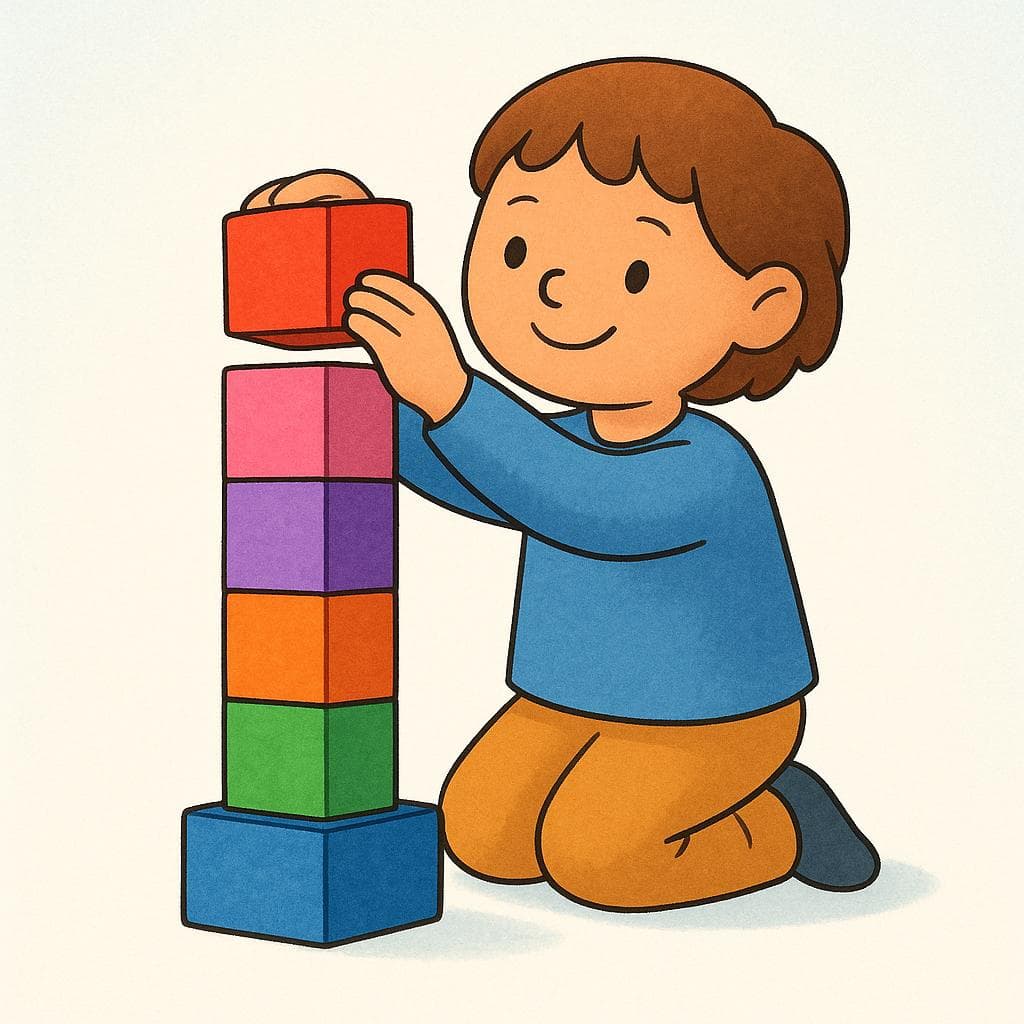
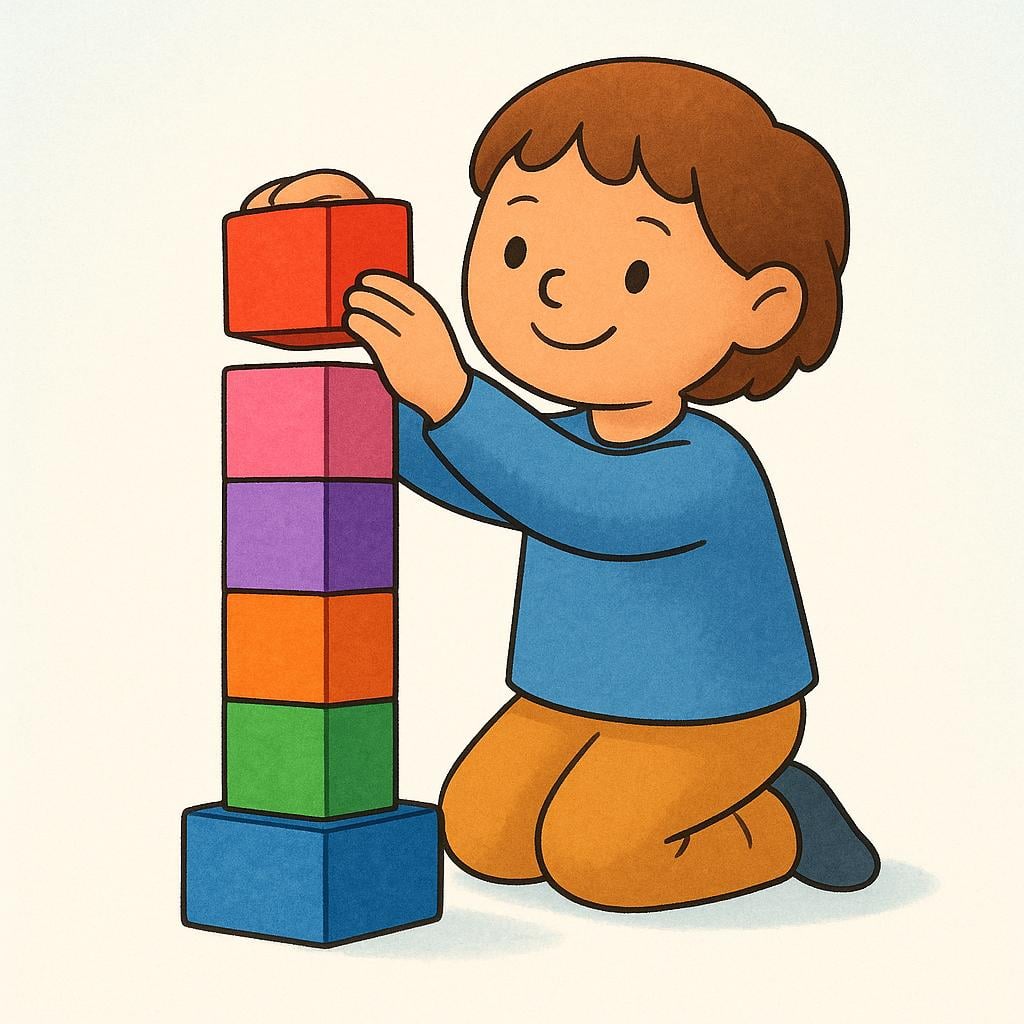
A high quality storybook illustration of a smiling cartoon character placing the final, bright red block on top of a perfectly built tower of colorful blocks, symbolizing completion.

He finalizes the process of building the tower.

ultima(Verb)

B2regular ar

he/she finalizes

?

completes a process

,

you (formal) finalize

?

completes a process

Also:

it concludes

?

a process or negotiation

,

he/she kills

?

less common, formal usage

📝 In Action

El presidente ultima los detalles del tratado.

B2

The president finalizes the treaty details.

Ella siempre ultima su trabajo a medianoche.

B1

She always finishes her work at midnight.

Si no se apura, la fecha límite lo ultima.

C1

If he doesn't hurry up, the deadline will finish him (figurative).

Word Connections

Synonyms

Antonyms

Common Collocations

  • ultima detallesfinalizes details
  • ultima preparativosconcludes preparations

💡 Grammar Points

Regular -AR Verb

This verb follows the standard pattern for verbs ending in -ar, making its conjugations predictable once you know the pattern.

Action in the Present

Use 'ultima' when talking about what someone (he, she, or a formal 'you') is doing right now to finish something.

❌ Common Pitfalls

Confusing Verb and Adjective

Mistake: "Using 'ultima' (the verb) when you mean 'última' (the adjective 'last')."

Correction: Remember, the verb form 'ultima' has no accent mark and means 'he/she finishes.' The adjective 'última' must have the accent mark.

⭐ Usage Tips

Formal Context

'Ultimar' often sounds more official or professional than 'terminar' when discussing complex tasks or negotiations.

A colorful storybook illustration showing one character pointing decisively at a single, unpacked book lying next to a large, mostly-packed open suitcase, urging another character to complete the task.

You need to finalize the packing!

ultima(Verb)

B2regular ar

finalize!

?

finish or complete (familiar command)

,

conclude!

?

end something

📝 In Action

¡Ultima el informe antes de que salga el jefe!

B2

Finalize the report before the boss leaves!

Ultima los preparativos de la fiesta ya.

B2

Finish up the party preparations now.

Word Connections

Synonyms

💡 Grammar Points

Affirmative Tú Command

The familiar command form for 'tú' (you) is the same as the 'él/ella/usted' form in the present tense (Definition 1). It tells a friend directly what to do.

⭐ Usage Tips

Use of Exclamation Points

When giving a command like '¡Ultima!', make sure to use inverted exclamation marks (¡) at the beginning in Spanish.

🔄 Conjugations

indicative

present

él/ella/ustedultima
youltimo
ultimas
ellos/ellas/ustedesultiman
nosotrosultimamos
vosotrosultimáis

imperfect

él/ella/ustedultimaba
youltimaba
ultimabas
ellos/ellas/ustedesultimaban
nosotrosultimábamos
vosotrosultimabais

preterite

él/ella/ustedultimó
youltimé
ultimaste
ellos/ellas/ustedesultimaron
nosotrosultimamos
vosotrosultimasteis

subjunctive

present

él/ella/ustedultime
youltime
ultimes
ellos/ellas/ustedesultimen
nosotrosultimemos
vosotrosultiméis

imperfect

él/ella/ustedultimara/ultimase
youltimara/ultimase
ultimaras/ultimases
ellos/ellas/ustedesultimaran/ultimasen
nosotrosultimáramos/ultimásemos
vosotrosultimarais/ultimaseis

✏️ Quick Practice

💡 Quick Quiz: ultima

Question 1 of 2

Which sentence correctly uses 'ultima' (without the accent)?

📚 More Resources

Word Family

Frequently Asked Questions

What is the difference between 'ultima' and 'última'?

The difference is crucial: 'ultima' (no accent) is the verb form, meaning 'he/she/it finalizes' or the command 'finalize!' 'Última' (with an accent over the U) is the feminine adjective meaning 'last' or 'ultimate.' Always include the accent for the adjective.

Is 'ultimar' a common verb in daily conversation?

'Ultimar' is used, but it's generally more formal than 'terminar' (to finish) or 'acabar' (to end). You will hear it most often in news reports or professional settings.