vértigo
“vértigo” means “dizziness” in Spanish. It has 2 different meanings depending on context:


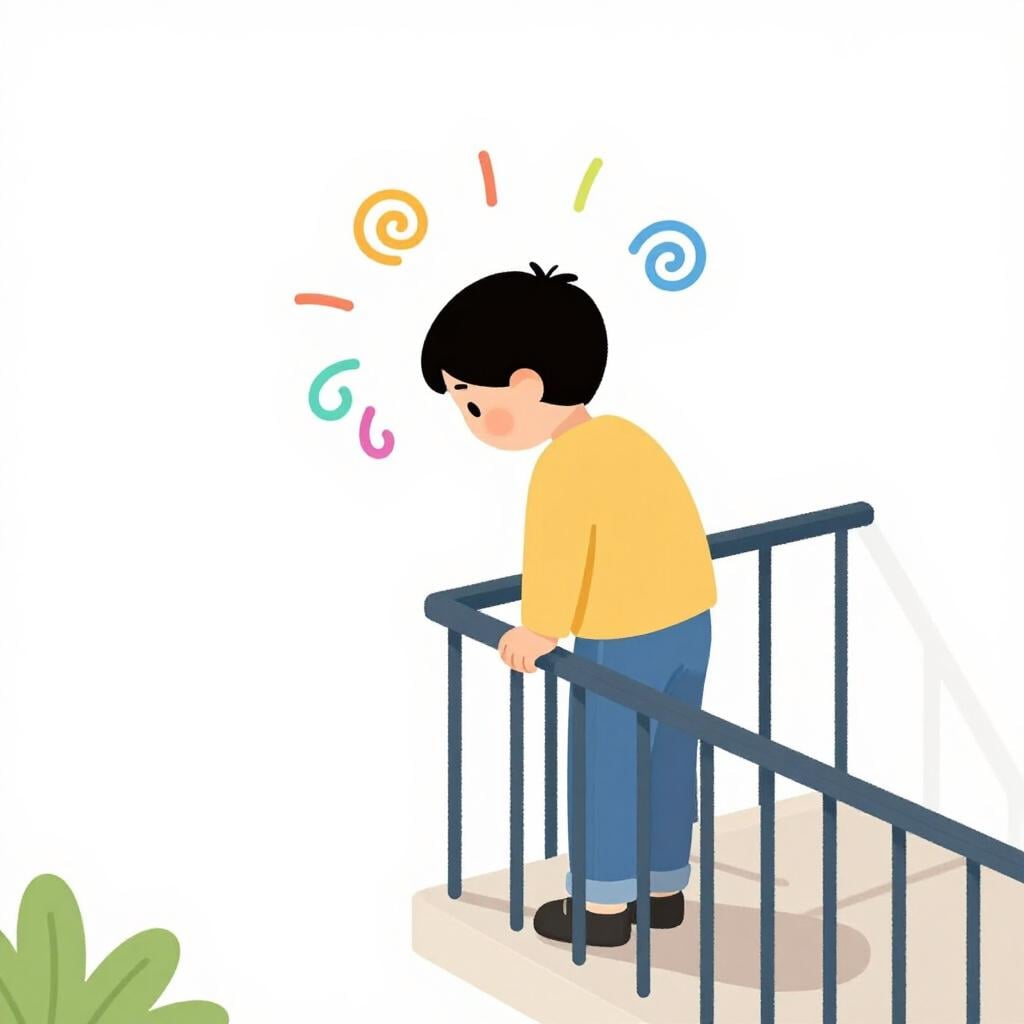
dizziness, fear of heightsAlso: vertigo
📝 In Action
Me da mucho vértigo mirar hacia abajo desde este balcón.
A2I get a lot of dizziness looking down from this balcony.
Ella no quiere subir a la montaña rusa porque tiene vértigo.
B1She doesn't want to get on the roller coaster because she's afraid of heights.
El médico dice que mi vértigo es causado por un problema en el oído.
B2The doctor says my vertigo is caused by an ear problem.
Word Connections
dizzying pace, overwhelming feelingAlso: giddiness

📝 In Action
El vértigo de la vida moderna nos impide descansar.
C1The dizzying pace of modern life prevents us from resting.
Sentí un gran vértigo al ver lo rápido que crecía mi empresa.
C1I felt overwhelmed seeing how quickly my company was growing.
La velocidad del cambio tecnológico produce vértigo.
C2The speed of technological change is dizzying.
Word Connections
Translate to Spanish
Words that translate to "vértigo" in Spanish:
✏️ Quick Practice
Quick Quiz: vértigo
Question 1 of 3
Which verb is most commonly used to say that heights make you feel dizzy?
📚 More Resources
👥 Word Family
📚 Etymology
From the Latin word 'vertīgo', which means 'a turning or whirling round.' It comes from the verb 'vertere,' which means 'to turn.'
First recorded: 15th century
Cognates (Related words)
💡 Master Spanish
Take your Spanish to the next level. Read 200+ illustrated and narrated Spanish stories tailored to your level with the Inklingo app!
Frequently Asked Questions
How do I say 'I am afraid of heights' in Spanish?
The most natural way is to say 'Tengo vértigo' (I have vertigo) or 'Me dan vértigo las alturas' (Heights give me vertigo).
Is 'vértigo' a medical term or a common word?
It is both! Doctors use it for inner-ear balance issues, but everyday people use it to describe that scary feeling when looking down from a tall building.
Can I use 'vértigo' for emotional situations?
Yes! You can use it to describe the feeling of a life-changing moment or a situation that is moving forward very quickly.