vello
“vello” means “body hair” in Spanish. It has 2 different meanings depending on context:
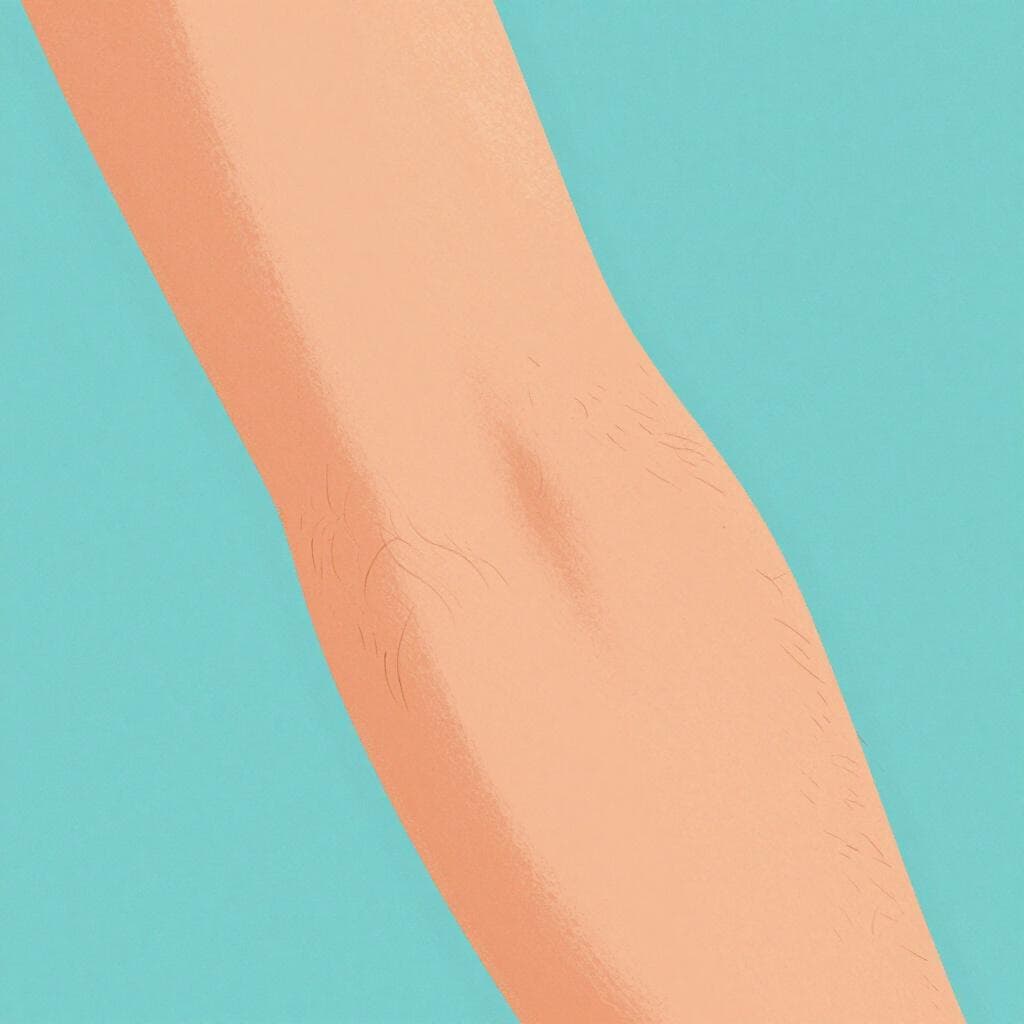
body hair, fuzz
Also: peach fuzz, down
📝 In Action
El vello de sus brazos es muy rubio y casi no se ve.
A2The hair on his arms is very blonde and can hardly be seen.
Sentí un escalofrío y se me erizó el vello de la nuca.
B1I felt a chill and the hair on the back of my neck stood up.
Mucha gente prefiere eliminar el vello corporal en verano.
B2Many people prefer to remove body hair in the summer.
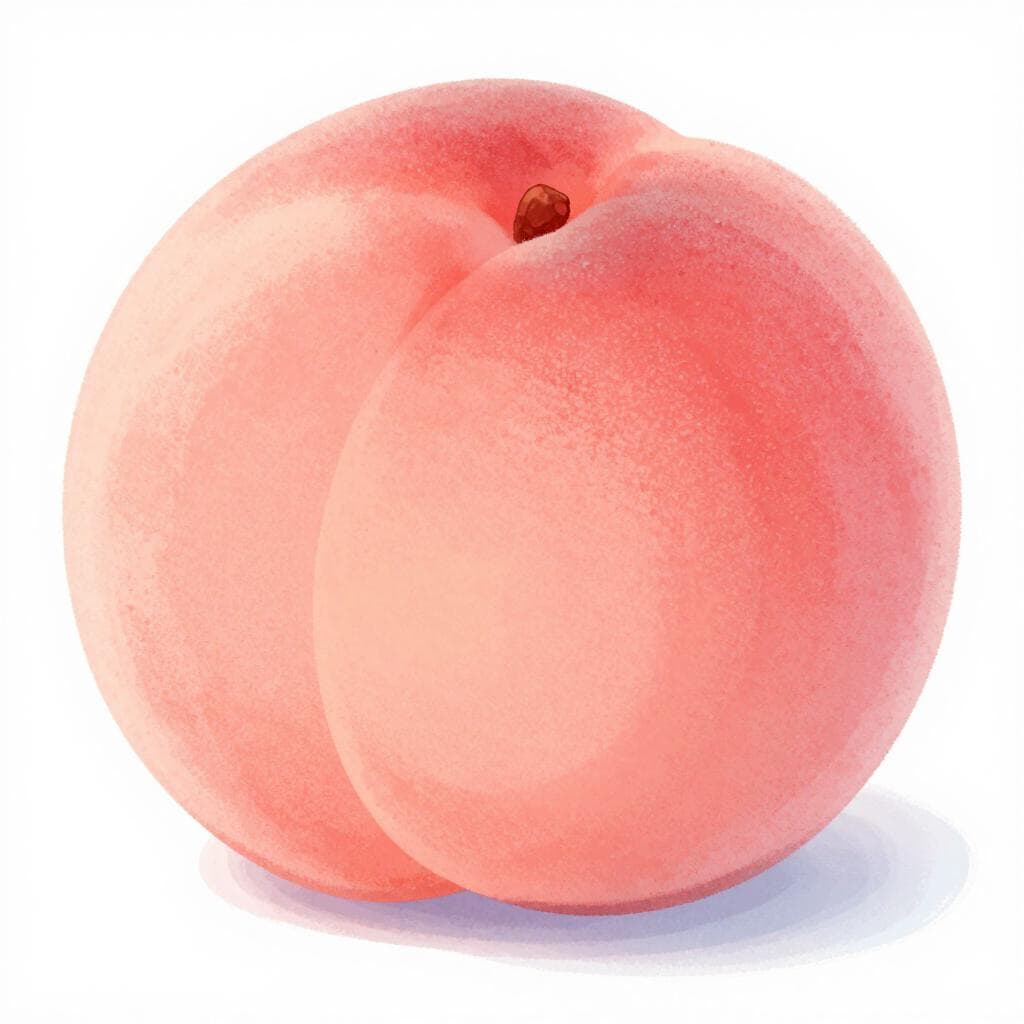
down, fuzz
📝 In Action
El vello del melocotón puede resultar molesto para algunas personas.
B2The fuzz on the peach can be annoying to some people.
Las hojas de esta planta están cubiertas de un vello blanquecino.
C1The leaves of this plant are covered in a whitish down.
Translate to Spanish
✏️ Quick Practice
Quick Quiz: vello
Question 1 of 3
Which word would you use to describe the fine hair on your arm?
📚 More Resources
👥 Word Family▼
📚 Etymology▼
From the Latin word 'villus', which referred to a tuft of hair or a shaggy hair on an animal.
First recorded: 13th century
Cognates (Related words)
💡 Master Spanish
Take your Spanish to the next level. Read 200+ illustrated and narrated Spanish stories tailored to your level with the Inklingo app!
Frequently Asked Questions
Is 'vello' and 'bello' pronounced differently?
In most Spanish dialects, they are pronounced exactly the same. The difference is only in the spelling and the meaning.
Can I use 'vello' for my beard?
Usually, beard hair is called 'pelo de la barba' because it is thicker. 'Vello' is better for the very soft, thin hair on your cheeks before a beard grows.
What is 'vello púbico'?
It is the standard, clinical, and neutral term for pubic hair.