How to Say "down" in Spanish
The most common Spanish word for “down” is “abajo” — use 'abajo' when referring to a general direction or location that is lower than the current position, like downstairs or below.





abajo
ah-BAH-hohaˈβaxo
Examples
El gato está abajo.
The cat is downstairs.
Mira hacia abajo y verás las flores.
Look down and you'll see the flowers.
Vivimos en el piso de abajo.
We live on the floor below.
Abajo vs. Debajo de
Think of 'abajo' as the general idea of 'down' or 'downstairs'. Use 'debajo de' when you mean 'under' a specific object. For example, 'El perro está abajo' (The dog is downstairs), but 'El perro está debajo de la mesa' (The dog is under the table).
Confusing 'Abajo' with 'Bajo'
Mistake: “El libro está abajo la mesa.”
Correction: Say 'El libro está bajo la mesa' or '...debajo de la mesa.' 'Bajo' and 'debajo de' act like the English word 'under' and need to be followed by the thing you are under. 'Abajo' usually stands on its own.
bajado
bah-HAH-dohbaˈxaðo

Examples
El telón estaba bajado antes de que empezara la obra.
The curtain was lowered before the play started.
Se nota que está bajado de ánimo hoy.
It's noticeable that he is low-spirited (feeling down) today.
Este es el archivo bajado de la web.
This is the file downloaded from the web.
Adjective Agreement
When used as a describing word (adjective), 'bajado' must match the thing it describes. If you are talking about 'la bandera' (the flag, feminine), you must say 'la bandera bajada'.
Confusing Verbal and Adjective Use
Mistake: “Using the adjective form when forming a perfect tense: *Han bajados los precios.*”
Correction: The verbal form is always 'bajado' with 'haber': *Han bajado los precios.* The price itself has gone down.
deprimido
deh-pree-MEE-dohde.pɾiˈmi.ðo

Examples
Después de la noticia, Juan estuvo deprimido por semanas.
After the news, Juan was depressed for weeks.
Si te sientes deprimida, es importante buscar ayuda.
If you feel depressed, it's important to seek help.
No es que esté deprimido, solo estoy cansado.
It's not that I'm down, I'm just tired.
Adjective Agreement is Key
Since this is an adjective, you must make sure it matches the person you are describing: 'Estoy deprimido' (if you are male) or 'Estamos deprimidas' (if the group is all female).
Use with 'Estar'
You almost always use 'deprimido' with the verb 'estar' because it describes a temporary (or changing) emotional state, not a permanent characteristic.
Using 'Ser'
Mistake: “Soy deprimido.”
Correction: Estoy deprimido. Using 'ser' (Soy) would suggest that being depressed is a defining, permanent part of your personality, which is generally not the intended meaning.
pluma
ploo-mah'plu.ma

Examples
Encontré una pluma muy grande en el jardín.
I found a very large feather in the garden.
El pájaro perdió varias plumas durante la muda.
The bird lost several feathers during the molt.
Gender Check
Remember that 'pluma' is always feminine, so you must use 'la pluma' or 'una pluma', and any descriptions (adjectives) must also be feminine.
Confusing Gender
Mistake: “El pluma es blanco.”
Correction: La pluma es blanca. (Make sure the article and adjective match the feminine noun.)
vello
bey-yoˈbeʝo
Examples
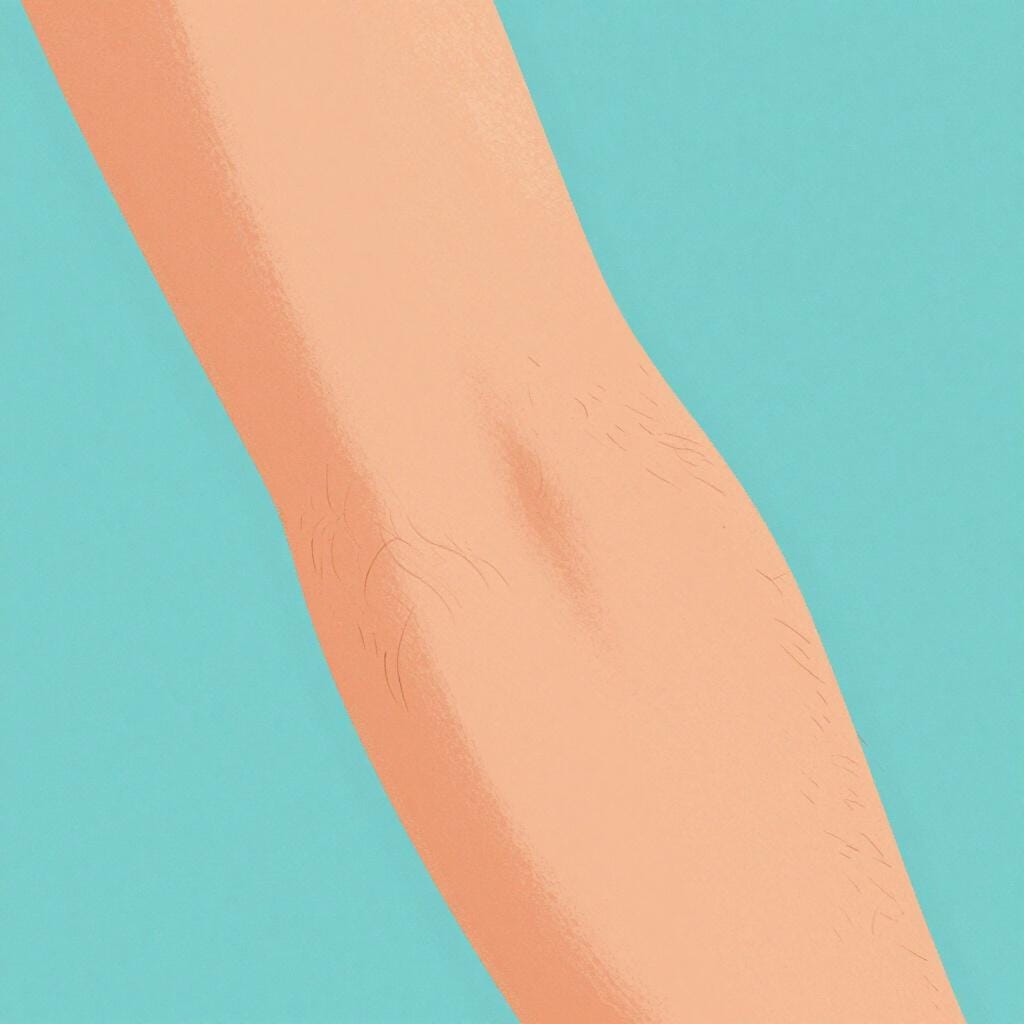
El vello de sus brazos es muy rubio y casi no se ve.
The hair on his arms is very blonde and can hardly be seen.
Sentí un escalofrío y se me erizó el vello de la nuca.
I felt a chill and the hair on the back of my neck stood up.
Mucha gente prefiere eliminar el vello corporal en verano.
Many people prefer to remove body hair in the summer.
El vello del melocotón puede resultar molesto para algunas personas.
The fuzz on the peach can be annoying to some people.
Vello vs. Pelo
Use 'vello' for the short, fine hair on your body. Use 'pelo' or 'cabello' for the longer hair on your head.
A Masculine Word
This word is masculine, so always use it with 'el' (the) or 'un' (a).
Biological Use
In science or gardening, this word describes the protective soft layer on leaves or skins.
The 'V' vs 'B' Mix-up
Mistake: “Using 'bello' to describe body hair.”
Correction: Use 'vello' with a 'V'. While they sound exactly the same, 'bello' with a 'B' means 'beautiful'.
se
sehse

Examples
Mi hermano se comió toda la pizza.
My brother ate the whole pizza.
Mi hermano comió la pizza.
My brother ate the pizza.
Bebió un vaso de agua.
He drank a glass of water.
Adding Extra Flavor
This 'se' doesn't always have a direct translation. It just makes the action feel more complete or personal. It shows the person really got involved in the action.
Overusing It
Mistake: “Se caminó al parque.”
Correction: Caminó al parque. (He walked to the park.) This emphatic 'se' only works with certain verbs, usually ones involving consuming something (like eating, drinking, reading, learning).
down
daundaʊn

Examples
Su hermano tiene síndrome de Down.
His brother has Down syndrome.
Existen muchas asociaciones de apoyo para personas con Down.
There are many support associations for people with Down syndrome.
Es una escuela inclusiva con alumnos Down.
It is an inclusive school with students who have Down syndrome.
Using 'Down' as a Name
In Spanish, when referring to the syndrome, 'Down' is a proper name and should be capitalized.
Adding an 's'
Mistake: “síndrome de Downs”
Correction: síndrome de Down
Direction vs. Mood
Related Translations
Learn Spanish with Inklingo
Interactive stories, personalized learning, and more.