viga
“viga” means “beam” in Spanish (a long, sturdy piece of wood or metal used to support a roof or floor).
beam
Also: girder, joist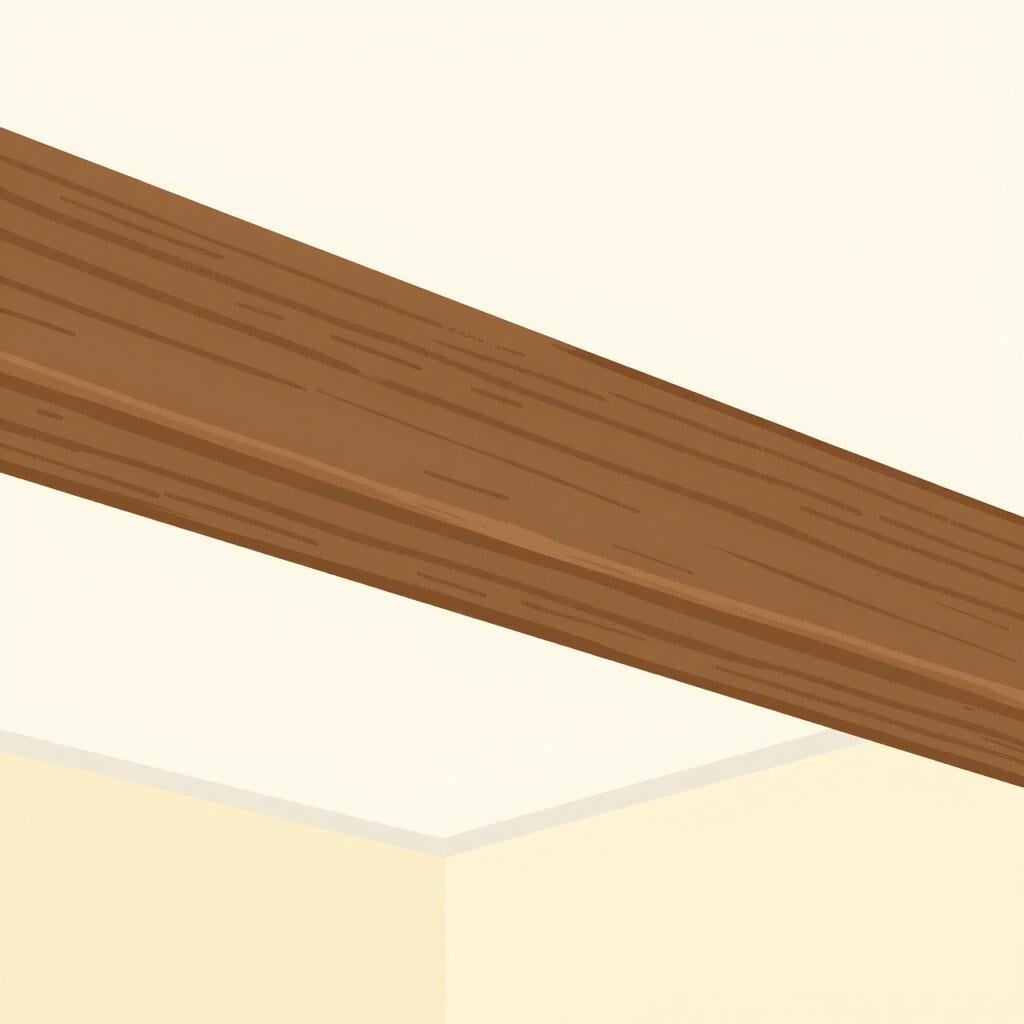
📝 In Action
La casa tiene una viga de madera muy antigua.
A2The house has a very old wooden beam.
Los arquitectos instalaron vigas de acero para reforzar el techo.
B1The architects installed steel beams to reinforce the roof.
Siempre ves la paja en el ojo ajeno y no la viga en el tuyo.
B2You always see the speck in someone else's eye and not the beam in your own.
✏️ Quick Practice
Quick Quiz: viga
Question 1 of 3
Which of these things would most likely be a 'viga'?
📚 More Resources
👥 Word Family▼
📚 Etymology▼
From the Latin word 'biga', which referred to a two-horse chariot. The central pole or beam of the chariot eventually gave its name to structural beams in buildings.
First recorded: 13th century
Cognates (Related words)
💡 Master Spanish
Take your Spanish to the next level. Read 200+ illustrated and narrated Spanish stories tailored to your level with the Inklingo app!
Frequently Asked Questions
Is 'viga' the same as 'columna'?
Not exactly. A 'columna' (column) is vertical (up and down), while a 'viga' (beam) is usually horizontal (side to side) to support the weight above it.
Is 'viga' a common word?
Yes, especially if you are talking about home renovation or if you are using the famous idiom about 'the beam in your eye'.
What is a 'viga maestra'?
It is the 'master beam' or main load-bearing beam that holds up the most weight in a structure.