vocabulario
“vocabulario” means “vocabulary” in Spanish. It has 2 different meanings depending on context:

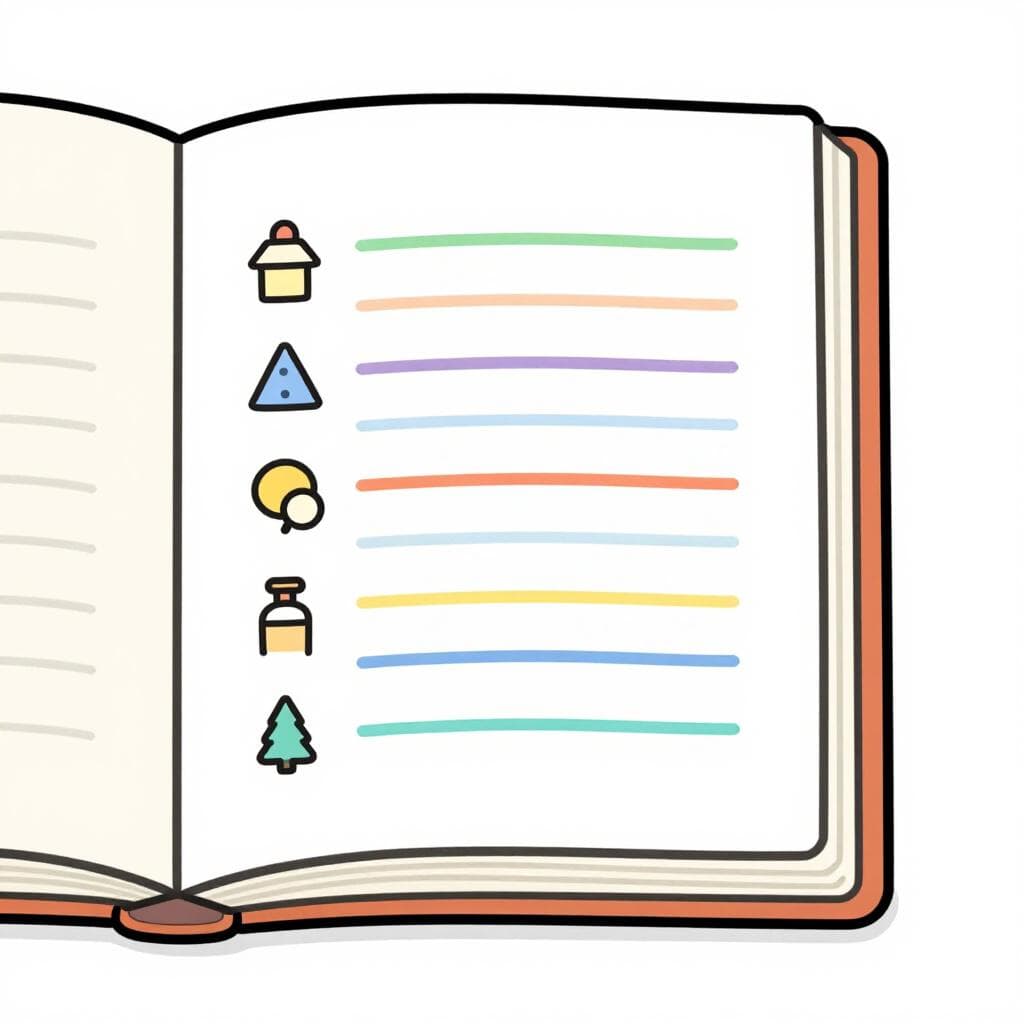
vocabulary
Also: lexicon
📝 In Action
Necesito aprender más vocabulario para hablar mejor.
A1I need to learn more vocabulary to speak better.
Ella tiene un vocabulario muy amplio porque lee mucho.
B1She has a very wide vocabulary because she reads a lot.
El vocabulario técnico de esta profesión es bastante complicado.
B2The technical vocabulary of this profession is quite complicated.
glossary
Also: word list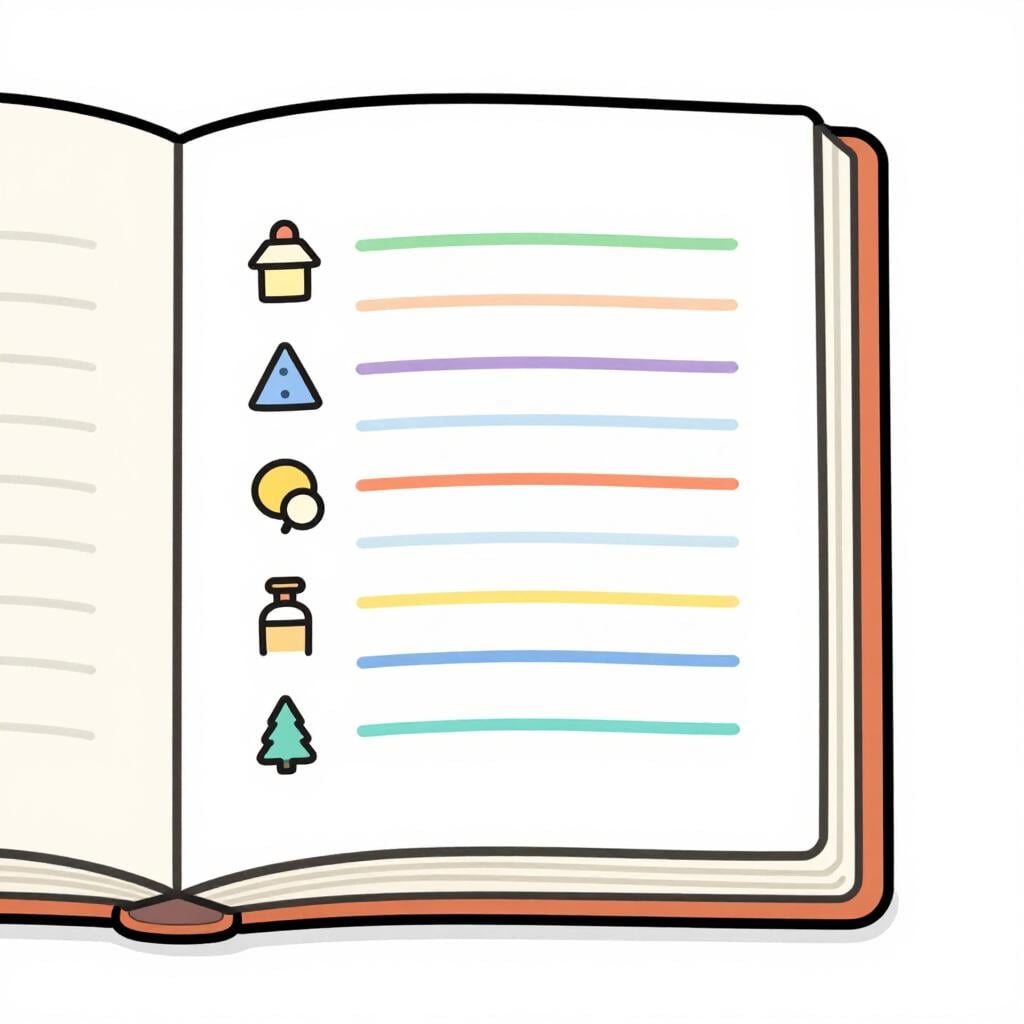
📝 In Action
Al final del libro hay un vocabulario con las palabras difíciles.
A2At the end of the book, there is a glossary with the difficult words.
Copia el vocabulario de la lección en tu libreta.
B1Copy the word list from the lesson into your notebook.
Consulté el vocabulario bilingüe para entender el contrato.
C1I consulted the bilingual glossary to understand the contract.
Translate to Spanish
✏️ Quick Practice
Quick Quiz: vocabulario
Question 1 of 3
Which sentence describes someone having a lot of words in their head?
📚 More Resources
👥 Word Family▼
🎵 Rhymes▼
📚 Etymology▼
From the Latin 'vocabula', which comes from 'vocare' (to call). It's built on the same root as 'voice,' essentially meaning the collection of things we call out or name.
First recorded: 13th century
Cognates (Related words)
💡 Master Spanish
Take your Spanish to the next level. Read 200+ illustrated and narrated Spanish stories tailored to your level with the Inklingo app!
Frequently Asked Questions
Is 'vocabulario' masculine or feminine?
It is masculine. You should always say 'el vocabulario' or 'un vocabulario'.
What is the difference between 'vocabulario' and 'léxico'?
They are very similar, but 'vocabulario' is the everyday word. 'Léxico' is a bit more formal or academic, often used when talking about the technical rules of a language.
Can I use 'vocabulario' to mean just one word?
No. For a single word, use 'palabra'. 'Vocabulario' refers to a group or a list of words.