volvimos
“volvimos” means “we returned” in Spanish. It has 3 different meanings depending on context:



we returned, we came backAlso: we got back

📝 In Action
Volvimos a casa muy tarde después de la fiesta.
A1We returned home very late after the party.
Cuando volvimos de vacaciones, el jardín estaba seco.
A2When we came back from vacation, the garden was dry.
Les dijimos que volvimos porque extrañábamos la comida.
A2We told them we returned because we missed the food.
Word Connections
we turnedAlso: we turned over

📝 In Action
Volvimos la cabeza para ver qué pasaba detrás de nosotros.
B1We turned our heads to see what was happening behind us.
Volvimos la tortilla para que se cocinara bien por el otro lado.
B1We flipped the tortilla so it would cook well on the other side.
Word Connections
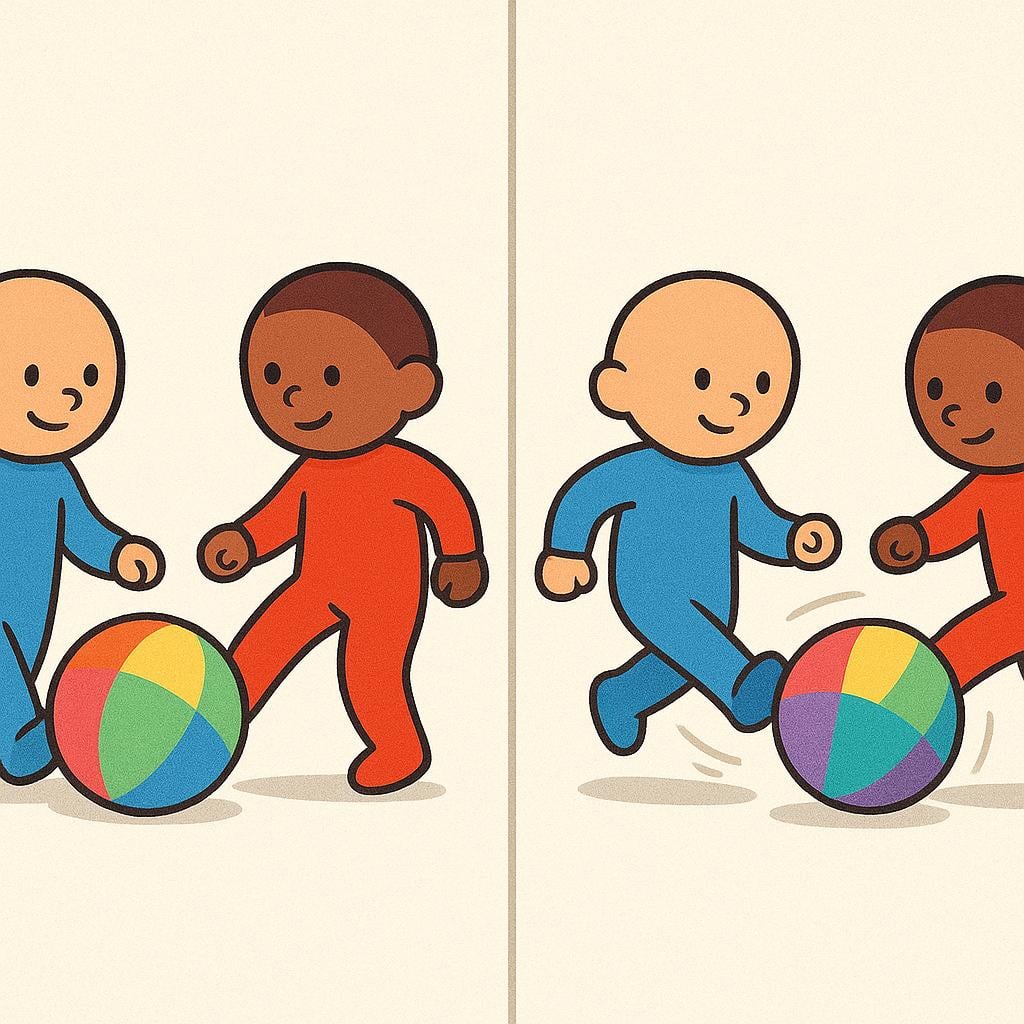
we did (something) againAlso: we went back to (doing something)
📝 In Action
Después de la pausa, volvimos a trabajar en el proyecto.
B2After the break, we went back to working on the project (or: we worked on the project again).
Volvimos a ver esa película porque nos encantó.
B2We watched that movie again because we loved it.
Cometimos un error, pero luego volvimos a intentarlo.
C1We made a mistake, but then we tried again.
Word Connections
Indicative
Preterite
Present
Imperfect
Subjunctive
Present Subjunctive
Imperfect Subjunctive
Translate to Spanish
Words that translate to "volvimos" in Spanish:
✏️ Quick Practice
Quick Quiz: volvimos
Question 1 of 2
Which English sentence is best translated by 'Volvimos a comprar leche'?
📚 More Resources
👥 Word Family
🎵 Rhymes
📚 Etymology
Comes from the Latin verb *volvere*, meaning 'to roll' or 'to turn.' This root explains both the meaning of physical rotation (turning) and the idea of cycling back to a starting point (returning).
First recorded: Old Spanish, around the 10th century.
Cognates (Related words)
💡 Master Spanish
Take your Spanish to the next level. Read 200+ illustrated and narrated Spanish stories tailored to your level with the Inklingo app!
Frequently Asked Questions
Is 'volvimos' the same as 'volvemos'?
No, they are different! 'Volvimos' means 'we returned' (a finished action in the past). 'Volvemos' means 'we return' or 'we are returning' (present action). Pay attention to the vowel in the middle!
Is 'volver' a stem-changing verb?
Yes, but not always! In the Present tense, the 'o' changes to 'ue' (vuelvo, vuelves, vuelve). However, in the Preterite tense (where 'volvimos' comes from), it is a regular verb, so the stem stays 'volv-' throughout.