
THE INKLINGO LANGUAGE GUIDES
120 Spanish Common Phrases
These 120 Spanish phrases cover greetings, food, transport and the moments when you need help. Start with the survival list, then use the short dialogues to practise taking both sides of a conversation.

Survival 25
- ¡Hola!Hello!
- Buenos días.Good morning.
- Buenas tardes.Good afternoon.
- Buenas noches.Good evening. / Good night.
- ¿Cómo estás?How are you?
- Bien, gracias.Fine, thank you.
- ¿Cómo te llamas?What is your name?
- Me llamo Ana.My name is Ana.
- Soy de Canadá.I am from Canada.
- Por favor.Please.
- Gracias.Thank you.
- Muchas gracias.Thank you very much.
- Perdón.Excuse me. / Sorry.
- La carta, por favor.The menu, please.
- Agua, por favor.Water, please.
- ¿Cuánto cuesta?How much does it cost?
- ¿Puedo pagar con tarjeta?Can I pay by card?
- ¿Dónde está el baño?Where is the bathroom?
- ¿Dónde está la estación de tren?Where is the railway station?
- Tengo una reserva.I have a reservation.
- ¡Socorro!Help!
- Necesito un médico.I need a doctor.
- ¡Llame a una ambulancia!Call an ambulance!
- No entiendo.I do not understand.
- ¿Puede repetirlo, por favor?Could you repeat that, please?
Spanish greetings and goodbyes
Start with a greeting, then leave space for the reply.
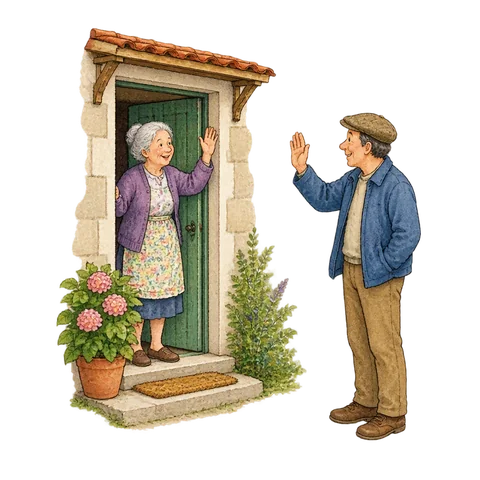
¡!
Hello!
Neutral; polite address where a person is addressed
See it in a story: A Robot's Morning (A0)
See it in a story: Making a Pizza (A0)
Source noteBuenos .
Good morning.
Neutral; polite address where a person is addressed
See it in a story: Los Colores del Mercado Benito Juárez (A1)
See it in a story: La entrevista de trabajo en una fábrica de guayaberas: ¿Cómo convencer al jefe con estilo? (A2)
Source noteBuenas .
Good afternoon.
Neutral; polite address where a person is addressed
Source noteBuenas noches.
Good evening. / Good night.
Neutral; polite address where a person is addressed
See it in a story: El Misterio de la Guitarra Perdida (A2)
See it in a story: ¿Por qué el fantasma del Palacio de Linares solo pide un café? Un encuentro nocturno en Madrid (A2)
Source note¿Cómo estás?
How are you?
Informal singular
Formal singular
See it in a story: ¿Por qué mi loro solo habla guaraní? El secreto de mi mascota bilingüe en Paraguay (A1)
See it in a story: ¿Puede la biotecnología salvar al ajolote mexicano de la extinción o se convertirá en un mito de Xochimilco? (B2)
Source noteBien, .
Fine, thank you.
Neutral; polite address where a person is addressed
Source note¿Y tú?
And you?
Informal singular
Formal singular
See it in a story: Un Cuaderno y una Llamada (A1)
See it in a story: Dos hermanos ante el Tribunal de las Aguas (B2)
Source noteHasta luego.
See you later.
Neutral; polite address where a person is addressed
Source noteHasta mañana.
See you tomorrow.
Neutral; polite address where a person is addressed
See it in a story: La carta sin abrir en una serenata de Guanajuato (B1)
Source note.
Goodbye.
Neutral; polite address where a person is addressed
See it in a story: La nota de voz que llegó después de la despedida (A1)
Source noteExplore these words: Greetings & polite phrases · Time & dates (flashcards)
Put these words into context with a story at your level.
Read Spanish storiesIntroducing yourself in Spanish
Names and origins are useful first steps; give only the details you want to share.

¿Cómo te llamas?
What is your name?
Informal singular
Formal singular
See it in a story: La moneda cosida en el uniforme de una enfermera de Teruel (B2)
Source noteMe llamo Ana.
My name is Ana.
Neutral; polite address where a person is addressed
See it in a story: Making a Pizza (A0)
See it in a story: Cada Día un Poco Más (A1)
Source noteMucho .
Pleased to meet you.
Neutral; polite address where a person is addressed
See it in a story: Mi entrevista de trabajo en una start-up de bicicletas de bambú en Medellín (A2)
Source note¿De dónde eres?
Where are you from?
Informal singular
Formal singular
See it in a story: La moneda cosida en el uniforme de una enfermera de Teruel (B2)
Source noteSoy de Canadá.
I am from Canada.
Neutral; polite address where a person is addressed
Source note¿Dónde ?
Where do you live?
Informal singular
Formal singular
Vivo en Londres.
I live in London.
Neutral; polite address where a person is addressed
Source note¿A qué te dedicas?
What do you do for work?
Informal singular
Formal singular
Soy .
I am a student.
Same noun for male and female speakers
Source noteEstoy aprendiendo .
I am learning Spanish.
Neutral; polite address where a person is addressed
Source noteExplore these words: Greetings & polite phrases · House & rooms (flashcards) · School & university (flashcards)
Put these words into context with a story at your level.
Read Spanish storiesPolite Spanish phrases for requests and replies
A short thank-you or apology can do more than a long explanation.

Por .
Please.
Neutral; polite address where a person is addressed
See it in a story: El misterio de las dos tortillas: ¿Por qué mi comida es diferente en México y España? (A1)
See it in a story: La leyenda del alux: ¿Quién esconde mis llaves en la selva de Yucatán? (A1)
Source note.
Thank you.
Neutral; polite address where a person is addressed
See it in a story: El vaso de agua (A0)
See it in a story: Cada Día un Poco Más (A1)
Source noteMuchas .
Thank you very much.
Neutral; polite address where a person is addressed
See it in a story: La Lucha Libre: Máscaras, Héroes y Villanos (B1)
Source note.
Excuse me. / Sorry.
Neutral; polite address where a person is addressed
See it in a story: ¿Quién robó el botón de la casaca de Bolívar? (A1)
See it in a story: Dos apellidos bordados en la misma pollera (A2)
Source noteLo .
I am sorry.
Neutral; polite address where a person is addressed
See it in a story: Dos mantones iguales en la verbena de San Cayetano (A1)
See it in a story: Los Colores del Mercado Benito Juárez (A1)
Source noteNo nada.
It is all right.
Neutral; polite address where a person is addressed
Source noteDe nada.
You are welcome.
Neutral; polite address where a person is addressed
Source note¿Me ?
May I? / Excuse me.
Formal singular; for passage or permission
Source note.
Of course.
Neutral; polite address where a person is addressed
See it in a story: Los Colores del Mercado Benito Juárez (A1)
See it in a story: Un Café y un Nuevo Amigo (A1)
Source noteNo, .
No, thank you.
Neutral; polite address where a person is addressed
Source noteExplore these words: Greetings & polite phrases · Emotions & feelings (flashcards)
Put these words into context with a story at your level.
Read Spanish storiesSpanish restaurant phrases and ordering food
Order clearly and state allergies directly before choosing a dish.
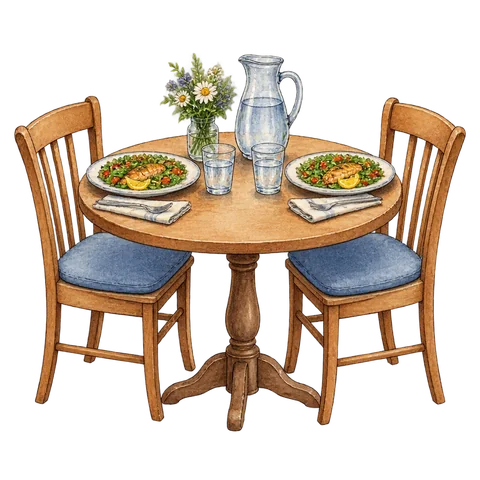
La carta, por .
The menu, please.
Spain; menú may also mean a set meal
Source noteUna para dos, por .
A table for two, please.
Neutral; polite address where a person is addressed
Source note, por .
Water, please.
Neutral; polite address where a person is addressed
Source noteUn café sin , por .
A coffee without sugar, please.
Neutral; polite address where a person is addressed
Source noteNo .
I do not eat meat.
Neutral; polite address where a person is addressed
Source noteTengo alergia a los frutos secos.
I have a nut allergy.
Neutral; polite address where a person is addressed
Source note¿Esto pica?
Is this spicy?
Neutral; polite address where a person is addressed
Source noteEstá muy .
It is delicious.
Neutral; polite address where a person is addressed
Source noteLa cuenta, por .
The bill, please.
Neutral; polite address where a person is addressed
Source note¿Me lo puede poner para llevar?
Can you pack it to take away?
Formal singular
Source noteExplore these words: Greetings & polite phrases · Food & cooking (flashcards) · Furniture (flashcards)
Put these words into context with a story at your level.
Read Spanish storiesSpanish shopping phrases and prices
Ask about price, size and payment before agreeing to buy.

¿ ?
How much does it cost?
Neutral; polite address where a person is addressed
See it in a story: Un Domingo en el Rastro de Madrid (A2)
Source noteEs demasiado .
It is too expensive.
Neutral; polite address where a person is addressed
Source note¿Tiene otra talla?
Do you have another size?
Formal singular
Source note¿Me lo puedo ?
Can I try it on?
Neutral; polite address where a person is addressed
Source note¿Puedo pagar con tarjeta?
Can I pay by card?
Neutral; polite address where a person is addressed
Source noteen efectivo.
Cash only.
Neutral; polite address where a person is addressed
Source noteMe lo llevo.
I will take it.
Neutral; polite address where a person is addressed
Source noteuna .
I need a bag.
Neutral; polite address where a person is addressed
Source note¿Me da un , por ?
Can I have a receipt, please?
Formal singular
Source noteSolo estoy mirando.
I am just looking.
Neutral; polite address where a person is addressed
Source noteExplore these words: Shopping (flashcards) · Money & banking (flashcards) · Question words
Put these words into context with a story at your level.
Read Spanish storiesSpanish travel phrases and asking for directions
Combine a destination with a direction question; repeat the answer to check it.

¿Dónde está el ?
Where is the bathroom?
Neutral; polite address where a person is addressed
Source note¿Dónde está la de tren?
Where is the railway station?
Neutral; polite address where a person is addressed
Source note¿Cómo llego al centro?
How do I get to the centre?
Neutral; polite address where a person is addressed
Source noteSiga todo .
Go straight ahead.
Formal singular
Informal singular
Gire a la .
Turn right.
Formal singular
Informal singular
Gire a la izquierda.
Turn left.
Formal singular
Informal singular
Un , por .
One ticket, please.
Spain; boleto is common in parts of Latin America
Source note¿A qué hora el ?
What time does the train leave?
Neutral; polite address where a person is addressed
Source notePare , por .
Stop here, please.
Formal singular; to a driver
Source noteMe he perdido.
I am lost.
Neutral; polite address where a person is addressed
Source noteExplore these words: Transport (flashcards) · Travel & hotels (flashcards) · Shapes, sizes & materials (flashcards)
Put these words into context with a story at your level.
Read Spanish storiesUseful Spanish phrases for hotels
A reservation, a room request and a check-out time cover many first conversations.

Tengo una .
I have a reservation.
Neutral; polite address where a person is addressed
Source note¿A de quién?
Under whose name?
Neutral; polite address where a person is addressed
Source noteA de Ana.
Under the name Ana.
Neutral; polite address where a person is addressed
Source noteuna para una noche.
I need a room for one night.
Neutral; polite address where a person is addressed
Source note¿Está el ?
Is breakfast included?
Neutral; polite address where a person is addressed
Source note¿A qué hora tengo que dejar la habitación?
What time do I need to check out?
Neutral; polite address where a person is addressed
Source note¿Dónde está el ascensor?
Where is the lift?
Neutral; polite address where a person is addressed
Source noteLa , por .
The key, please.
Neutral; polite address where a person is addressed
Source noteNo hay .
There is no hot water.
Neutral; polite address where a person is addressed
Source note¿Puedo la ?
Can I leave my suitcase here?
Neutral; polite address where a person is addressed
Source noteExplore these words: Travel & hotels (flashcards) · Meals & restaurants (flashcards) · House & rooms (flashcards)
Put these words into context with a story at your level.
Read Spanish storiesSpanish conversation phrases for small talk
Weather, free time and tomorrow’s plans help a conversation continue.

¿Qué el ?
How has your day been?
Neutral; polite address where a person is addressed
Source noteMuy bien.
Very good.
Neutral; polite address where a person is addressed
See it in a story: Mi Primera Clase de Salsa (A1)
See it in a story: ¿Qué secreto esconde la bufanda de mi abuela en la clase de baile flamenco? (A1)
Source noteHace buen .
The weather is nice today.
Neutral; polite address where a person is addressed
Source noteHace frío.
It is cold.
Neutral; polite address where a person is addressed
See it in a story: Cada Día un Poco Más (A1)
Source note¿Qué te gusta hacer?
What do you like doing?
Informal singular
Source noteMe gusta leer.
I like reading.
Neutral; polite address where a person is addressed
Source note¿Tienes tiempo?
Do you have time?
Informal singular
Source noteNos vemos mañana.
See you tomorrow.
Neutral; polite address where a person is addressed
Source note¿A qué hora ?
What time shall we meet?
Neutral; polite address where a person is addressed
Source noteA las tres.
At three o’clock.
Neutral; polite address where a person is addressed
Source noteExplore these words: Time & dates (flashcards) · Question words · Greetings & polite phrases
Put these words into context with a story at your level.
Read Spanish storiesExpressing feelings and everyday needs in Spanish
Learn short statements for your physical needs as well as emotions.

Estoy .
I am happy.
Male speaker; see variant
Female speaker
See it in a story: My Little Garden (A0)
Source noteEstoy .
I am tired.
Male speaker; see variant
Female speaker
See it in a story: Mi Primera Clase de Salsa (A1)
Source noteTengo hambre.
I am hungry.
Neutral; polite address where a person is addressed
Source notesed.
I am thirsty.
Neutral; polite address where a person is addressed
Source noteTengo frío.
I am cold.
Neutral; polite address where a person is addressed
Source noteTengo calor.
I am hot.
Neutral; polite address where a person is addressed
Source noteEstoy .
I am sad.
Neutral; polite address where a person is addressed
Source noteEstoy .
I am worried.
Male speaker; see variant
Female speaker
Te .
I love you.
Affection for a partner, family or close person
See it in a story: ¿Por qué mi loro solo habla guaraní? El secreto de mi mascota bilingüe en Paraguay (A1)
Source noteTe de menos.
I miss you.
Especially Spain; te extraño is widespread in Latin America
Source noteExplore these words: Emotions & feelings (flashcards) · Health & medicine (flashcards) · Drinks (flashcards)
Put these words into context with a story at your level.
Read Spanish storiesSpanish emergency phrases and getting help
Use short direct sentences. Point to a location or written information when words are difficult.

¡Socorro!
Help!
Urgent call
Source noteun .
I need a doctor.
Neutral; polite address where a person is addressed
Source note¡Llame a una !
Call an ambulance!
Formal singular
Source note¡Llame a la !
Call the police!
Formal singular
Source note¿Dónde está el ?
Where is the hospital?
Neutral; polite address where a person is addressed
Source noteNo me encuentro bien.
I do not feel well.
Neutral; polite address where a person is addressed
Source noteMe la .
My head hurts.
Neutral; polite address where a person is addressed
Source noteHe perdido el .
I have lost my passport.
Neutral; polite address where a person is addressed
Source noteDéjeme en paz.
Leave me alone.
Formal singular; firm request
Source noteEs .
It is urgent.
Neutral; polite address where a person is addressed
Source noteExplore these words: Health & medicine (flashcards) · Jobs & work (flashcards) · Emergencies & safety (flashcards)
Put these words into context with a story at your level.
Read Spanish storiesSpanish phrases for phone calls and messages
Confirm whether the other person can hear you and when you will reply.
¿Diga?
Hello?
Answering the phone; Spain
See it in a story: El último casete del Picó Africano de Barranquilla (B2)
Source note¿Me oyes?
Can you hear me?
Informal singular
Formal singular
No te oigo.
I cannot hear you.
Informal singular
Source noteHay poca cobertura.
There is poor mobile reception.
Neutral; polite address where a person is addressed
Source noteTe luego.
I will call you later.
Informal singular
Source noteEscríbeme, por .
Write to me, please.
Informal singular
Source noteMándame la .
Send me the address.
Informal singular
Source noteTe he un .
I have sent you a message.
Informal singular
Source note¿Te ha mi mensaje?
Did my message arrive?
Informal singular
Source noteTe contesto más .
I will reply to you later.
Informal singular
Source noteExplore these words: Technology & phones (flashcards) · Greetings & polite phrases · City & places (flashcards)
Put these words into context with a story at your level.
Read Spanish storiesSpanish classroom phrases and language learning
Asking for repetition is part of speaking a language, not a failure.

No entiendo.
I do not understand.
Neutral; polite address where a person is addressed
See it in a story: ¿Por qué mi loro solo habla guaraní? El secreto de mi mascota bilingüe en Paraguay (A1)
See it in a story: ¿Por qué un robot quiere ser monje en el Monasterio de Silos? Un encuentro entre tecnología y canto gregoriano (A2)
Source note¿Puede repetirlo, por ?
Could you repeat that, please?
Formal singular
Informal singular
Más , por .
More slowly, please.
Neutral; polite address where a person is addressed
Source note¿Qué significa esto?
What does this mean?
Neutral; polite address where a person is addressed
Source note¿Cómo se escribe esta palabra?
How is this word written?
Neutral; polite address where a person is addressed
Source note¿Cómo se esto en español?
How do you say this in Spanish?
Neutral; polite address where a person is addressed
Source note¿Puedo una pregunta?
May I ask a question?
Neutral; polite address where a person is addressed
Source noteTengo una .
I have a question.
Neutral; polite address where a person is addressed
Source noteAhora entiendo.
Now I understand.
Neutral; polite address where a person is addressed
See it in a story: Mi primera vez escuchando cumbia: ¿Cómo me hizo bailar un ritmo colombiano? (A1)
See it in a story: ¿Por qué el burro de mi vecino baila flamenco? Un día en la granja de Andalucía (A1)
Source notepor la ayuda.
Thank you for your help.
Neutral; polite address where a person is addressed
Source noteExplore these words: Greetings & polite phrases · Question words
Put these words into context with a story at your level.
Read Spanish storiesTurn a list into a conversation
- Choose one situation and learn three phrases that you can use today.
- Read the dialogue as A, then repeat it as B. Pause before checking the translation.
- Change one detail, such as a name, drink or destination, while keeping the same sentence pattern.
- Find a story at your level and notice who speaks politely, who speaks casually and how the other person answers.
Spanish common phrases: frequently asked questions
Which Spanish phrases should I learn first?
Start with hello, please, thank you, I do not understand and I need help. Add the phrases from the situation you will face next.
How many Spanish phrases should I study each day?
Five useful phrases are a manageable starting point. Reuse yesterday’s phrases in a short exchange before adding new ones.
Should I memorise full sentences?
Learn a complete phrase first so that you can use it immediately. Then notice the words that can change, such as a destination or an item you want.
How can I practise without a partner?
Take both parts of the dialogues. Read one turn, cover the next turn and try to answer before looking.
Can I use these phrases while travelling?
Yes: the food, hotel, shopping and transport sections are designed for common travel situations. A reply may be longer than your question, so learn how to ask for repetition too.
What should I do when I do not understand the answer?
Say that you do not understand, ask the person to speak more slowly and ask them to write the important word or place name. Avoid pretending to understand directions or urgent information.
Should I use tú or usted?
Tú is familiar singular address; usted is more formal. Regional habits differ, so usted is a useful respectful starting point with an unfamiliar adult. The verb changes as well as the pronoun.
Which Spanish accent do the recordings use?
The recordings use Spanish from Spain (es-ES), consistently distinguishing z and c before e/i from s. The phrases are broadly usable, with regional vocabulary labeled when needed.
Make these words part of your day
Explore Spanish stories, listen along, and save vocabulary as you go.
Find a story at your levelSources and verification
English translations and examples were written for this guide. Source notes distinguish documented expressions, original practice sentences, and literary quotations. Literary excerpts retain the language of their original period.
- Omniglot: useful Spanish phrases — Reference for conventional greetings, politeness and personal questions; additional productive sentences and all dialogues are original editorial compositions.
Source notes for all 120 entries
- ¡Hola!: A conventional phrase or original sentence built from standard language patterns; see the reference for the relevant greeting, request or question construction. [phrase-reference]
- Buenos días.: A conventional phrase or original sentence built from standard language patterns; see the reference for the relevant greeting, request or question construction. [phrase-reference]
- Buenas tardes.: A conventional phrase or original sentence built from standard language patterns; see the reference for the relevant greeting, request or question construction. [phrase-reference]
- Buenas noches.: A conventional phrase or original sentence built from standard language patterns; see the reference for the relevant greeting, request or question construction. [phrase-reference]
- ¿Cómo estás?: A conventional phrase or original sentence built from standard language patterns; see the reference for the relevant greeting, request or question construction. [phrase-reference]
- Bien, gracias.: A conventional phrase or original sentence built from standard language patterns; see the reference for the relevant greeting, request or question construction. [phrase-reference]
- ¿Y tú?: A conventional phrase or original sentence built from standard language patterns; see the reference for the relevant greeting, request or question construction. [phrase-reference]
- Hasta luego.: A conventional phrase or original sentence built from standard language patterns; see the reference for the relevant greeting, request or question construction. [phrase-reference]
- Hasta mañana.: A conventional phrase or original sentence built from standard language patterns; see the reference for the relevant greeting, request or question construction. [phrase-reference]
- Adiós.: A conventional phrase or original sentence built from standard language patterns; see the reference for the relevant greeting, request or question construction. [phrase-reference]
- ¿Cómo te llamas?: A conventional phrase or original sentence built from standard language patterns; see the reference for the relevant greeting, request or question construction. [phrase-reference]
- Me llamo Ana.: A conventional phrase or original sentence built from standard language patterns; see the reference for the relevant greeting, request or question construction. [phrase-reference]
- Mucho gusto.: A conventional phrase or original sentence built from standard language patterns; see the reference for the relevant greeting, request or question construction. [phrase-reference]
- ¿De dónde eres?: A conventional phrase or original sentence built from standard language patterns; see the reference for the relevant greeting, request or question construction. [phrase-reference]
- Soy de Canadá.: A conventional phrase or original sentence built from standard language patterns; see the reference for the relevant greeting, request or question construction. [phrase-reference]
- ¿Dónde vives?: A conventional phrase or original sentence built from standard language patterns; see the reference for the relevant greeting, request or question construction. [phrase-reference]
- Vivo en Londres.: A conventional phrase or original sentence built from standard language patterns; see the reference for the relevant greeting, request or question construction. [phrase-reference]
- ¿A qué te dedicas?: A conventional phrase or original sentence built from standard language patterns; see the reference for the relevant greeting, request or question construction. [phrase-reference]
- Soy estudiante.: A conventional phrase or original sentence built from standard language patterns; see the reference for the relevant greeting, request or question construction. [phrase-reference]
- Estoy aprendiendo español.: A conventional phrase or original sentence built from standard language patterns; see the reference for the relevant greeting, request or question construction. [phrase-reference]
- Por favor.: A conventional phrase or original sentence built from standard language patterns; see the reference for the relevant greeting, request or question construction. [phrase-reference]
- Gracias.: A conventional phrase or original sentence built from standard language patterns; see the reference for the relevant greeting, request or question construction. [phrase-reference]
- Muchas gracias.: A conventional phrase or original sentence built from standard language patterns; see the reference for the relevant greeting, request or question construction. [phrase-reference]
- Perdón.: A conventional phrase or original sentence built from standard language patterns; see the reference for the relevant greeting, request or question construction. [phrase-reference]
- Lo siento.: A conventional phrase or original sentence built from standard language patterns; see the reference for the relevant greeting, request or question construction. [phrase-reference]
- No pasa nada.: A conventional phrase or original sentence built from standard language patterns; see the reference for the relevant greeting, request or question construction. [phrase-reference]
- De nada.: A conventional phrase or original sentence built from standard language patterns; see the reference for the relevant greeting, request or question construction. [phrase-reference]
- ¿Me permite?: A conventional phrase or original sentence built from standard language patterns; see the reference for the relevant greeting, request or question construction. [phrase-reference]
- Claro.: A conventional phrase or original sentence built from standard language patterns; see the reference for the relevant greeting, request or question construction. [phrase-reference]
- No, gracias.: A conventional phrase or original sentence built from standard language patterns; see the reference for the relevant greeting, request or question construction. [phrase-reference]
- La carta, por favor.: A conventional phrase or original sentence built from standard language patterns; see the reference for the relevant greeting, request or question construction. [phrase-reference]
- Una mesa para dos, por favor.: A conventional phrase or original sentence built from standard language patterns; see the reference for the relevant greeting, request or question construction. [phrase-reference]
- Agua, por favor.: A conventional phrase or original sentence built from standard language patterns; see the reference for the relevant greeting, request or question construction. [phrase-reference]
- Un café sin azúcar, por favor.: A conventional phrase or original sentence built from standard language patterns; see the reference for the relevant greeting, request or question construction. [phrase-reference]
- No como carne.: A conventional phrase or original sentence built from standard language patterns; see the reference for the relevant greeting, request or question construction. [phrase-reference]
- Tengo alergia a los frutos secos.: A conventional phrase or original sentence built from standard language patterns; see the reference for the relevant greeting, request or question construction. [phrase-reference]
- ¿Esto pica?: A conventional phrase or original sentence built from standard language patterns; see the reference for the relevant greeting, request or question construction. [phrase-reference]
- Está muy rico.: A conventional phrase or original sentence built from standard language patterns; see the reference for the relevant greeting, request or question construction. [phrase-reference]
- La cuenta, por favor.: A conventional phrase or original sentence built from standard language patterns; see the reference for the relevant greeting, request or question construction. [phrase-reference]
- ¿Me lo puede poner para llevar?: A conventional phrase or original sentence built from standard language patterns; see the reference for the relevant greeting, request or question construction. [phrase-reference]
- ¿Cuánto cuesta?: A conventional phrase or original sentence built from standard language patterns; see the reference for the relevant greeting, request or question construction. [phrase-reference]
- Es demasiado caro.: A conventional phrase or original sentence built from standard language patterns; see the reference for the relevant greeting, request or question construction. [phrase-reference]
- ¿Tiene otra talla?: A conventional phrase or original sentence built from standard language patterns; see the reference for the relevant greeting, request or question construction. [phrase-reference]
- ¿Me lo puedo probar?: A conventional phrase or original sentence built from standard language patterns; see the reference for the relevant greeting, request or question construction. [phrase-reference]
- ¿Puedo pagar con tarjeta?: A conventional phrase or original sentence built from standard language patterns; see the reference for the relevant greeting, request or question construction. [phrase-reference]
- Solo en efectivo.: A conventional phrase or original sentence built from standard language patterns; see the reference for the relevant greeting, request or question construction. [phrase-reference]
- Me lo llevo.: A conventional phrase or original sentence built from standard language patterns; see the reference for the relevant greeting, request or question construction. [phrase-reference]
- Necesito una bolsa.: A conventional phrase or original sentence built from standard language patterns; see the reference for the relevant greeting, request or question construction. [phrase-reference]
- ¿Me da un recibo, por favor?: A conventional phrase or original sentence built from standard language patterns; see the reference for the relevant greeting, request or question construction. [phrase-reference]
- Solo estoy mirando.: A conventional phrase or original sentence built from standard language patterns; see the reference for the relevant greeting, request or question construction. [phrase-reference]
- ¿Dónde está el baño?: A conventional phrase or original sentence built from standard language patterns; see the reference for the relevant greeting, request or question construction. [phrase-reference]
- ¿Dónde está la estación de tren?: A conventional phrase or original sentence built from standard language patterns; see the reference for the relevant greeting, request or question construction. [phrase-reference]
- ¿Cómo llego al centro?: A conventional phrase or original sentence built from standard language patterns; see the reference for the relevant greeting, request or question construction. [phrase-reference]
- Siga todo recto.: A conventional phrase or original sentence built from standard language patterns; see the reference for the relevant greeting, request or question construction. [phrase-reference]
- Gire a la derecha.: A conventional phrase or original sentence built from standard language patterns; see the reference for the relevant greeting, request or question construction. [phrase-reference]
- Gire a la izquierda.: A conventional phrase or original sentence built from standard language patterns; see the reference for the relevant greeting, request or question construction. [phrase-reference]
- Un billete, por favor.: A conventional phrase or original sentence built from standard language patterns; see the reference for the relevant greeting, request or question construction. [phrase-reference]
- ¿A qué hora sale el tren?: A conventional phrase or original sentence built from standard language patterns; see the reference for the relevant greeting, request or question construction. [phrase-reference]
- Pare aquí, por favor.: A conventional phrase or original sentence built from standard language patterns; see the reference for the relevant greeting, request or question construction. [phrase-reference]
- Me he perdido.: A conventional phrase or original sentence built from standard language patterns; see the reference for the relevant greeting, request or question construction. [phrase-reference]
- Tengo una reserva.: A conventional phrase or original sentence built from standard language patterns; see the reference for the relevant greeting, request or question construction. [phrase-reference]
- ¿A nombre de quién?: A conventional phrase or original sentence built from standard language patterns; see the reference for the relevant greeting, request or question construction. [phrase-reference]
- A nombre de Ana.: A conventional phrase or original sentence built from standard language patterns; see the reference for the relevant greeting, request or question construction. [phrase-reference]
- Necesito una habitación para una noche.: A conventional phrase or original sentence built from standard language patterns; see the reference for the relevant greeting, request or question construction. [phrase-reference]
- ¿Está incluido el desayuno?: A conventional phrase or original sentence built from standard language patterns; see the reference for the relevant greeting, request or question construction. [phrase-reference]
- ¿A qué hora tengo que dejar la habitación?: A conventional phrase or original sentence built from standard language patterns; see the reference for the relevant greeting, request or question construction. [phrase-reference]
- ¿Dónde está el ascensor?: A conventional phrase or original sentence built from standard language patterns; see the reference for the relevant greeting, request or question construction. [phrase-reference]
- La llave, por favor.: A conventional phrase or original sentence built from standard language patterns; see the reference for the relevant greeting, request or question construction. [phrase-reference]
- No hay agua caliente.: A conventional phrase or original sentence built from standard language patterns; see the reference for the relevant greeting, request or question construction. [phrase-reference]
- ¿Puedo dejar aquí la maleta?: A conventional phrase or original sentence built from standard language patterns; see the reference for the relevant greeting, request or question construction. [phrase-reference]
- ¿Qué tal el día?: A conventional phrase or original sentence built from standard language patterns; see the reference for the relevant greeting, request or question construction. [phrase-reference]
- Muy bien.: A conventional phrase or original sentence built from standard language patterns; see the reference for the relevant greeting, request or question construction. [phrase-reference]
- Hace buen tiempo hoy.: A conventional phrase or original sentence built from standard language patterns; see the reference for the relevant greeting, request or question construction. [phrase-reference]
- Hace frío.: A conventional phrase or original sentence built from standard language patterns; see the reference for the relevant greeting, request or question construction. [phrase-reference]
- ¿Qué te gusta hacer?: A conventional phrase or original sentence built from standard language patterns; see the reference for the relevant greeting, request or question construction. [phrase-reference]
- Me gusta leer.: A conventional phrase or original sentence built from standard language patterns; see the reference for the relevant greeting, request or question construction. [phrase-reference]
- ¿Tienes tiempo?: A conventional phrase or original sentence built from standard language patterns; see the reference for the relevant greeting, request or question construction. [phrase-reference]
- Nos vemos mañana.: A conventional phrase or original sentence built from standard language patterns; see the reference for the relevant greeting, request or question construction. [phrase-reference]
- ¿A qué hora quedamos?: A conventional phrase or original sentence built from standard language patterns; see the reference for the relevant greeting, request or question construction. [phrase-reference]
- A las tres.: A conventional phrase or original sentence built from standard language patterns; see the reference for the relevant greeting, request or question construction. [phrase-reference]
- Estoy contento.: A conventional phrase or original sentence built from standard language patterns; see the reference for the relevant greeting, request or question construction. [phrase-reference]
- Estoy cansado.: A conventional phrase or original sentence built from standard language patterns; see the reference for the relevant greeting, request or question construction. [phrase-reference]
- Tengo hambre.: A conventional phrase or original sentence built from standard language patterns; see the reference for the relevant greeting, request or question construction. [phrase-reference]
- Tengo sed.: A conventional phrase or original sentence built from standard language patterns; see the reference for the relevant greeting, request or question construction. [phrase-reference]
- Tengo frío.: A conventional phrase or original sentence built from standard language patterns; see the reference for the relevant greeting, request or question construction. [phrase-reference]
- Tengo calor.: A conventional phrase or original sentence built from standard language patterns; see the reference for the relevant greeting, request or question construction. [phrase-reference]
- Estoy triste.: A conventional phrase or original sentence built from standard language patterns; see the reference for the relevant greeting, request or question construction. [phrase-reference]
- Estoy preocupado.: A conventional phrase or original sentence built from standard language patterns; see the reference for the relevant greeting, request or question construction. [phrase-reference]
- Te quiero.: A conventional phrase or original sentence built from standard language patterns; see the reference for the relevant greeting, request or question construction. [phrase-reference]
- Te echo de menos.: A conventional phrase or original sentence built from standard language patterns; see the reference for the relevant greeting, request or question construction. [phrase-reference]
- ¡Socorro!: A conventional phrase or original sentence built from standard language patterns; see the reference for the relevant greeting, request or question construction. [phrase-reference]
- Necesito un médico.: A conventional phrase or original sentence built from standard language patterns; see the reference for the relevant greeting, request or question construction. [phrase-reference]
- ¡Llame a una ambulancia!: A conventional phrase or original sentence built from standard language patterns; see the reference for the relevant greeting, request or question construction. [phrase-reference]
- ¡Llame a la policía!: A conventional phrase or original sentence built from standard language patterns; see the reference for the relevant greeting, request or question construction. [phrase-reference]
- ¿Dónde está el hospital?: A conventional phrase or original sentence built from standard language patterns; see the reference for the relevant greeting, request or question construction. [phrase-reference]
- No me encuentro bien.: A conventional phrase or original sentence built from standard language patterns; see the reference for the relevant greeting, request or question construction. [phrase-reference]
- Me duele la cabeza.: A conventional phrase or original sentence built from standard language patterns; see the reference for the relevant greeting, request or question construction. [phrase-reference]
- He perdido el pasaporte.: A conventional phrase or original sentence built from standard language patterns; see the reference for the relevant greeting, request or question construction. [phrase-reference]
- Déjeme en paz.: A conventional phrase or original sentence built from standard language patterns; see the reference for the relevant greeting, request or question construction. [phrase-reference]
- Es urgente.: A conventional phrase or original sentence built from standard language patterns; see the reference for the relevant greeting, request or question construction. [phrase-reference]
- ¿Diga?: A conventional phrase or original sentence built from standard language patterns; see the reference for the relevant greeting, request or question construction. [phrase-reference]
- ¿Me oyes?: A conventional phrase or original sentence built from standard language patterns; see the reference for the relevant greeting, request or question construction. [phrase-reference]
- No te oigo.: A conventional phrase or original sentence built from standard language patterns; see the reference for the relevant greeting, request or question construction. [phrase-reference]
- Hay poca cobertura.: A conventional phrase or original sentence built from standard language patterns; see the reference for the relevant greeting, request or question construction. [phrase-reference]
- Te llamo luego.: A conventional phrase or original sentence built from standard language patterns; see the reference for the relevant greeting, request or question construction. [phrase-reference]
- Escríbeme, por favor.: A conventional phrase or original sentence built from standard language patterns; see the reference for the relevant greeting, request or question construction. [phrase-reference]
- Mándame la dirección.: A conventional phrase or original sentence built from standard language patterns; see the reference for the relevant greeting, request or question construction. [phrase-reference]
- Te he enviado un mensaje.: A conventional phrase or original sentence built from standard language patterns; see the reference for the relevant greeting, request or question construction. [phrase-reference]
- ¿Te ha llegado mi mensaje?: A conventional phrase or original sentence built from standard language patterns; see the reference for the relevant greeting, request or question construction. [phrase-reference]
- Te contesto más tarde.: A conventional phrase or original sentence built from standard language patterns; see the reference for the relevant greeting, request or question construction. [phrase-reference]
- No entiendo.: A conventional phrase or original sentence built from standard language patterns; see the reference for the relevant greeting, request or question construction. [phrase-reference]
- ¿Puede repetirlo, por favor?: A conventional phrase or original sentence built from standard language patterns; see the reference for the relevant greeting, request or question construction. [phrase-reference]
- Más despacio, por favor.: A conventional phrase or original sentence built from standard language patterns; see the reference for the relevant greeting, request or question construction. [phrase-reference]
- ¿Qué significa esto?: A conventional phrase or original sentence built from standard language patterns; see the reference for the relevant greeting, request or question construction. [phrase-reference]
- ¿Cómo se escribe esta palabra?: A conventional phrase or original sentence built from standard language patterns; see the reference for the relevant greeting, request or question construction. [phrase-reference]
- ¿Cómo se dice esto en español?: A conventional phrase or original sentence built from standard language patterns; see the reference for the relevant greeting, request or question construction. [phrase-reference]
- ¿Puedo hacer una pregunta?: A conventional phrase or original sentence built from standard language patterns; see the reference for the relevant greeting, request or question construction. [phrase-reference]
- Tengo una pregunta.: A conventional phrase or original sentence built from standard language patterns; see the reference for the relevant greeting, request or question construction. [phrase-reference]
- Ahora entiendo.: A conventional phrase or original sentence built from standard language patterns; see the reference for the relevant greeting, request or question construction. [phrase-reference]
- Gracias por la ayuda.: A conventional phrase or original sentence built from standard language patterns; see the reference for the relevant greeting, request or question construction. [phrase-reference]