100 Spanish Idioms, Expressions & Sayings You Need to Know
A Spanish idiom is an expression whose meaning cannot be worked out from the individual words — costar un ojo de la cara means “to be very expensive,” not anything about eyes. Below are 100 of them, grouped by theme, with literal translations, real meanings, example sentences, audio and regional notes.
100 idioms + 10 proverbsLast updated
Spanish starts getting really interesting when the words stop meaning exactly what they say.
If someone tells you something cuesta un ojo de la cara, nobody is asking you to pay with an eye. If your friend is en las nubes, they are not floating through the sky. And when someone tells you to ponerte las pilas, you probably do not need batteries.
These are idioms: expressions whose real meaning cannot always be understood by translating every word literally.
Learning them matters because native Spanish speakers use expressions like these constantly — in conversations, movies, books, social media, and everyday stories.
This guide covers 100 useful Spanish idioms, colloquial expressions, and traditional sayings, with their literal translation, what they actually mean, examples in natural Spanish, regional notes where relevant, and English equivalents when one exists.
20 essential Spanish idioms to learn first
If you do not want to learn 100 at once, start with these:
| Spanish | Meaning |
|---|---|
| Costar un ojo de la cara | To cost an arm and a leg |
| Estar en las nubes | To be daydreaming |
| Echar una mano | To lend a hand |
| Dar en el clavo | To hit the nail on the head |
| Meter la pata | To mess up |
| Tomar el pelo | To pull someone's leg |
| Ponerse las pilas | To get your act together |
| Hablar por los codos | To talk a lot |
| Tirar la toalla | To give up |
| Ser pan comido | To be very easy |
| Irse por las ramas | To beat around the bush |
| Hacer la vista gorda | To turn a blind eye |
| Buscar una aguja en un pajar | To look for a needle in a haystack |
| Ahogarse en un vaso de agua | To make a huge problem out of something small |
| Estar entre la espada y la pared | To be between a rock and a hard place |
| Romper el hielo | To break the ice |
| Echar leña al fuego | To add fuel to the fire |
| Estar como una cabra | To be crazy |
| Más vale tarde que nunca | Better late than never |
| De tal palo, tal astilla | Like father, like son |
Now let’s look at them properly.
Essential everyday Spanish idioms
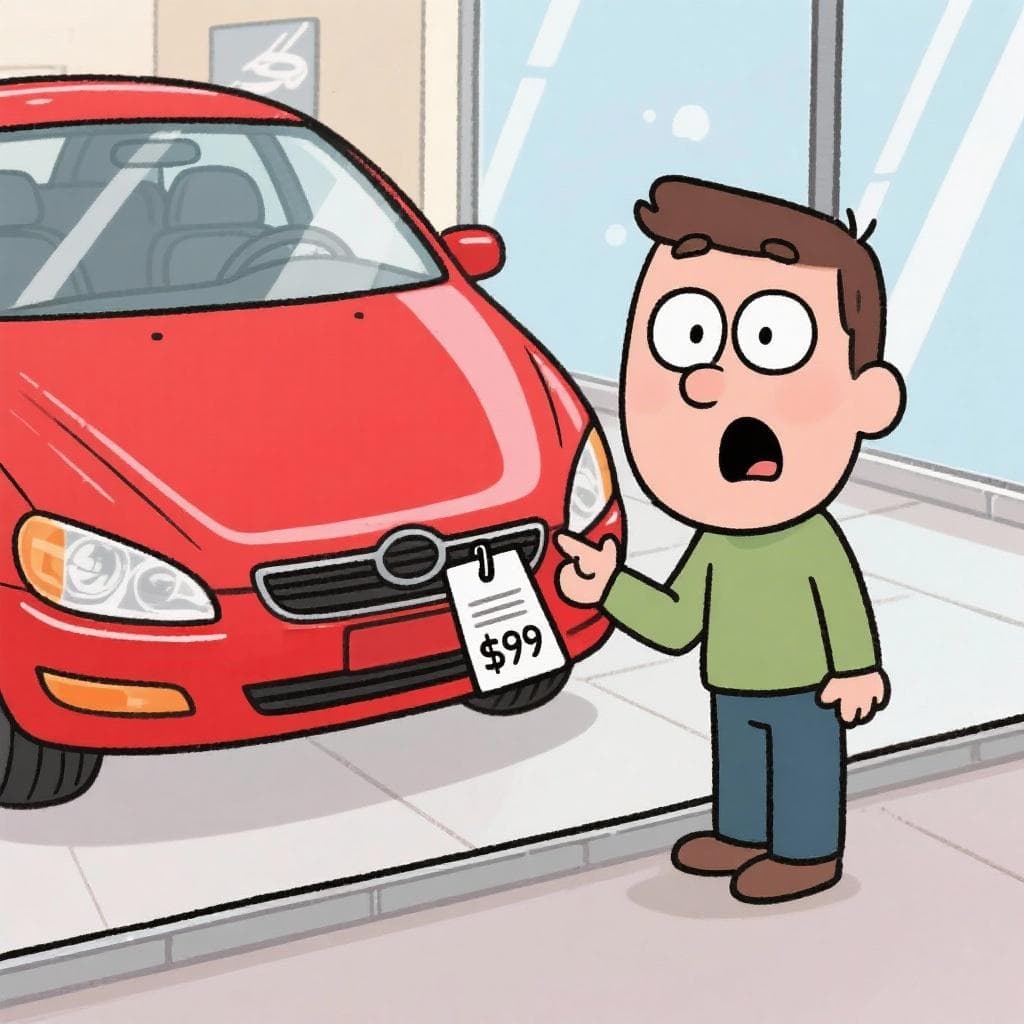
1. Costar un ojo de la cara
kos-TAR oon OH-kho deh la KAH-rah
- Literal
- To cost an eye from your face
- Meaning
- To be extremely expensive
- English
- To cost an arm and a leg
This is one of the most recognizable Spanish idioms and can be used throughout the Spanish-speaking world.
2. Estar en las nubes
es-TAR en las NOO-bes
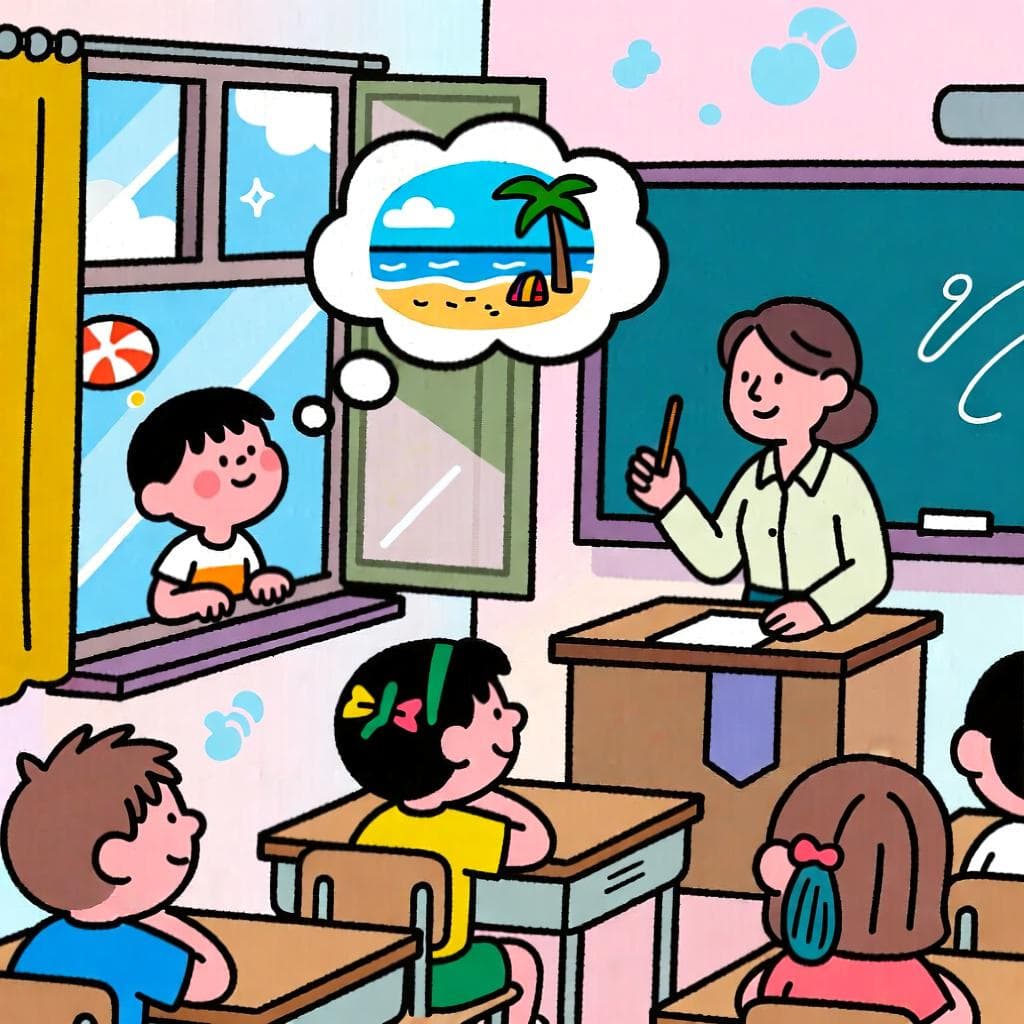
- Literal
- To be in the clouds
- Meaning
- To be distracted or daydreaming
3. Echar una mano
eh-CHAR OO-nah MAH-noh
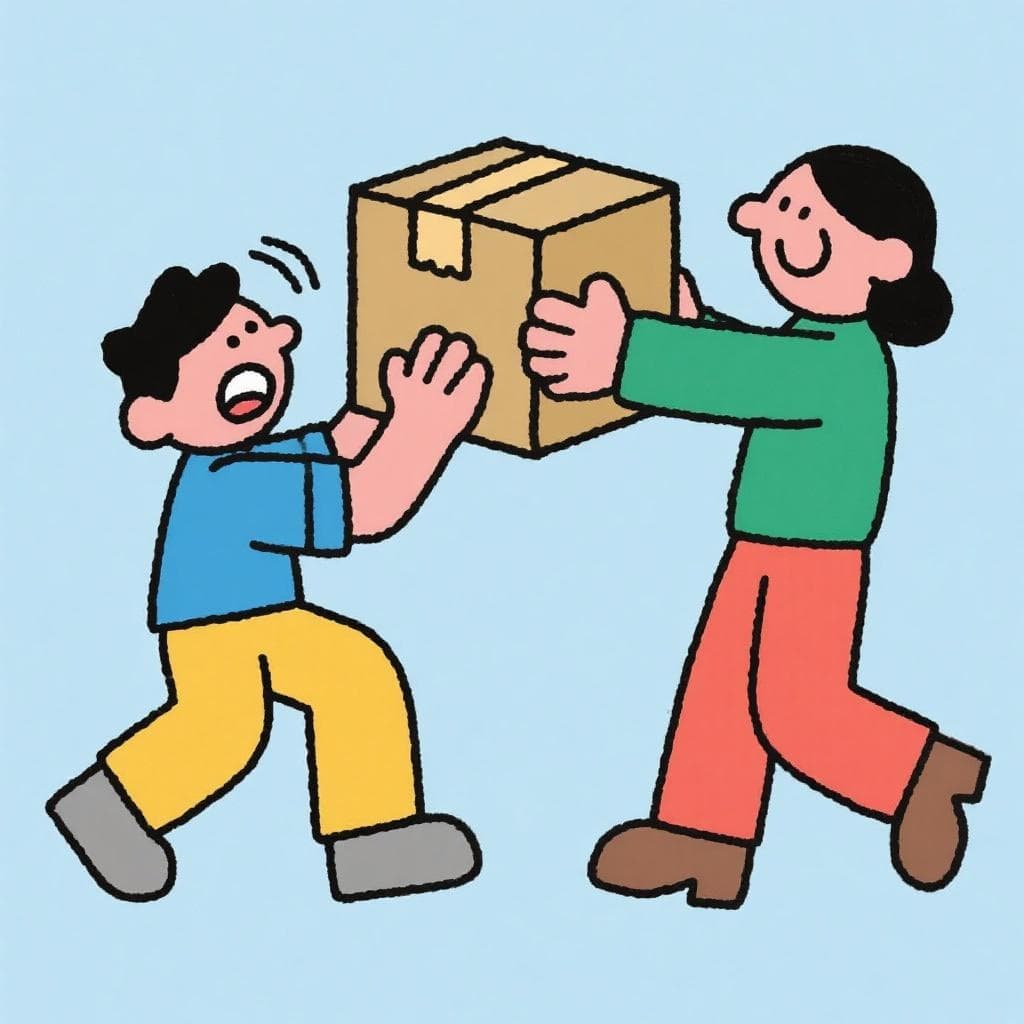
- Literal
- To throw a hand
- Meaning
- To help someone
- English
- To lend a hand
4. Dar en el clavo
dar en el KLAH-boh
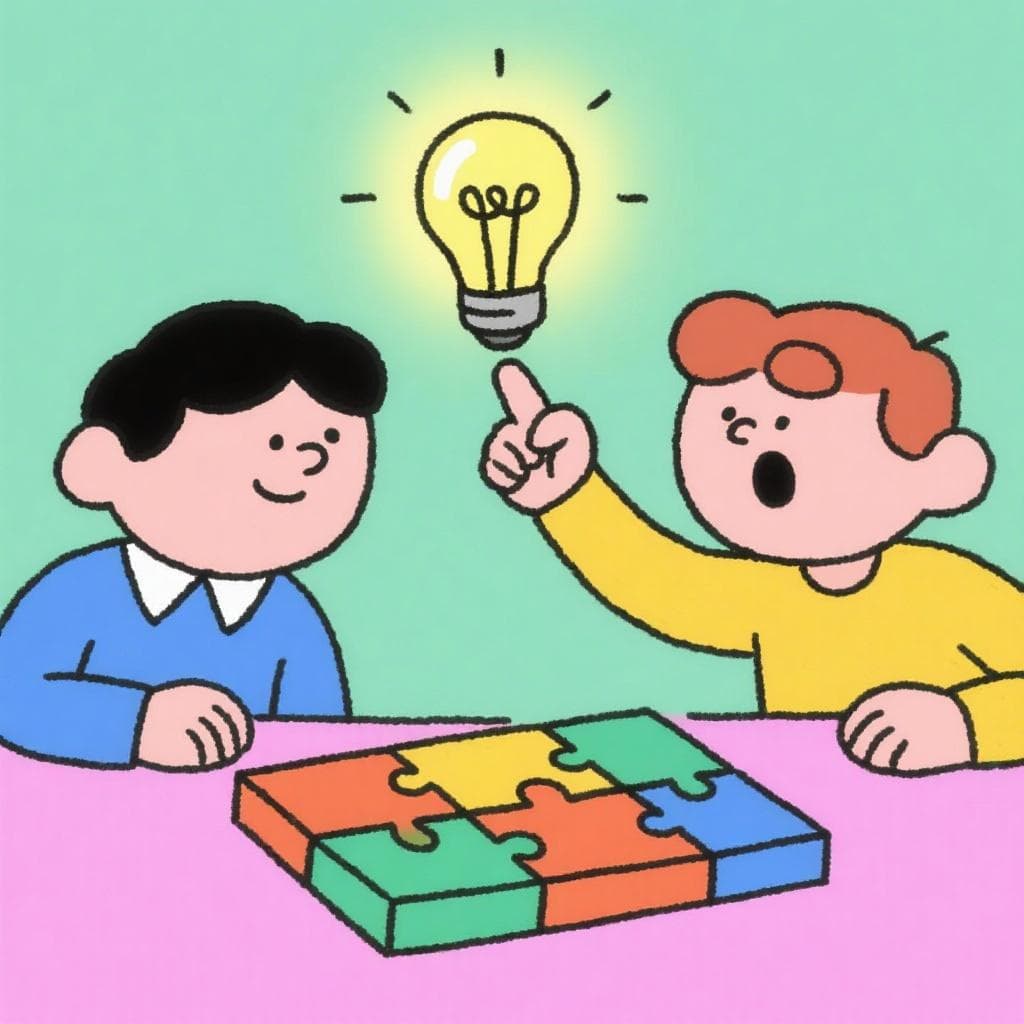
- Literal
- To hit the nail
- Meaning
- To be exactly right
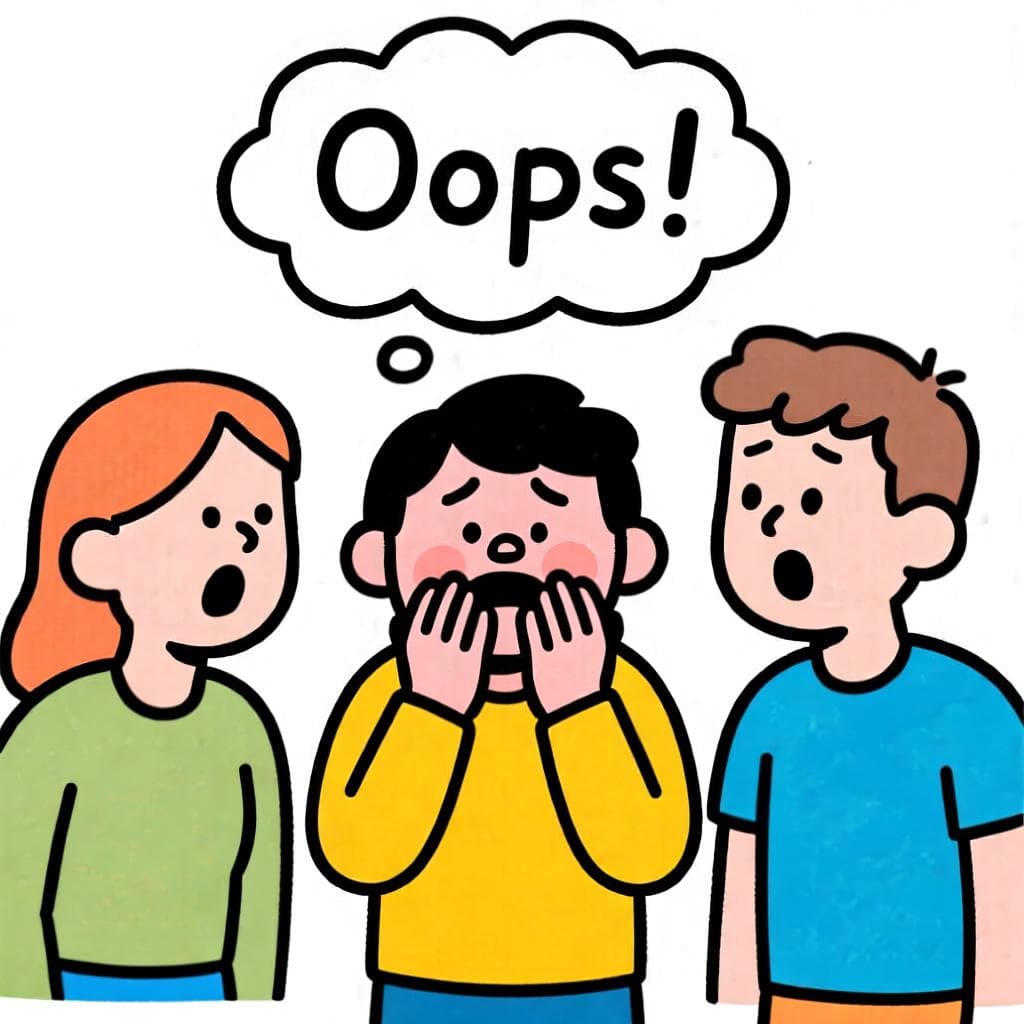
5. Meter la pata
meh-TEHR lah PAH-tah
- Literal
- To put the leg/paw in
- Meaning
- To make a mistake or say something embarrassing
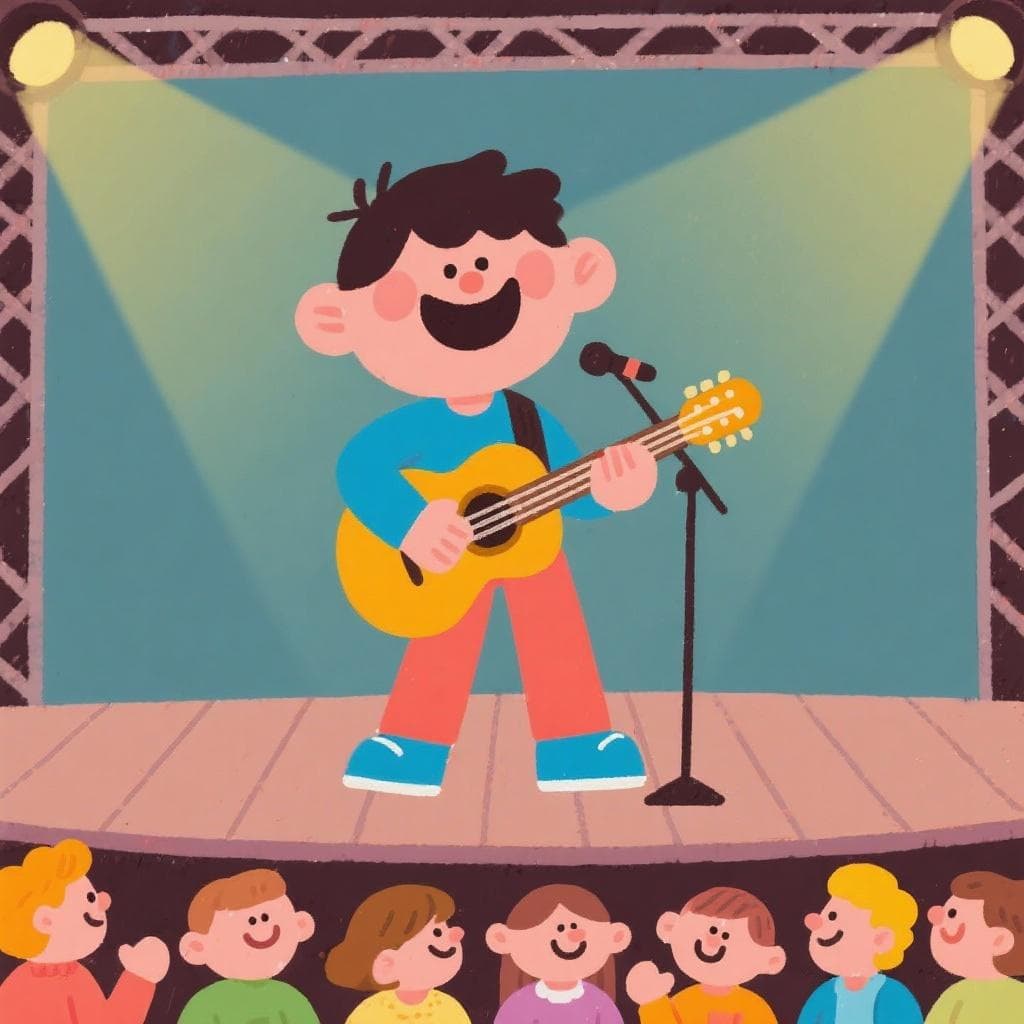
6. Estar como pez en el agua
es-TAR KOH-moh PETH en el AH-gwah
- Literal
- To be like a fish in water
- Meaning
- To feel completely comfortable in a situation
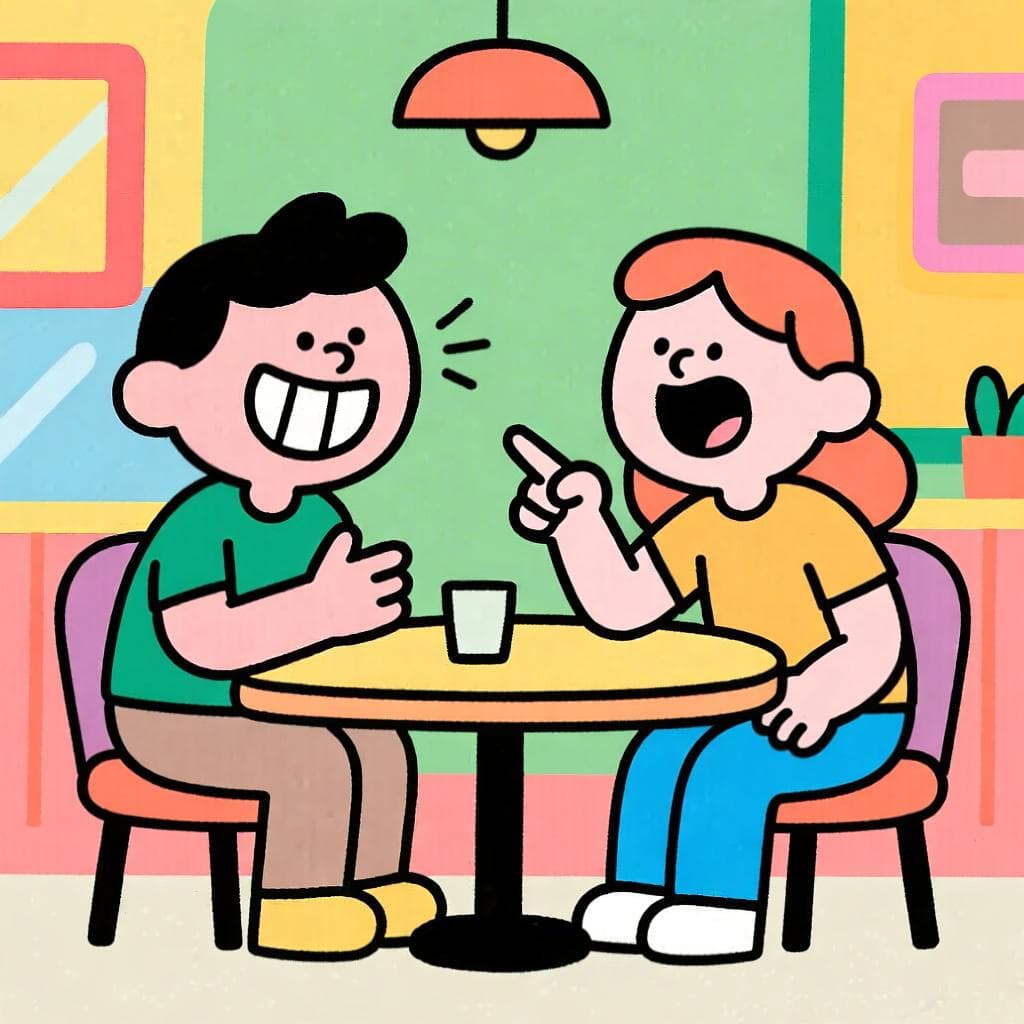
7. Tomar el pelo
toh-MAR el PEH-loh
- Literal
- To take someone's hair
- Meaning
- To tease or trick someone
- English
- To pull someone's leg
8. Ponerse las pilas
poh-NER-seh las PEE-las
- Literal
- To put in the batteries
- Meaning
- To become more energetic, focused, or productive

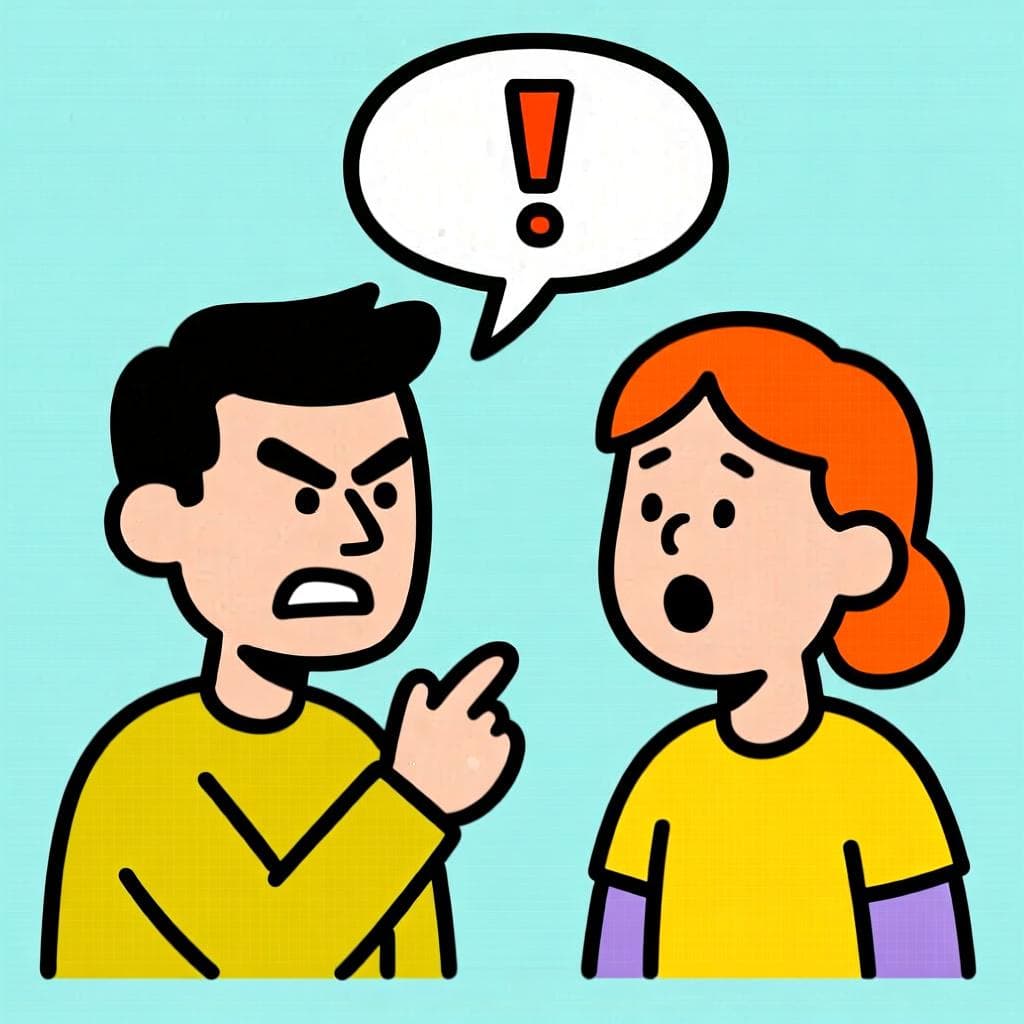
9. No tener pelos en la lengua
noh teh-NEHR PEH-lohs ehn lah LEHN-gwah
- Literal
- To have no hairs on your tongue
- Meaning
- To speak very directly without holding back
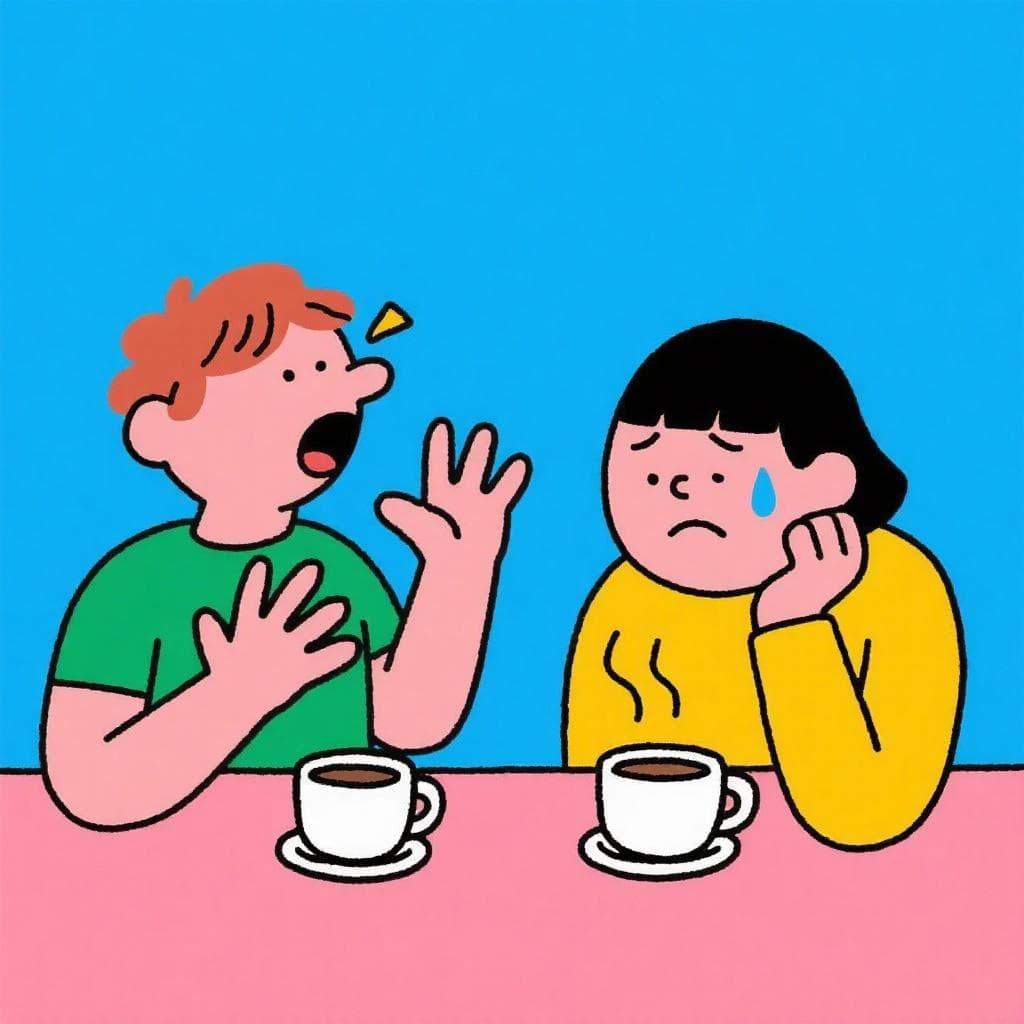
10. Hablar por los codos
ah-BLAR por los KOH-dohs
- Literal
- To talk through your elbows
- Meaning
- To talk a lot
Spanish idioms about difficulty, mistakes, and problems
11. Quedarse de piedra
- Literal
- To turn to stone
- Meaning
- To be stunned or shocked
12. Tirar la toalla
- Literal
- To throw in the towel
- Meaning
- To give up
13. Ser pan comido
sehr pahn koh-MEE-doh
- Literal
- To be eaten bread
- Meaning
- To be extremely easy
- English
- To be a piece of cake
14. Estar hasta las narices
es-TAR AS-tah las nah-REE-thes
- Literal
- To be up to your nostrils
- Meaning
- To be completely fed up

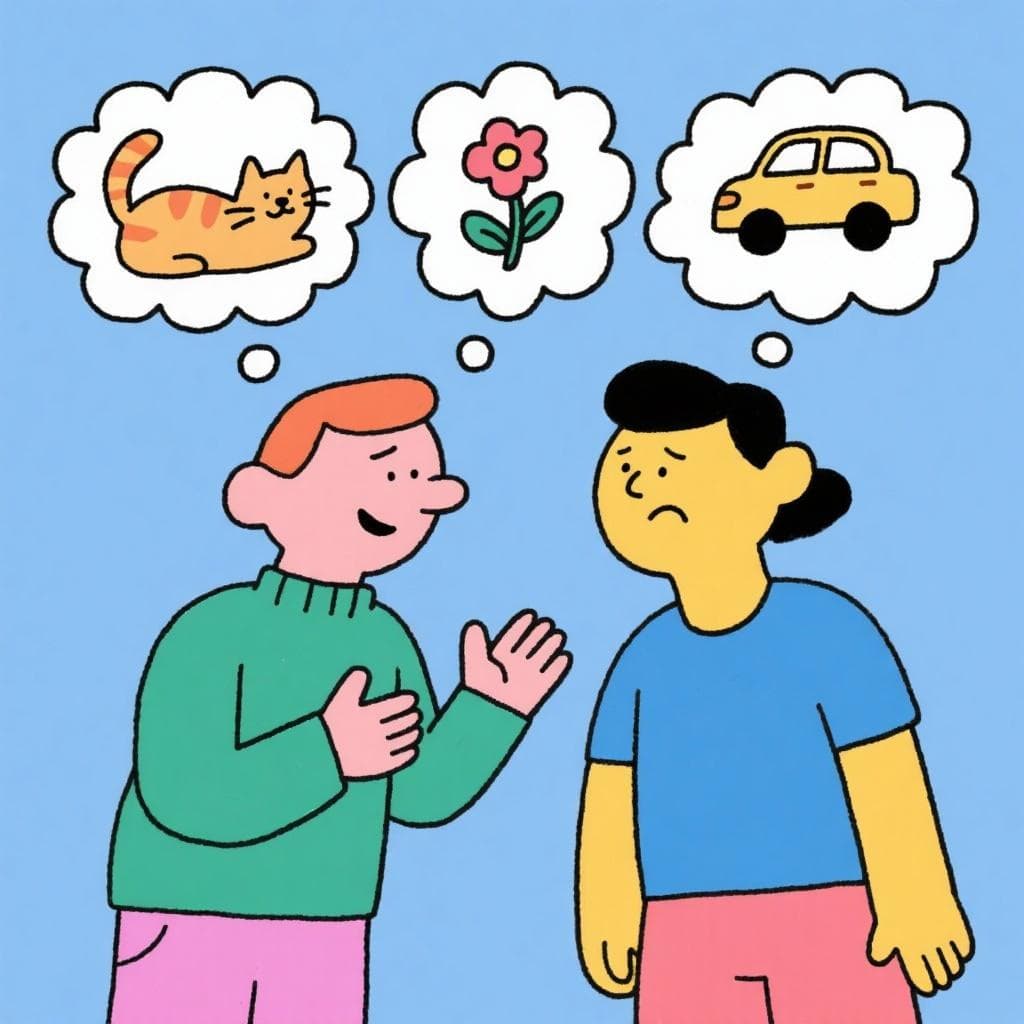
15. Irse por las ramas
EER-seh por las RRAH-mas
- Literal
- To go off through the branches
- Meaning
- To avoid the main subject or go off on tangents
16. Hacer la vista gorda
ah-SEHR la BEES-tah GOR-dah
- Literal
- To make the fat eyesight
- Meaning
- To deliberately ignore something wrong
- English
- To turn a blind eye
17. Estar hecho polvo
- Literal
- To be made into dust
- Meaning
- To be exhausted or emotionally devastated
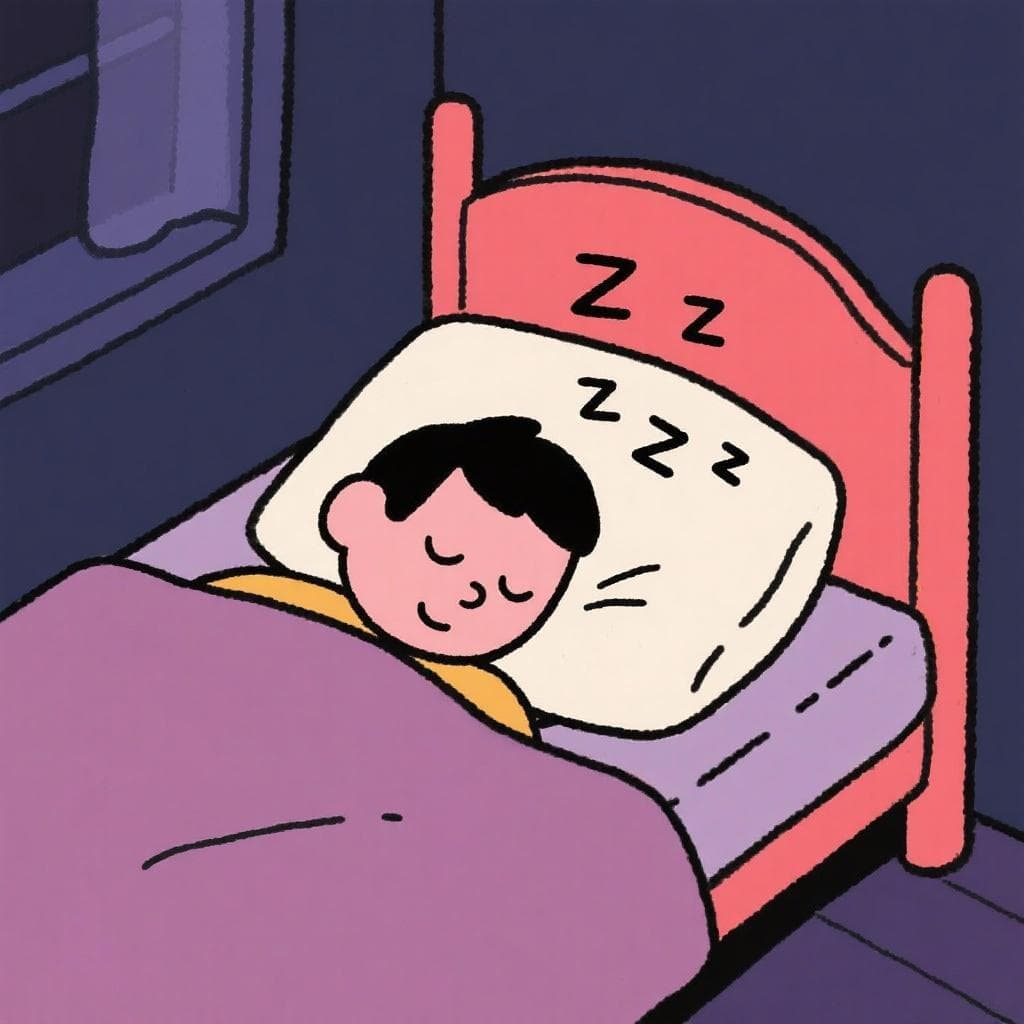
18. Dormir a pierna suelta
dor-MEER ah PYER-nah SWEL-tah
- Literal
- To sleep with a loose leg
- Meaning
- To sleep deeply and peacefully
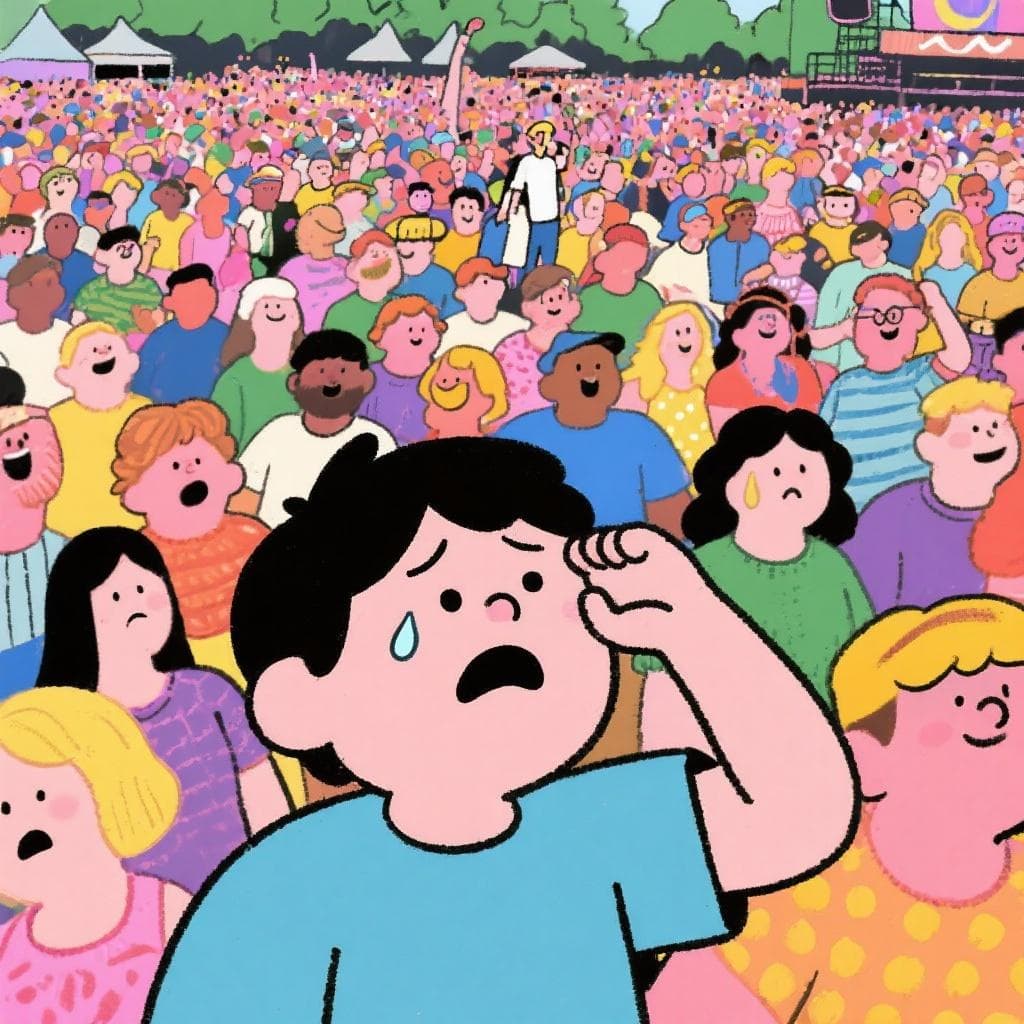
19. Buscar una aguja en un pajar
boos-KAR OO-nah ah-GOO-hah en oon pa-HAR
- Literal
- To look for a needle in a haystack
- Meaning
- To search for something almost impossible to find
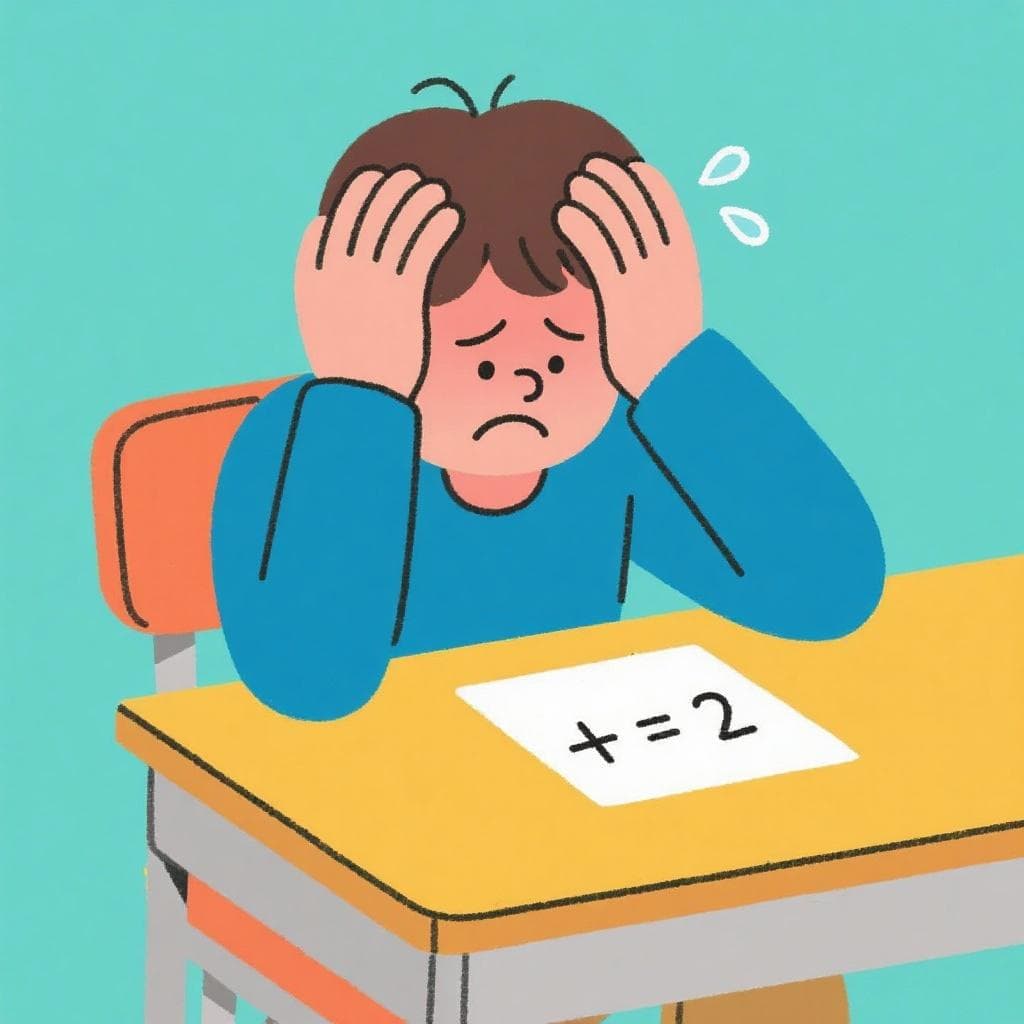
20. Ahogarse en un vaso de agua
ah-oh-GAR-seh ehn oon BAH-soh deh AH-gwah
- Literal
- To drown in a glass of water
- Meaning
- To become overwhelmed by a very small problem
Spanish idioms involving the body
Body parts appear constantly in Spanish figurative expressions.
21. Tener un corazón de oro
- Literal
- To have a heart of gold
- Meaning
- To be extremely kind
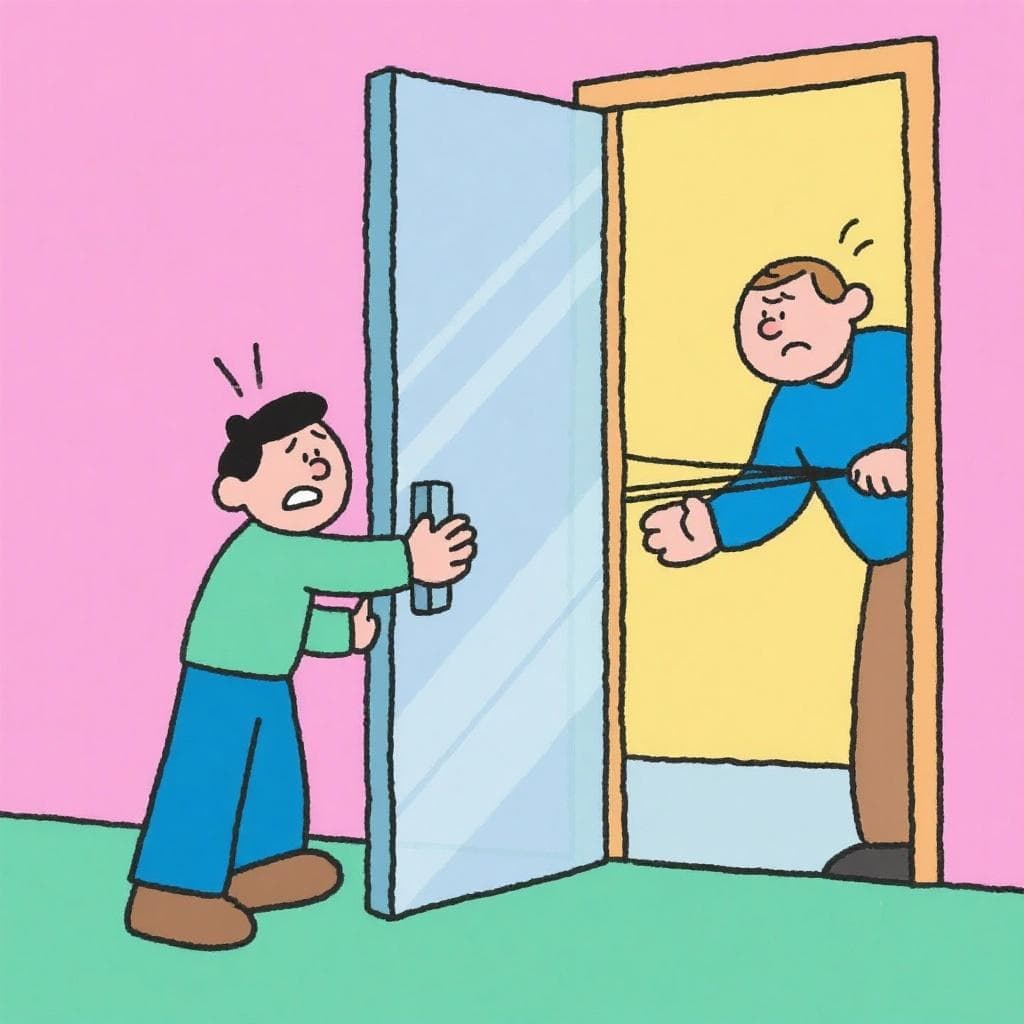
22. No tener dos dedos de frente
noh teh-NEHR dohs DEH-dohs deh FREN-teh
- Literal
- To not have two fingers of forehead
- Meaning
- To lack common sense
23. Tener la mosca detrás de la oreja
- Literal
- To have the fly behind your ear
- Meaning
- To suspect that something is wrong
24. Estar con el agua al cuello
- Literal
- To have water up to your neck
- Meaning
- To be in serious difficulty
25. Poner el dedo en la llaga
- Literal
- To put your finger in the wound
- Meaning
- To identify or bring up a painful problem
26. Tener algo en la punta de la lengua
- Literal
- To have something on the tip of your tongue
- Meaning
- To almost remember something
27. Romperse la cabeza
- Literal
- To break one's head
- Meaning
- To think very hard about something
28. Tener mano izquierda
- Literal
- To have a left hand
- Meaning
- To be tactful and diplomatic
29. No pegar ojo
- Literal
- To not stick an eye
- Meaning
- To not sleep at all
30. Lavarse las manos
- Literal
- To wash one's hands
- Meaning
- To refuse responsibility for something
Spanish food and drink idioms
Spanish speakers somehow manage to turn food into metaphors for almost everything.
31. Estar como un flan
- Literal
- To be like a flan
- Meaning
- To be extremely nervous or shaky
- Region
- Especially common in Spain
32. Importar un pepino
- Literal
- To matter a cucumber
- Meaning
- To not matter at all
33. Ser del año de la pera
- Literal
- To be from the year of the pear
- Meaning
- To be extremely old or outdated
- Region
- Common in Spain
34. Dar calabazas
dar kah-lah-BAH-sahs
- Literal
- To give pumpkins
- Meaning
- To romantically reject someone
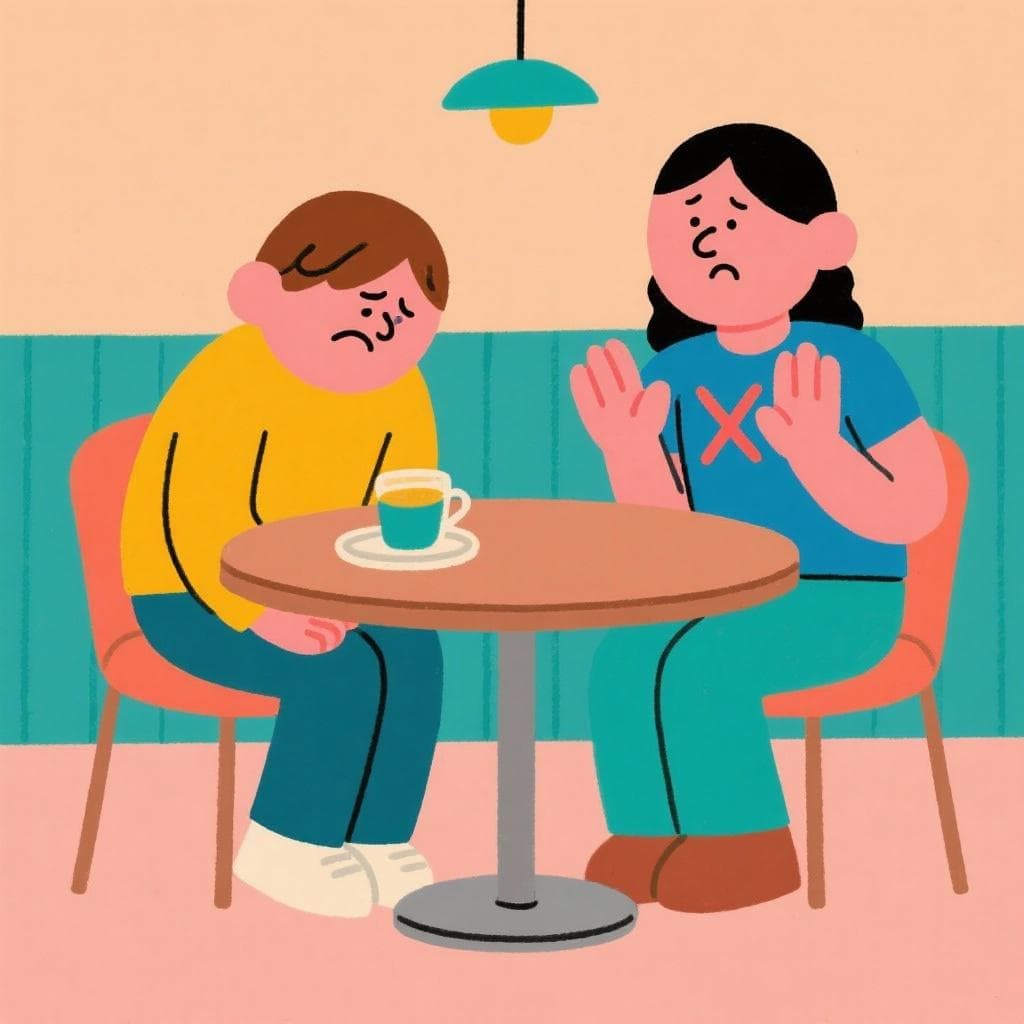
35. Ponerse como un tomate
- Literal
- To become like a tomato
- Meaning
- To turn very red from embarrassment
36. Estar de mala leche
es-TAR deh MAH-lah LEH-cheh
- Literal
- To be of bad milk
- Meaning
- To be in a very bad mood
- Region
- Informal
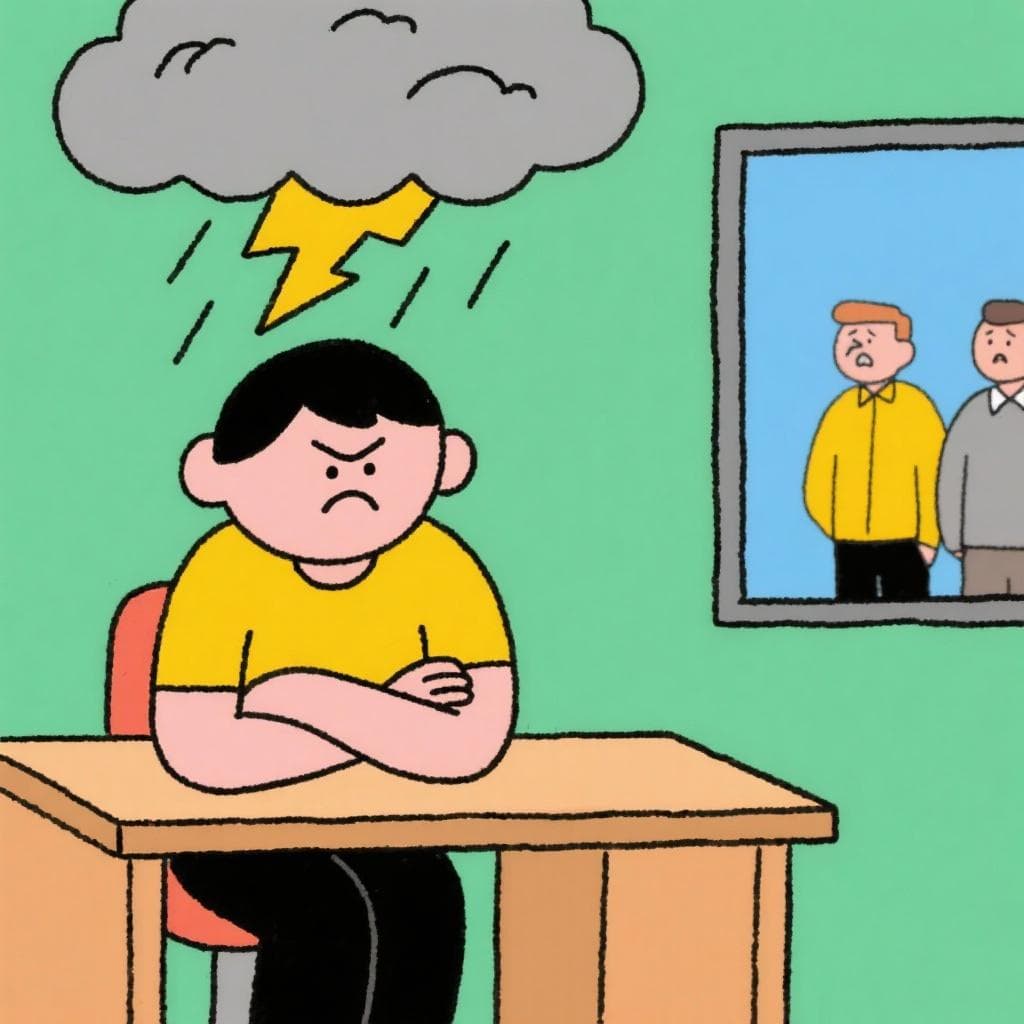
37. Tener mala uva
- Literal
- To have bad grapes
- Meaning
- To have a bad temper or nasty disposition
38. Cortar el bacalao
kor-TAR el bah-kah-LAH-oh
- Literal
- To cut the cod
- Meaning
- To be the person in charge
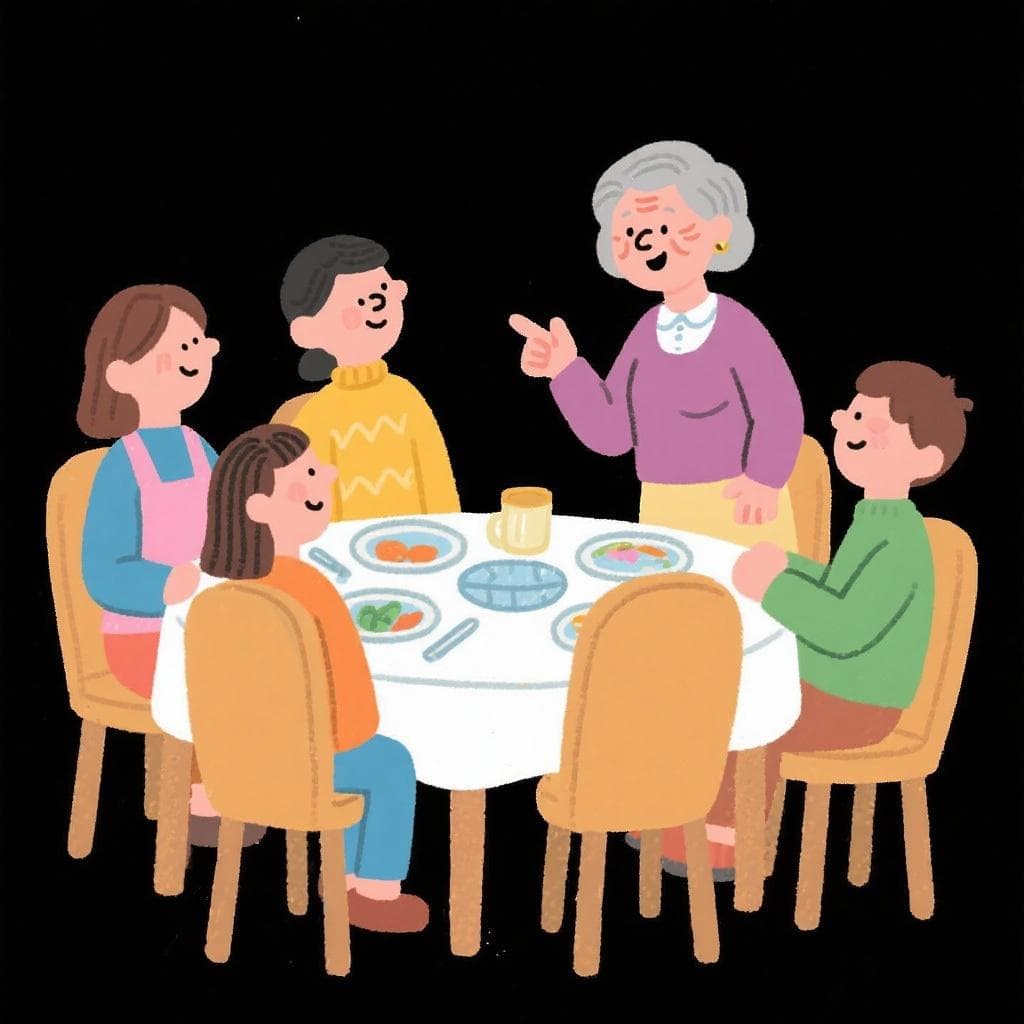
39. No estar el horno para bollos
- Literal
- The oven isn't ready for buns
- Meaning
- It is not a good time to create more trouble
40. Poner toda la carne en el asador
poh-NAIR TOH-dah lah CAR-neh ehn el ah-sah-DOR
- Literal
- To put all the meat on the grill
- Meaning
- To give something everything you've got
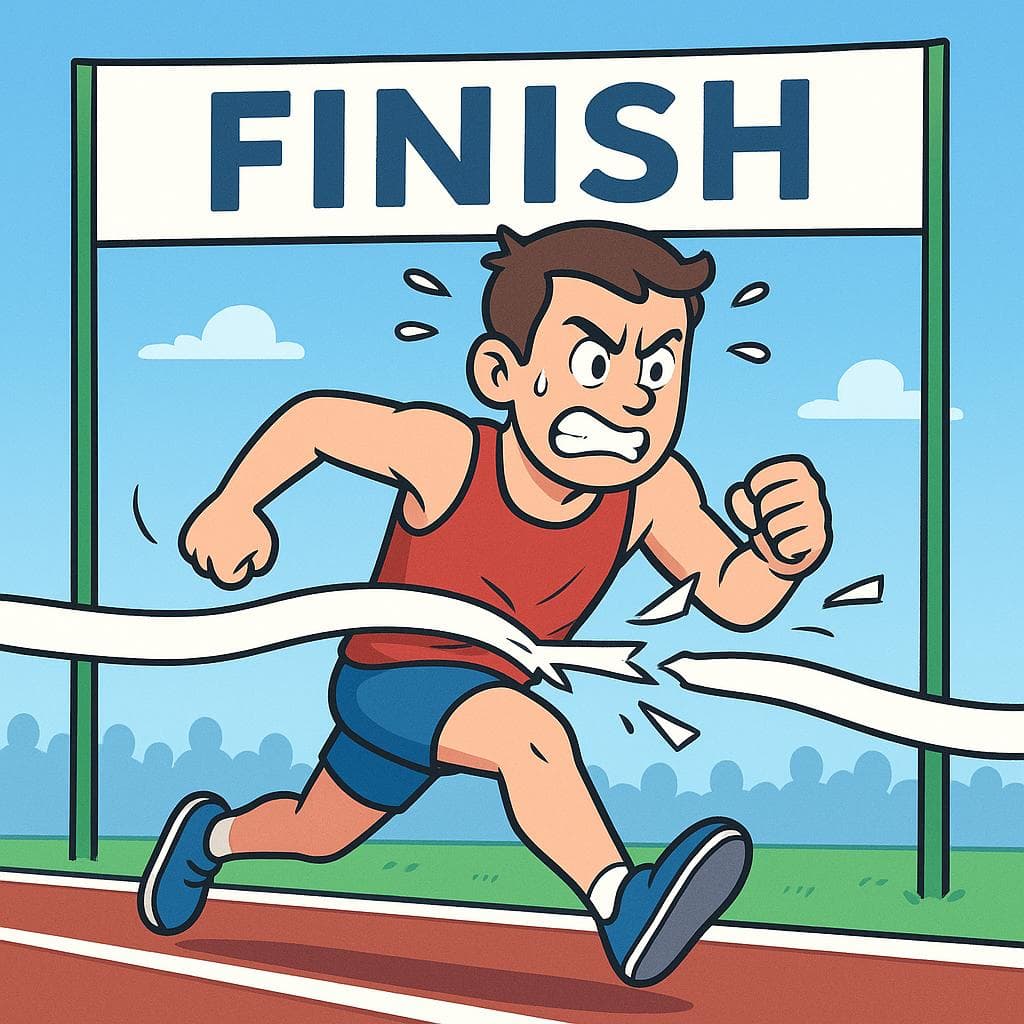
Spanish animal idioms
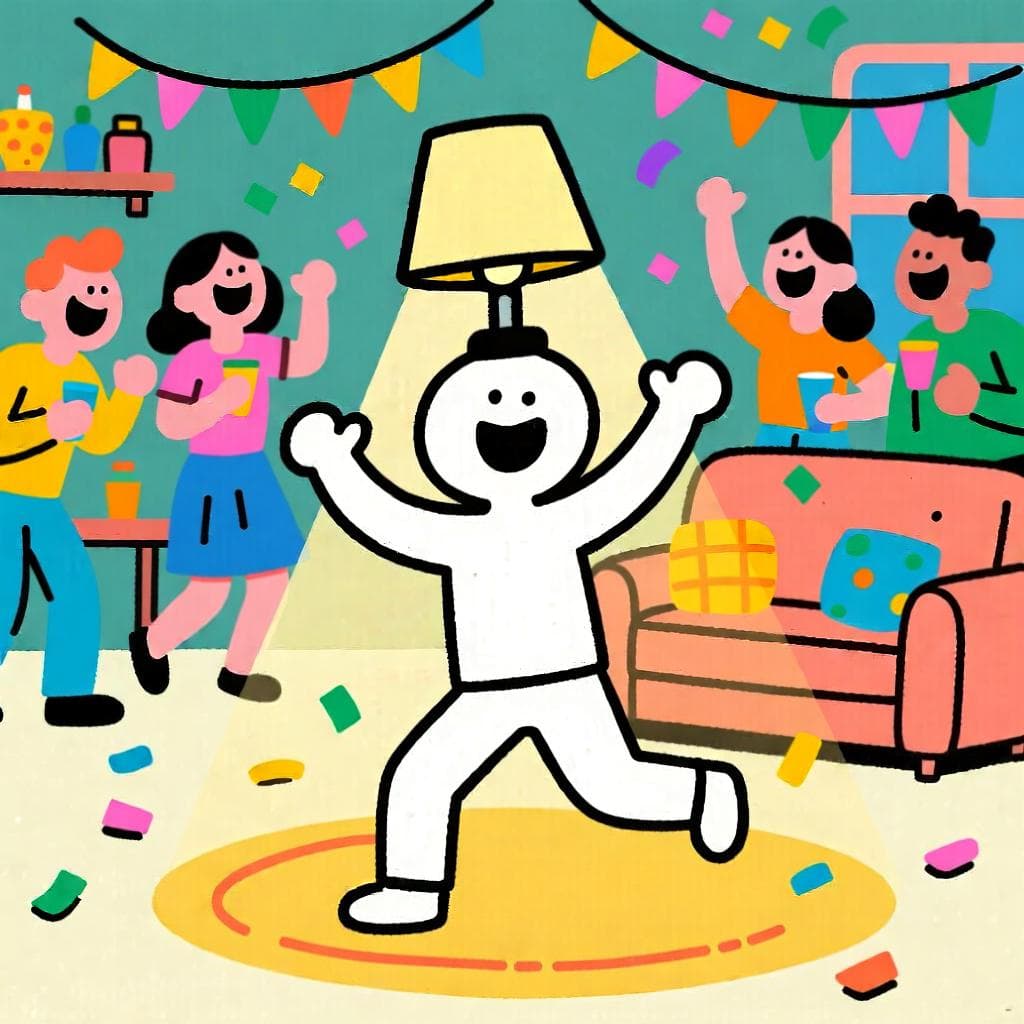
41. Estar como una cabra
es-TAR KOH-moh OO-nah KAH-brah
- Literal
- To be like a goat
- Meaning
- To be crazy or eccentric
42. Matar dos pájaros de un tiro
- Literal
- To kill two birds with one shot
- Meaning
- To accomplish two things at once
43. Ser la oveja negra
- Literal
- To be the black sheep
- Meaning
- To be the odd or disapproved-of member of a group
44. Cuando el gato no está, los ratones hacen fiesta
KWAN-doh el GAH-toh noh es-TAH, lohs rrah-TOH-nes AH-sen FYES-tah
- Literal
- When the cat isn't there, the mice party
- Meaning
- People misbehave when the person in charge is absent

45. A caballo regalado no le mires el diente
ah kah-BAH-yoh reh-gah-LAH-doh noh leh MEE-rehs el DYEN-teh
- Literal
- Don't look at the teeth of a gifted horse
- Meaning
- Don’t criticize something you received for free
- English
- Don't look a gift horse in the mouth
English has essentially the same expression.
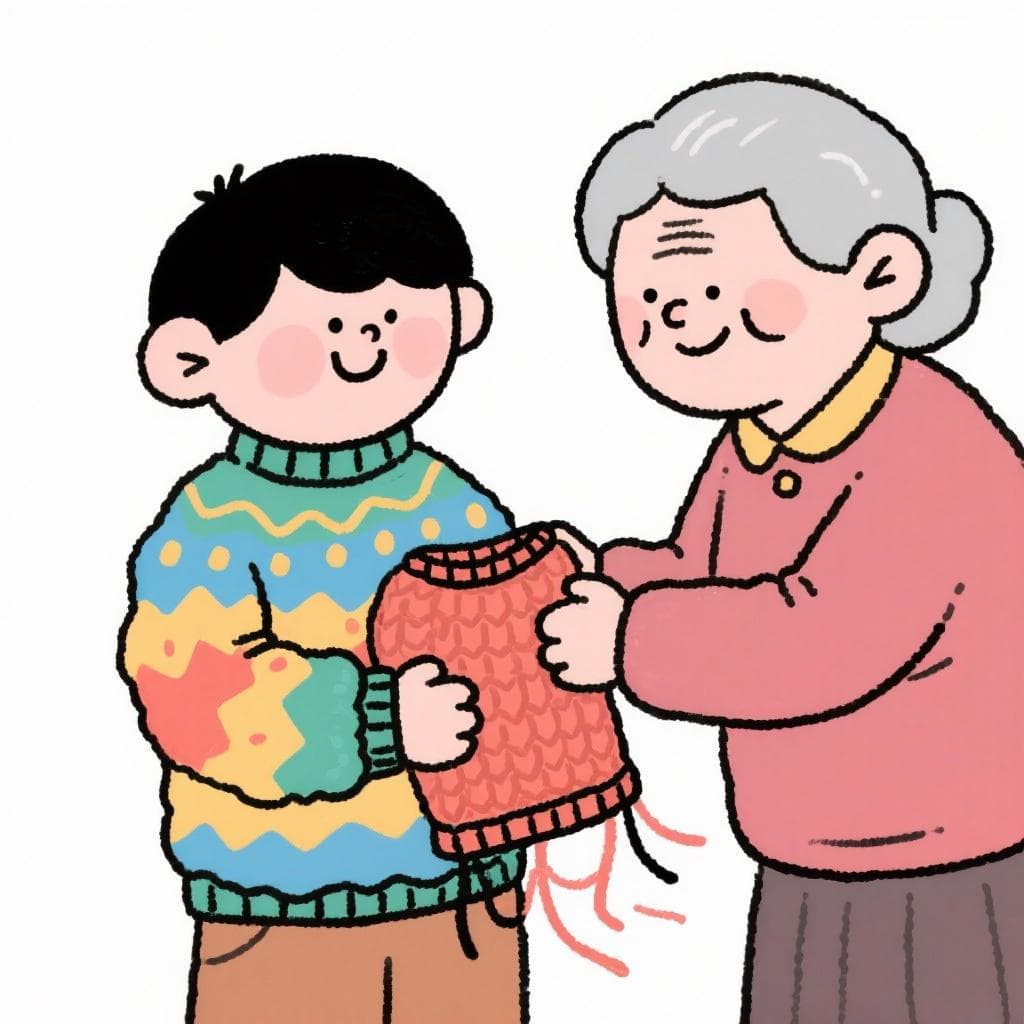
46. Estar hecho un toro
- Literal
- To be made like a bull
- Meaning
- To be very strong and healthy
47. Ser un gallina
- Literal
- To be a chicken
- Meaning
- To be a coward
48. Llevarse como el perro y el gato
- Literal
- To get along like the dog and the cat
- Meaning
- To constantly argue
49. Más vale pájaro en mano que ciento volando
- Literal
- A bird in the hand is worth more than a hundred flying
- Meaning
- Something certain is better than something potentially better but uncertain
- English
- A bird in the hand is worth two in the bush
50. Lágrimas de cocodrilo
- Literal
- Crocodile tears
- Meaning
- Fake sadness
Spanish idioms about people and relationships
51. Hacer buenas migas
ah-SEHR BWEH-nahs MEE-gahs
- Literal
- To make good crumbs
- Meaning
- To get along very well
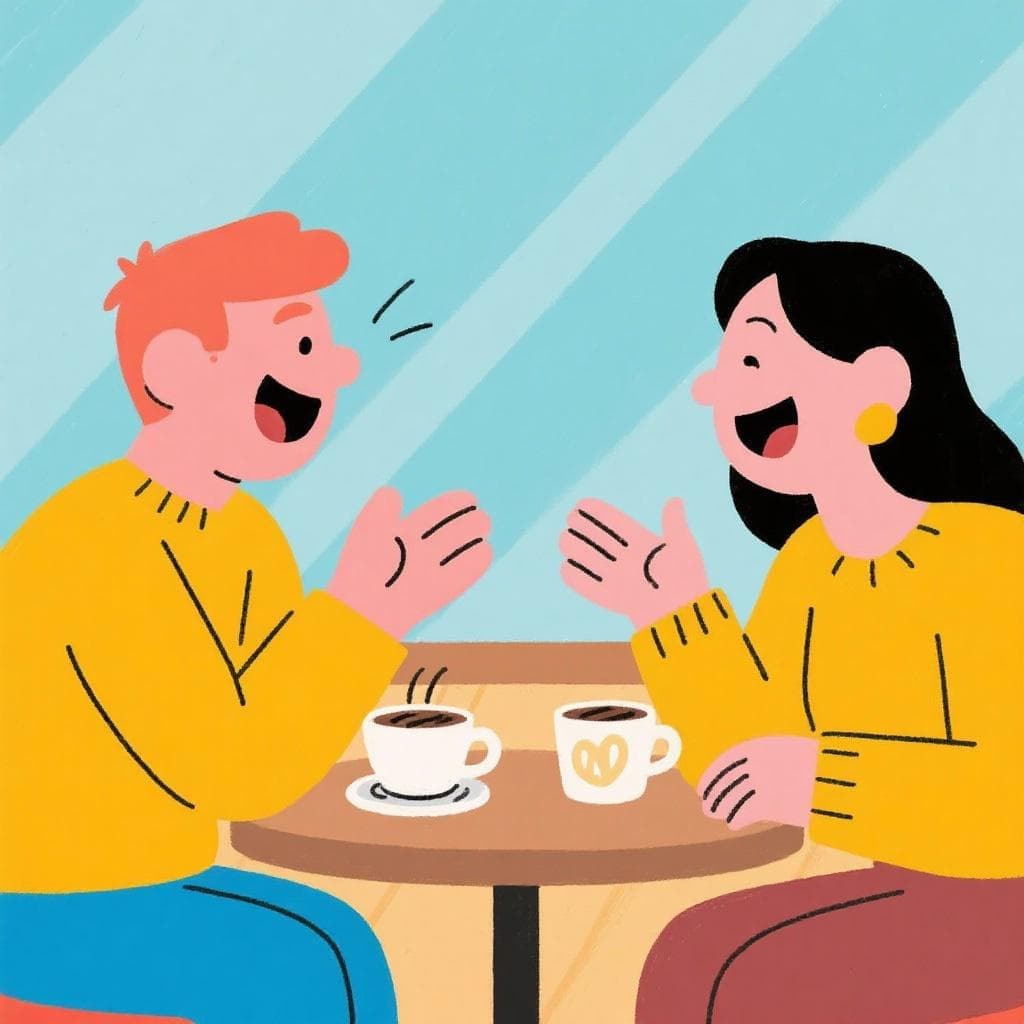
52. Romper el hielo
- Literal
- To break the ice
- Meaning
- To make people more comfortable when meeting
53. Caer bien
- Literal
- To fall well
- Meaning
- To like someone's personality
The opposite is caer mal — to dislike someone.
54. Dar la lata
dar la LAH-tah
- Literal
- To give the can
- Meaning
- To annoy or bother someone
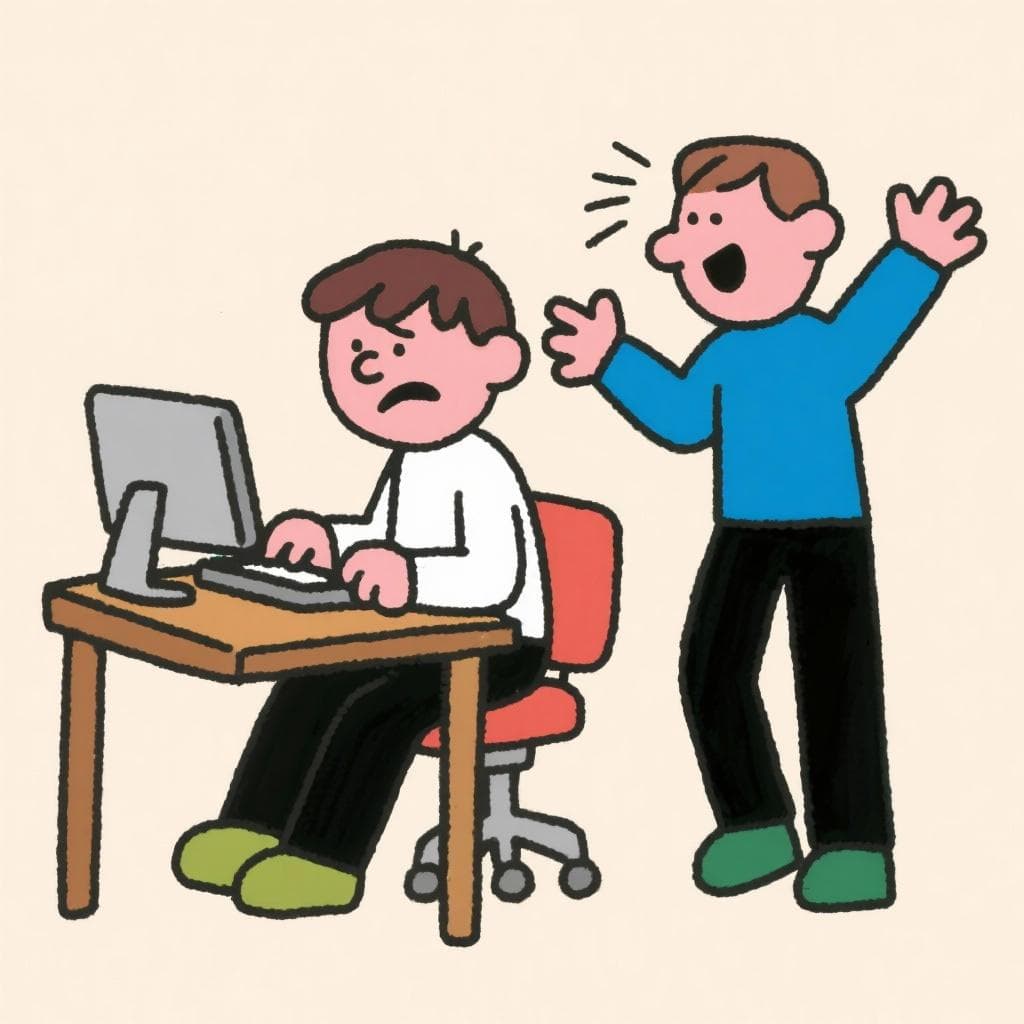
55. Echar leña al fuego
eh-CHAR LEH-nyah al FWEH-go
- Literal
- To throw firewood onto the fire
- Meaning
- To make a conflict worse
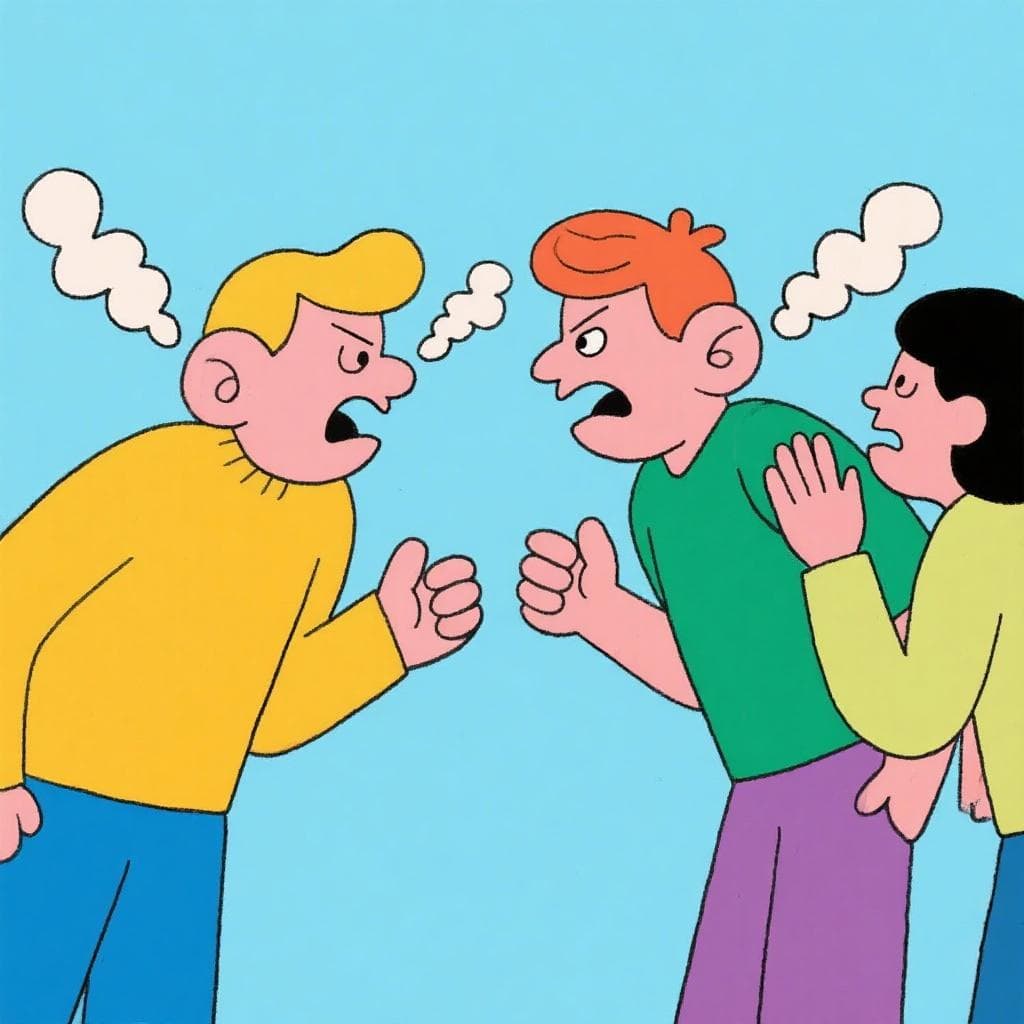
56. Hacer la pelota
ah-SEHR lah peh-LOH-tah
- Literal
- To make the ball
- Meaning
- To flatter someone in order to gain favor
- Region
- Common in Spain

57. Poner a alguien verde
- Literal
- To turn someone green
- Meaning
- To criticize or gossip harshly about someone
58. Dejar plantado a alguien
- Literal
- To leave someone planted
- Meaning
- To stand someone up
59. Dar la cara
- Literal
- To give/show the face
- Meaning
- To face responsibility instead of hiding
60. Dar la espalda
- Literal
- To give someone your back
- Meaning
- To abandon or reject someone
Spanish money and work idioms
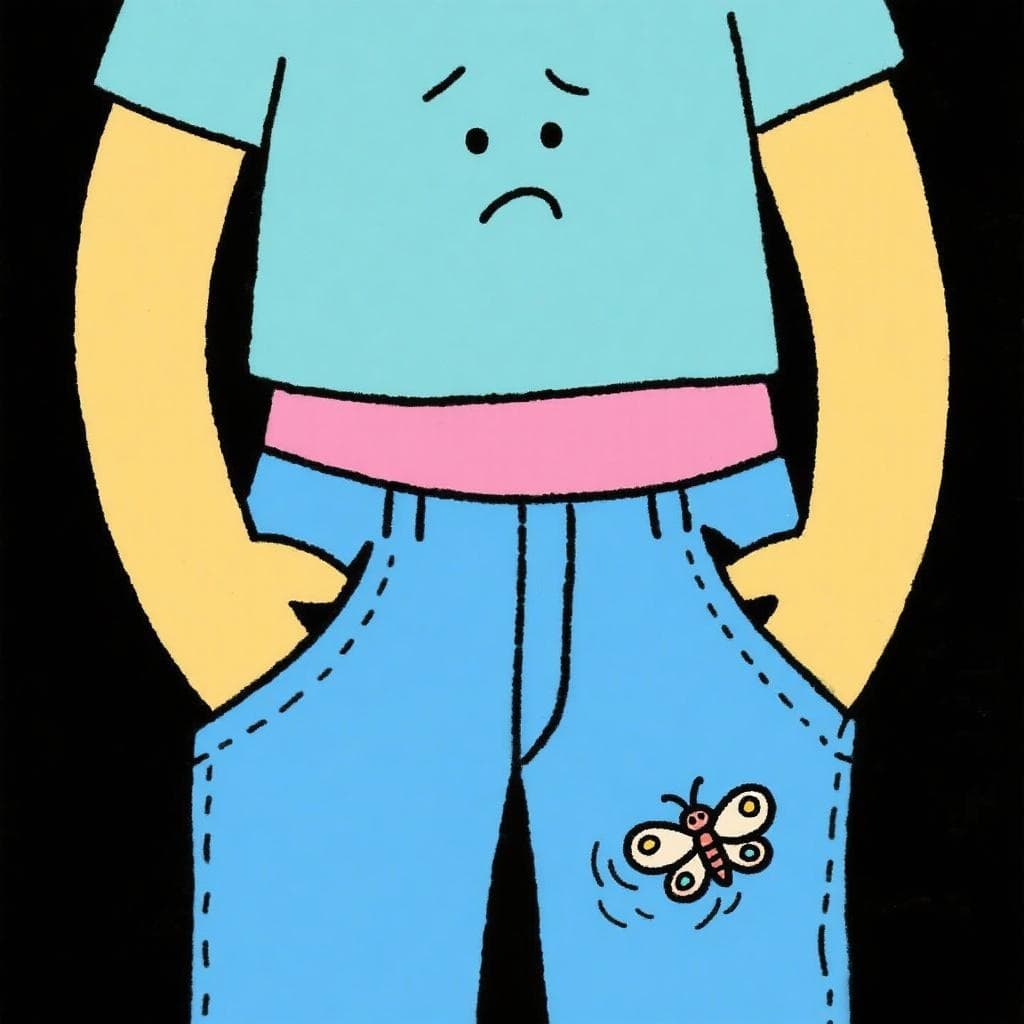
61. Estar sin blanca
es-TAR seen BLAN-kah
- Literal
- To be without a blanca
- Meaning
- To be broke
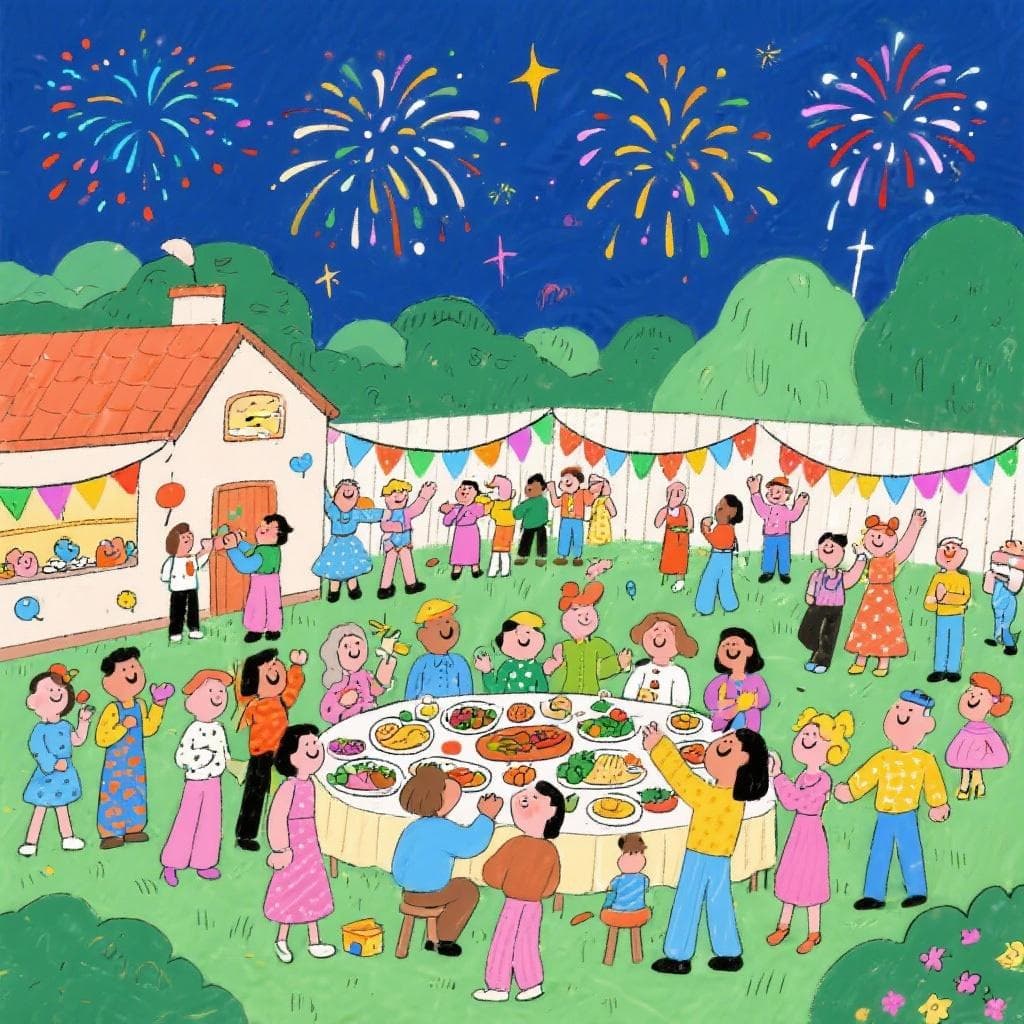
62. Tirar la casa por la ventana
tee-RAR la KAH-sah por la ben-TAH-nah
- Literal
- To throw the house out the window
- Meaning
- To spend lavishly, usually for a celebration
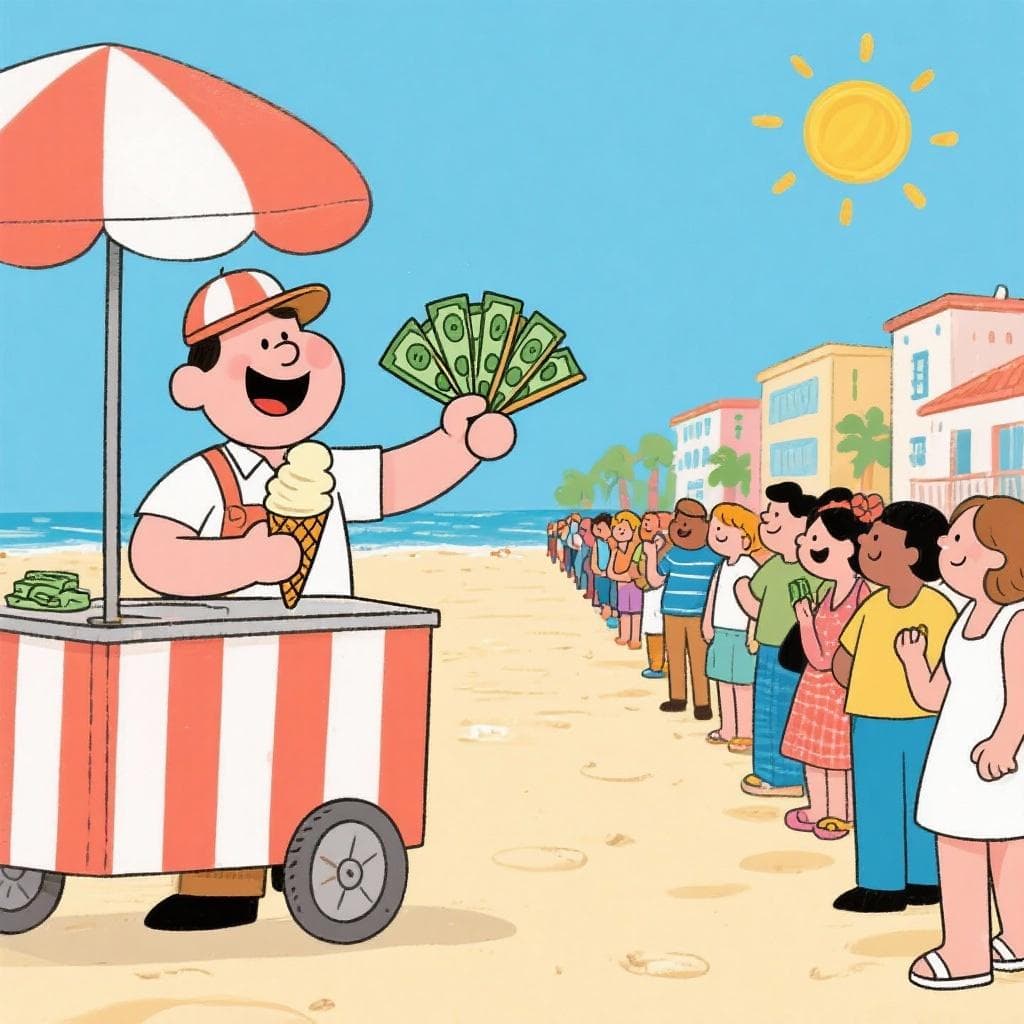
63. Hacer el agosto
ah-SEHR el ah-GOHS-toh
- Literal
- To make the August
- Meaning
- To make a lot of money from a favorable opportunity
64. Apretarse el cinturón
- Literal
- To tighten one's belt
- Meaning
- To spend less money
65. Ganarse el pan
- Literal
- To earn one's bread
- Meaning
- To earn a living
66. No dar palo al agua
- Literal
- To not hit the water with a stick
- Meaning
- To do absolutely no work
67. Ponerse manos a la obra
- Literal
- To put one's hands to the work
- Meaning
- To start working
68. Arrimar el hombro
- Literal
- To bring one's shoulder closer
- Meaning
- To help with a shared effort
69. Sacar algo adelante
- Literal
- To bring something forward
- Meaning
- To successfully get through or complete something difficult
70. Trabajar como un burro
- Literal
- To work like a donkey
- Meaning
- To work extremely hard
Spanish idioms for difficult situations
71. Salir del paso
- Literal
- To get out of the passage
- Meaning
- To solve a problem temporarily or somehow get through a situation
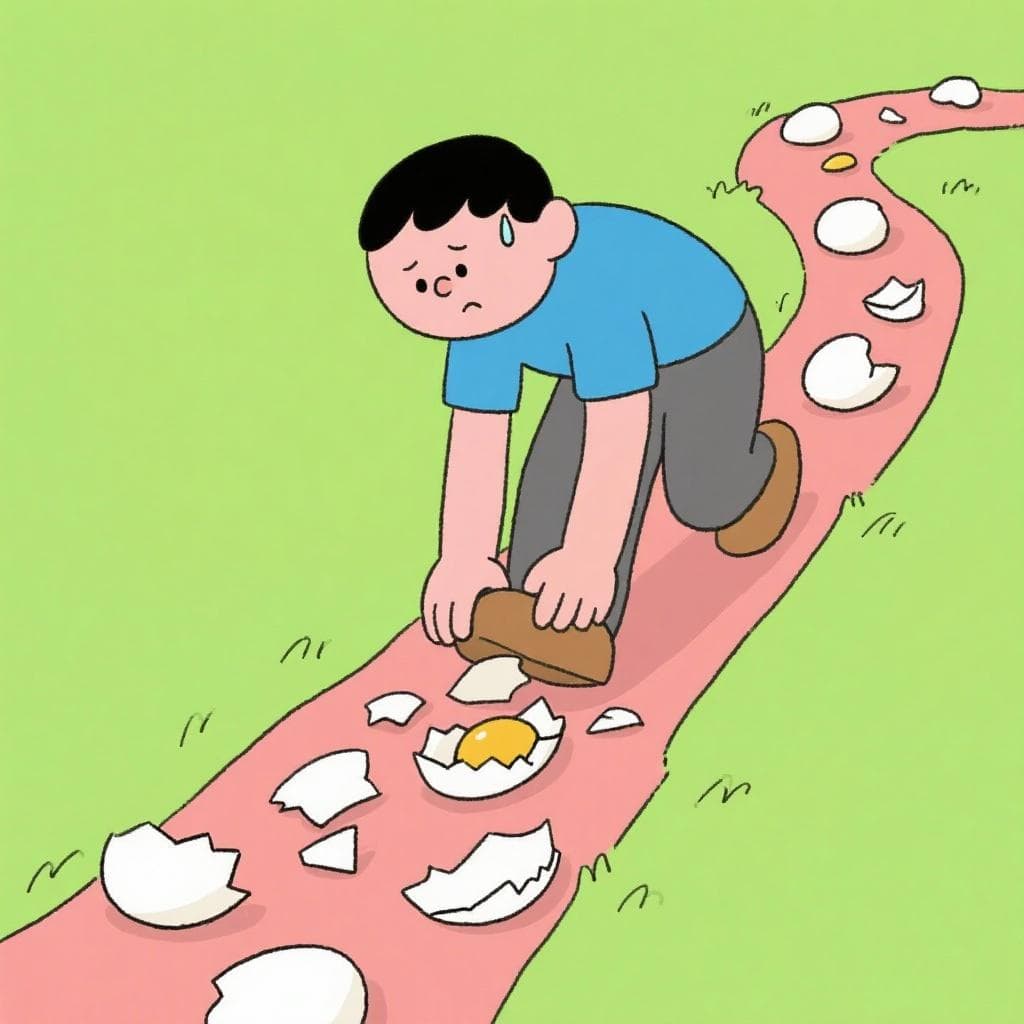
72. Andar con pies de plomo
an-DAR kon pee-ESS day PLOH-moh
- Literal
- To walk with lead feet
- Meaning
- To proceed extremely carefully
73. Tocar fondo
- Literal
- To touch the bottom
- Meaning
- To reach one's lowest point
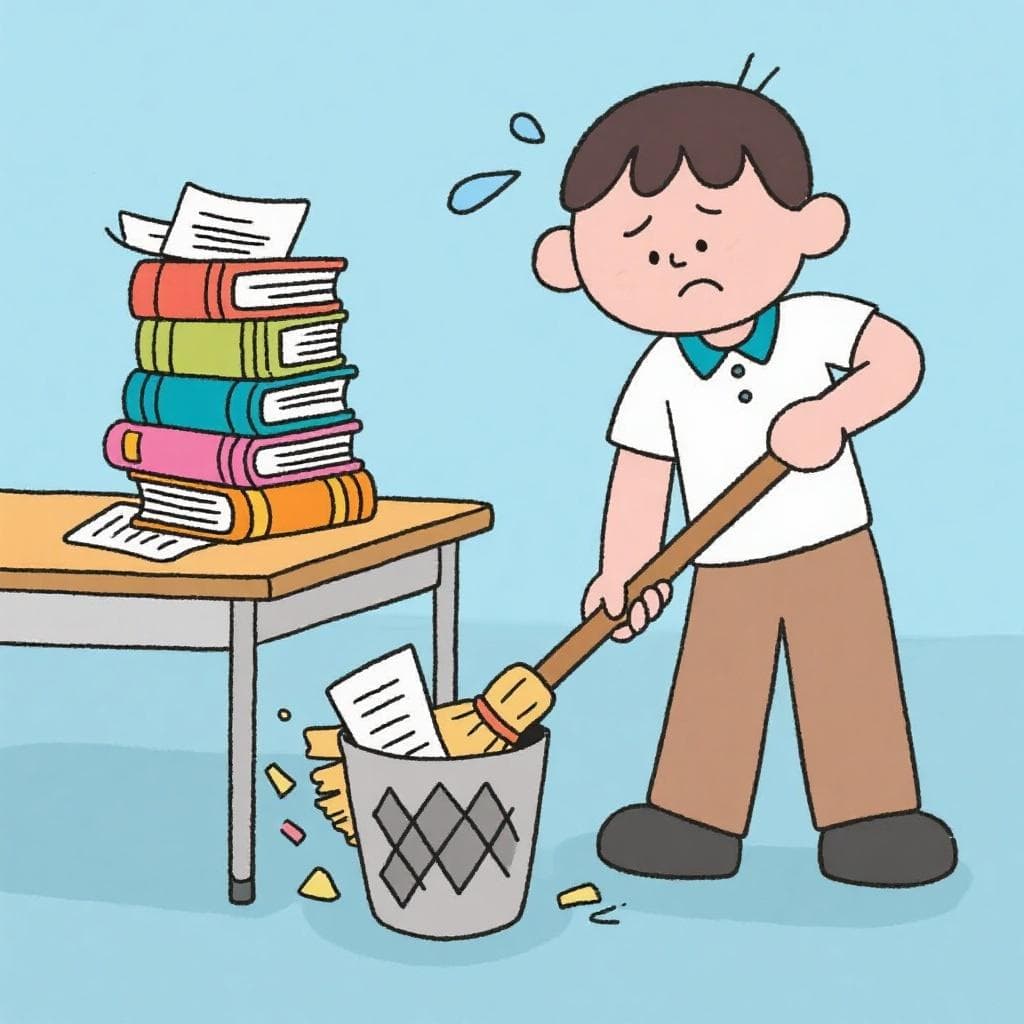
74. Echar por la borda
eh-CHAR por la BOR-dah
- Literal
- To throw overboard
- Meaning
- To ruin or waste something valuable
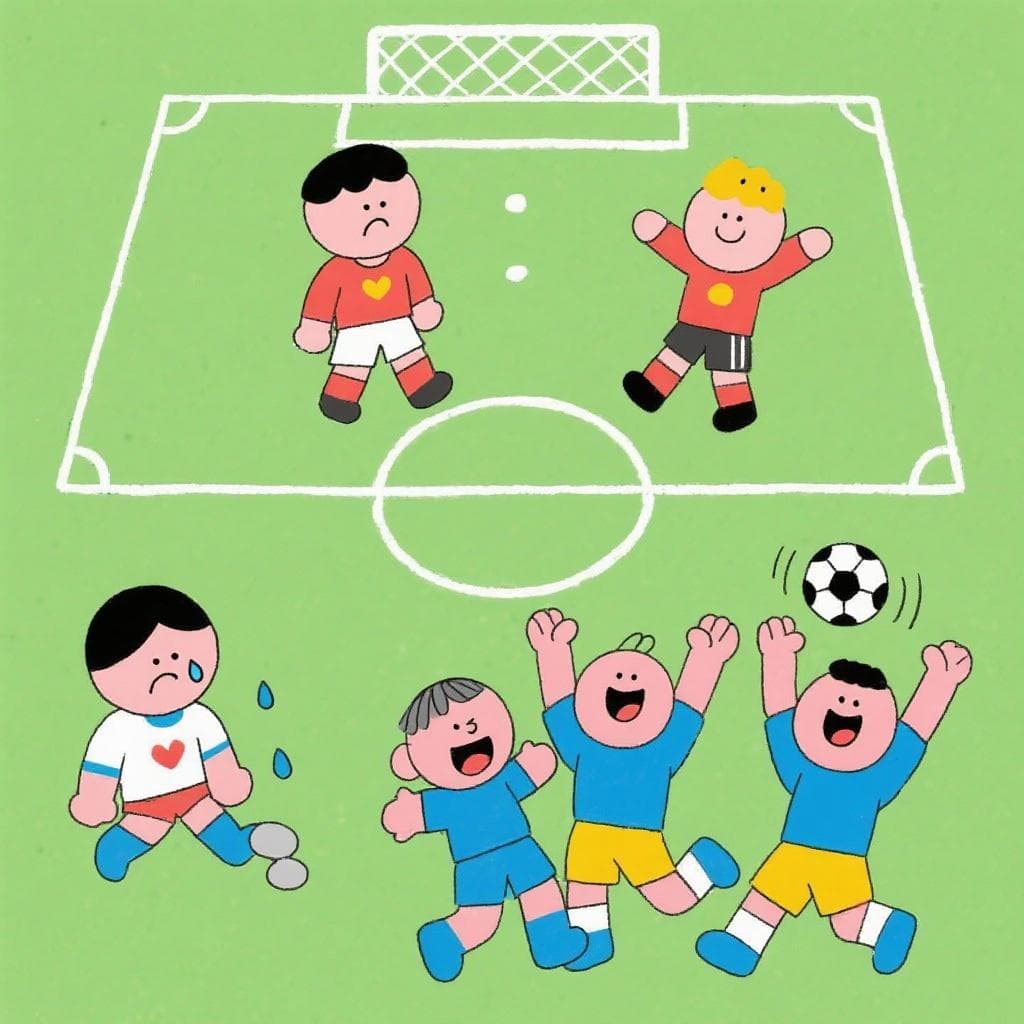
75. Dar la vuelta a la tortilla
dar la BWEL-tah ah la tor-TEE-yah
- Literal
- To flip the omelet
- Meaning
- To completely reverse a situation
- English
- To turn the tables
76. Estar entre la espada y la pared
- Literal
- To be between the sword and the wall
- Meaning
- To be trapped between two difficult choices
- English
- To be between a rock and a hard place
77. Coger el toro por los cuernos
- Literal
- To grab the bull by the horns
- Meaning
- To confront a difficult situation directly
You may also hear tomar el toro por los cuernos.
78. Estar contra las cuerdas
- Literal
- To be against the ropes
- Meaning
- To be under severe pressure with few options left
79. Salir el tiro por la culata
- Literal
- For the shot to come out through the gunstock
- Meaning
- For a plan to backfire
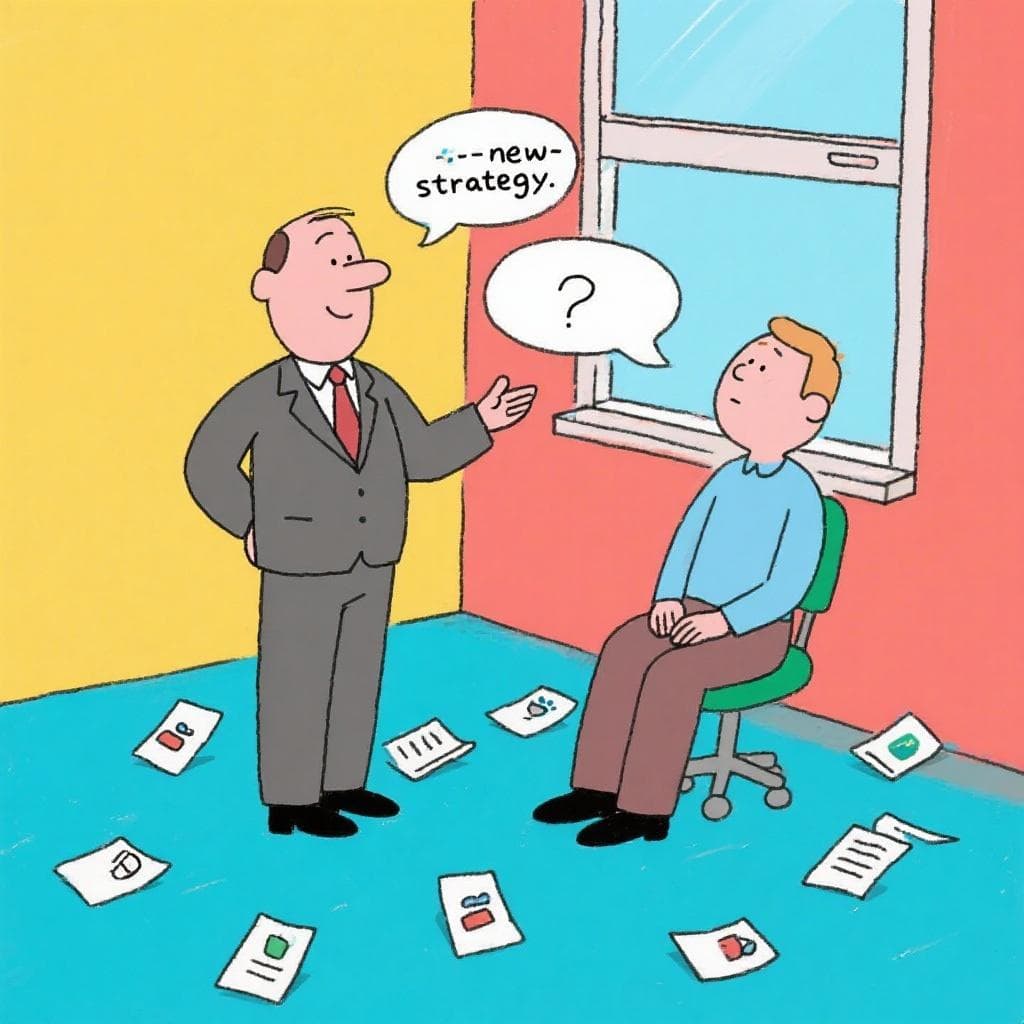
80. Caer en saco roto
kah-EHR en SAH-koh ROH-toh
- Literal
- To fall into a torn sack
- Meaning
- For advice or information to be ignored
Spanish idioms about thoughts and emotions
81. Comerse el coco
koh-MEHR-seh el KOH-koh
- Literal
- To eat one's coconut
- Meaning
- To overthink or worry excessively
- Region
- Common in Spain
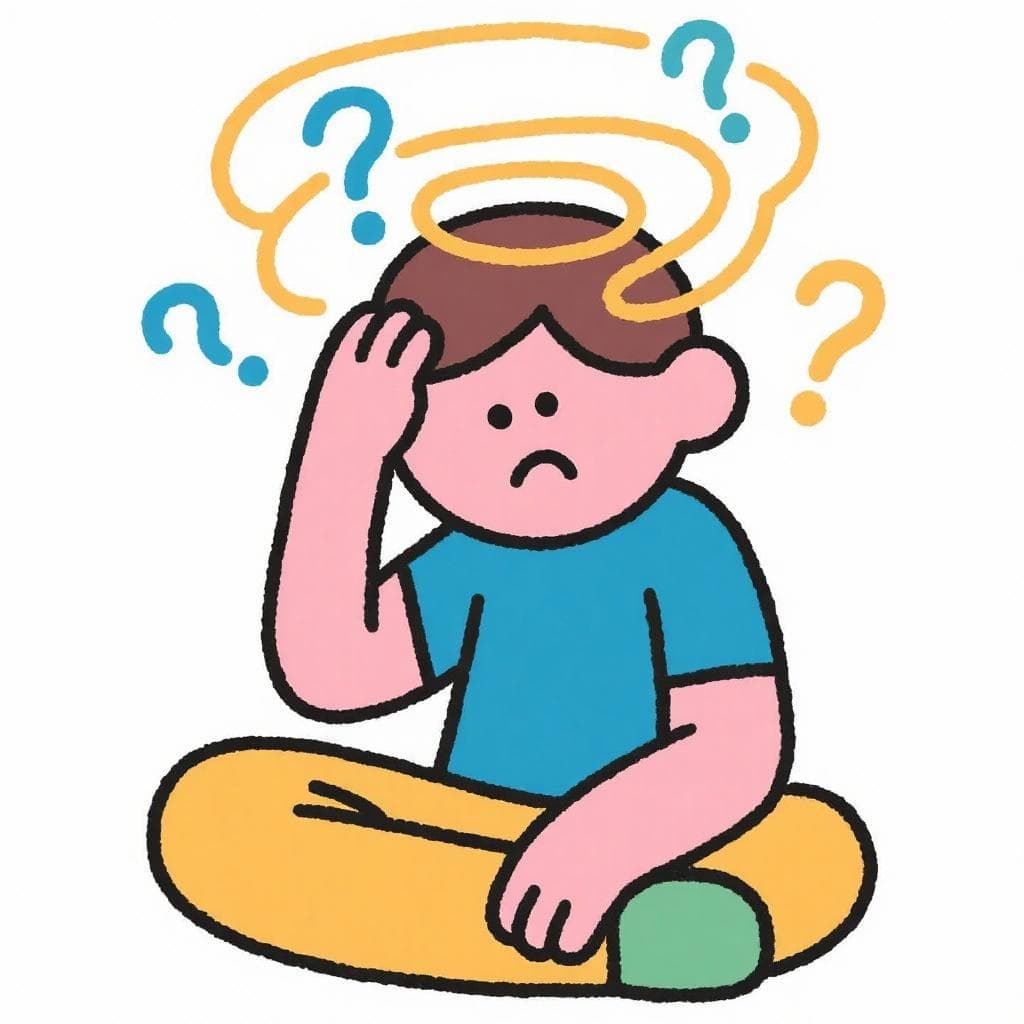
82. Quedarse en blanco
keh-DAR-seh en BLAN-koh
- Literal
- To be left blank
- Meaning
- To suddenly forget what you wanted to say or remember
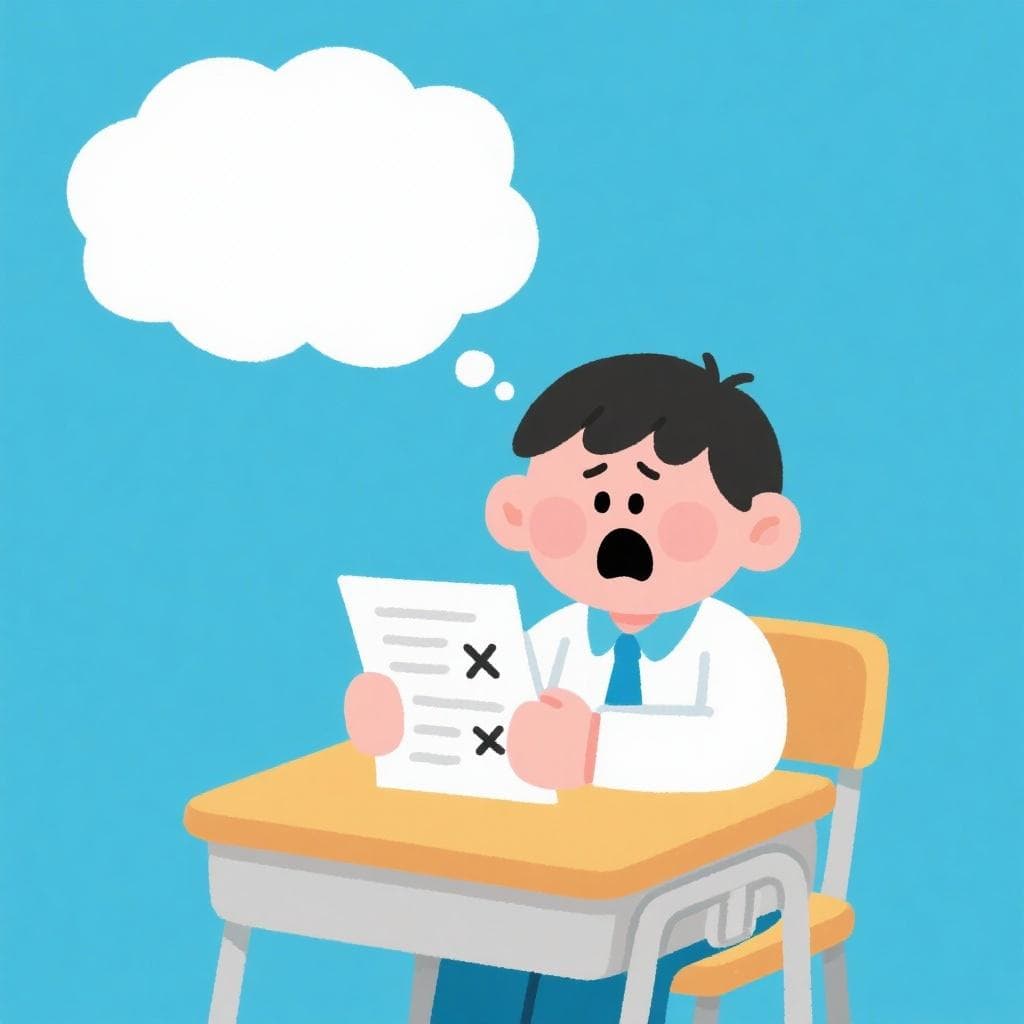
83. Perder los estribos
- Literal
- To lose the stirrups
- Meaning
- To lose control of your temper
84. Estar que echa humo
- Literal
- To be giving off smoke
- Meaning
- To be furious
85. Tener mariposas en el estómago
- Literal
- To have butterflies in your stomach
- Meaning
- To feel nervous excitement
86. Ponerse de los nervios
- Literal
- To become of the nerves
- Meaning
- To become extremely nervous or irritated
87. Verlo todo negro
- Literal
- To see everything black
- Meaning
- To be extremely pessimistic
88. Estar verde
- Literal
- To be green
- Meaning
- To be inexperienced or not ready yet
89. No caber en sí de alegría
- Literal
- To not fit inside oneself from happiness
- Meaning
- To be extremely happy
90. Quedarse con la boca abierta
- Literal
- To be left with one's mouth open
- Meaning
- To be amazed
Colorful expressions from Spain and Latin America
Some idioms immediately reveal where a speaker comes from.
91. Flipar en colores
flee-PAR en koh-LOH-ress
- Literal
- To freak out in colors
- Meaning
- To be completely amazed
- Region
- Spain

92. Estar al loro
es-TAR al LOH-roh
- Literal
- To be at the parrot
- Meaning
- To pay attention or stay informed
- Region
- Spain
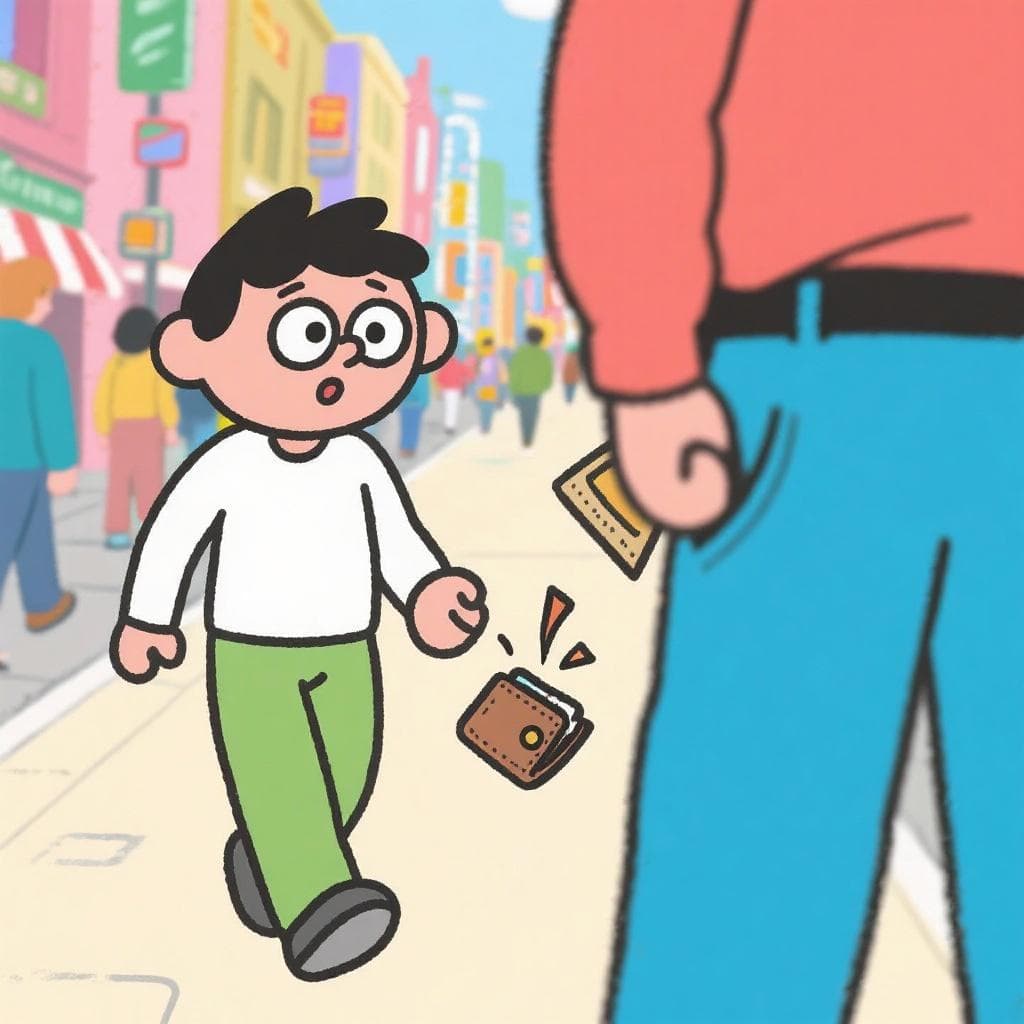
93. Ser la leche
- Literal
- To be the milk
- Meaning
- To be amazing, extraordinary, or sometimes outrageous
- Region
- Spain
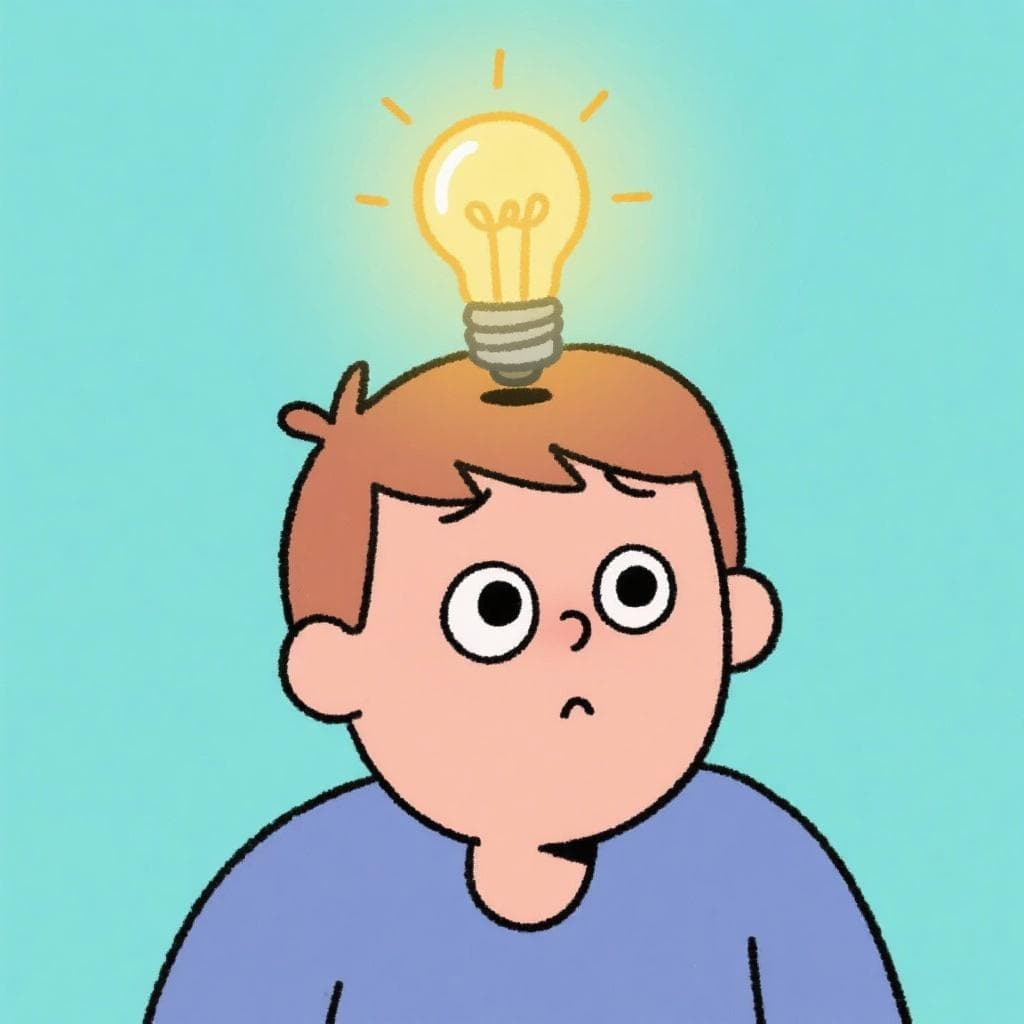
94. Caer el veinte
kah-ER el BAYN-tay
- Literal
- For the twenty to fall
- Meaning
- To finally understand or realize something
- Region
- Mexico
95. Echar carrilla
eh-CHAR kah-RREE-yah
- Meaning
- To tease or give someone a hard time
- Region
- Mexico
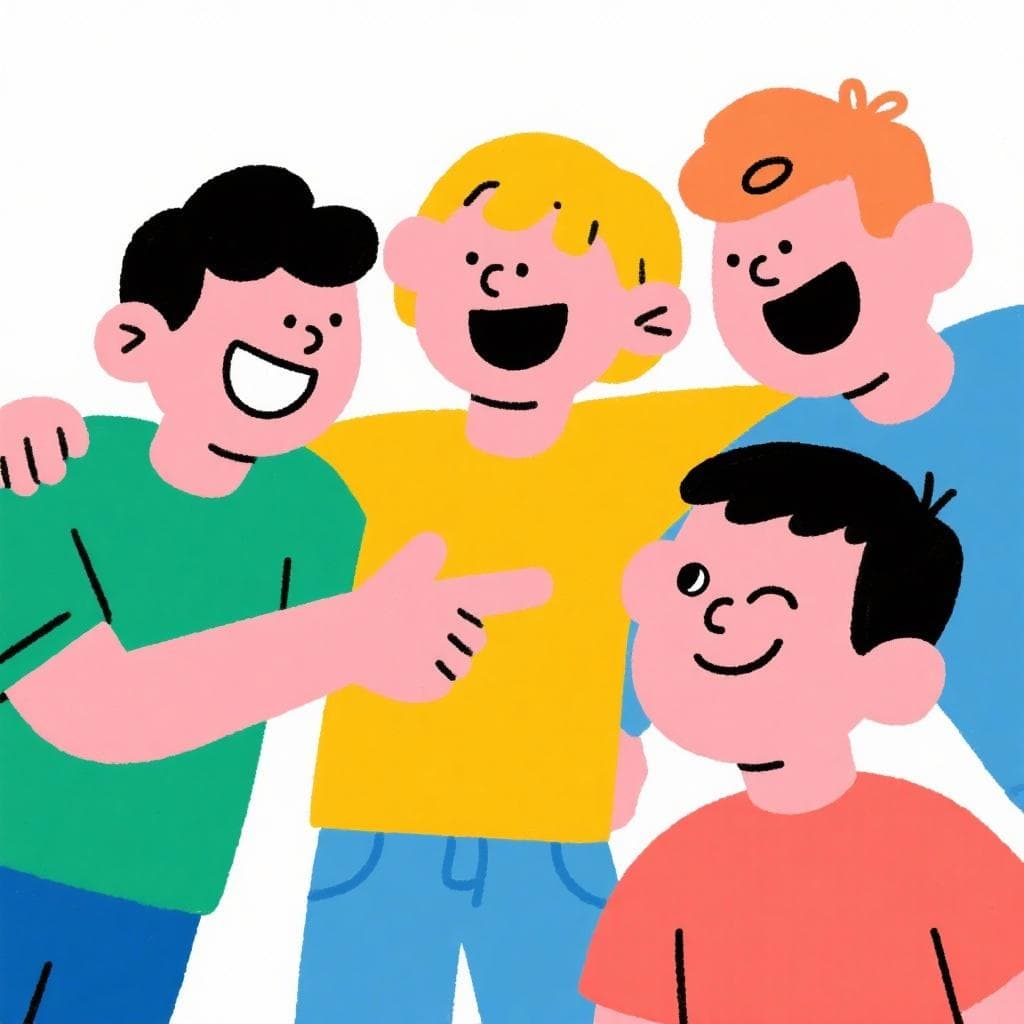
96. Estar cañón
- Meaning
- To be difficult, intense, impressive, or extreme depending on context
- Region
- Mexico
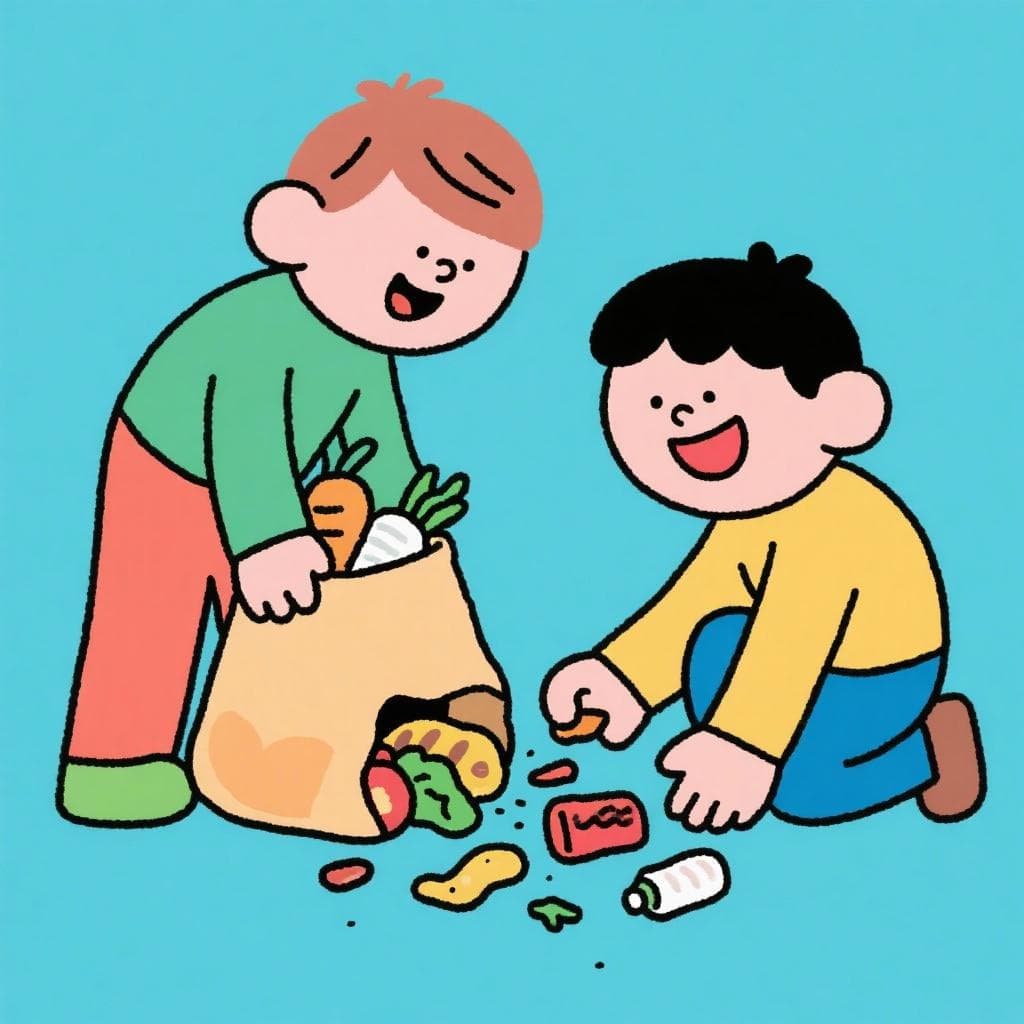
97. Hazme el paro
AHS-meh el PAH-roh
- Meaning
- Do me a favor / Help me out
- Region
- Mexico
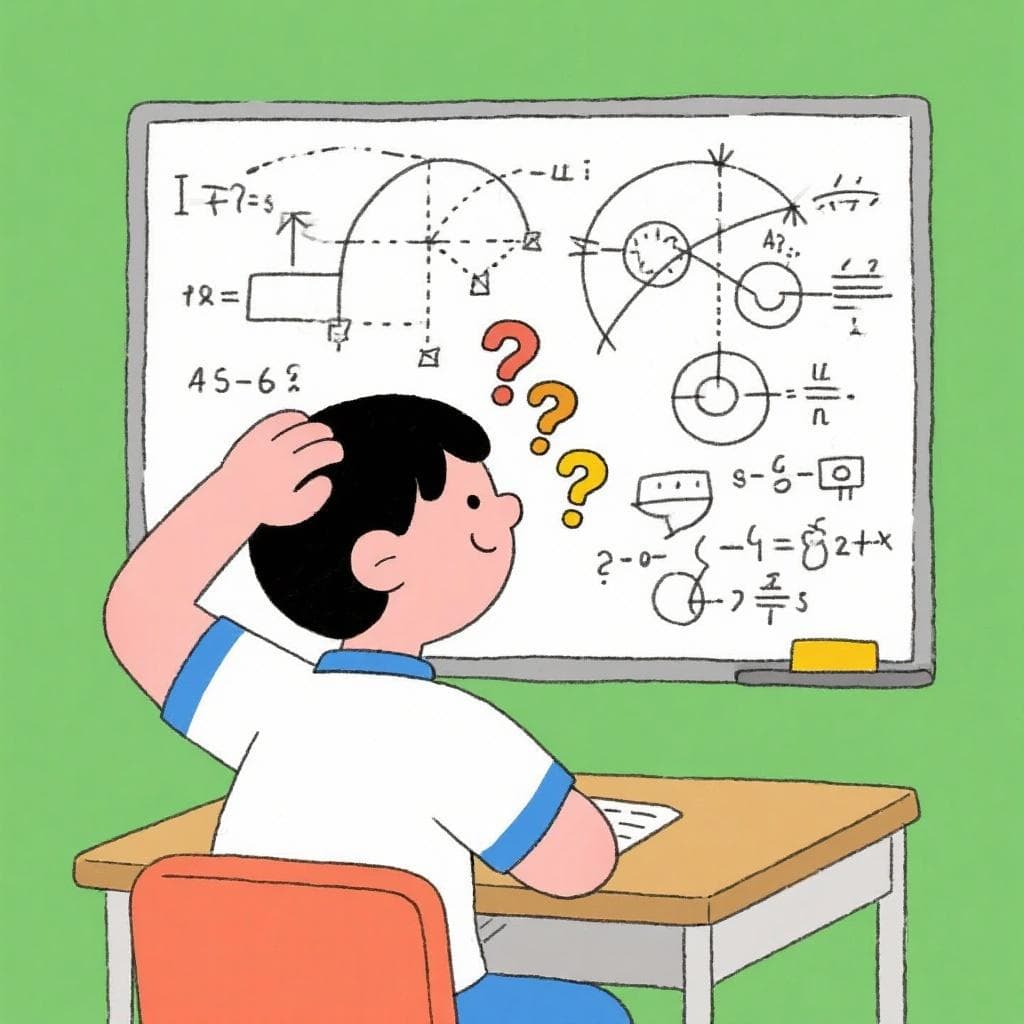
98. Hacerse bolas
ah-SER-seh BOH-lahs
- Literal
- To make oneself into balls
- Meaning
- To become confused
- Region
- Especially Mexico
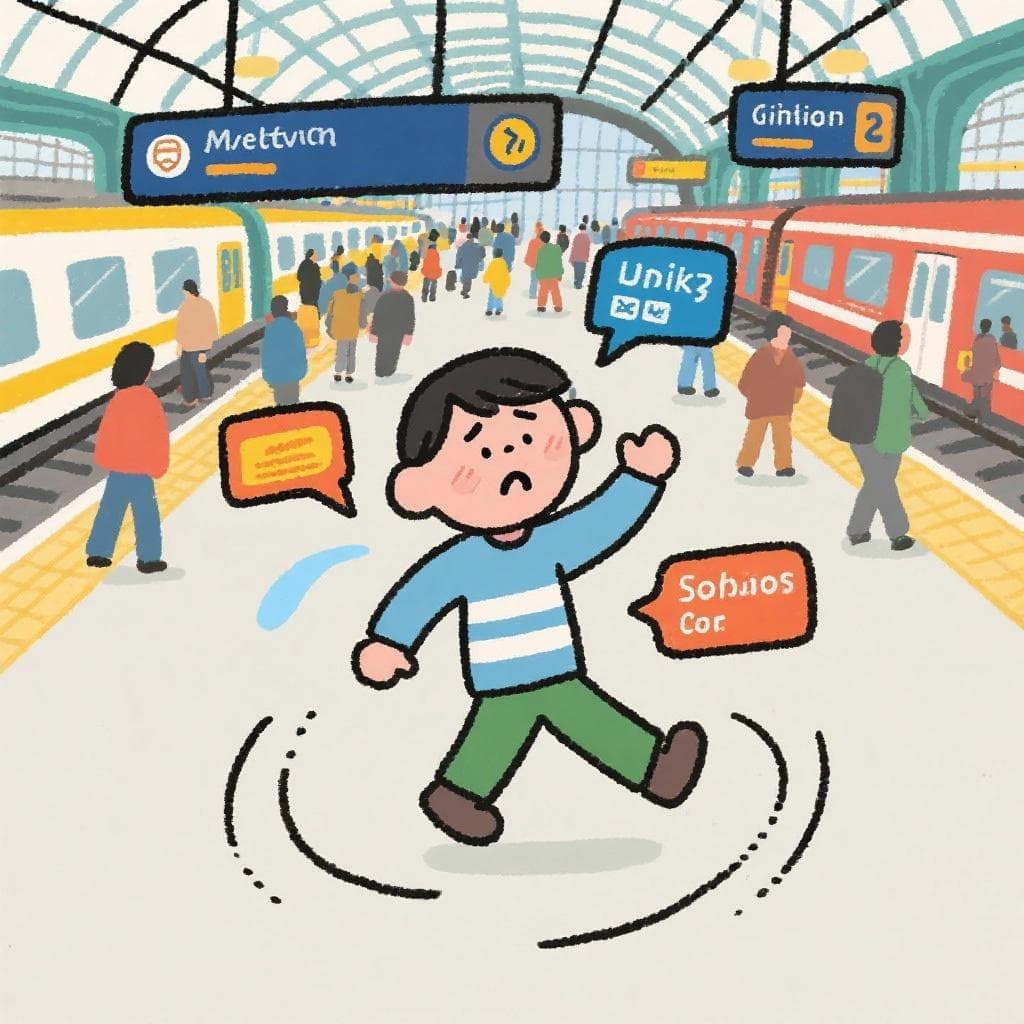
99. Andar como bola sin manija
an-DAR KOH-moh BOH-lah seen mah-NEE-hah
- Literal
- To go around like a ball without a handle
- Meaning
- To be aimless, confused, or running around without direction
- Region
- Argentina and parts of the Southern Cone
100. De tal palo, tal astilla
deh tal PAH-loh tal ahs-TEE-yah
- Literal
- From such a stick, such a splinter
- Meaning
- Children often resemble their parents in personality or behavior
- English
- Like father, like son / The apple doesn't fall far from the tree
Bonus: 10 Spanish sayings worth knowing
Idioms and proverbs overlap, but proverbs usually express a general lesson or piece of folk wisdom.
A quien madruga, Dios le ayuda
- Literal
- God helps whoever wakes up early.
- Meaning
- Starting early gives you an advantage.
Más vale tarde que nunca
- Meaning
- Better late than never. This one translates almost perfectly into English.
Del dicho al hecho hay mucho trecho
- Literal
- From saying to doing there is a long distance.
- Meaning
- Saying you'll do something is much easier than actually doing it.
En boca cerrada no entran moscas
- Literal
- Flies don't enter a closed mouth.
- Meaning
- Sometimes keeping quiet keeps you out of trouble.
El que mucho abarca, poco aprieta
- Literal
- Whoever embraces too much squeezes little.
- Meaning
- If you try to do too many things at once, you probably won't do any of them well.
Cuando el río suena, agua lleva
- Literal
- When the river makes noise, it carries water.
- Meaning
- Persistent rumors often have some truth behind them.
Agua que no has de beber, déjala correr
- Literal
- Water you aren't going to drink, let it flow.
- Meaning
- If something does not concern you, leave it alone.
Las apariencias engañan
- Meaning
- Appearances are deceiving. Do not judge something solely by what it looks like.
Más vale maña que fuerza
- Literal
- Skill is worth more than strength.
- Meaning
- Cleverness and technique can accomplish more than brute force.
El hábito no hace al monje
- Literal
- The habit does not make the monk.
- Meaning
- Appearance does not determine someone's true character.
Idioms from Spain vs. Latin America
One of the difficult things about learning Spanish idioms is that Spanish is not one uniform language. An expression can be completely normal in Madrid and sound unusual in Mexico City. Something every Mexican recognizes may confuse a speaker from Argentina.
| Expression | Especially associated with |
|---|---|
| Estar al loro | Spain |
| Flipar en colores | Spain |
| Ser la leche | Spain |
| Comerse el coco | Spain |
| Caer el veinte | Mexico |
| Echar carrilla | Mexico |
| Hazme el paro | Mexico |
| Estar cañón | Mexico |
| Andar como bola sin manija | Argentina / Southern Cone |
That does not mean speakers elsewhere will never understand them. Movies, television, migration, and the internet constantly move expressions across borders. But as a learner, it is useful to distinguish between expressions you should actively use everywhere, and expressions you mainly need to recognize when you hear speakers from a particular region.
Should Spanish learners actually memorize idioms?
Yes — but not as isolated vocabulary cards.
Imagine memorizing echar leña al fuego = add fuel to the fire. You may remember it for a day.
Now imagine reading a story where two characters are already arguing. A third character arrives, mentions something embarrassing, and the narrator says:
Su comentario solo echó más leña al fuego.Now the expression has a situation attached to it. You know who said it. You know why they said it. You know what happened afterward. That context makes expressions much easier to remember.
The same is true of meter la pata when a character accidentally reveals a secret; estar como un flan before an important date; tirar la toalla when someone considers giving up; or dar la vuelta a la tortilla when someone unexpectedly changes a bad situation.
That is one of the reasons reading is so useful when learning a language.
A short story using Spanish idioms
Here is what several of these expressions look like when they appear naturally.
Carlos tenía una entrevista de trabajo muy importante.
La noche anterior no pegó ojo. Por la mañana estaba hecho polvo y, cuando llegó a la oficina, estaba como un flan.
—Tranquilo —le dijo su amiga Marta—. No te comas el coco.
Carlos intentó relajarse.
Durante la entrevista, el jefe hizo una pregunta difícil. Al principio, Carlos se quedó en blanco, pero después consiguió responder.
—Has dado en el clavo —dijo el jefe.
Carlos salió de la oficina sin saber qué pensar.
Dos días después recibió una llamada.
Había conseguido el trabajo.
No cabía en sí de alegría.
Notice how much easier the idioms are to understand when something is actually happening around them.
How to learn Spanish idioms effectively
Trying to memorize 100 idioms in one sitting is probably not the best use of your afternoon. Instead:
Learn high-frequency expressions first
Start with expressions such as dar en el clavo, meter la pata, echar una mano, tirar la toalla, estar en las nubes, and ser pan comido. You will encounter them repeatedly.
Learn them as complete chunks
Don’t memorize clavo = nail and then try to reconstruct dar en el clavo later. Treat dar en el clavo as one unit meaning “to get something exactly right.”
Pay attention to region
If you primarily consume Mexican Spanish, expressions like caer el veinte are more useful than highly Spain-specific slang. If you live in Madrid, the opposite may be true.
Notice idioms while reading
Whenever you encounter a phrase whose literal translation seems bizarre, stop and ask whether it might be idiomatic. Spanish stories are full of them.
Use them selectively
Knowing an idiom does not mean you need to force it into every conversation. The goal is to recognize natural Spanish first. Active use tends to follow naturally after repeated exposure.
Frequently asked questions about Spanish idioms
What is an idiom in Spanish?
An idiom is a fixed or semi-fixed expression whose intended meaning is different from, or more specific than, the literal meanings of its individual words. For example, estar en las nubes literally means “to be in the clouds,” but usually means someone is distracted or daydreaming.
What are the most common Spanish idioms?
Some useful expressions to learn early include: estar en las nubes (to be daydreaming), meter la pata (to mess up), dar en el clavo (to be exactly right), echar una mano (to help), tomar el pelo (to tease someone), tirar la toalla (to give up), ser pan comido (to be easy), hablar por los codos (to talk excessively), ponerse las pilas (to get your act together), and estar como pez en el agua (to be in your element).
Are Spanish idioms the same in Spain and Latin America?
Some are widely understood throughout the Spanish-speaking world, while others are regional. Spain, Mexico, Argentina, Colombia, Chile, the Caribbean, and other regions all have their own colloquial expressions.
What's the difference between an idiom and a proverb?
An idiom normally functions as part of a sentence: Metí la pata (I messed up). A proverb normally expresses a complete piece of advice or observation: Más vale tarde que nunca (Better late than never). The boundary is not always perfectly clear, and learners will often see both described broadly as Spanish expressions or sayings.
Should beginners learn Spanish idioms?
Beginners do not need hundreds of idioms, but learning a few common ones is useful. Expressions like echar una mano, meter la pata, estar en las nubes, and ser pan comido appear frequently enough that recognizing them can make real Spanish much easier to understand.
Why are Spanish idioms difficult to understand?
Because translating them word by word often produces nonsense. If you translate no está el horno para bollos literally, you get “The oven isn’t ready for buns.” The intended meaning — “this isn’t a good time to cause more trouble” — can only be understood by knowing the expression as a whole.
What's the best way to remember Spanish idioms?
Encounter them repeatedly in meaningful contexts. Stories, conversations, podcasts, television, and books allow you to associate the idiom with an actual situation rather than an isolated English translation.
From Spanish idioms to real Spanish
Idioms are one of the points where a language stops feeling like something you are translating and starts feeling like something you actually understand.
At first, estar en las nubes looks strange.
Eventually, you stop picturing clouds. You simply understand what the speaker means.
The same happens with meter la pata, dar en el clavo, tomar el pelo, tirar la toalla, and hundreds of other expressions.
And the best way to reach that point is to encounter Spanish inside situations where those expressions actually make sense.