How to Say "abundance" in Spanish
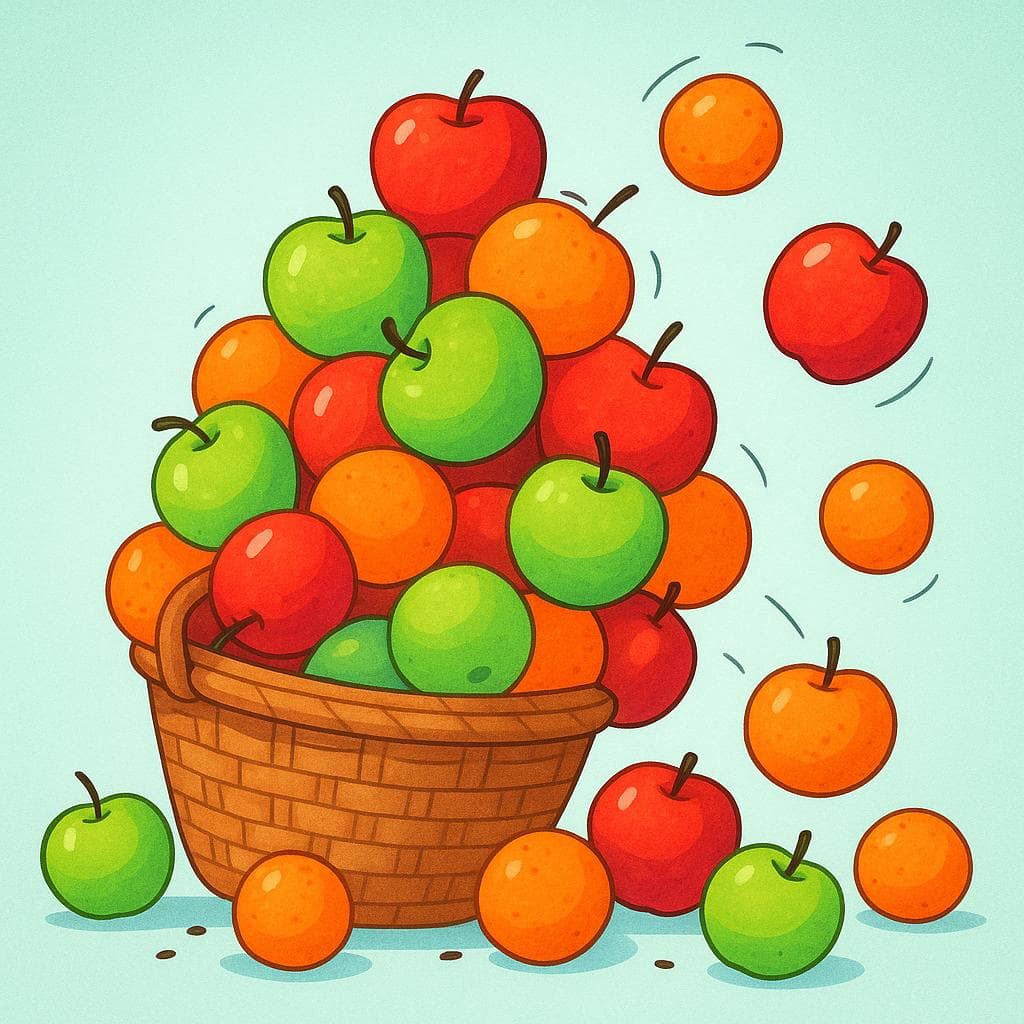
The most common Spanish word for “abundance” is “abundancia” — use this word when referring to a large quantity or plentiful supply of something, often in a neutral or positive sense.



abundancia
ah-boon-DAHN-syahaβunˈdanθja

Examples
Hay una gran abundancia de frutas en el mercado.
There is a great abundance of fruit in the market.
Ellos viven en la abundancia gracias a su negocio.
They live in wealth thanks to their business.
La abundancia de detalles en el cuadro es impresionante.
The wealth of details in the painting is impressive.
Using 'de' with Abundancia
When you want to say what there is an abundance OF, always use the word 'de' right after 'abundancia'.
Always Feminine
This word is always feminine, so you must use 'la' or 'una' with it, even if the things you are talking about are masculine.
Confusing with 'Abundante'
Mistake: “Hay una abundante de comida.”
Correction: Hay una abundancia de comida. Use 'abundancia' for the noun (the thing) and 'abundante' for the adjective (describing the thing).
riqueza
ree-KEH-sahriˈke.θa

Examples
La riqueza cultural de México es impresionante.
The cultural richness of Mexico is impressive.
Me encanta la riqueza de sabor de este café colombiano.
I love the richness of flavor in this Colombian coffee.
El bosque tropical es conocido por su riqueza biológica.
The tropical forest is known for its biological abundance (diversity).
Using 'de'
When describing what kind of richness you mean, Spanish almost always uses the word 'de' (of): 'riqueza de color' (richness of color), 'riqueza de ideas' (richness of ideas).
Confusing Quality and Quantity
Mistake: “Usar 'cantidad de riqueza' (quantity of richness).”
Correction: Use 'gran riqueza' (great richness) to imply a lot of quality, or specify the type: 'riqueza biológica'.
exceso
eks-SEH-sohekˈse.so
Examples
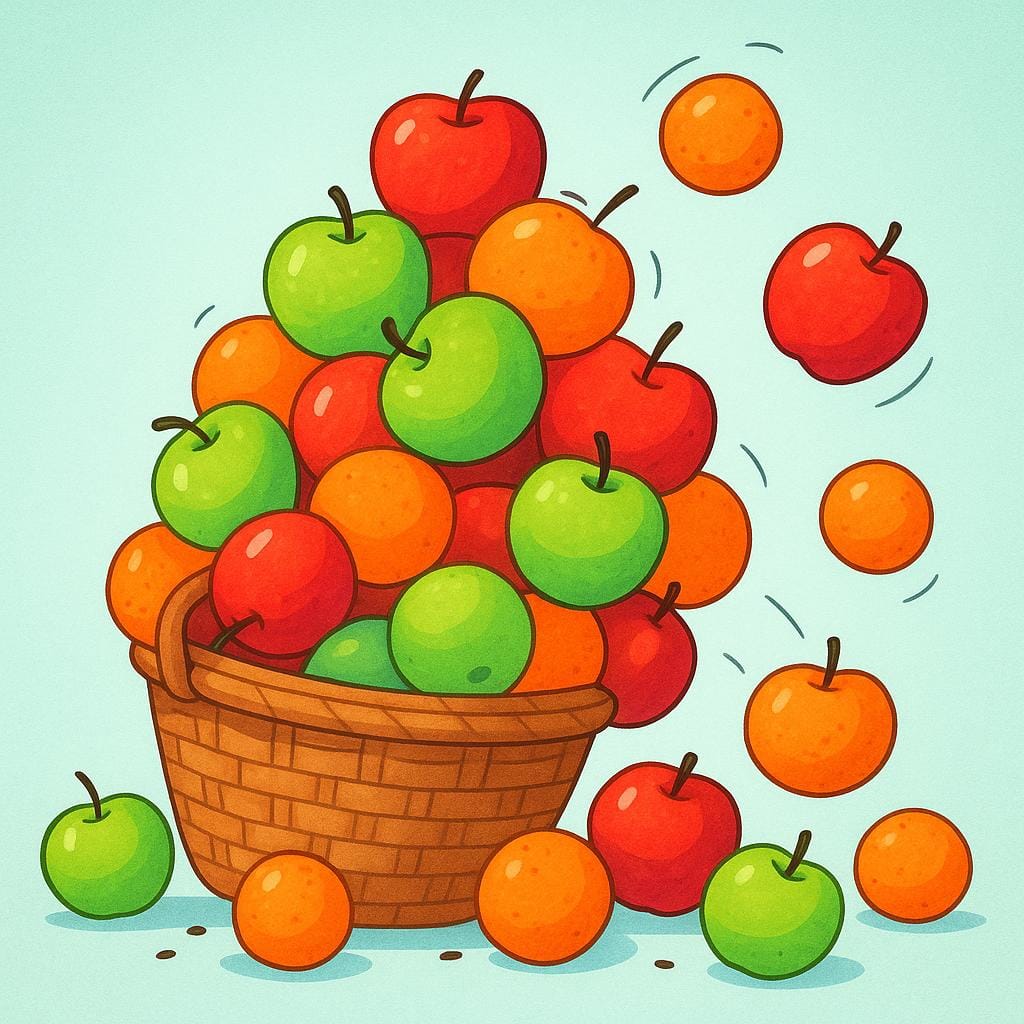
Condujo con exceso de velocidad y le pusieron una multa.
He drove with excessive speed and was given a ticket.
Hay un exceso de azúcar en esta receta, es demasiado dulce.
There is an excess of sugar in this recipe; it's too sweet.
Debemos evitar el exceso de trabajo para cuidar nuestra salud.
We must avoid overworking (an excess of work) to take care of our health.
Using 'de' with Exceso
You almost always use the little connecting word 'de' (of) after 'exceso' to show what there is too much of: 'exceso de sal' (excess of salt).
Translating 'Too much'
Mistake: “Using 'demasiado' directly as a noun: 'Hay demasiado en la mesa.'”
Correction: Use 'exceso' when talking about the quantity itself: 'Hay un exceso de cosas en la mesa.' ('Demasiado' is usually an adjective or adverb.)
multitud
mool-tee-TOODmultiˈtuð

Examples
El proyecto enfrentó una multitud de problemas técnicos.
The project faced a multitude of technical problems.
Hay una multitud de razones por las que debemos actuar ahora.
There is a host of reasons why we must act now.
Formal Usage
This meaning is often used in writing or formal speech, similar to how 'a host of' or 'a multitude of' is used in English.
océano
Examples
Después de la universidad, tenía un océano de posibilidades frente a ella.
After university, she had an ocean of possibilities in front of her.
orgía
Examples
El jardín en primavera es una orgía de colores y aromas.
The garden in spring is an abundance of colors and scents.
Abundancia vs. Exceso
Related Translations
Learn Spanish with Inklingo
Interactive stories, personalized learning, and more.