How to Say "biceps" in Spanish
The most common Spanish word for “biceps” is “músculos” — use this general term when referring to muscles in your arms or body in a broad sense, especially when discussing exercise and strengthening.
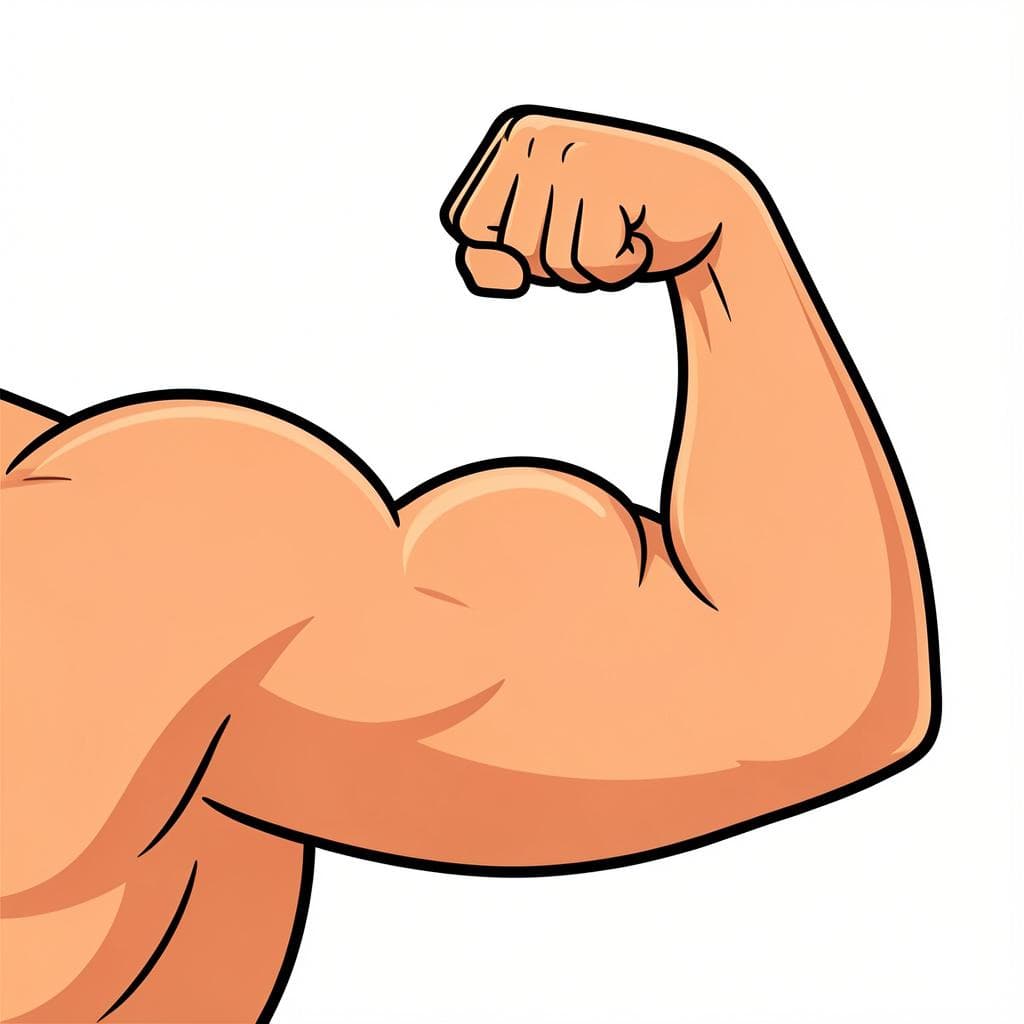
músculos
Examples
Necesitas hacer ejercicio para fortalecer tus músculos.
You need to exercise to strengthen your muscles.
conejos
koh-NEH-hohskoˈnexos
Examples
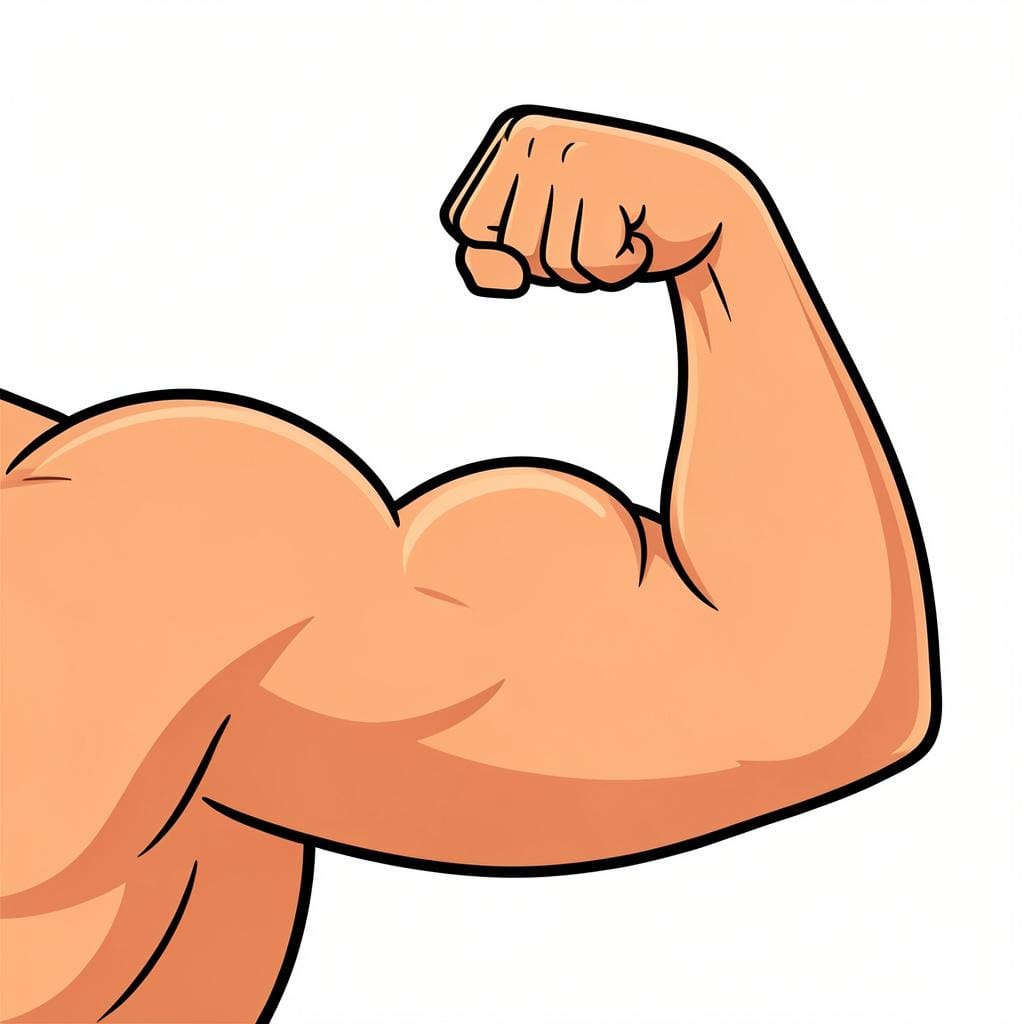
¡Mira los conejos que tiene ese gimnasta!
Look at the biceps that gymnast has!
Después de tanto ejercicio, por fin me están saliendo conejos.
After so much exercise, I'm finally getting some biceps.
Why plural?
Usually, people have two arms, so they show off their 'conejos' (biceps) in the plural form.
Context is Key
Mistake: “Using 'conejos' for muscles in a doctor's office.”
Correction: This is slang. Use 'bíceps' or 'músculos' in professional or medical settings.
Choosing between 'músculos' and 'conejos'
Related Translations
Learn Spanish with Inklingo
Interactive stories, personalized learning, and more.