How to Say "resources" in Spanish
The most common Spanish word for “resources” is “recursos” — use this as the general, all-purpose translation for materials, funds, or assets when no more specific term applies.




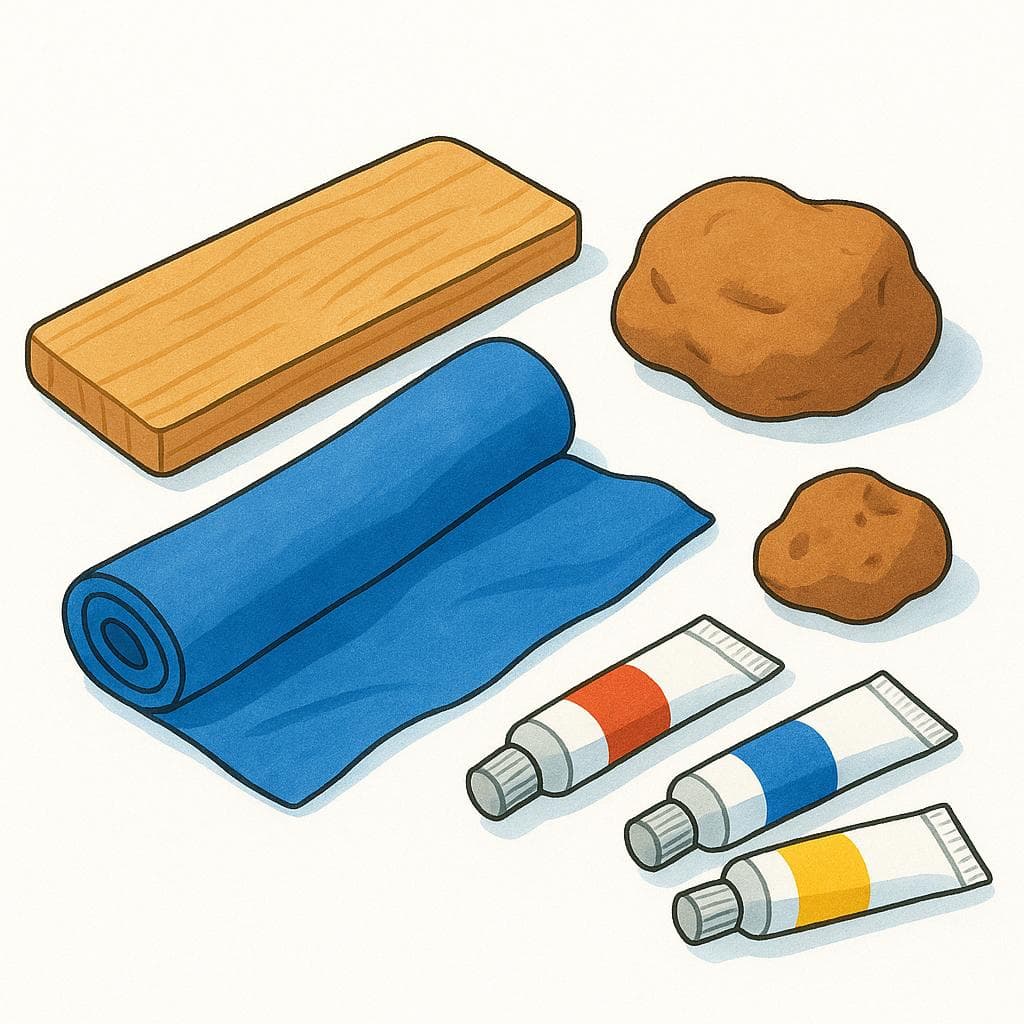


recursos
reh-KOOR-sosreˈkuɾsos

Examples
Necesitamos más recursos para terminar el proyecto a tiempo.
We need more resources to finish the project on time.
Los recursos naturales del país son muy valiosos.
The country's natural resources are very valuable.
La escuela no tiene suficientes recursos económicos.
The school doesn't have enough financial resources (funds).
Always Plural
In this context, 'recursos' is almost always used in the plural when referring to general assets or funds.
Confusing 'Recurso' and 'Recursos'
Mistake: “Using 'recurso' (singular) when talking about multiple funds or general assets.”
Correction: Use 'recursos' (plural) when talking about resources in general, like money or materials.
fuentes
FWEHN-tehsˈfwen̪tes

Examples
Debes citar las fuentes de información en tu ensayo.
You must cite the sources of information in your essay.
Están buscando nuevas fuentes de energía renovable.
They are looking for new sources of renewable energy.
Connecting to the Noun
When talking about the source of something, you almost always use the preposition 'de': 'fuentes de ingresos' (sources of income).
medios
MEH-dee-ohsˈmeðjos

Examples
No tenemos los medios económicos para hacer ese viaje.
We don't have the financial means/funds to take that trip.
Debemos usar todos los medios a nuestro alcance para resolver el problema.
We must use every means at our disposal to solve the problem.
El fin no justifica los medios.
The end does not justify the means.
Means vs. Resources
When 'medios' refers to money or assets, it often takes the adjective 'económicos' (financial) or 'materiales' (material).
herramientas
ehr-ra-mee-EN-tase.raˈmjen.tas

Examples
La empatía es una herramienta fundamental para el liderazgo.
Empathy is a fundamental tool/asset for leadership.
Las herramientas digitales facilitan el trabajo remoto.
Digital tools/resources facilitate remote work.
Necesitamos nuevas herramientas para resolver este problema.
We need new methods/strategies to solve this problem.
Figurative Use
When used figuratively, 'herramientas' refers to any skill, knowledge, or resource that helps you complete a task, just like physical tools do.
Using the Singular
Mistake: “The knowledge is a tool: 'El conocimiento es una herramienta.'”
Correction: While grammatically correct, it is far more common to speak of skills or knowledge in the plural: 'El conocimiento es una de las herramientas más valiosas.' (Knowledge is one of the most valuable tools/assets.)
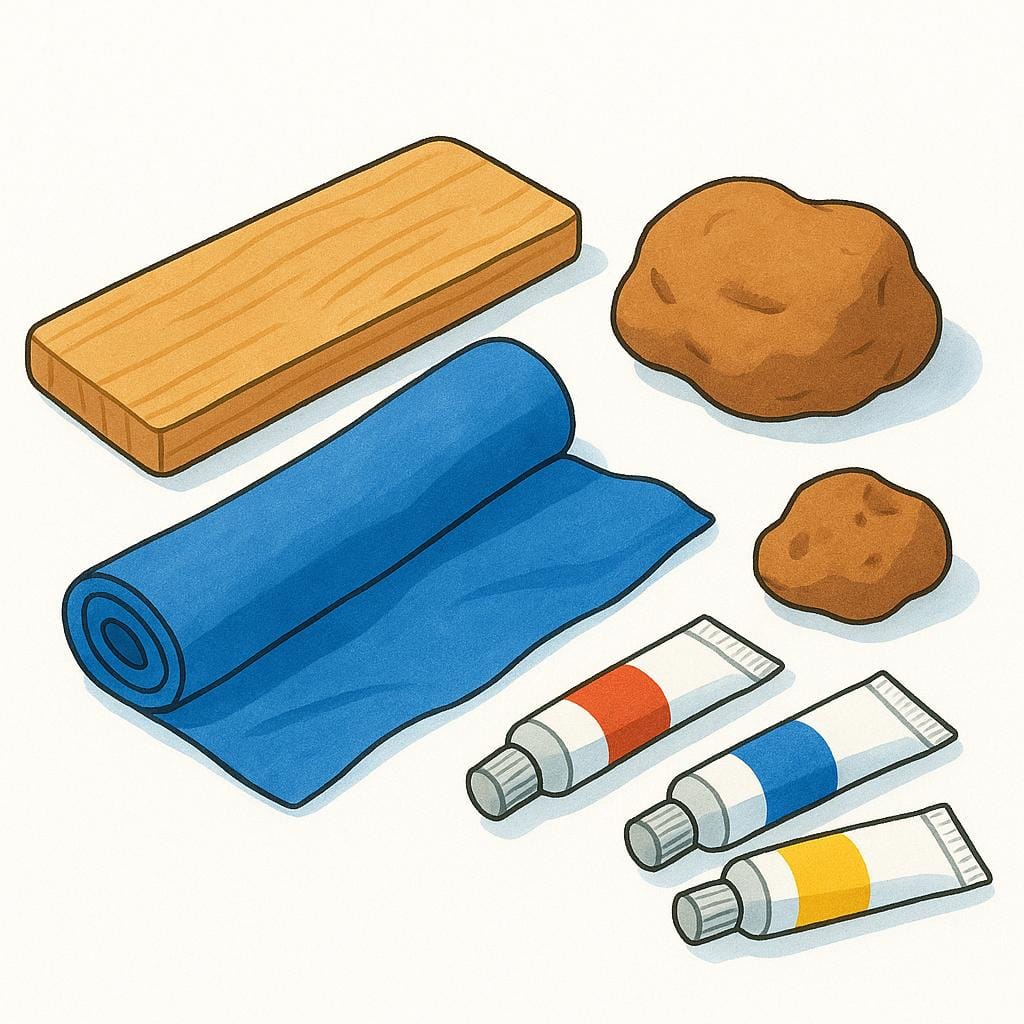
materiales
mah-teh-RYAH-lehsma.teˈɾja.les
Examples
Olvidé mis materiales escolares en casa.
I forgot my school supplies at home.
Necesitamos comprar los materiales de construcción para empezar la obra.
We need to buy the construction materials to start the work.
Los materiales didácticos están disponibles en línea.
The teaching resources are available online.
Always Plural for Supplies
When referring to 'supplies' or 'gear' in general, Spanish almost always uses the plural form 'materiales,' even if in English you might say 'material' (singular).
Mixing up 'Material' and 'Tela'
Mistake: “Using 'material' to mean 'fabric' or 'cloth.'”
Correction: Use 'tela' (fabric) or 'tejido' (textile) when talking about clothing or sewing. Use 'materiales' for general supplies or substances.
posibles
poh-SEE-blehspoˈsi.βles

Examples
Puso todos sus posibles en la inversión de la nueva empresa.
He put all his resources/means into the investment of the new company.
Con los posibles que tenemos, es mejor ser cautelosos.
With the means (resources) we have, it is better to be cautious.
Adjective Acting as a Noun
In this specific use, the adjective 'posibles' is used alone with an article ('los') and acts like a noun, meaning 'the available resources' or 'the means at your disposal'.
posibilidades
poh-see-bee-lee-DAH-desposibiliˈðaðes

Examples
La familia no tiene muchas posibilidades económicas.
The family does not have many financial resources (or means).
Con sus posibilidades, podría comprar un coche nuevo.
With his resources, he could buy a new car.
Context is Key
When used alongside words like 'económicas' (economic) or 'financieras' (financial), 'posibilidades' shifts its meaning from 'chances' to 'available money' or 'wealth'.
músculos
Examples
El banco demostró sus músculos financieros en la adquisición.
The bank showed its financial muscle (power) in the acquisition.
General vs. Specific Contexts
Related Translations
Learn Spanish with Inklingo
Interactive stories, personalized learning, and more.