How to Say "birthmark" in Spanish
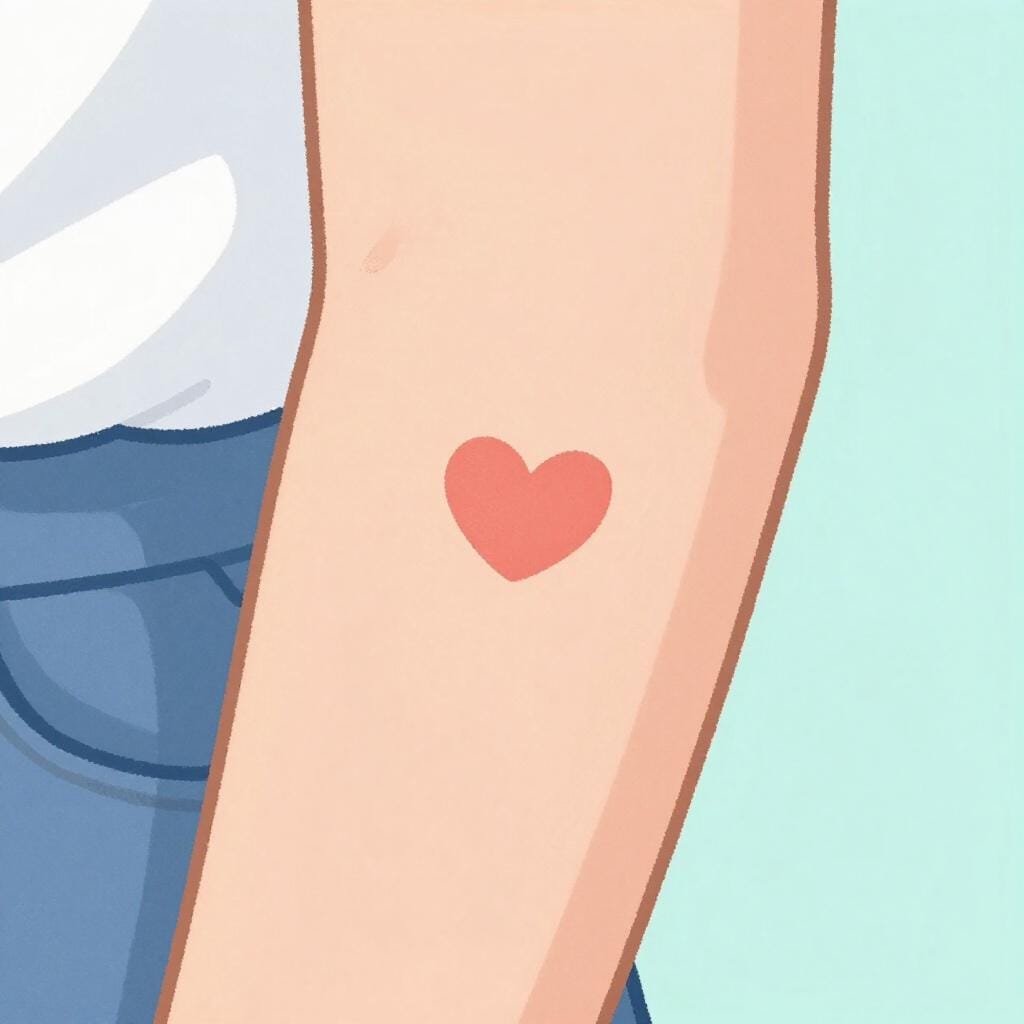
The most common Spanish word for “birthmark” is “antojo” — use 'antojo' when referring to a birthmark that is a distinct skin marking present from birth, often a colored patch or a raised area.


an-TO-hoanˈtoxo
Examples
El bebé nació con un pequeño antojo en el brazo.
The baby was born with a small birthmark on his arm.
Mi abuela dice que mi antojo es por una fresa que ella quería.
My grandmother says my birthmark is because of a strawberry she wanted.
Context is Key
You can tell this means 'birthmark' when people are describing someone's physical appearance rather than their hunger.
loo-NAHRluˈnaɾ

Examples
Mi abuela tiene un lunar grande justo debajo del ojo.
My grandmother has a large mole right under her eye.
Ella se dibujó un pequeño lunar con lápiz para verse más elegante.
She drew a small beauty mark with a pencil to look more elegant.
Hay que revisar los lunares que cambian de forma.
You have to check moles that change shape.
Gender Reminder
Even though it ends in '-ar', this noun is masculine: 'el lunar.' Remember to use 'un' or 'el' with it.
Antojo vs. Lunar
Learners often use 'lunar' too broadly for any birthmark. Remember that 'lunar' specifically means 'mole,' a common type of birthmark. For other types of birthmarks, like a 'port-wine stain' or 'strawberry mark,' 'antojo' is the more appropriate and common term.
Related Translations
Learn Spanish with Inklingo
Interactive stories, personalized learning, and more.