How to Say "birthplace" in Spanish
The most common Spanish word for “birthplace” is “cuna” — use 'cuna' when referring to the figurative origin or starting point of a concept, idea, art form, or movement.
cuna
KOO-nahˈku.na
Examples
Madrid es la cuna del arte moderno.
Madrid is the birthplace of modern art.
Sevilla es considerada la cuna del flamenco.
Seville is considered the cradle (birthplace) of flamenco.
Aunque de cuna humilde, el artista conquistó el mundo.
Although from humble beginnings (a humble cradle), the artist conquered the world.
Figurative Use
When cuna is used this way, it refers less to a physical object and more to the starting point or social background where someone or something important was created or developed.
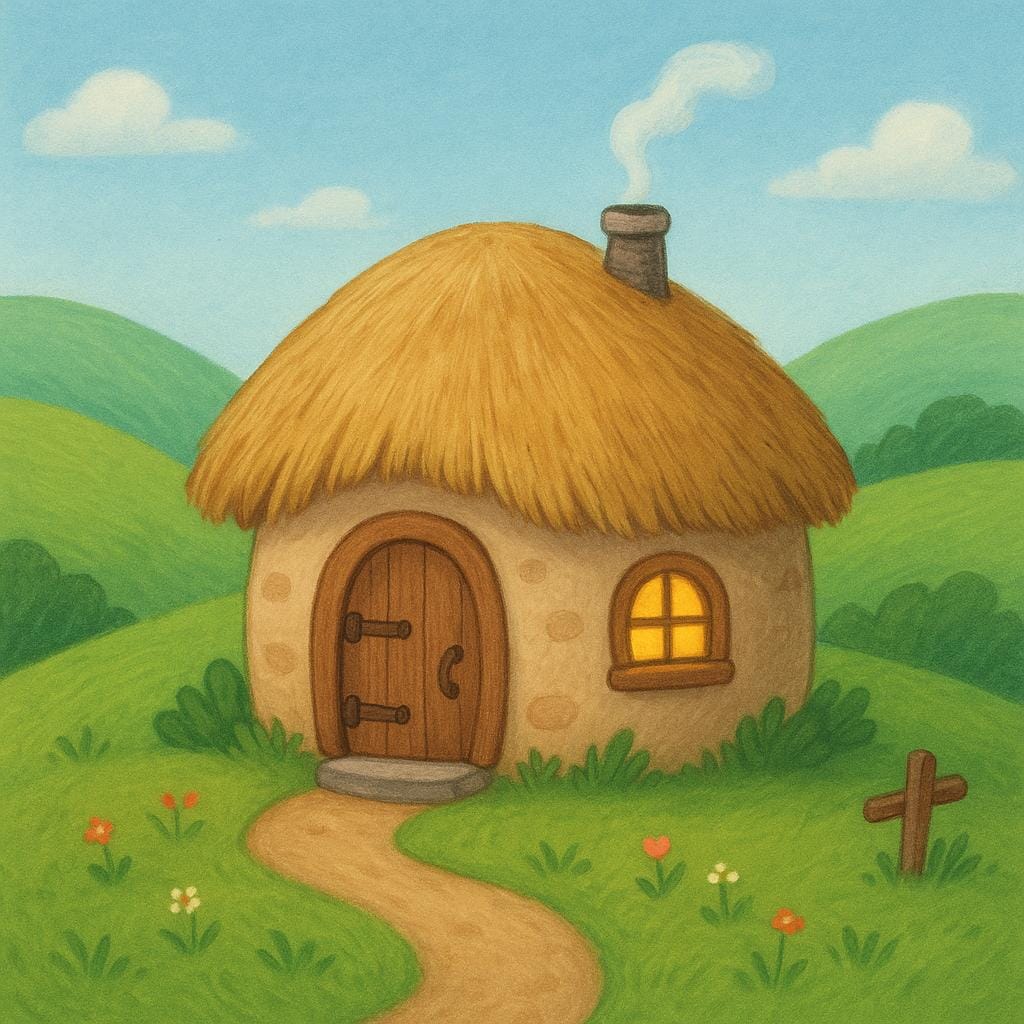
nido
nee-dohˈniðo
Examples
Volvió a su nido después de muchos años en el extranjero.
He returned to his nest/home after many years abroad.
Después de la universidad, volví a mi nido familiar por un tiempo.
After university, I returned to my family home/haven for a while.
Este pueblo es mi nido; no importa dónde vaya, siempre vuelvo.
This town is my birthplace; no matter where I go, I always return.
Using 'nido' for any house
Mistake: “Mi nido es grande.”
Correction: Mi casa es grande. ('Nido' implies warmth and belonging, use 'casa' for a neutral building description.)
patria
PAH-tree-ahˈpa.tɾja
Examples
Egipto es la patria de las pirámides.
Egypt is the birthplace of the pyramids.
Grecia es considerada la patria de la democracia.
Greece is considered the birthplace of democracy.
México es la patria del maíz y el chile.
Mexico is the native land of corn and chili.
Figurative vs. Literal Origin
Related Translations
Learn Spanish with Inklingo
Interactive stories, personalized learning, and more.