How to Say "haven" in Spanish
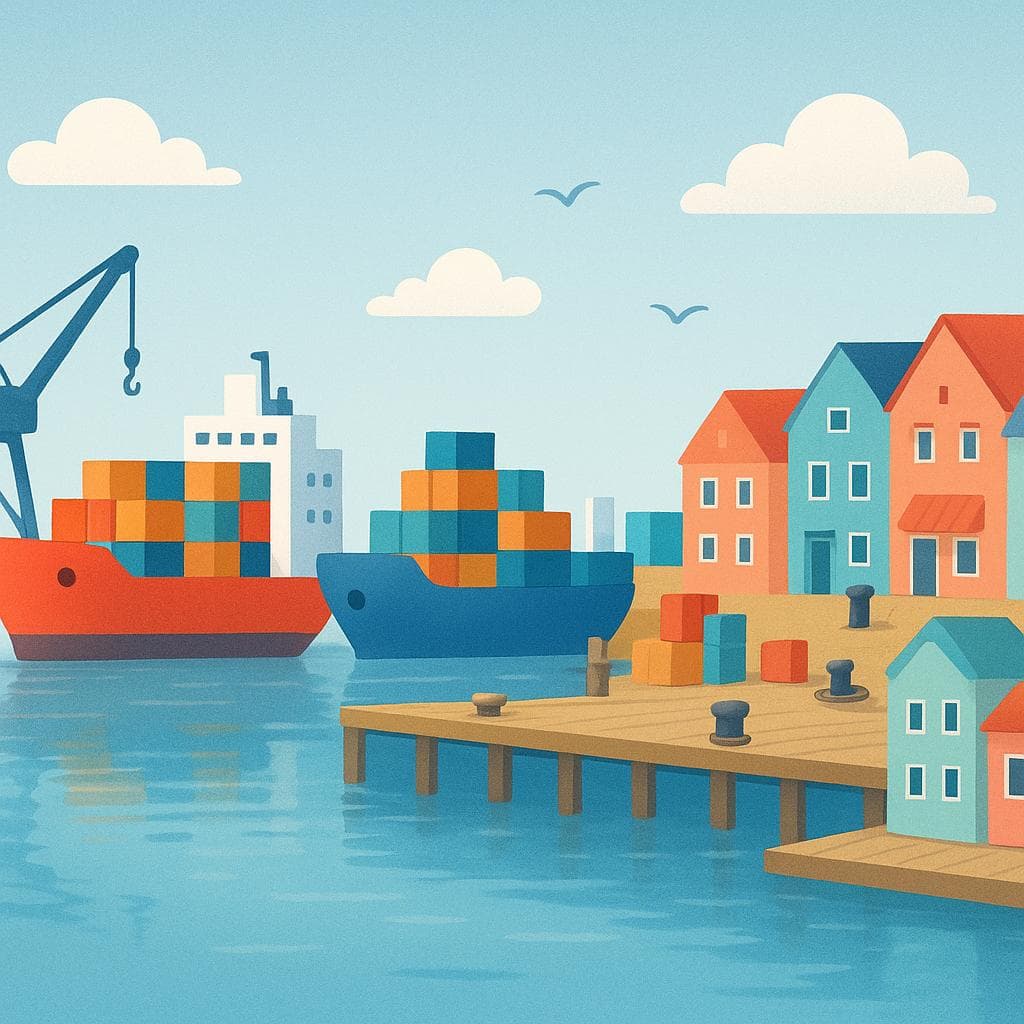
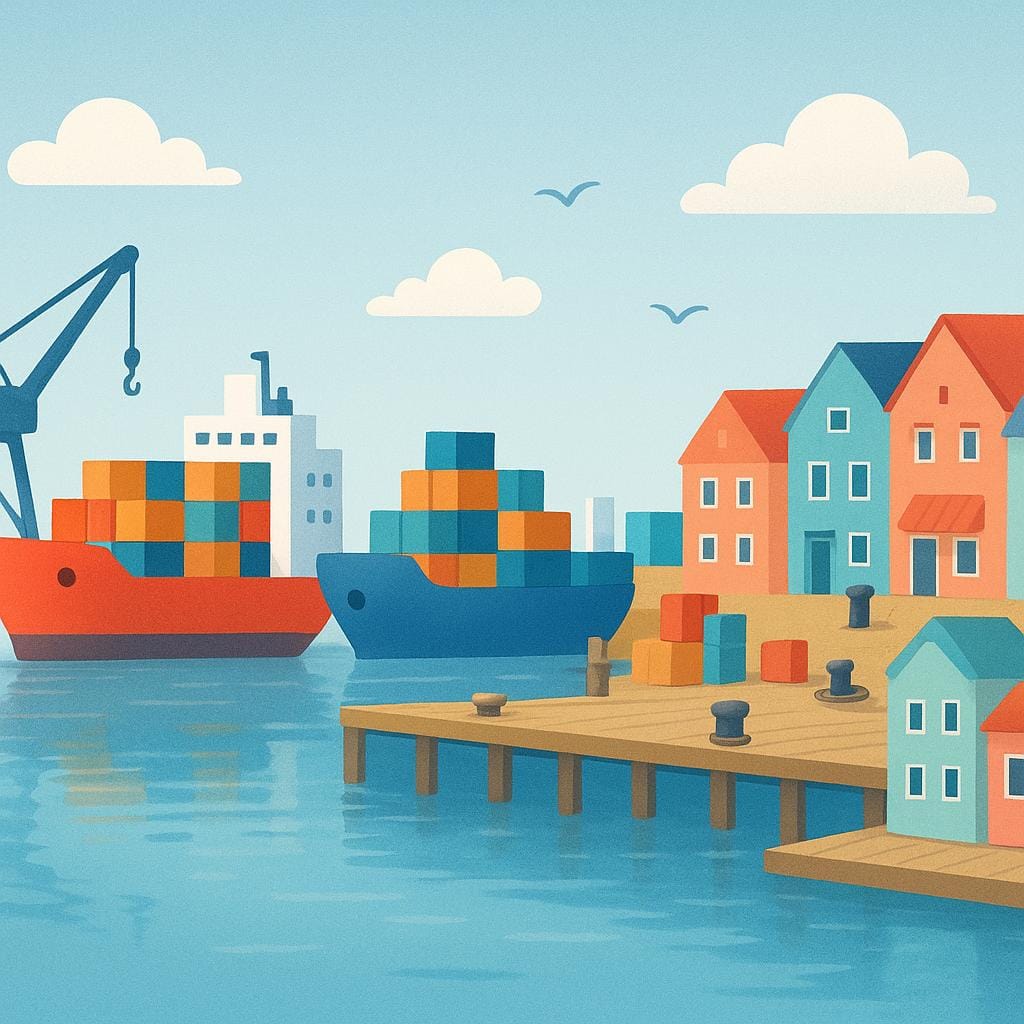
The most common Spanish word for “haven” is “puerto” — use 'puerto' when referring to a literal port or harbor where ships dock, or figuratively for a place of safety and refuge, often in a more literary context.


puerto
PWEHR-tohˈpweɾto
Examples
El barco encontró un puerto seguro durante la tormenta.
The ship found a safe haven during the storm.
El crucero atracó en el puerto de Barcelona esta mañana.
The cruise ship docked in the port of Barcelona this morning.
Necesitamos un buen puerto para protegernos de la tormenta.
We need a good harbor to protect ourselves from the storm.
Masculine Noun Rule
Remember that 'puerto' is always a masculine noun, so it takes masculine articles: 'el puerto' (the port) or 'un puerto' (a port).
nido
nee-dohˈniðo

Examples
Después de viajar por el mundo, regresó a su nido para descansar.
After traveling the world, he returned to his haven to rest.
Después de la universidad, volví a mi nido familiar por un tiempo.
After university, I returned to my family home/haven for a while.
Este pueblo es mi nido; no importa dónde vaya, siempre vuelvo.
This town is my birthplace; no matter where I go, I always return.
Using 'nido' for any house
Mistake: “Mi nido es grande.”
Correction: Mi casa es grande. ('Nido' implies warmth and belonging, use 'casa' for a neutral building description.)
santuario
san-TWAH-ree-ohsanˈtwaɾjo

Examples
El bosque se convirtió en un santuario para los animales en peligro.
The forest became a haven for endangered animals.
Este parque es un santuario de vida silvestre, prohibida la caza.
This park is a wildlife sanctuary; hunting is prohibited.
La biblioteca era su santuario personal, lejos del ruido de la ciudad.
The library was her personal sanctuary, far from the noise of the city.
Figurative Use
You can use 'santuario' metaphorically for any place where you feel completely safe, calm, or protected, like a favorite room or a quiet garden.
paraíso
Examples
Esa isla remota es un verdadero paraíso para los buceadores.
That remote island is a true haven for divers.
Figurative vs. Literal Haven
Related Translations
Learn Spanish with Inklingo
Interactive stories, personalized learning, and more.