How to Say "blight" in Spanish
The most common Spanish word for “blight” is “enfermedad” — use 'enfermedad' when 'blight' refers to a destructive disease that spoils or damages something, especially plants or crops, or metaphorically, a social ill.
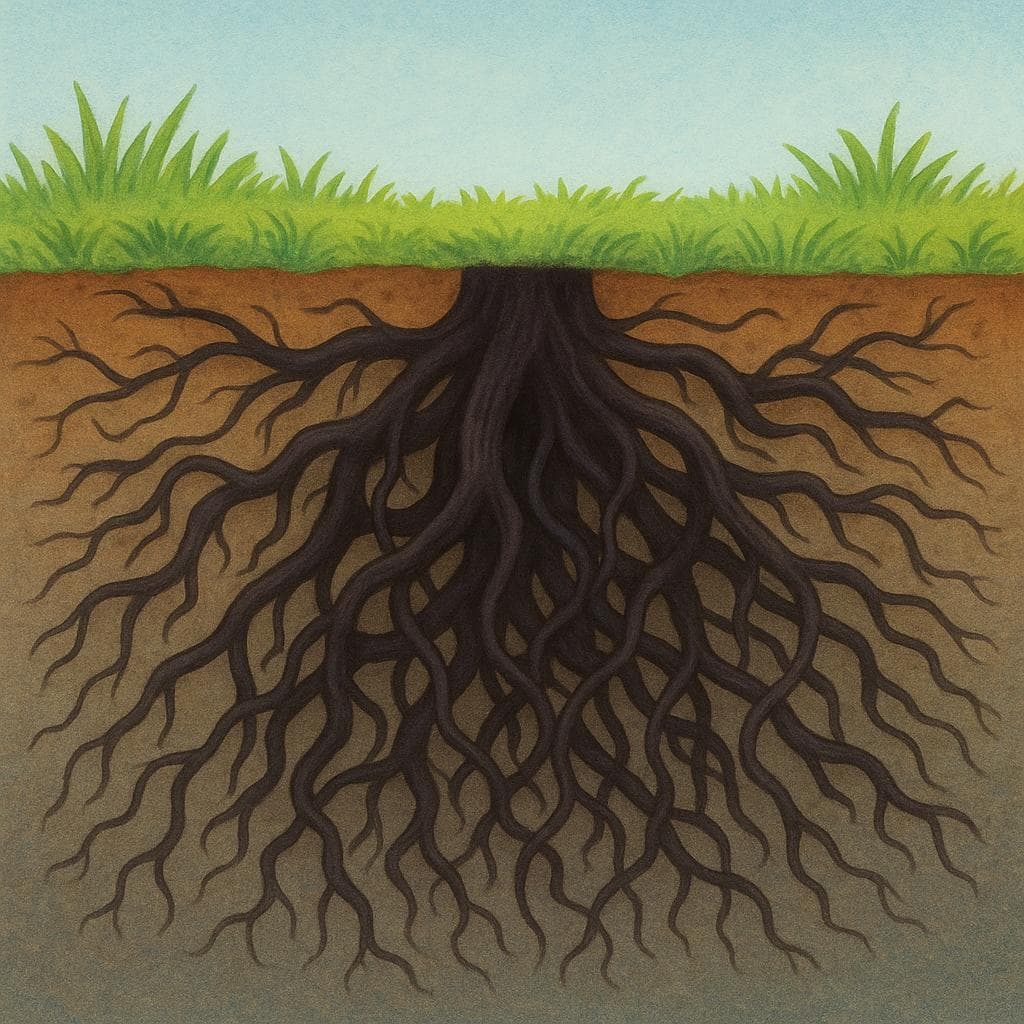
enfermedad
en-fer-meh-DATHen.feɾ.meˈðað

Examples
La sequía causó una plaga que actuó como una enfermedad en los cultivos.
The drought caused a plague that acted like a blight on the crops.
La desigualdad es la enfermedad de nuestra sociedad.
Inequality is the social ill of our society.
El escritor describió la corrupción como una enfermedad que consume al gobierno.
The writer described corruption as a blight consuming the government.
úlcera
Examples
La corrupción es una úlcera que corroe los cimientos de la nación.
Corruption is a blight that corrodes the foundations of the nation.
Enfermedad vs. Úlcera
Related Translations
Learn Spanish with Inklingo
Interactive stories, personalized learning, and more.