How to Say "brain" in Spanish
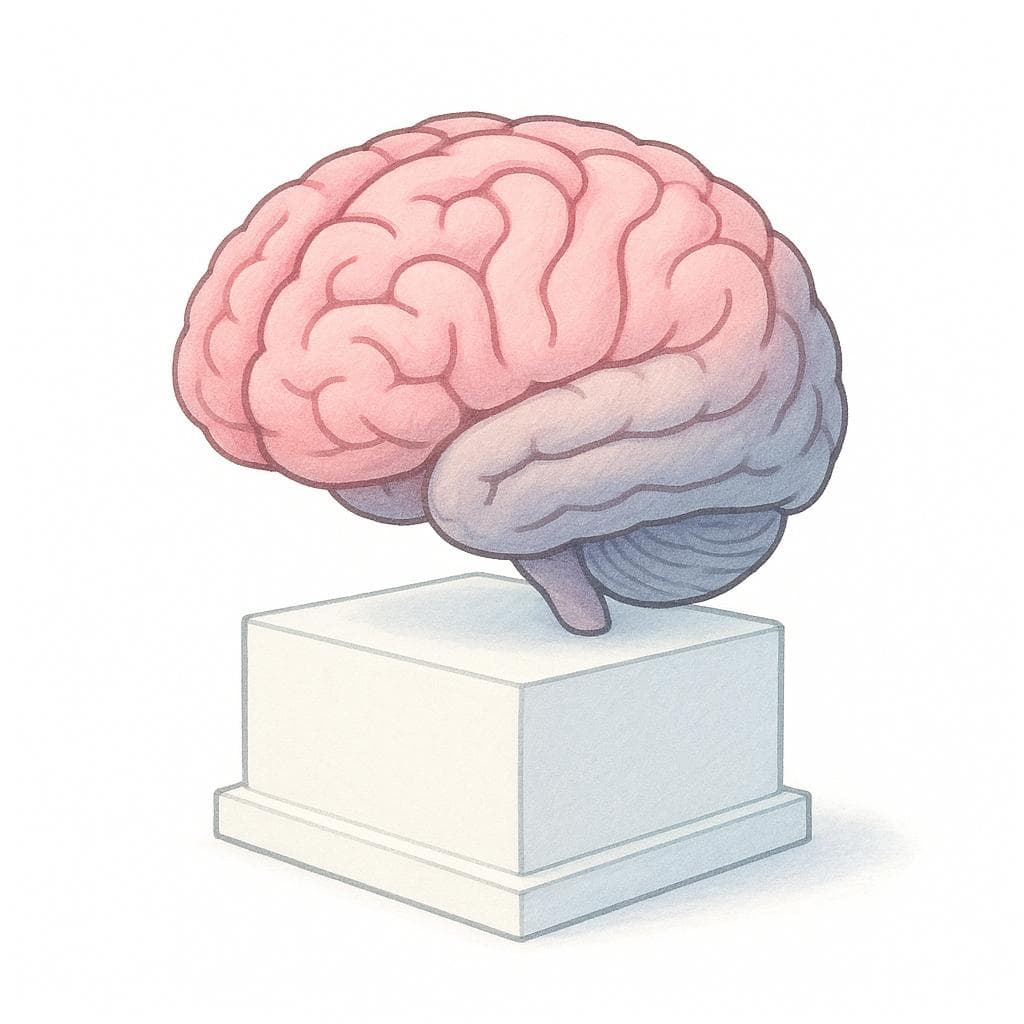
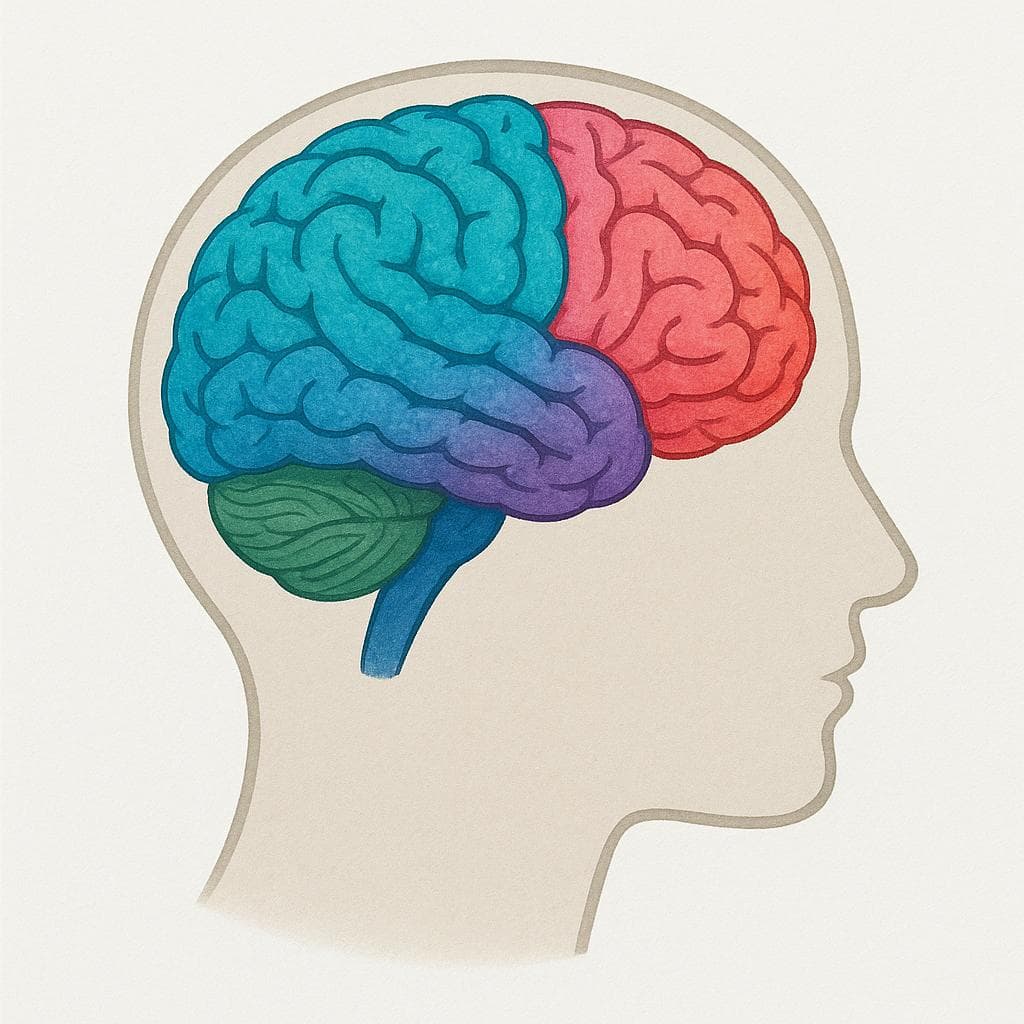
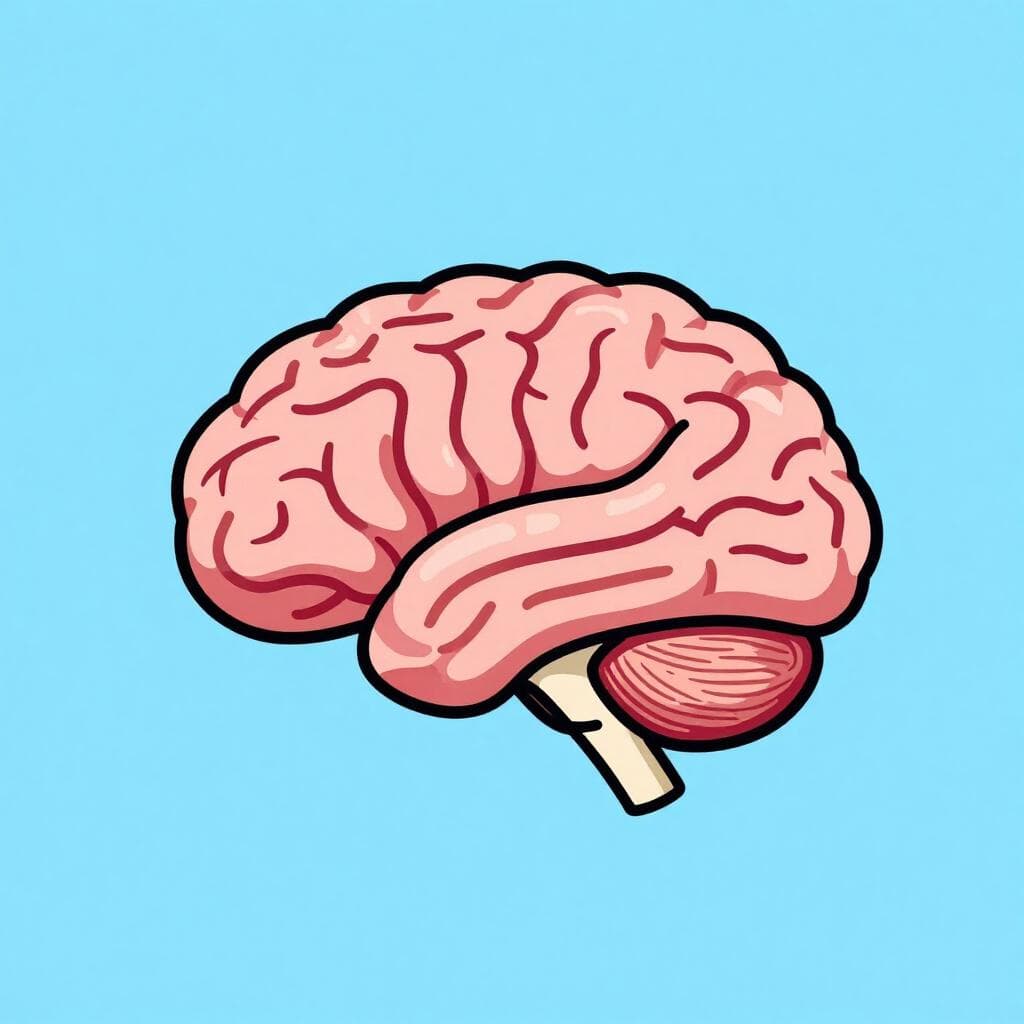
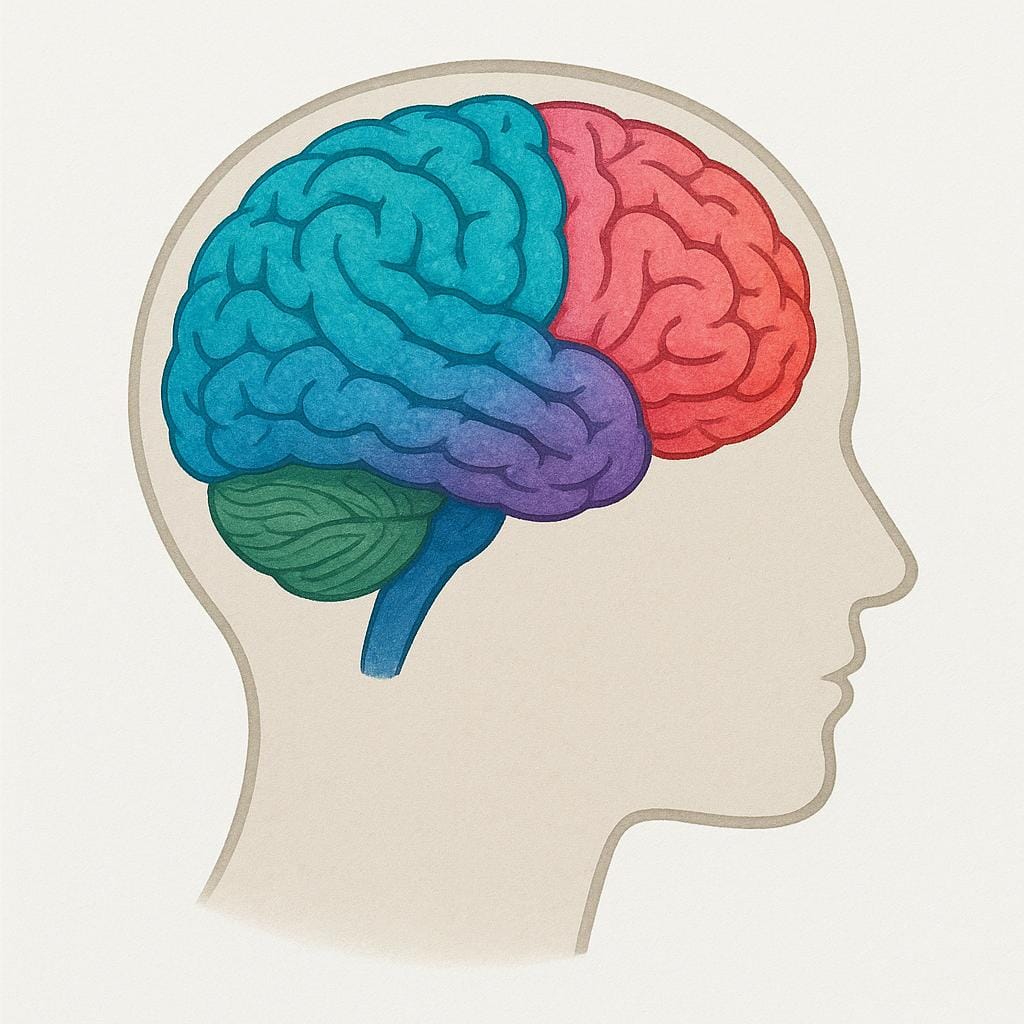
The most common Spanish word for “brain” is “cerebro” — use 'cerebro' when referring to the physical organ inside the head, or metaphorically for the seat of intelligence and thought.
cerebro
seh-REH-brohseˈɾe.βɾo
Examples
El cerebro controla todas las funciones del cuerpo.
The brain controls all the body's functions.
El cerebro humano es un órgano muy complejo.
The human brain is a very complex organ.
Es importante proteger el cerebro usando un casco al andar en bicicleta.
It's important to protect the brain by wearing a helmet when riding a bike.
It's a 'He' Word (Masculine)
'Cerebro' is a masculine noun because it ends in '-o'. This means you'll always use 'el' or 'un' with it. For example, 'el cerebro' (the brain).
cerebral
seh-reh-BRAHLθeɾeˈβɾal
Examples
La resonancia magnética mostró una actividad cerebral inusual.
The MRI showed unusual cerebral activity.
El paciente sufrió daño cerebral tras el accidente.
The patient suffered cerebral damage (brain damage) after the accident.
La corteza cerebral es la parte exterior del cerebro.
The cerebral cortex is the outer part of the brain.
Adjective Agreement
Like many Spanish adjectives ending in -l, 'cerebral' has the same form whether the noun is masculine or feminine (e.g., daño cerebral (m) and actividad cerebral (f)). You only need to change it for plural: cerebrales.
seso
SEH-sohˈseso

Examples
El chef preparó el seso de cordero con ajo.
The chef prepared the lamb brain with garlic.
El doctor analizó el seso del animal.
The doctor analyzed the animal's brain.
En ese restaurante sirven sesos a la plancha.
In that restaurant, they serve grilled brains.
Se dio un golpe fuerte en el seso.
He took a hard hit to the brain.
Singular vs. Plural
Use the singular 'seso' when talking about the mass of the brain, but use the plural 'sesos' when referring to it as food or the general contents of the head.
Seso vs. Cerebro
Mistake: “Using 'seso' to describe the brain as an anatomical system.”
Correction: Use 'cerebro' for the biological system and 'seso' for the physical substance or meat.
Cerebro vs. Cerebral
Related Translations
Learn Spanish with Inklingo
Interactive stories, personalized learning, and more.