cerebro
“cerebro” means “brain” in Spanish. It has 2 different meanings depending on context:
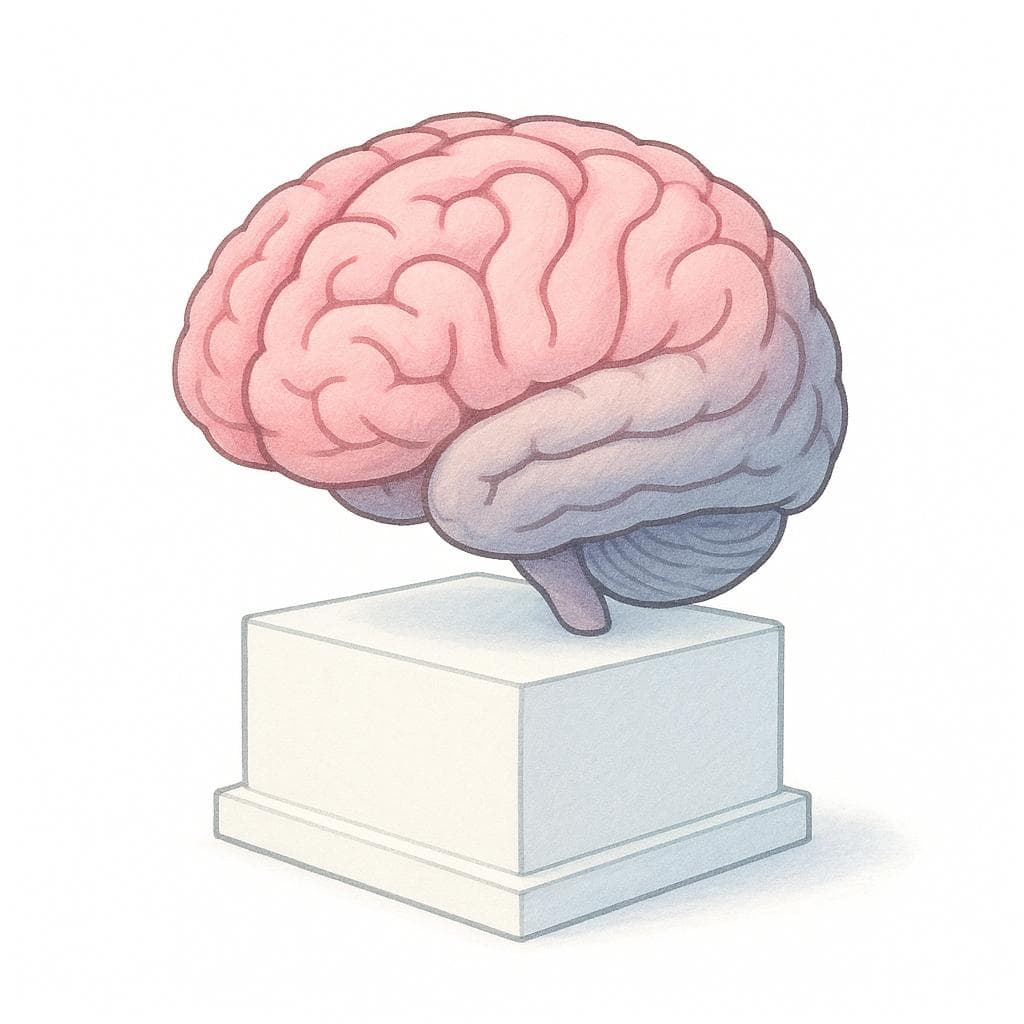

brain
Also: cerebrum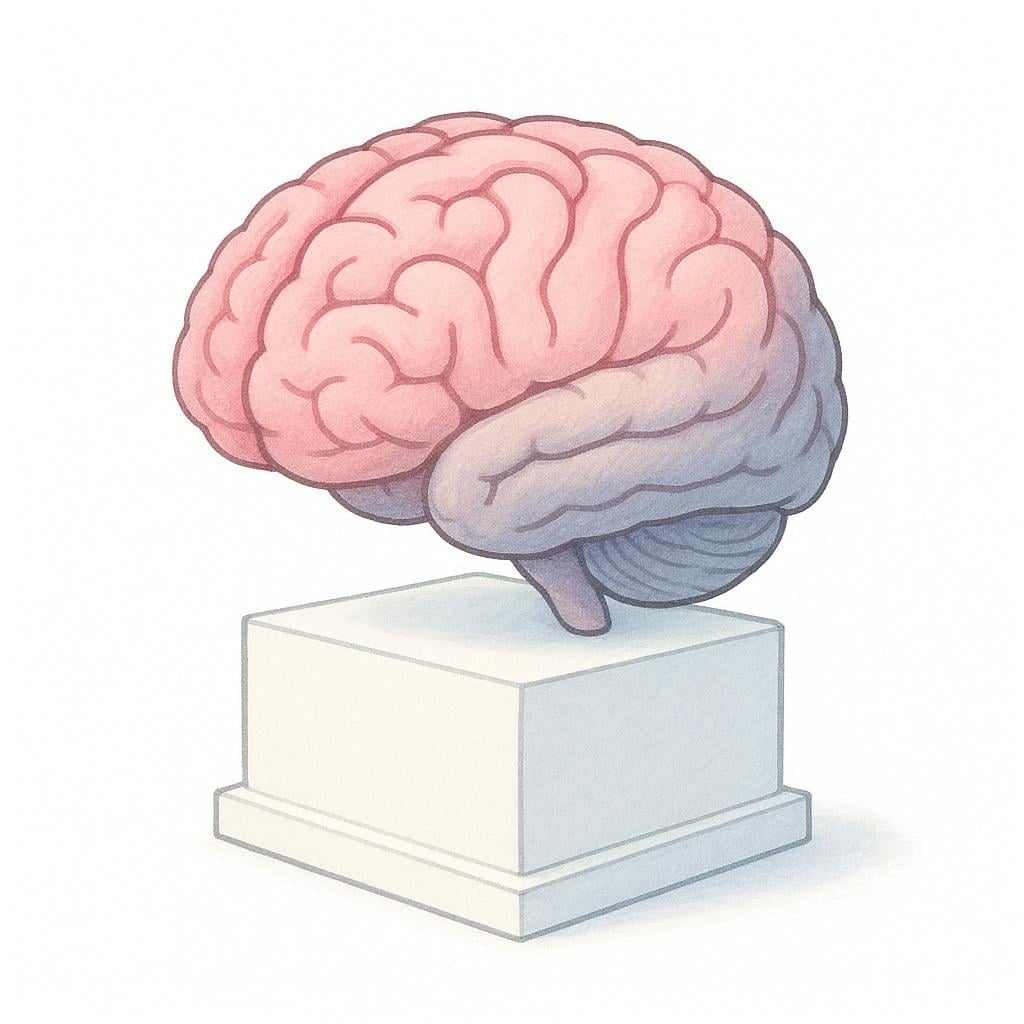
📝 In Action
El cerebro humano es un órgano muy complejo.
A2The human brain is a very complex organ.
Es importante proteger el cerebro usando un casco al andar en bicicleta.
B1It's important to protect the brain by wearing a helmet when riding a bike.
mastermind
Also: brains, intellect
📝 In Action
Mi hermana es el cerebro del negocio familiar.
B2My sister is the brains of the family business.
Necesitamos un buen cerebro para resolver este problema.
C1We need a good brain (a smart person) to solve this problem.
Translate to Spanish
✏️ Quick Practice
Quick Quiz: cerebro
Question 1 of 2
If you want to say someone is the 'mastermind' of a project, which sentence is correct?
📚 More Resources
👥 Word Family▼
📚 Etymology▼
Comes directly from the Latin word 'cerebrum', which meant 'brain' and also 'the top of the head.' It has kept its meaning almost unchanged for thousands of years.
First recorded: 13th century
Cognates (Related words)
💡 Master Spanish
Take your Spanish to the next level. Read 200+ illustrated and narrated Spanish stories tailored to your level with the Inklingo app!
Frequently Asked Questions
What's the difference between 'cerebro' and 'sesos'?
'Cerebro' is the standard, neutral word for 'brain' that you can use in any situation. 'Sesos' also means 'brains' but it's more informal and is always used in the plural. You might hear '¡Usa los sesos!' (Use your brains!), which is a very colloquial command.
Can I use 'cerebro' to talk about the 'brain' of a computer?
While people would understand what you mean, it's much more common to use 'el procesador' (the processor) or 'la CPU' for a computer's 'brain.' 'Cerebro' is almost always used for living beings.