How to Say "burdens" in Spanish
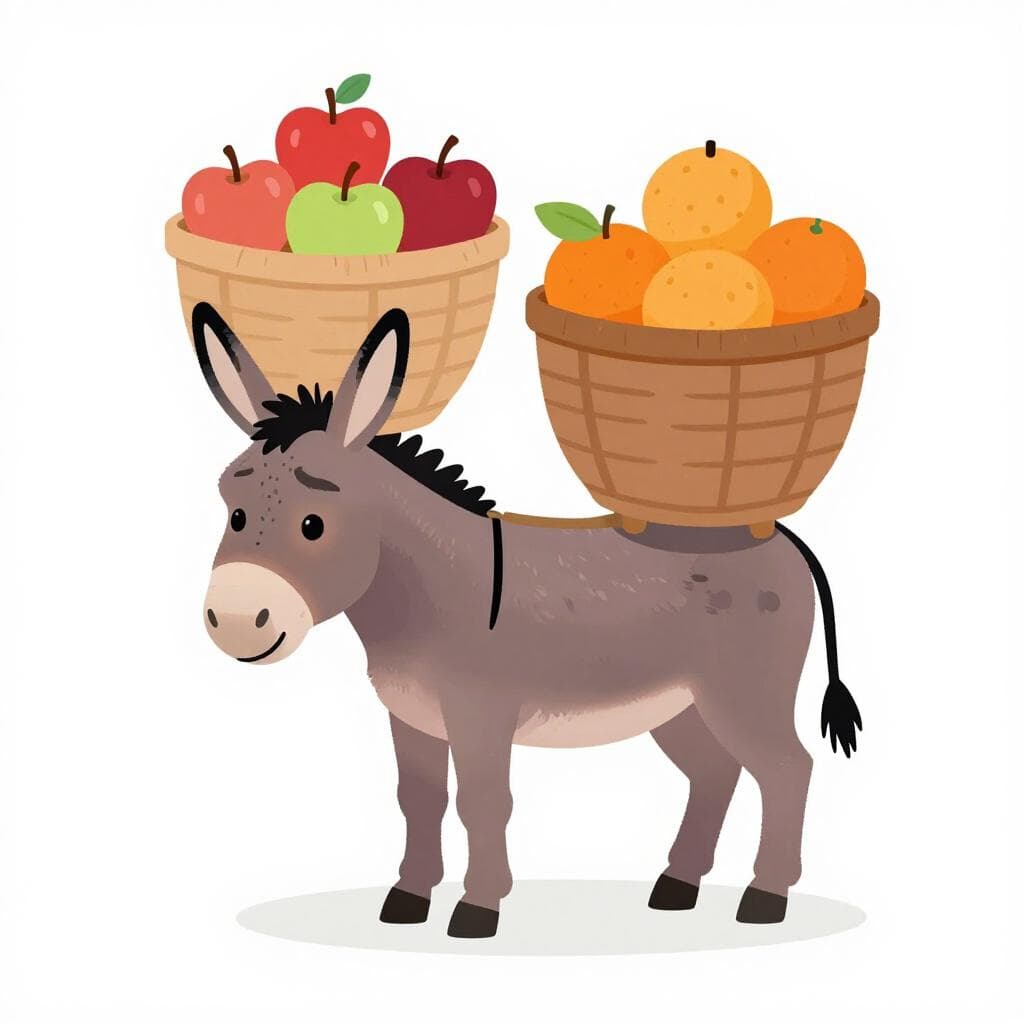
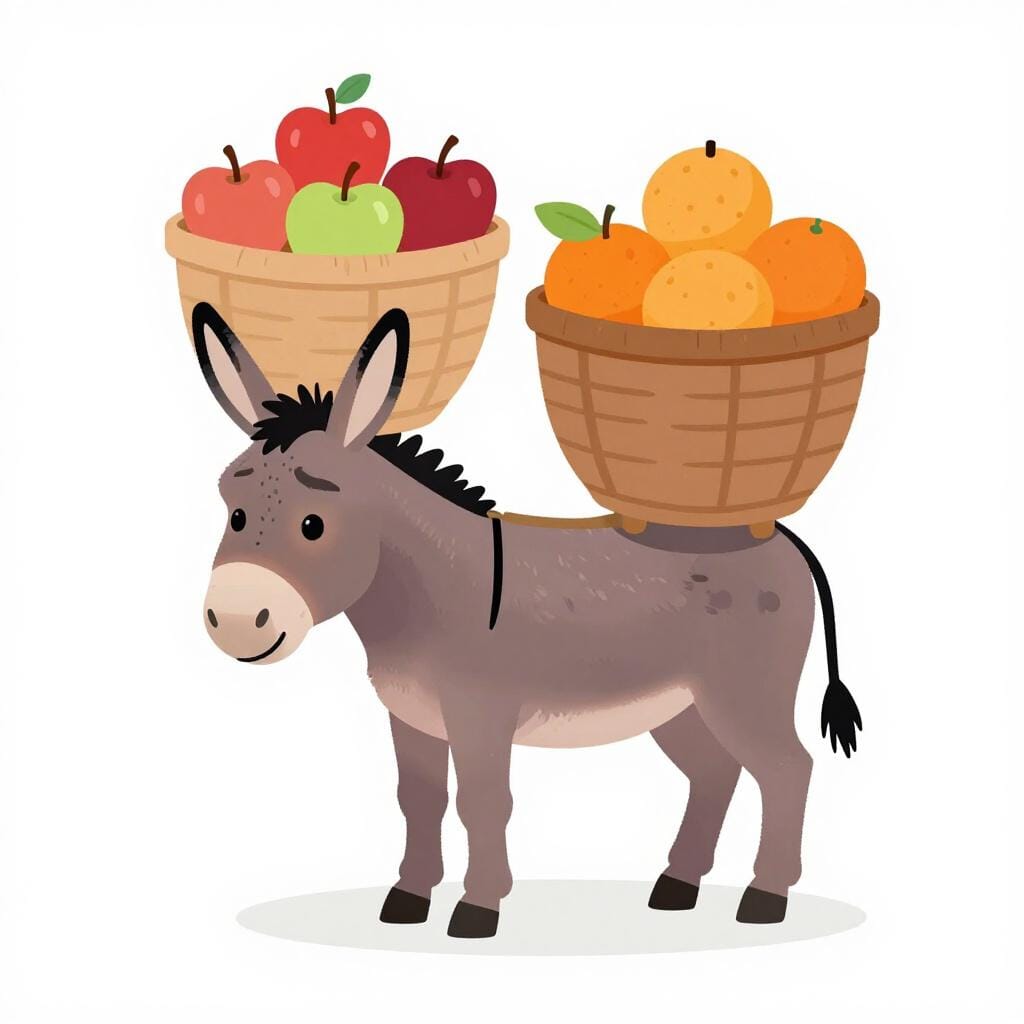
The most common Spanish word for “burdens” is “cargas” — use 'cargas' when referring to physical loads being transported or abstract responsibilities that weigh someone down, like duties or emotional weight.

cargas
KAR-gahsˈkaɾɣas
Examples
El equipo de rescate llevaba cargas pesadas para ayudar a los damnificados.
The rescue team carried heavy burdens to help the victims.
El camión lleva varias cargas pesadas.
The truck is carrying several heavy loads.
No quiero ser una de tus cargas familiares.
I don't want to be one of your family burdens.
Making it Plural
Since the singular word 'carga' ends in a vowel, we simply add an 's' to make it plural: 'cargas'.
pesos
peh-sohsˈpesos

Examples
Los pesos de la decisión final recaían sobre sus hombros.
The burdens of the final decision rested on his shoulders.
Los pesos de la balanza deben ser exactos.
The weights on the scale must be exact.
Siento el peso de mis decisiones.
I feel the weight of my decisions (often used in singular, but plural implies multiple burdens).
Pesos vs. Pesas
Use 'pesos' for currency or physical mass in science/scales. Use 'pesas' (feminine) for dumbbells or gym equipment.
Cargas vs. Pesos
Related Translations
Learn Spanish with Inklingo
Interactive stories, personalized learning, and more.