How to Say "you carry" in Spanish
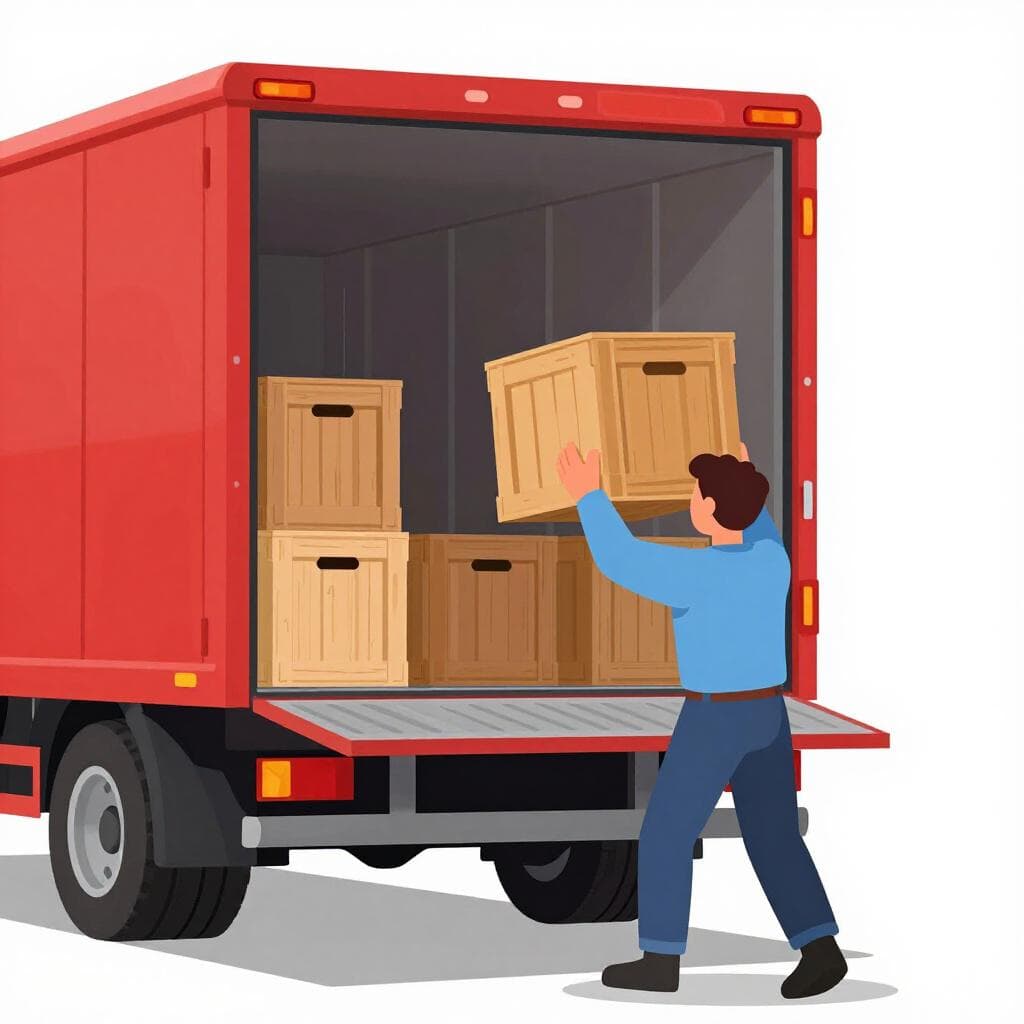
The most common Spanish word for “you carry” is “llevas” — use 'llevas' when you are physically transporting something from one place to another, like in a bag or by hand.



llevas
yeh-vahsˈʎe.βas

Examples
¿Qué llevas en la mochila? Parece muy pesada.
What are you carrying in your backpack? It looks very heavy.
Siempre llevas demasiados libros a la biblioteca.
You always take too many books to the library.
Verb Type
"Llevas" is the form of the verb llevar (to carry/take) that you use when speaking directly to one person informally (tú).
Direction is Key
Unlike English 'bring' (coming toward the speaker) and 'take' (going away), llevar usually means 'to take something away' or 'to transport it.'
Using *llevas* for 'Bring'
Mistake: “Cuando vienes, ¿llevas el pastel? (When you come, do you take the cake?)”
Correction: Cuando vienes, ¿traes el pastel? (When you come, do you bring the cake?). Use *traer* when the item is coming toward the current location or speaker.
traes
trah-estɾa.es

Examples
¿Qué traes en esa caja tan pesada?
What are you bringing in that heavy box?
Si traes el postre, yo pongo las bebidas.
If you bring the dessert, I'll provide the drinks.
Siempre traes buenas ideas a la reunión.
You always bring good ideas to the meeting.
Tú vs. Usted
'Traes' is only used when talking to one person informally (tú). If you are speaking formally or to a group, you must use 'trae' (usted) or 'traen' (ustedes).
Irregular 'Yo' Form
Notice how the 'yo' form is irregular: 'yo traigo'. This 'g' sound carries over into the special forms used for wishes and commands (subjunctive: 'traiga', 'traigas', etc.).
Confusing Traer and Llevar
Mistake: “¿Traes la maleta al aeropuerto? (meaning 'Take the suitcase to the airport')”
Correction: Use 'traer' when the direction is toward the speaker or the place of the conversation. Use 'llevar' when the direction is away from the speaker. Correction: ¿Llevas la maleta al aeropuerto? (Are you taking the suitcase away?)
cargas
KAR-gahsˈkaɾɣas
Examples
Tú siempre cargas tu teléfono por la noche.
You always charge your phone at night.
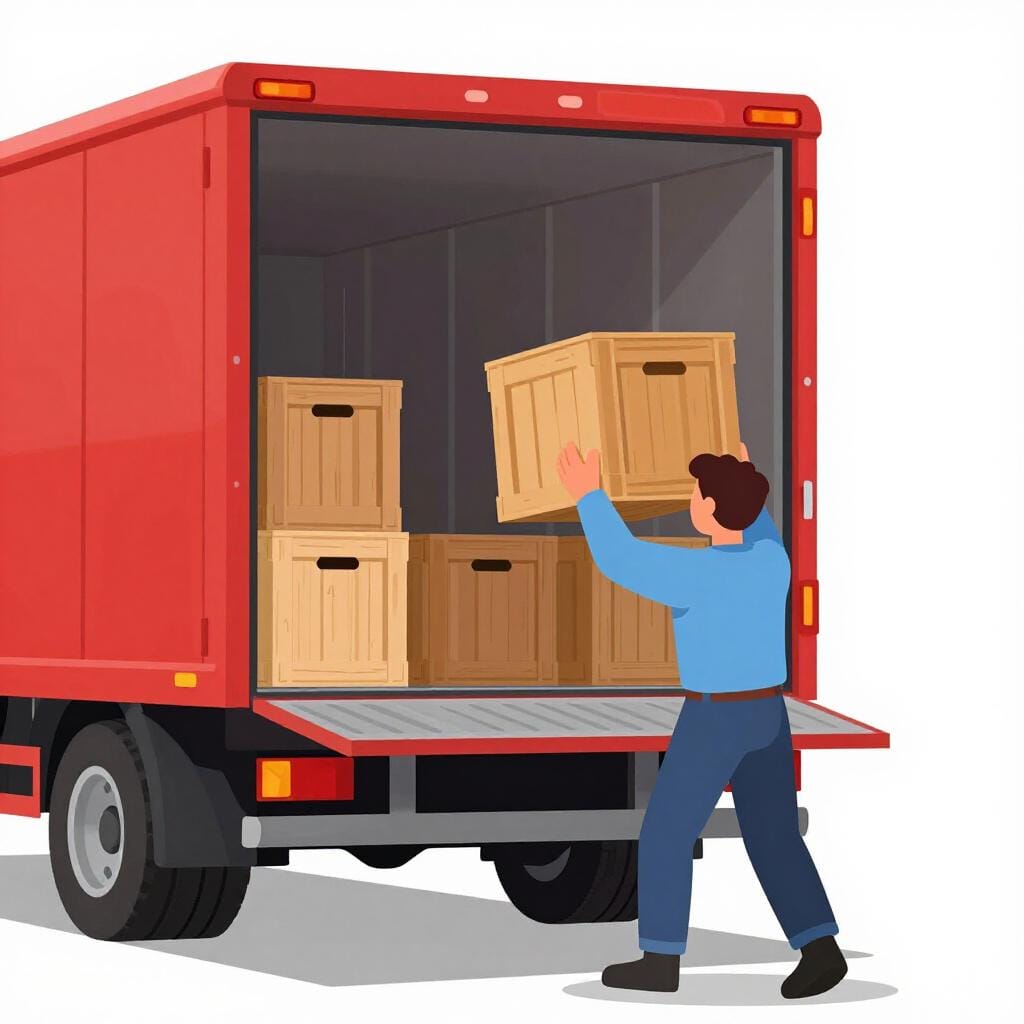
Si cargas las maletas en el coche, podemos irnos ya.
If you load the suitcases in the car, we can leave now.
The 'Tú' Form
'Cargas' is specifically the form you use when talking to one friend, family member, or person you are on a first-name basis with.
Spelling Change
Mistake: “cargé”
Correction: cargué
lleves
yeh-vehsˈʎeβes

Examples
Quiero que lleves este paquete a la oficina de correos.
I want you to take this package to the post office.
Espero que no lleves mucho equipaje, será difícil caminar.
I hope you don't carry much luggage; it will be difficult to walk.
The Subjunctive Trigger
'Lleves' is the special verb form (subjunctive) used when the main part of the sentence expresses desire, emotion, doubt, or necessity toward the action being carried out by 'tú' (you).
Negative Command (Tú)
'Lleves' is also the form used for telling someone not to do something: '¡No lleves eso!' (Don't take that!).
Subjunctive vs. Indicative
Mistake: “Using 'Quiero que llevas el libro' (using the indicative 'llevas').”
Correction: You must use the subjunctive: 'Quiero que lleves el libro.' The verb 'querer' (to want) requires the special verb form in the second part of the sentence.
Llevas vs. Traes
Related Translations
Learn Spanish with Inklingo
Interactive stories, personalized learning, and more.