How to Say "loads" in Spanish
The most common Spanish word for “loads” is “montón” — use this informal noun when referring to a large, unspecified amount of something, similar to 'a lot' or 'tons'.




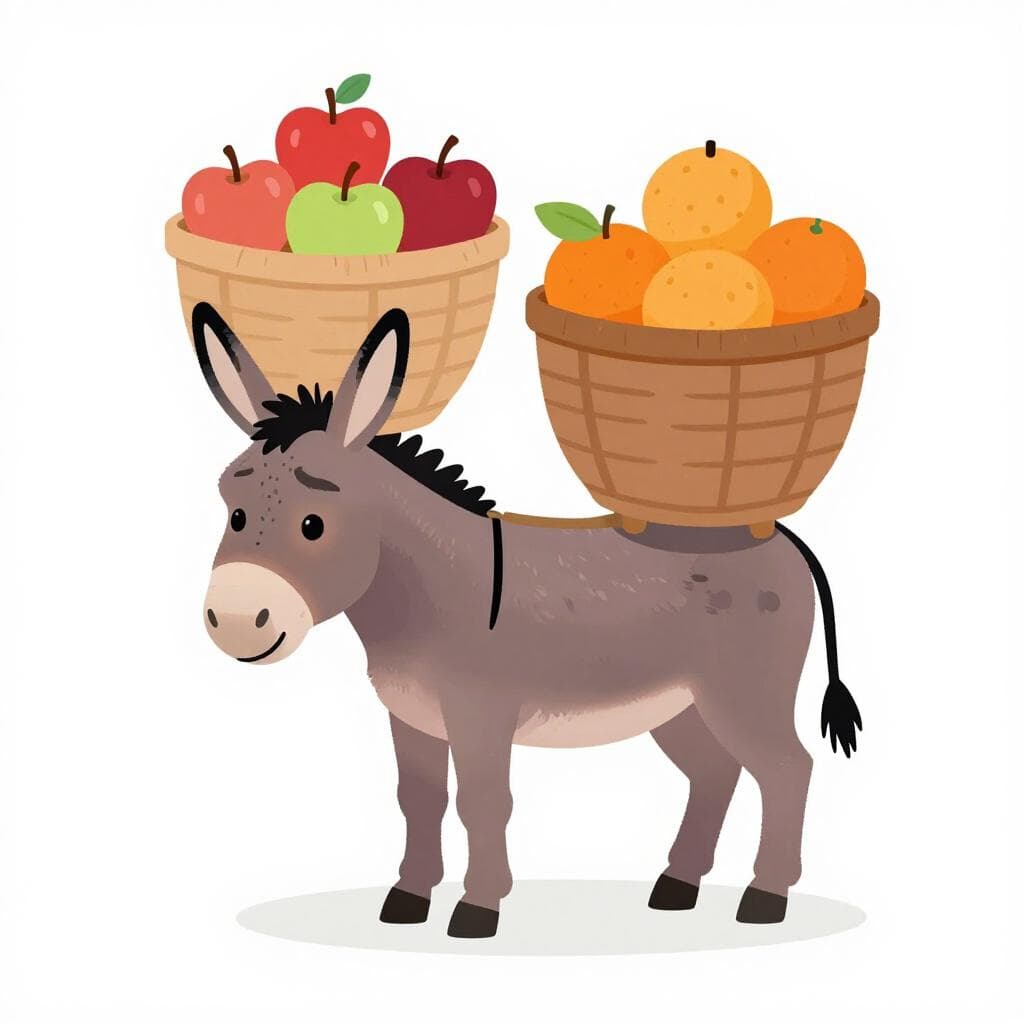
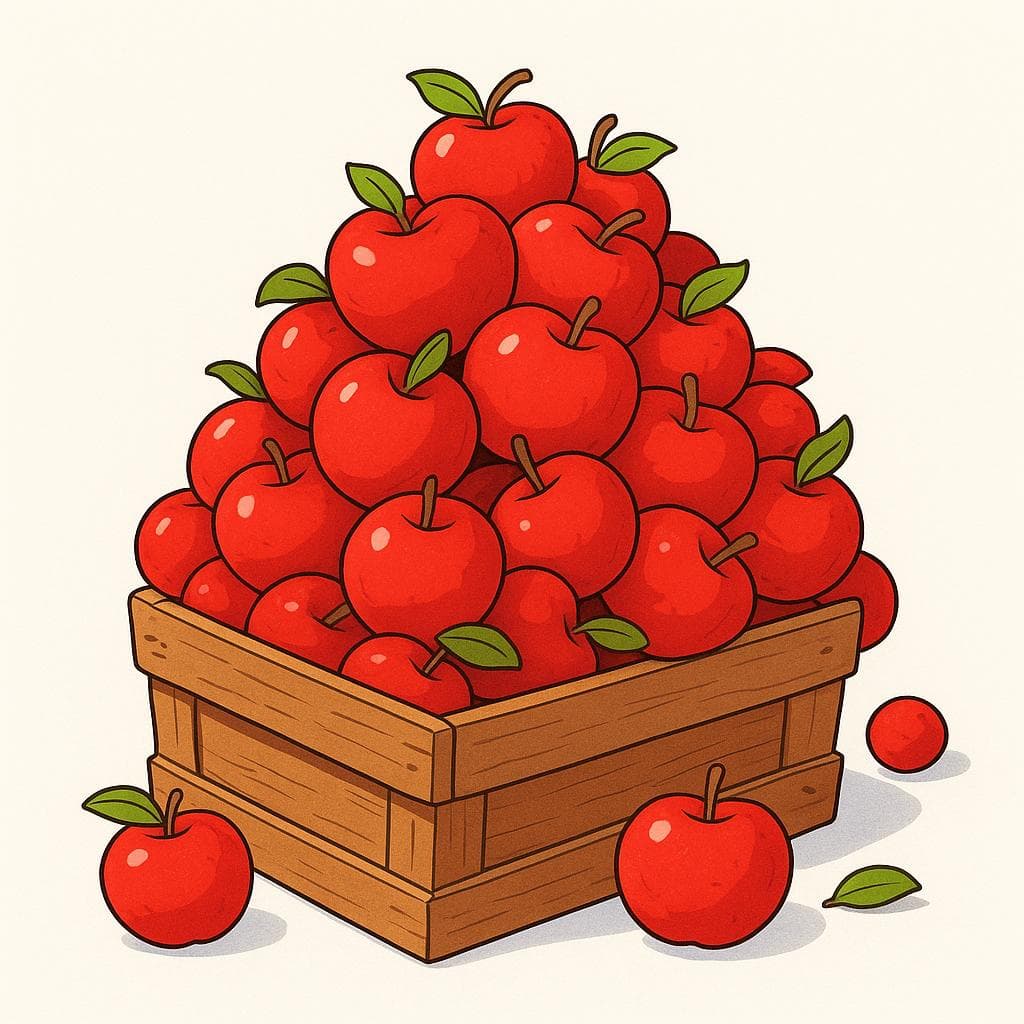
montón
Examples
Tengo un montón de amigos.
I have a lot of friends.
montones
mon-TOH-nesmonˈtones

Examples
Hay montones de gente esperando el autobús.
There are loads of people waiting for the bus.
¿Te gustó la película? — ¡Sí, montones!
Did you like the movie? — Yes, tons!
Tenemos montones de tiempo para terminar el proyecto.
We have plenty of time to finish the project.
Using 'de' with Nouns
When 'montones' comes before a person or thing (a noun), you must always use 'de' right after it, similar to saying 'tons of' in English. Example: 'montones de dinero' (tons of money).
Using 'montones' Alone
You can use 'montones' by itself after a verb to emphasize the action, meaning 'very much' or 'a lot.' Example: 'Corro montones' (I run a lot).
Forgetting 'de'
Mistake: “Compré montones libros.”
Correction: Compré montones **de** libros.
mil
meelmil

Examples
Hay miles de personas en la playa.
There are thousands of people on the beach.
Te lo he dicho mil veces: ¡limpia tu cuarto!
I've told you a thousand times: clean your room!
¡Mil gracias por tu ayuda!
A thousand thanks for your help!
Using 'Miles de'
To say 'thousands of something', you use the pattern 'miles de + thing'. For example, 'miles de estrellas' (thousands of stars). Don't forget the 'de'!
Forgetting 'de'
Mistake: “Vi miles personas en el concierto.”
Correction: Vi a miles de personas en el concierto. When using 'miles' to mean 'a lot of', you always need to add 'de' before the noun.
millones
mee-YOH-nessmiˈʝones

Examples
La ciudad tiene más de dos millones de habitantes.
The city has more than two million inhabitants.
Ganaron millones de dólares en la lotería.
They won millions of dollars in the lottery.
Te lo he dicho millones de veces, ¡limpia tu cuarto!
I've told you a million times, clean your room!
Always Use 'de' Before a Noun
When you use 'millones' right before a noun (a person, place, or thing), you must put 'de' in between. Think of it as 'millions of something'. For example, 'millones de dólares' (millions of dollars).
Forgetting 'de'
Mistake: “Hay millones personas en la calle.”
Correction: Hay millones *de* personas en la calle. Remember, if a noun comes next, you need that little word 'de' to connect them.
tonelada
toh-neh-LAH-dahtoneˈlaða

Examples
Tengo una tonelada de cosas que hacer este fin de semana.
I have a ton of things to do this weekend.
Había toneladas de comida en la fiesta de ayer.
There were tons of food at the party yesterday.
Ese libro me dio toneladas de ideas para mi proyecto.
That book gave me tons of ideas for my project.
Plural for Emphasis
While you can say 'una tonelada' (a ton), it is very common to use the plural 'toneladas de...' (tons of...) to sound more expressive and enthusiastic.
Use with Abstract Ideas
You can use this word for things you can't actually weigh, like 'toneladas de amor' (tons of love) or 'toneladas de problemas' (tons of problems).
Forgetting the 'S'
Mistake: “Tengo tonelada de deberes.”
Correction: Tengo una tonelada de deberes / Tengo toneladas de deberes.
cargas
KAR-gahsˈkaɾɣas
Examples
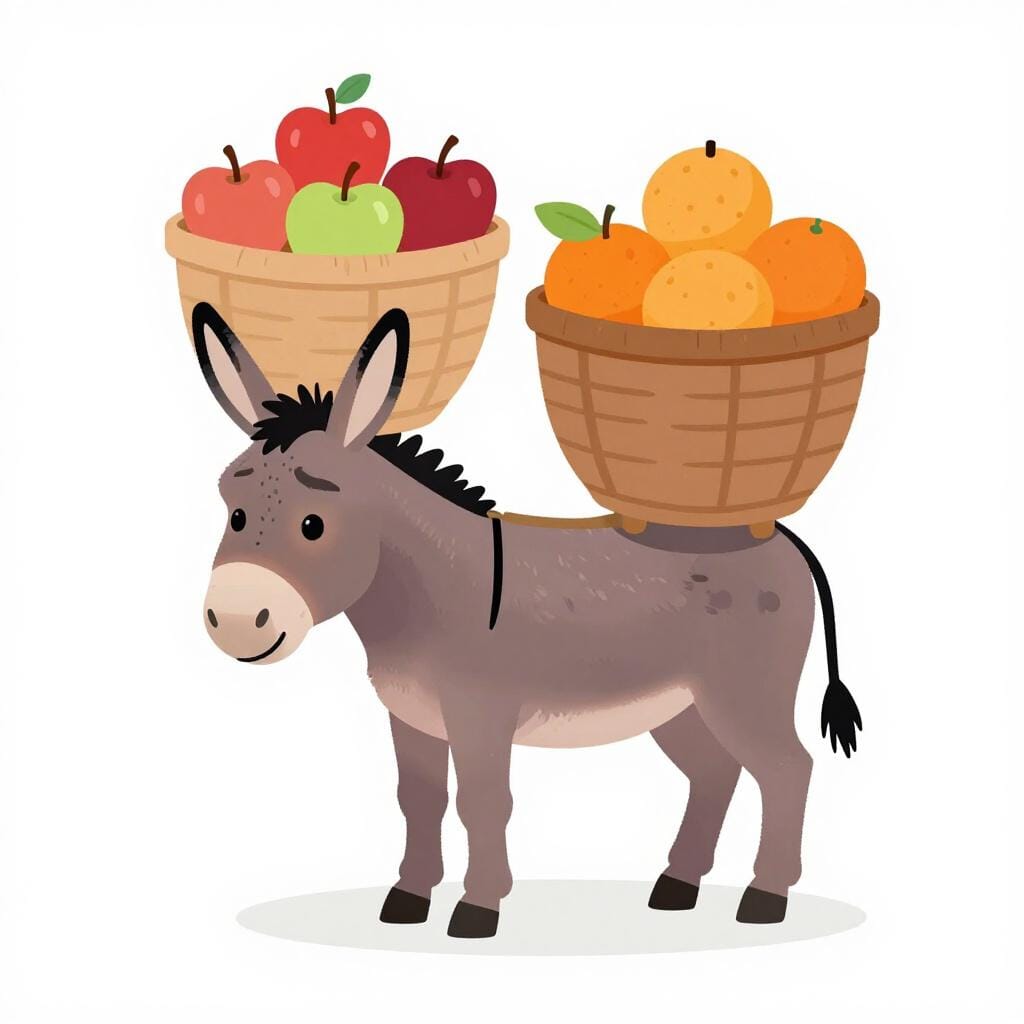
El camión lleva varias cargas pesadas.
The truck is carrying several heavy loads.
No quiero ser una de tus cargas familiares.
I don't want to be one of your family burdens.
Making it Plural
Since the singular word 'carga' ends in a vowel, we simply add an 's' to make it plural: 'cargas'.
millón
Examples
Gracias, me has ahorrado un millón de problemas.
Thanks, you've saved me a ton of trouble (a million problems).
docenas
doh-SEH-nahsdoˈse.nas
Examples
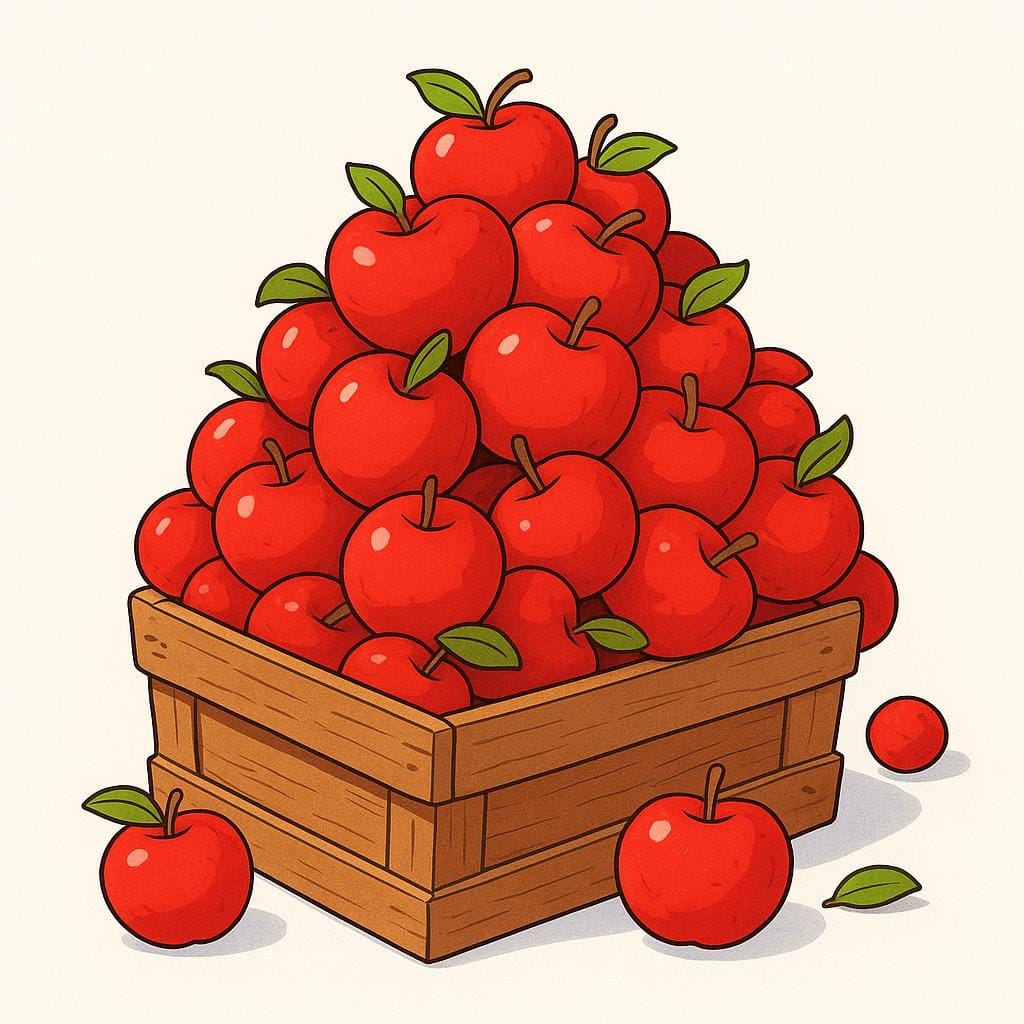
Hemos visitado ese museo docenas de veces.
We have visited that museum dozens of times (meaning: many, many times).
Hay docenas de errores en este informe.
There are dozens of errors in this report (meaning: a lot of errors).
Exaggeration
When used figuratively, 'docenas' is a way to exaggerate, similar to how English speakers might say 'millions' or 'tons' to mean 'very many'.
Informal vs. Formal Quantity
Learn Spanish with Inklingo
Interactive stories, personalized learning, and more.