How to Say "heaps" in Spanish
The most common Spanish word for “heaps” is “montones” — use 'montones' for an informal, large quantity when talking about countable things, similar to 'loads' or 'lots'.

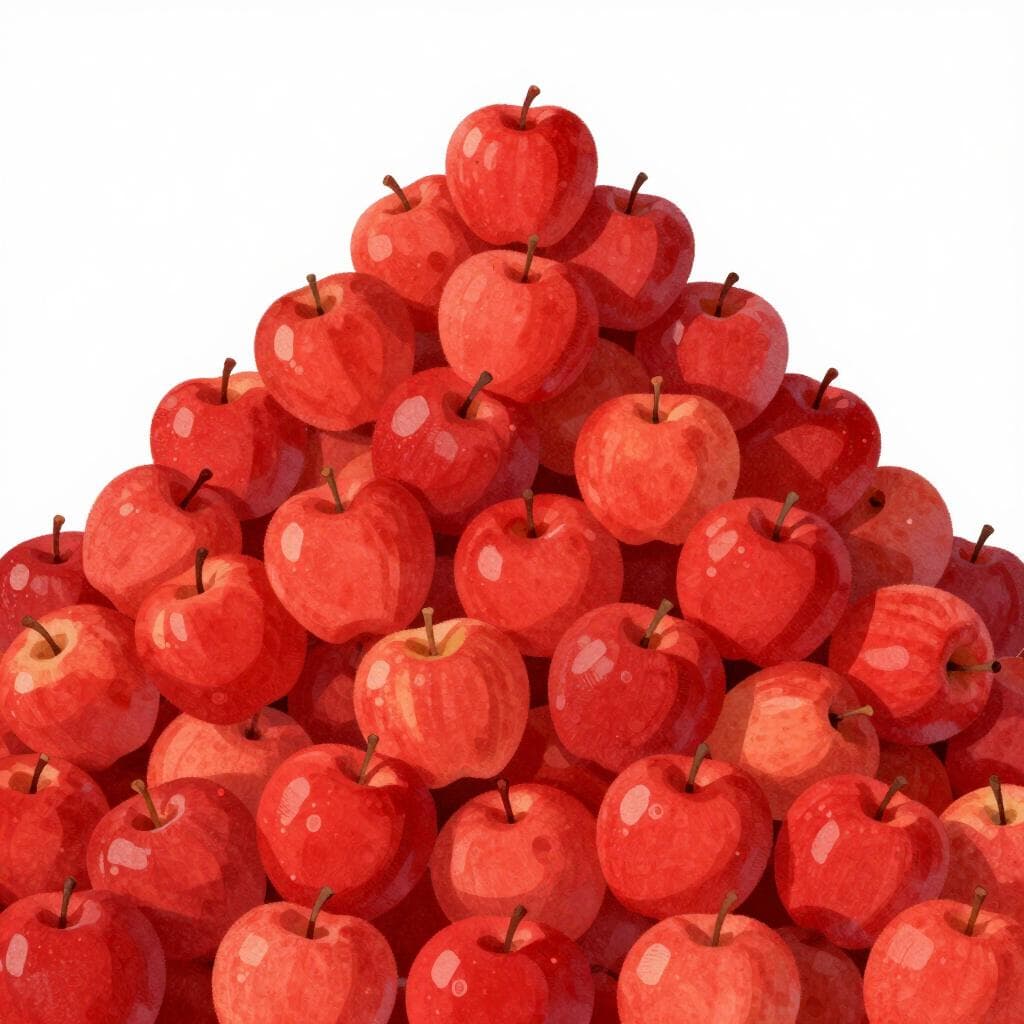

montones
mon-TOH-nesmonˈtones

Examples
Hay montones de gente esperando el autobús.
There are loads of people waiting for the bus.
¿Te gustó la película? — ¡Sí, montones!
Did you like the movie? — Yes, tons!
Tenemos montones de tiempo para terminar el proyecto.
We have plenty of time to finish the project.
El jardinero hizo montones de hojas secas en la acera.
The gardener made piles of dry leaves on the sidewalk.
Using 'de' with Nouns
When 'montones' comes before a person or thing (a noun), you must always use 'de' right after it, similar to saying 'tons of' in English. Example: 'montones de dinero' (tons of money).
Using 'montones' Alone
You can use 'montones' by itself after a verb to emphasize the action, meaning 'very much' or 'a lot.' Example: 'Corro montones' (I run a lot).
Plural Noun
'Montones' is the plural form of the masculine noun 'el montón' (the pile). Make sure to use plural articles and adjectives with it.
Forgetting 'de'
Mistake: “Compré montones libros.”
Correction: Compré montones **de** libros.
chorro
CHOH-rrohˈtʃoro
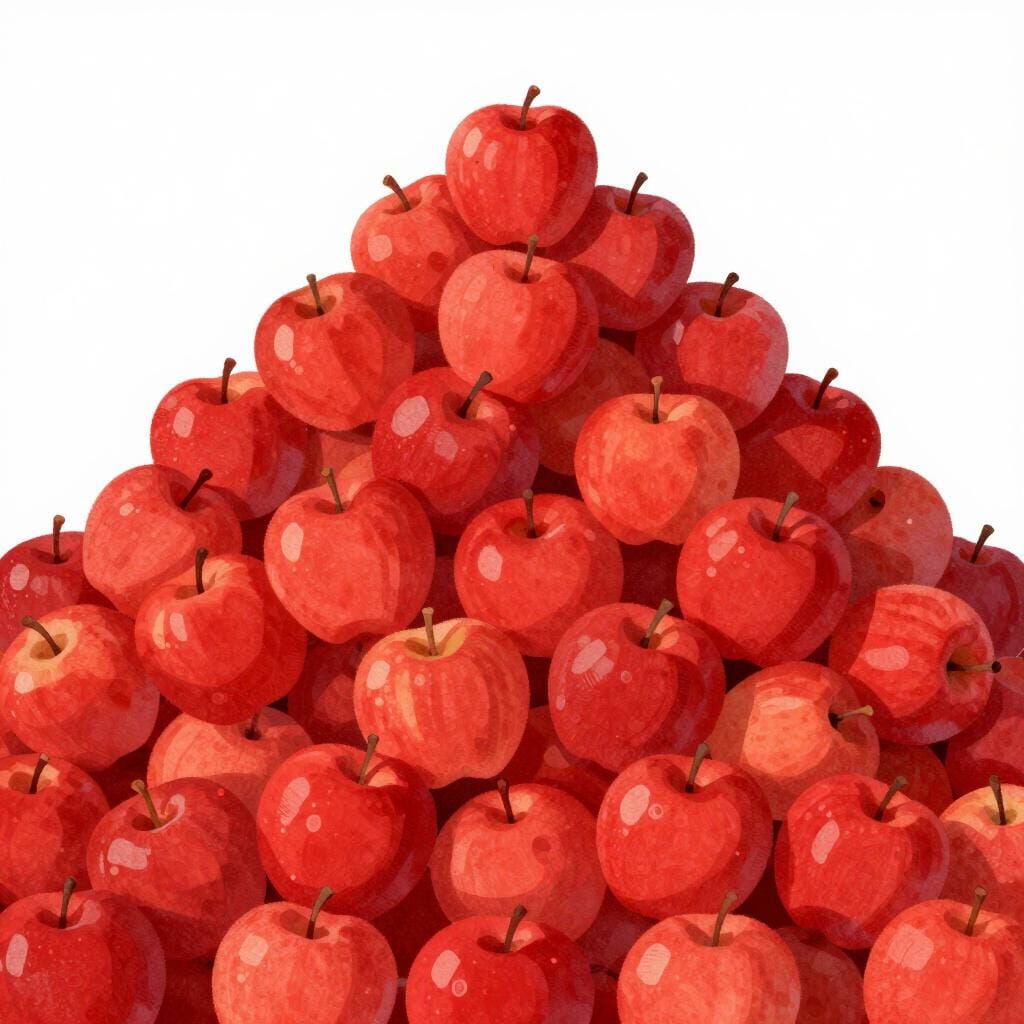
Examples
Tengo un chorro de cosas que hacer hoy.
I have a ton of things to do today.
Había un chorro de gente en la plaza.
There were heaps of people in the square.
Ese coche cuesta un chorro de dinero.
That car costs a whole bunch of money.
Using 'de' for Quantity
Just like 'un montón de', you must always follow 'un chorro' with the word 'de' when describing what you have a lot of.
tonelada
toh-neh-LAH-dahtoneˈlaða

Examples
Tengo una tonelada de cosas que hacer este fin de semana.
I have a ton of things to do this weekend.
Había toneladas de comida en la fiesta de ayer.
There were tons of food at the party yesterday.
Ese libro me dio toneladas de ideas para mi proyecto.
That book gave me tons of ideas for my project.
Plural for Emphasis
While you can say 'una tonelada' (a ton), it is very common to use the plural 'toneladas de...' (tons of...) to sound more expressive and enthusiastic.
Use with Abstract Ideas
You can use this word for things you can't actually weigh, like 'toneladas de amor' (tons of love) or 'toneladas de problemas' (tons of problems).
Forgetting the 'S'
Mistake: “Tengo tonelada de deberes.”
Correction: Tengo una tonelada de deberes / Tengo toneladas de deberes.
montones
mon-TOH-nesmonˈtones
Examples
El jardinero hizo montones de hojas secas en la acera.
The gardener made piles of dry leaves on the sidewalk.
Hay montones de gente esperando el autobús.
There are loads of people waiting for the bus.
¿Te gustó la película? — ¡Sí, montones!
Did you like the movie? — Yes, tons!
Tenemos montones de tiempo para terminar el proyecto.
We have plenty of time to finish the project.
Using 'de' with Nouns
When 'montones' comes before a person or thing (a noun), you must always use 'de' right after it, similar to saying 'tons of' in English. Example: 'montones de dinero' (tons of money).
Using 'montones' Alone
You can use 'montones' by itself after a verb to emphasize the action, meaning 'very much' or 'a lot.' Example: 'Corro montones' (I run a lot).
Plural Noun
'Montones' is the plural form of the masculine noun 'el montón' (the pile). Make sure to use plural articles and adjectives with it.
Forgetting 'de'
Mistake: “Compré montones libros.”
Correction: Compré montones **de** libros.
Quantity vs. Physical Piles
Learn Spanish with Inklingo
Interactive stories, personalized learning, and more.