How to Say "burns" in Spanish
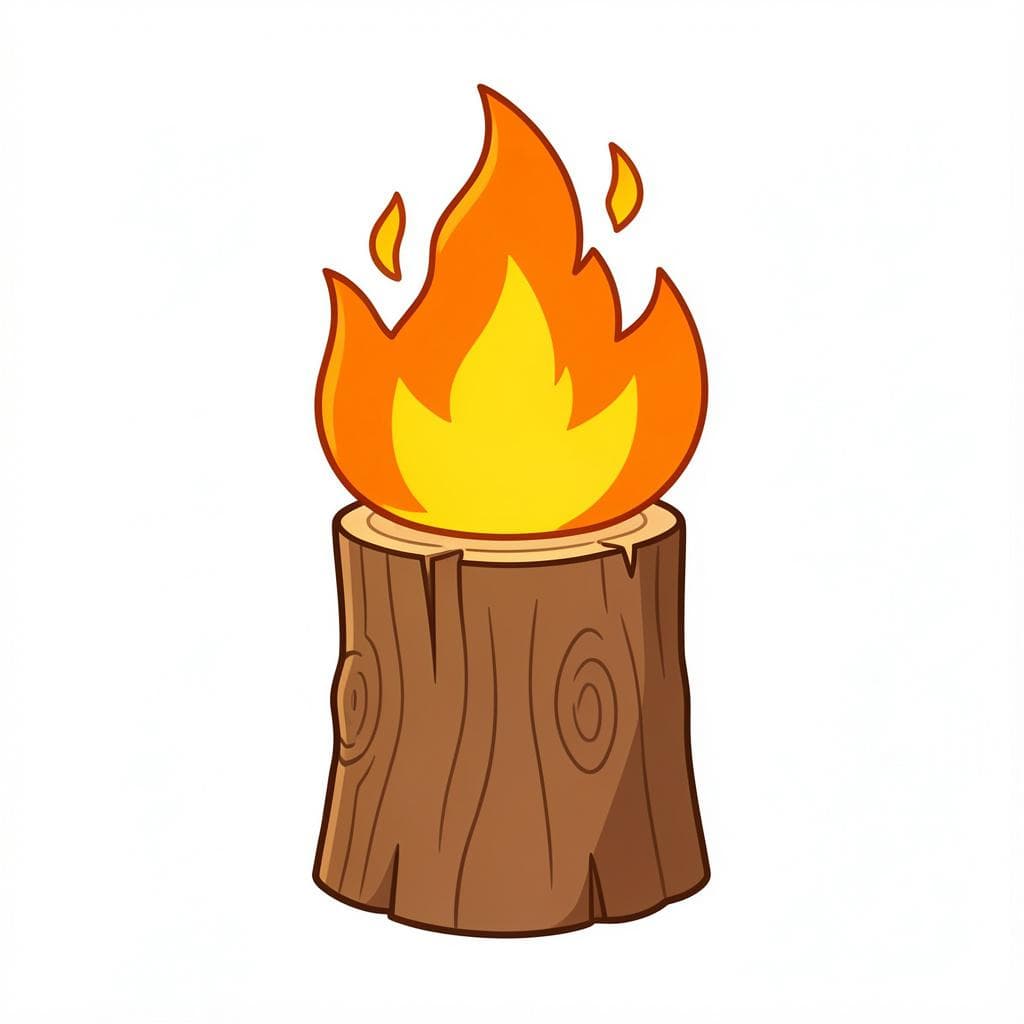
The most common Spanish word for “burns” is “arde” — use 'arde' when describing something actively on fire, like a log in a fireplace or a candle flame.
arde
ahr-dehˈaɾðe
Examples
La madera arde lentamente.
The wood burns slowly.
La leña arde en la chimenea.
The firewood burns in the fireplace.
¡Mira cómo arde ese edificio!
Look at how that building is on fire!
Which 'you' is it?
Use 'arde' for 'he', 'she', or 'it'. It also works for the polite 'you' (usted).
Burned vs. Burning
Mistake: “Using 'arde' to say something is already burned up.”
Correction: Use 'está quemado'. Use 'arde' only when the fire is active right now.
quemaduras
keh-mah-DOO-rahskemaˈðuɾas
Examples
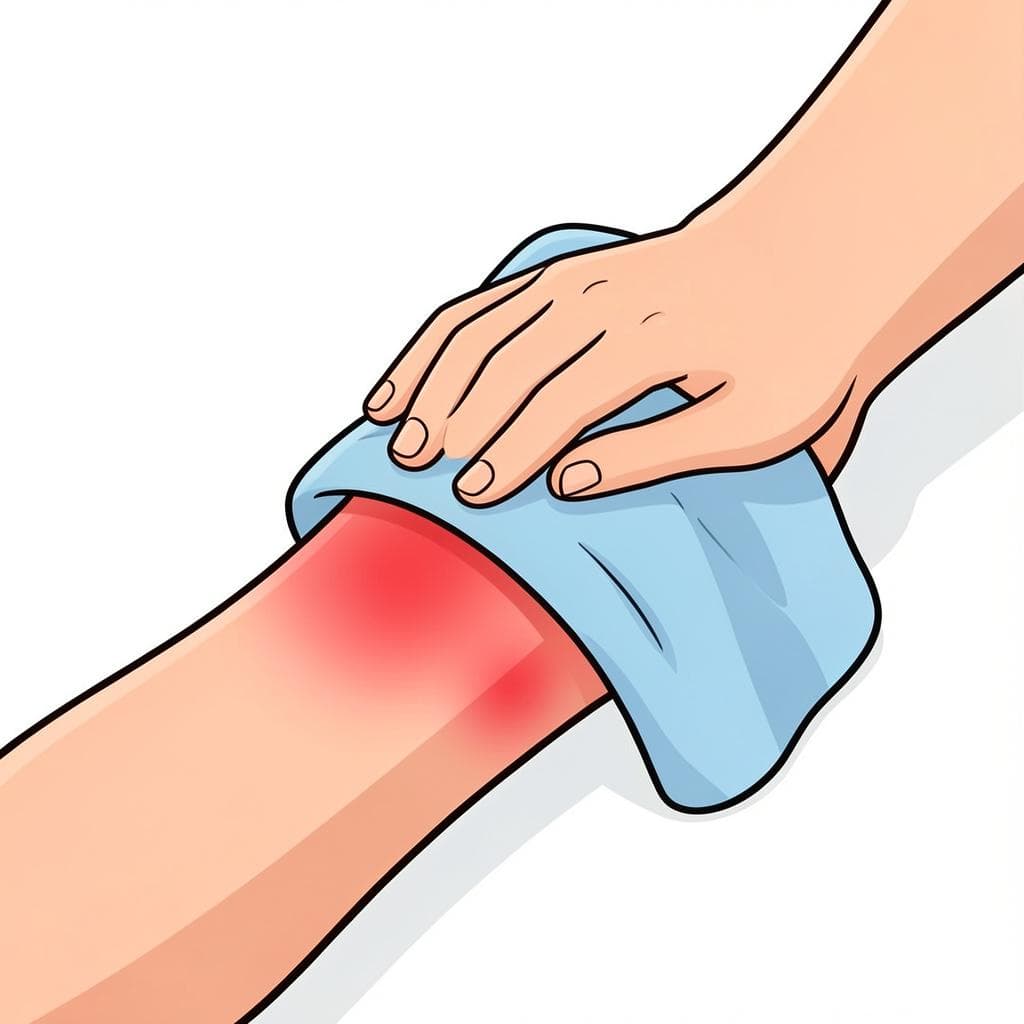
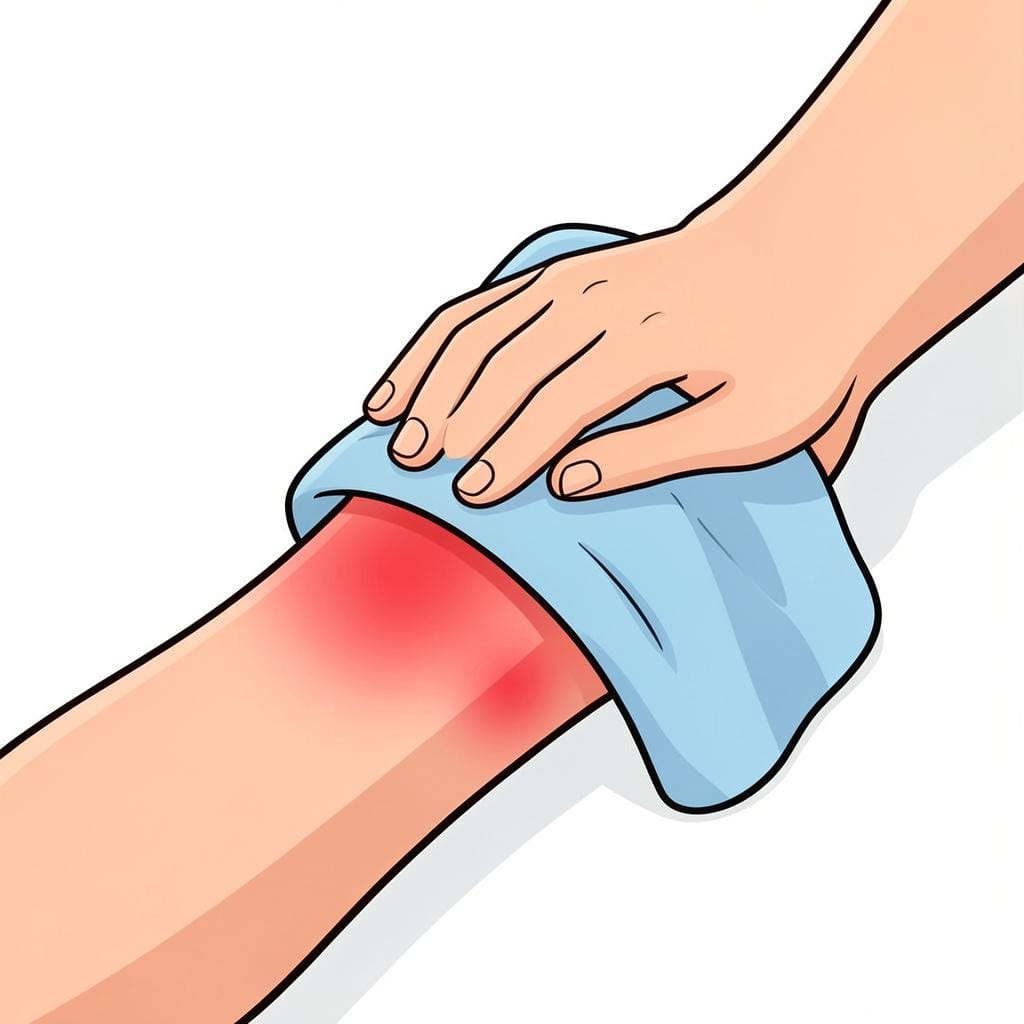
Me hice quemaduras en la mano con la plancha.
I got burns on my hand from the iron.
Tengo quemaduras de sol por ir a la playa.
I have sunburns from going to the beach.
El aceite caliente puede causar quemaduras graves.
Hot oil can cause serious burns.
Aplícate esta crema para las quemaduras.
Apply this cream for the burns.
Making it Plural
This word is the plural form of 'quemadura'. Just like in English, we add an 's' to the end to talk about more than one burn.
Gender Check
This word is feminine. Even in the plural, you should use feminine words with it, like 'las' or 'muchas' (las quemaduras).
Burned vs. Burns
Mistake: “Using 'quemaduras' to say 'the food is burned'.”
Correction: Use 'quemado' for the description of food. 'Quemaduras' only refers to the physical injuries on skin.
Verb vs. Noun Confusion
Related Translations
Learn Spanish with Inklingo
Interactive stories, personalized learning, and more.