How to Say "careless" in Spanish
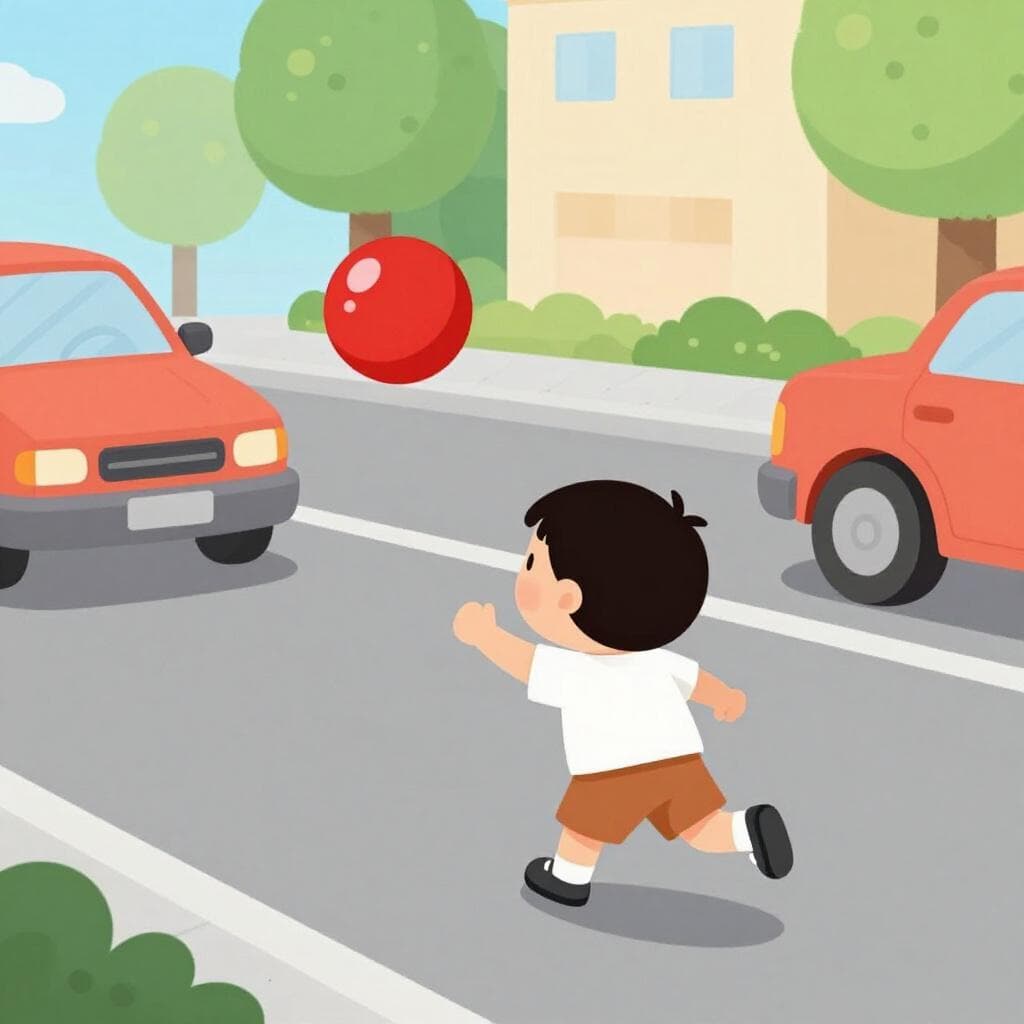
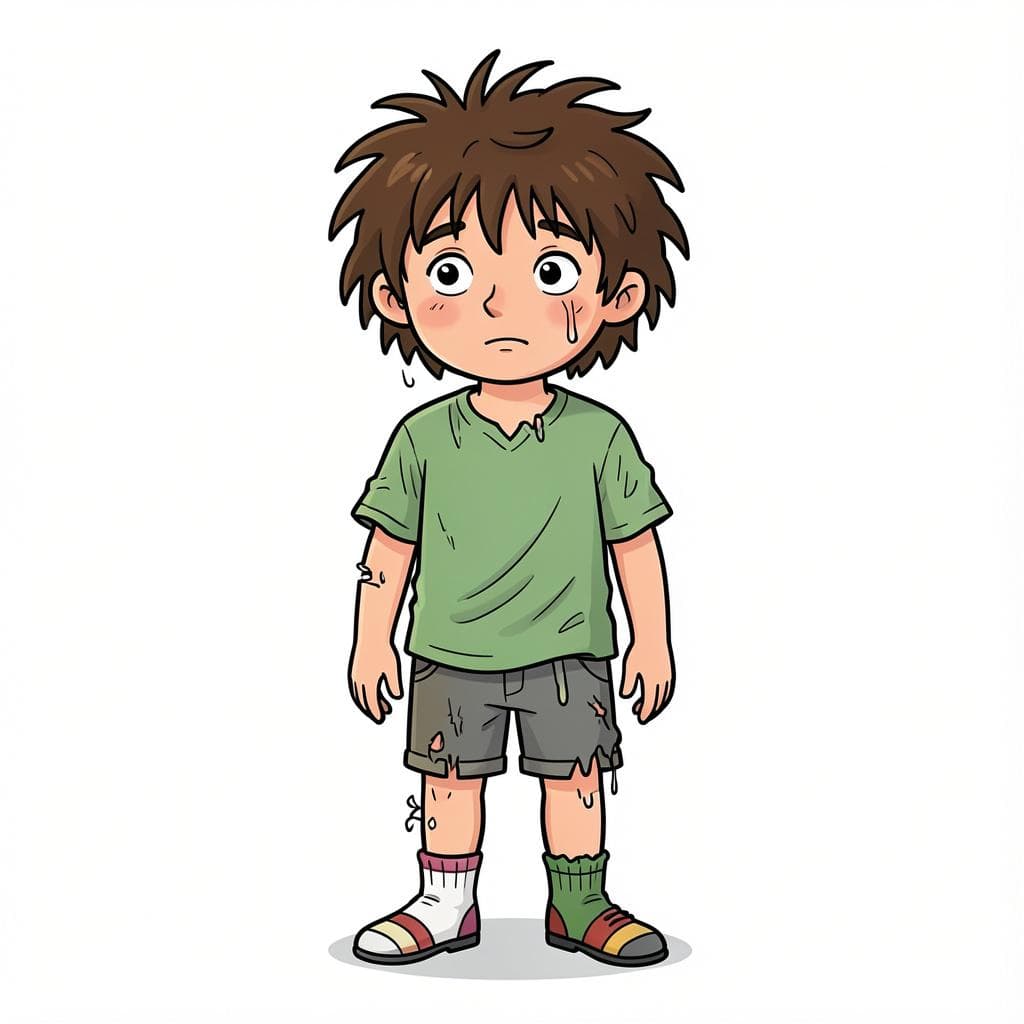
The most common Spanish word for “careless” is “descuidado” — use this when referring to a person's actions or work that lack proper attention, like being careless with possessions or tasks.



descuidado
des-kwee-DA-dodes.kwi.ˈða.ðo

Examples
No seas descuidado con tu pasaporte.
Don't be careless with your passport.
Es un trabajador muy descuidado y siempre comete errores.
He is a very sloppy worker and always makes mistakes.
Un conductor descuidado puede causar accidentes graves.
A careless driver can cause serious accidents.
Changing the Ending
This word needs to match the person or thing you are describing. Use 'descuidado' for men or masculine objects, and 'descuidada' for women or feminine objects.
Describing Personality vs. State
When you use the word 'ser' (to be) before it, you are saying the person is naturally careless. If you use 'estar' (to be), you are saying they are acting careless in that specific moment.
Using the noun instead of the adjective
Mistake: “Él es muy descuido.”
Correction: Él es muy descuidado. Use 'descuido' for 'a slip-up' and 'descuidado' to describe the person.
imprudente
eem-proo-DEN-tehim.pɾuˈðen.te
Examples
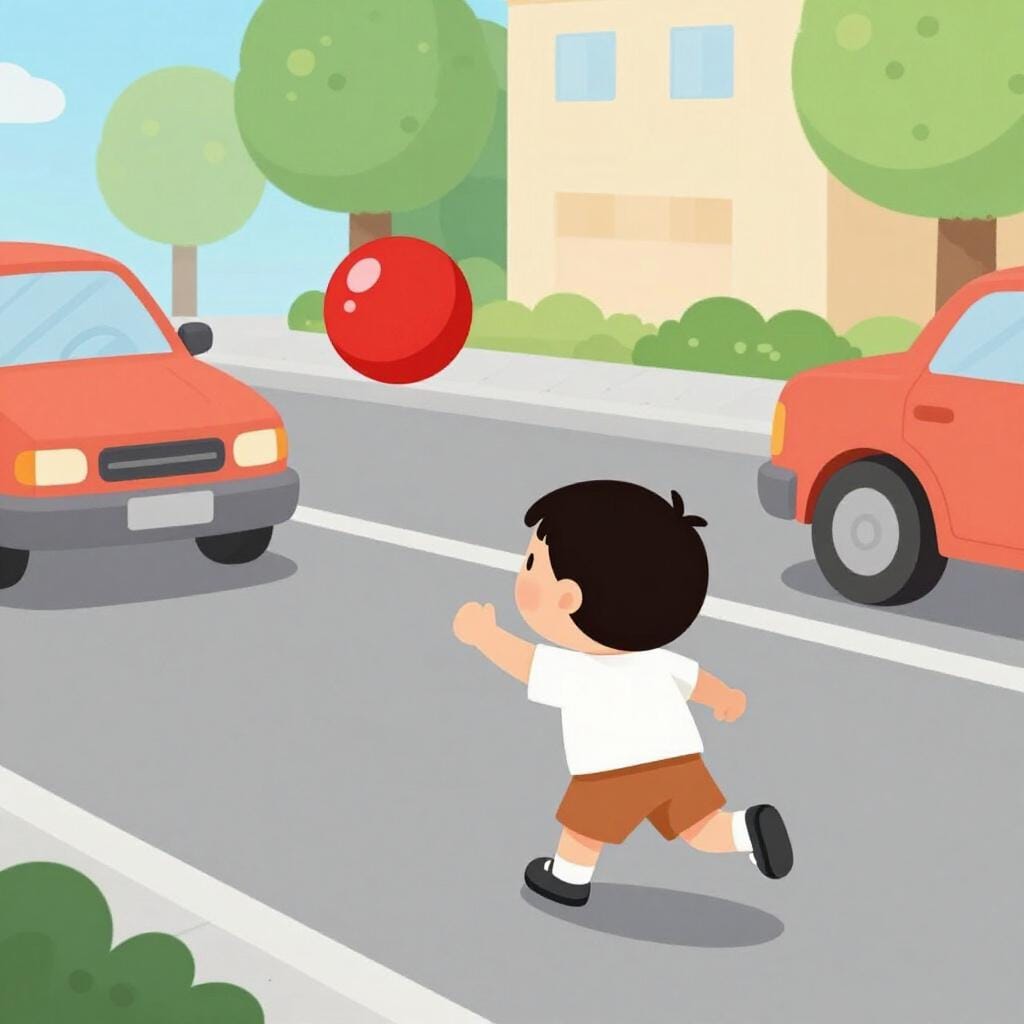
Es imprudente conducir tan rápido cuando llueve.
It is reckless to drive so fast when it rains.
Fue un comentario imprudente y le dolió a su hermana.
It was an unwise comment and it hurt his sister.
No seas imprudente, ponte el casco antes de salir.
Don't be careless, put on your helmet before leaving.
One Form for All
This word doesn't change its ending for men or women. You can say 'él es imprudente' and 'ella es imprudente' without changing a thing.
Using 'Ser' vs. 'Estar'
Use 'ser' if you are describing someone's personality (they are a reckless person). Use 'estar' if they are just acting reckless in a specific moment.
The 'O' Trap
Mistake: “Juan es imprudento.”
Correction: Juan es imprudente. Even though Juan is a man, the word always ends in 'e'.
confiado
kohn-FYAH-dohkonˈfjaðo

Examples
No seas tan confiado, ese hombre podría estar mintiendo.
Don't be so naive/trusting, that man could be lying.
Perdieron el juego por estar demasiado confiados.
They lost the game because they were overconfident.
The Negative Twist
Context is key. If you tell someone 'eres un confiado,' it's often a bit of a criticism, suggesting they believe people too easily.
dejado
de-HA-dodeˈxa.ðo

Examples
El jardín está un poco dejado, necesita cuidado.
The garden is a bit neglected, it needs some care.
Desde que perdió el trabajo, anda muy dejado en su aspecto.
Since he lost his job, he's been very unkempt in his appearance.
La casa se sentía fría y dejada.
The house felt cold and abandoned.
Making it Match
As an adjective, dejado must change to match the thing it describes. Use dejado for masculine things (el jardín dejado) and dejada for feminine things (la casa dejada). Make it plural with -s for more than one (los parques dejados).
Forgetting to Match Gender
Mistake: “La oficina está muy dejado.”
Correction: La oficina está muy *dejada*. Since `oficina` is a feminine word, the adjective describing it needs to end in `-a`.
abandonada
ah-bahn-doh-NAH-dahaβandoˈnaða
Examples
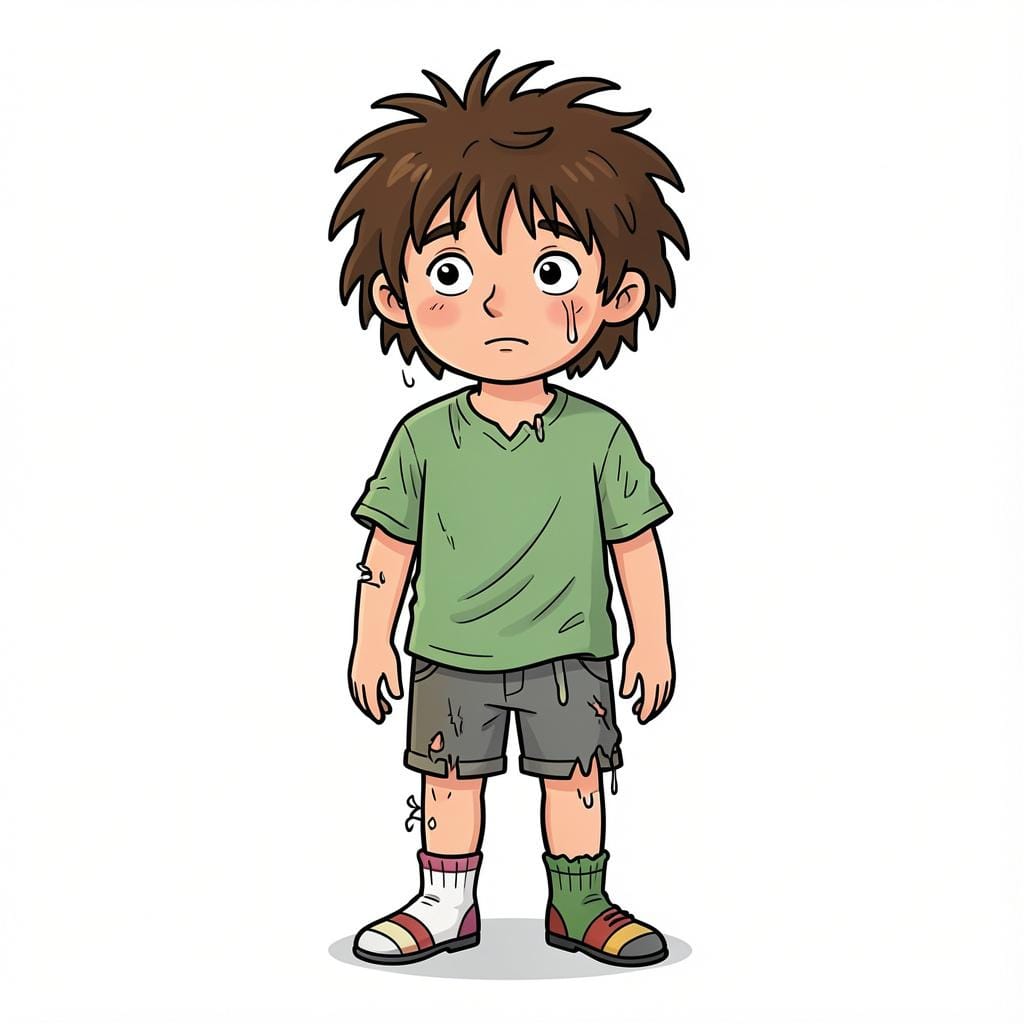
Desde que está deprimida, se ve muy abandonada.
Since she has been depressed, she looks very neglected (untidy).
Careless actions vs. Careless attitude
Related Translations
Learn Spanish with Inklingo
Interactive stories, personalized learning, and more.