How to Say "let" in Spanish
The most common Spanish word for “let” is “dejen” — use this form when giving a command to multiple people (formal 'you' or 'they') to allow or permit something, or to leave something behind.



dejen
DEH-hen (like 'day-hen')ˈde.xen

Examples
Dejen sus maletas aquí, por favor.
Leave your suitcases here, please.
Dejen sus abrigos en el guardarropa, por favor.
Leave your coats in the cloakroom, please.
Espero que ellos dejen un mensaje antes de irse.
I hope they leave a message before leaving.
¡Dejen de gritar ahora mismo!
Stop shouting right now!
Formal Plural Command
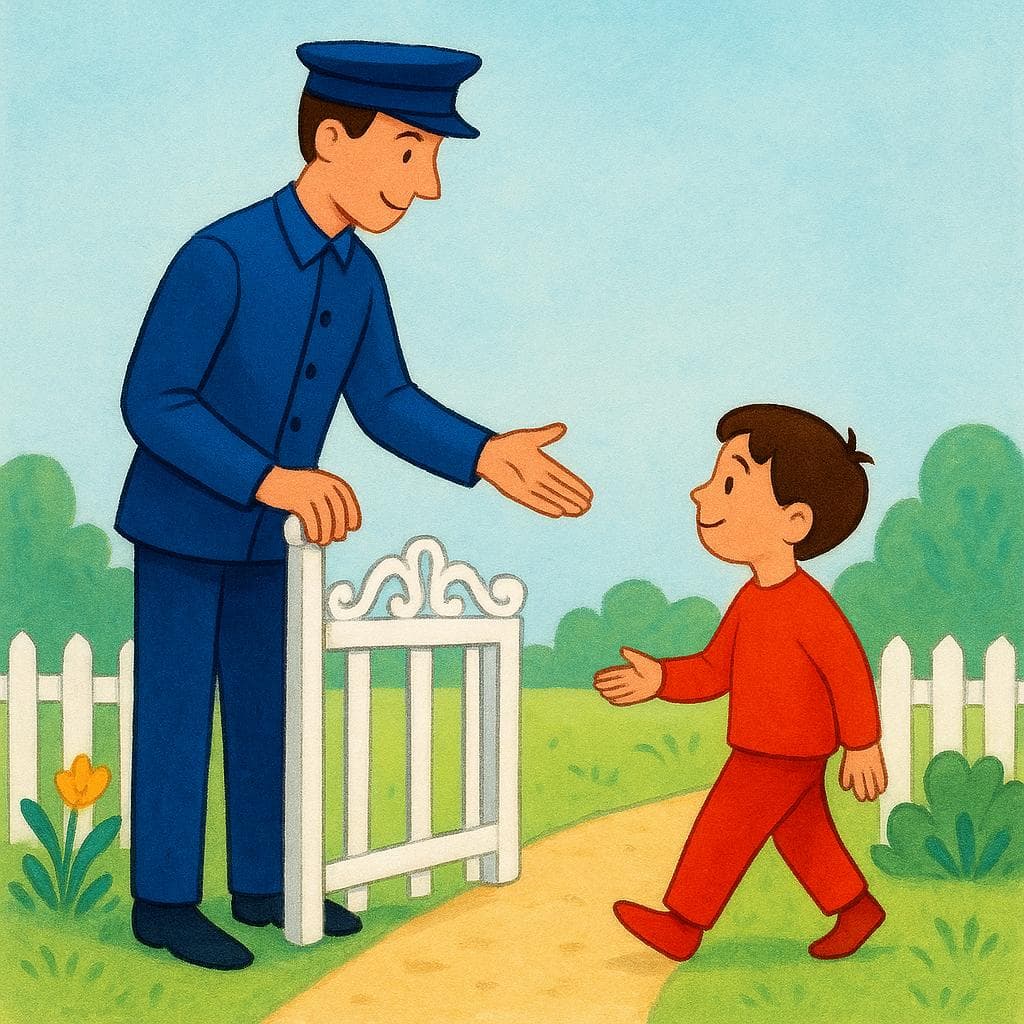
"Dejen" is the formal way to give a command to a group of people (ustedes). It translates to 'You all leave' or 'You all place'.
Subjunctive Use
When used after verbs of desire, doubt, or emotion (like 'querer' or 'esperar'), 'dejen' means 'that they leave/place'.
Confusing Commands
Mistake: “Using 'dejan' (present indicative) for a formal command.”
Correction: Always use 'dejen' for the formal plural command (Ustedes), which comes from the special verb form (subjunctive).
Examples
El profesor no me dejó salir temprano.
The teacher didn't let me leave early.
dejado
de-HA-dodeˈxa.ðo
Examples
Han dejado entrar a todos los invitados.
They have let all the guests in.
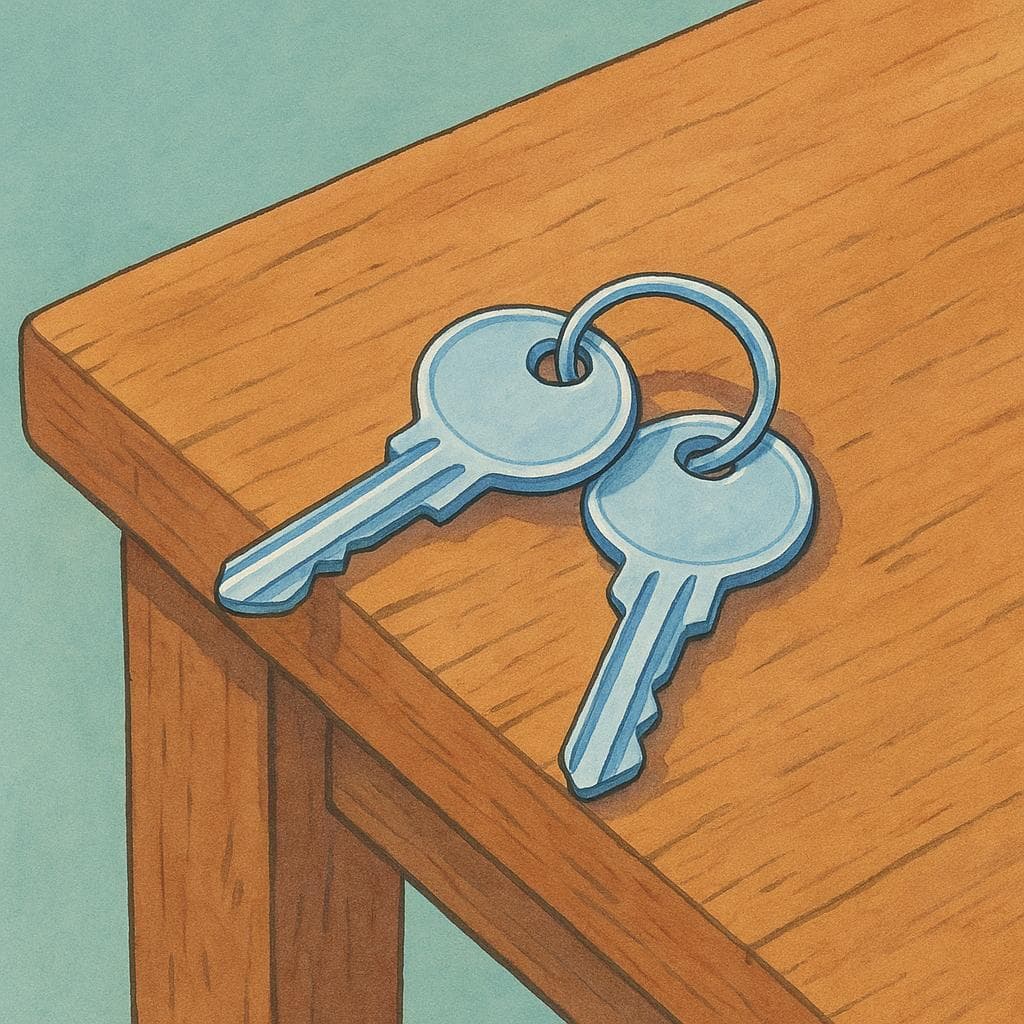
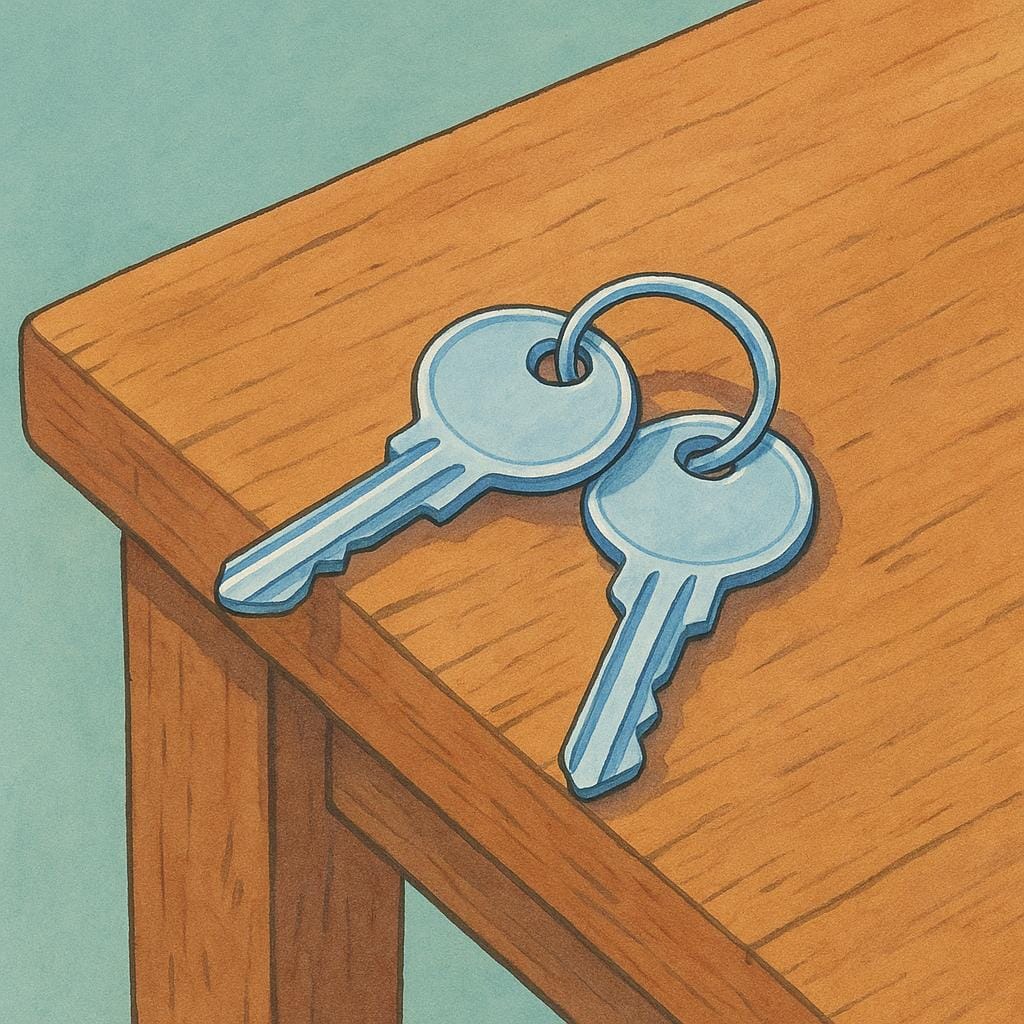
He dejado las llaves sobre la mesa.
I have left the keys on the table.
Mis padres no me han dejado ir a la fiesta.
My parents haven't let me go to the party.
¿Has dejado ya tu antiguo trabajo?
Have you already left your old job?
The 'Have Done' Form
Dejado is the past participle of dejar. You'll almost always see it with the verb haber (like 'have' or 'has') to talk about actions that are completed. For example, he dejado means 'I have left'.
Always Stays the Same with 'Haber'
When you use dejado with haber (like in he dejado, has dejado, etc.), it never changes. It's always dejado, no matter who did the action or what they left.
Using it Alone for Past Actions
Mistake: “Yo dejado mis llaves en casa.”
Correction: Use `Yo dejé...` for a simple past action, or `Yo he dejado...` for a 'have left' action. You can't use `dejado` by itself as the main verb.
dejad
deh-HAHDdeˈxað

Examples
¡Dejad de hacer ruido!
Stop making noise!
¡Dejad de discutir ahora mismo!
Stop arguing right now!
Dejad las maletas en la entrada y subid.
Leave the suitcases at the entrance and come up.
Dejad que os explique lo que pasó.
Let me explain what happened to you all.
The Vosotros Command
This form, 'dejad', is the command for 'you all' (plural informal) and is only used in Spain. It tells a group of friends or family what to do.
Forming the Affirmative Command
For -ar verbs like 'dejar', the affirmative command for 'vosotros' is always the infinitive form ('dejar') with the 'r' changed to 'd'. (dejad)
Using the wrong pronoun
Mistake: “Using 'dejad' when speaking to people in Latin America.”
Correction: In Latin America, use 'dejen' (the 'ustedes' command form) instead of 'dejad', even for informal groups.
dejara
deh-HAH-radeˈxaɾa

Examples
Quería que me dejara pasar.
I wanted him/her to let me pass.
Mi madre quería que yo dejara de comer dulces.
My mother wanted me to stop eating sweets.
Si el jefe me dejara ir temprano, terminaría el informe en casa.
If the boss would let me leave early, I would finish the report at home.
Era importante que usted dejara su opinión por escrito.
It was important that you leave your opinion in writing.
The 'Hypothetical Past' Mood
This form ('dejara') is the Imperfect Subjunctive. It's used when talking about past wishes, doubts, or hypothetical situations that didn't happen, often after verbs of desire (querer), emotion, or necessity (era necesario que).
Two Forms for the Same Tense
Spanish has two standard forms for this tense: 'dejara' and 'dejase'. Both mean exactly the same thing, but 'dejara' is much more common in daily speech across most of Latin America and Spain.
Mixing Conditional and Subjunctive
Mistake: “Si me dejaría, iría. (Incorrect)”
Correction: Si me dejara, iría. (Correct). Remember, 'si' (if) clauses about unreal or hypothetical events in the past or present usually need 'dejara'.
permita
per-MEE-tahpeɾˈmita
Examples
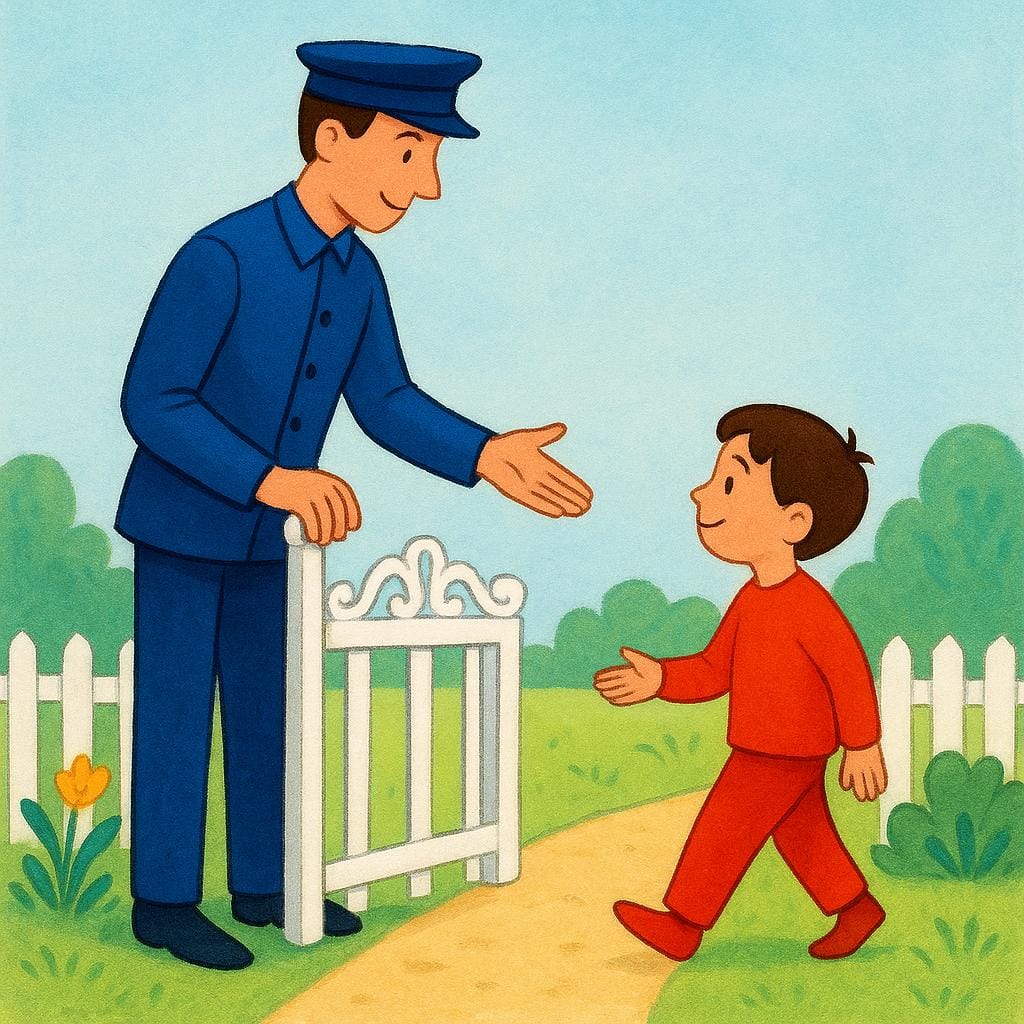
Permita que le ofrezca una copa.
Allow me to offer you a drink.
Permita que le ayude con su equipaje, por favor.
Allow me to help you with your luggage, please.
Espero que la situación nos permita viajar pronto.
I hope the situation allows us to travel soon.
Mi jefe no quiere que yo permita ninguna excepción a la regla.
My boss does not want me to allow any exception to the rule.
Formal Commands
When you want to tell a person formally (using 'usted') to allow something, you use 'permita'. This is the same form as the 'él/ella/usted' form in the special verb mood used for wishes and influence.
Subjunctive Use
'Permita' is the form used for 'yo', 'él', 'ella', and 'usted' when the verb is in the special mood used to talk about wishes, doubts, or things that might happen, often after words like 'espero que' (I hope that) or 'no creo que' (I don't believe that).
Formal vs. Informal Command
Mistake: “Using 'permite' when speaking formally to a boss or elder.”
Correction: Use 'permita' for formal requests (usted command) and 'permite' for informal requests (tú command). Remember: 'permita' is always more polite.
Command vs. Past Tense
Learn Spanish with Inklingo
Interactive stories, personalized learning, and more.