How to Say "quit" in Spanish
The most common Spanish word for “quit” is “dejó” — use this when referring to something stopping, like an action or a habit, often in the past tense.

Examples
Dejó de llover justo antes del partido.
It stopped raining right before the game.
dejara
deh-HAH-radeˈxaɾa

Examples
Esperaba que Mario dejara ese mal hábito de fumar.
I hoped Mario would quit that bad habit of smoking.
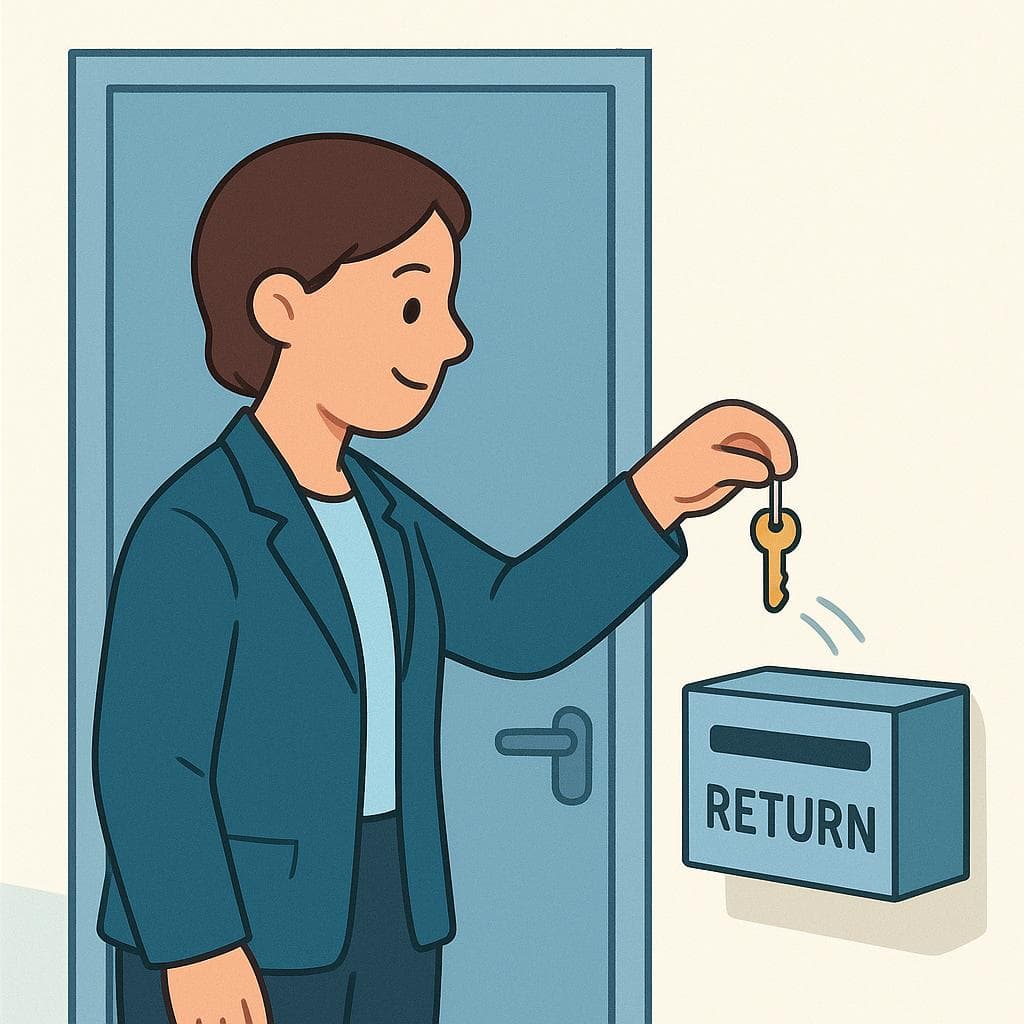
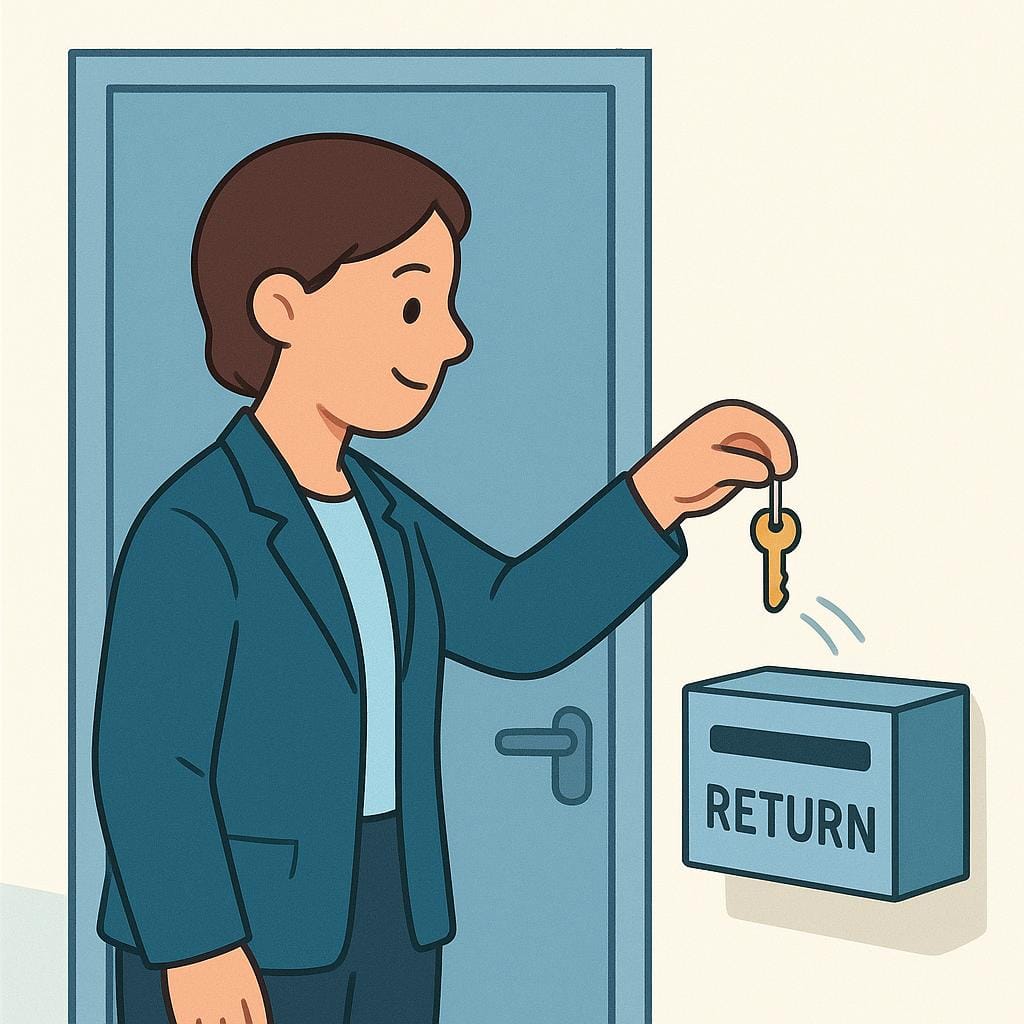
Si usted dejara la llave en la caja, no tendríamos problemas.
If you were to leave the key in the box, we wouldn't have problems.
Dejar de + Infinitive
When 'dejara' is followed by 'de' and another verb (like 'dejara de fumar'), it always means 'to stop doing something' or 'to quit'.
Examples
Ella abandonó la carrera justo antes de la meta.
She quit the race just before the finish line.
renunciar
reh-noon-see-ARrenunˈsjaɾ
Examples
Ella renunció a su trabajo para viajar por el mundo.
She resigned from her job to travel the world.
Si no estás feliz, debes renunciar a ese puesto.
If you are not happy, you should quit that post.
El director ha decidido renunciar a la presidencia.
The director has decided to step down from the presidency.
The 'A' Connection
When you specify what you are quitting, 'renunciar' almost always needs the little word 'a' (to/from) right before the thing you are giving up: 'Renunciar al trabajo' (Quit the job).
Forgetting the Preposition
Mistake: “Voy a renunciar el trabajo.”
Correction: Voy a renunciar *al* trabajo. (Remember 'al' is 'a' + 'el'.)
dejen
DEH-hen (like 'day-hen')ˈde.xen
Examples
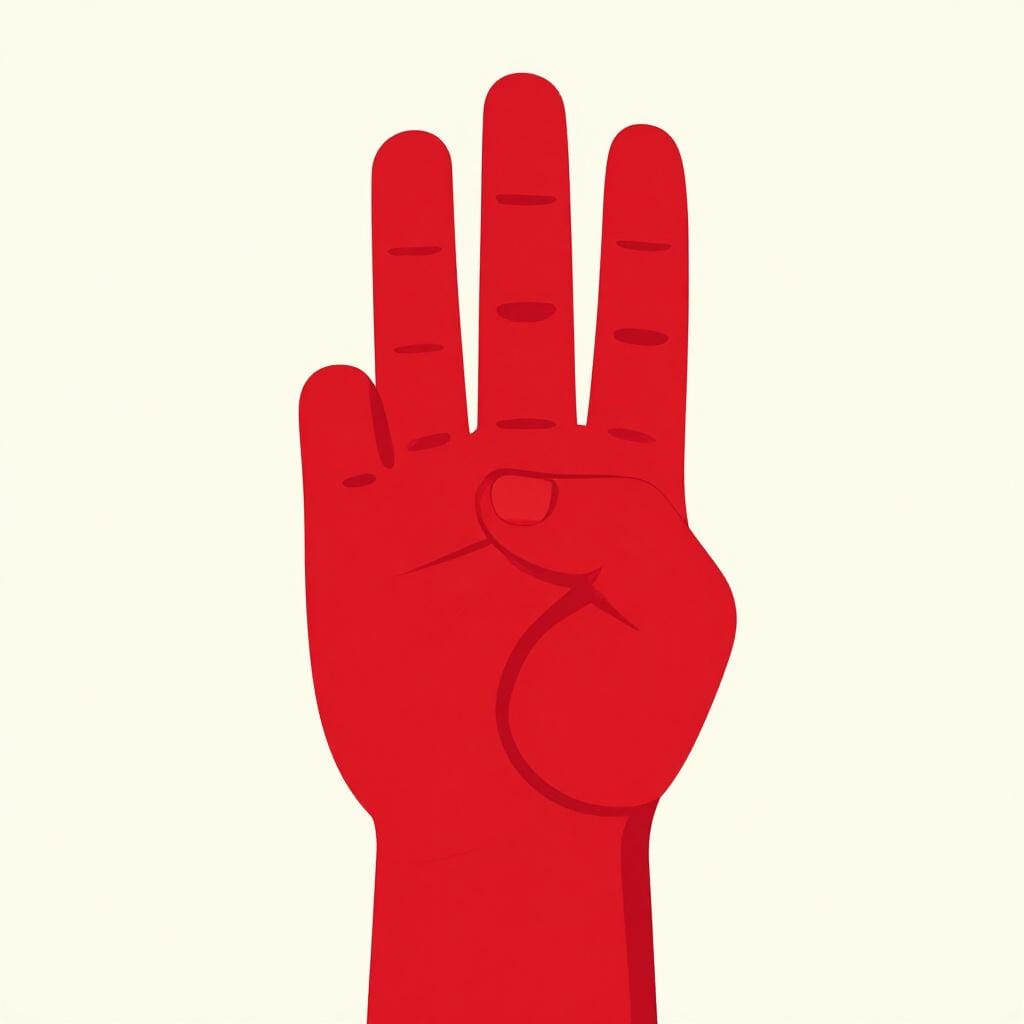
¡Dejen de comer dulces! Es hora de cenar.
Stop eating sweets! It's dinner time.
El doctor sugirió que dejen el café por unos días.
The doctor suggested that they quit coffee for a few days.
Stopping an Action
To command someone to stop doing something, you must use 'Dejen de' followed by the verb in the '-ing' form (gerundio): 'Dejen de correr'.
Missing 'de'
Mistake: “Saying 'Dejen comer' (which means 'Allow eating').”
Correction: To mean 'Stop eating', you must include the preposition: 'Dejen de comer'.
dejado
de-HA-dodeˈxa.ðo
Examples
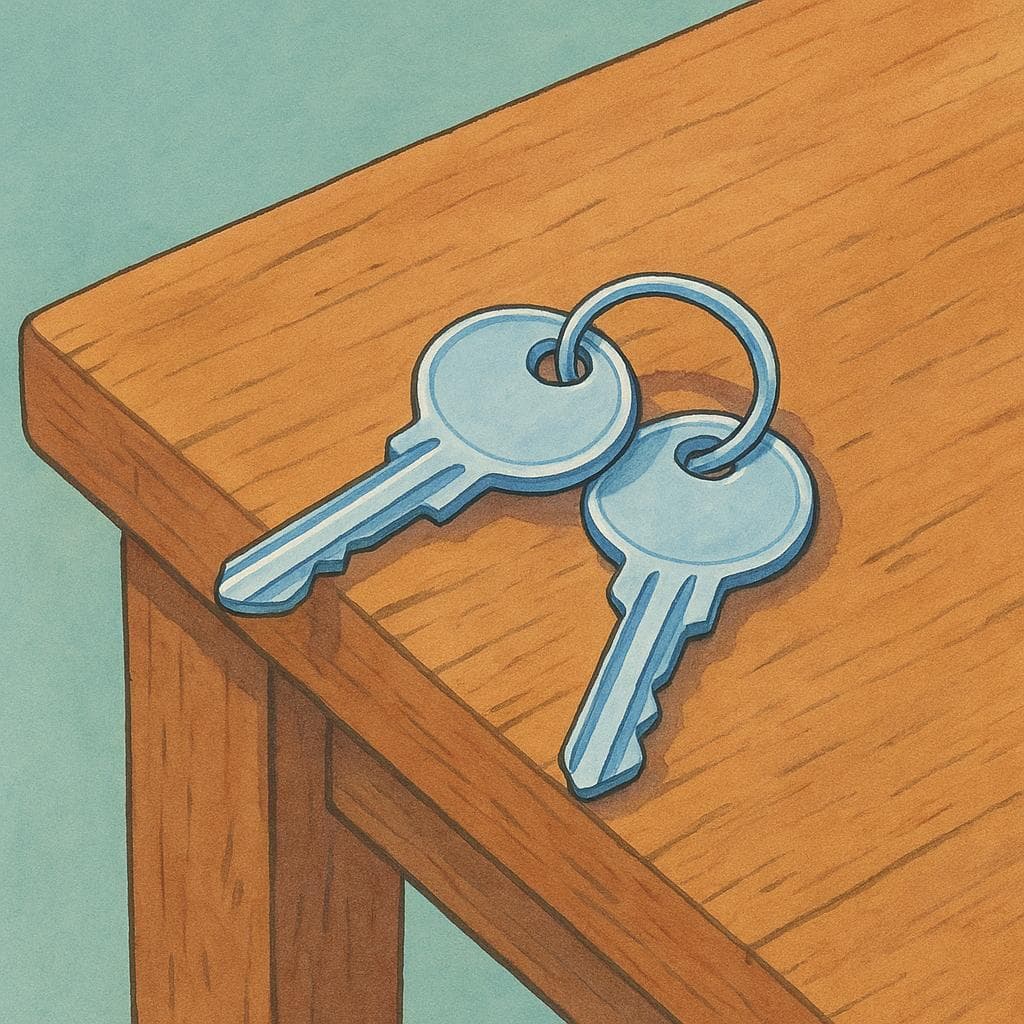
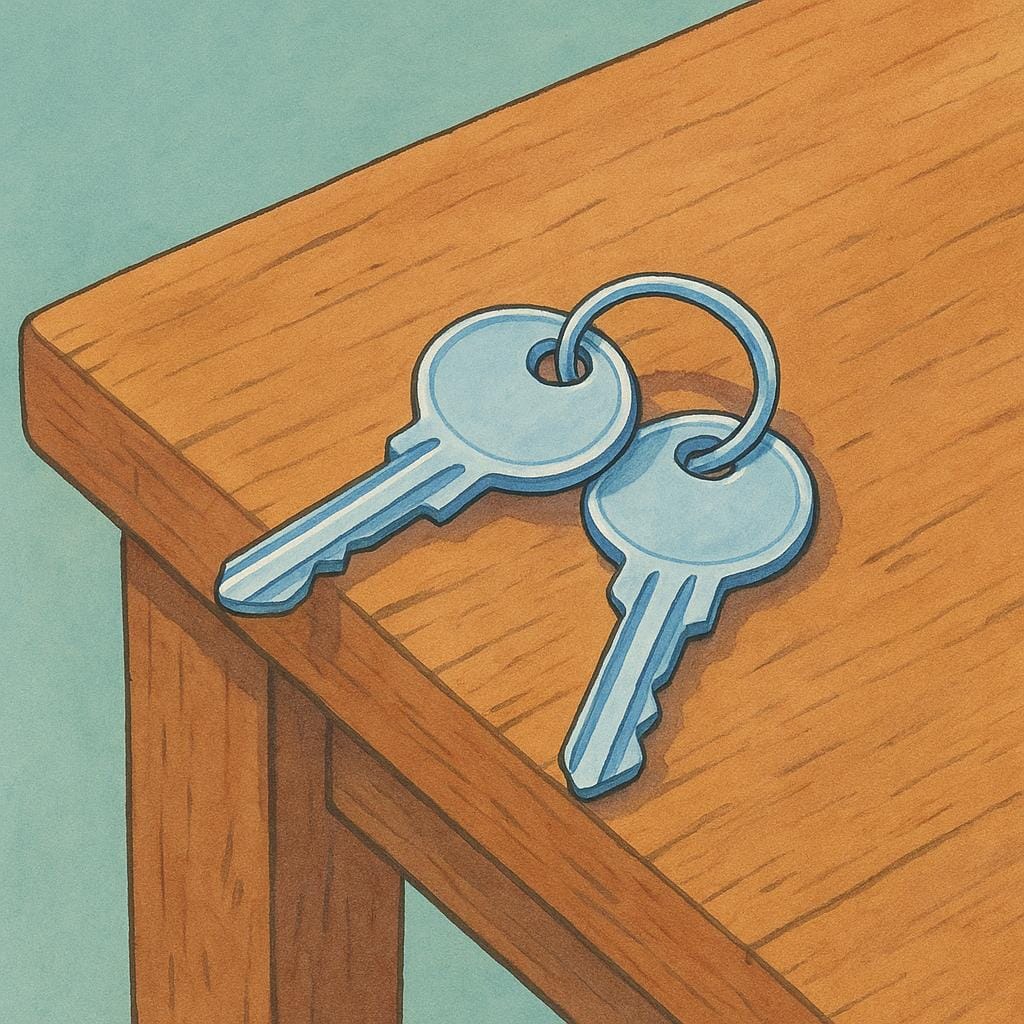
He dejado las llaves sobre la mesa.
I have left the keys on the table.
Mis padres no me han dejado ir a la fiesta.
My parents haven't let me go to the party.
¿Has dejado ya tu antiguo trabajo?
Have you already left your old job?
The 'Have Done' Form
Dejado is the past participle of dejar. You'll almost always see it with the verb haber (like 'have' or 'has') to talk about actions that are completed. For example, he dejado means 'I have left'.
Always Stays the Same with 'Haber'
When you use dejado with haber (like in he dejado, has dejado, etc.), it never changes. It's always dejado, no matter who did the action or what they left.
Using it Alone for Past Actions
Mistake: “Yo dejado mis llaves en casa.”
Correction: Use `Yo dejé...` for a simple past action, or `Yo he dejado...` for a 'have left' action. You can't use `dejado` by itself as the main verb.
Job vs. Habit vs. Stopping
Related Translations
Learn Spanish with Inklingo
Interactive stories, personalized learning, and more.