How to Say "cheer up!" in Spanish
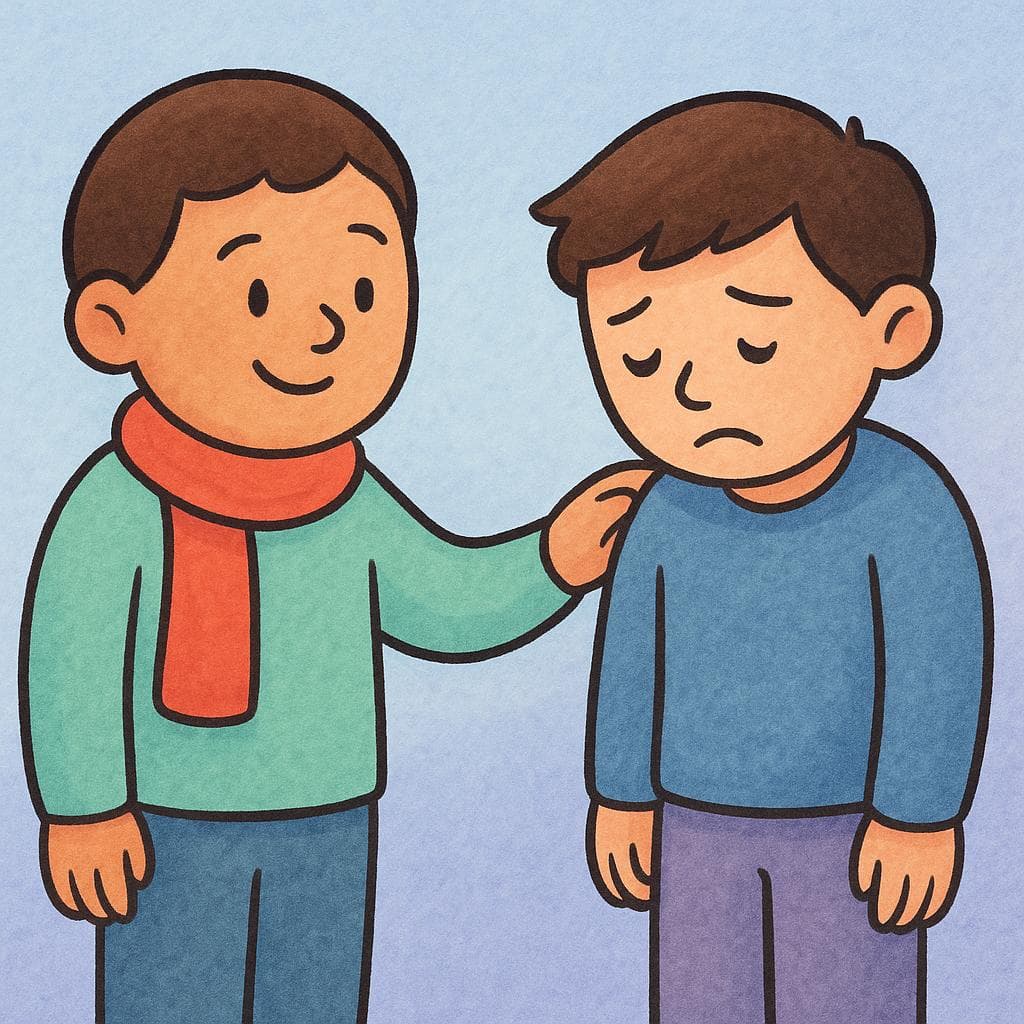
The most common Spanish word for “cheer up!” is “ánimo” — use this as a general exclamation of encouragement when someone is feeling down, has failed at something, or is facing a difficulty.
ánimo
Examples
¡Ánimo! Seguro que lo consigues la próxima vez.
Cheer up! I'm sure you'll achieve it next time.
alegra
ah-LEH-grahaˈleɣra
Examples
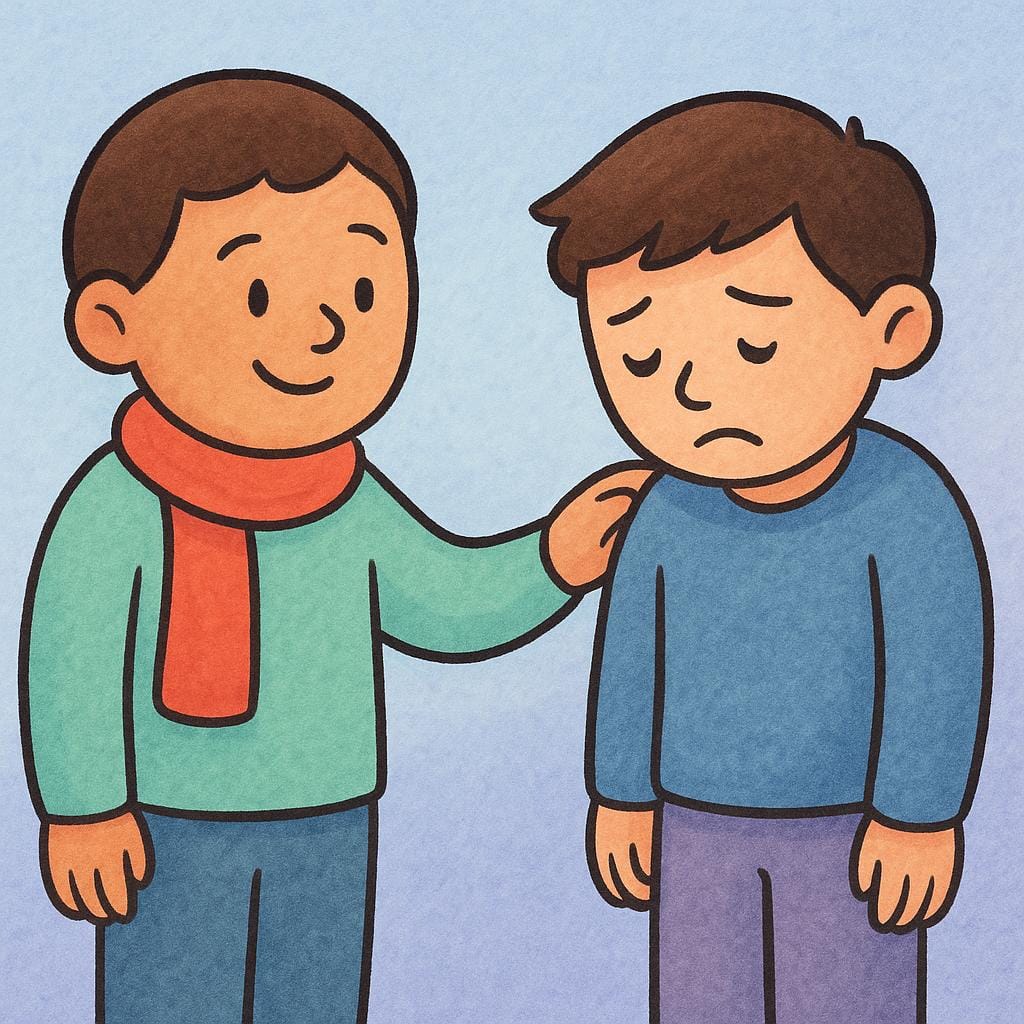
Mamá está triste, ¡alegra a tu hermanita!
Mom is sad, cheer up your little sister!
¡Alegra a tu abuela, que está un poco triste!
Cheer up your grandmother, she is a little sad!
¡Alegra esa cara y ven a bailar!
Cheer up that face and come dance!
The 'Tú' Command Trick
When you tell a friend to do something now, the command form for regular -AR verbs ('alegra') looks exactly like the 'él/ella/usted' present tense form of the verb.
Telling Yourself to Cheer Up
To command someone to cheer themselves up, you attach the pronoun 'te' to the end: ¡Alégrate! (Cheer yourself up!). Note the accent mark shift.
Interjection vs. Command
Related Translations
Learn Spanish with Inklingo
Interactive stories, personalized learning, and more.