How to Say "childhood" in Spanish
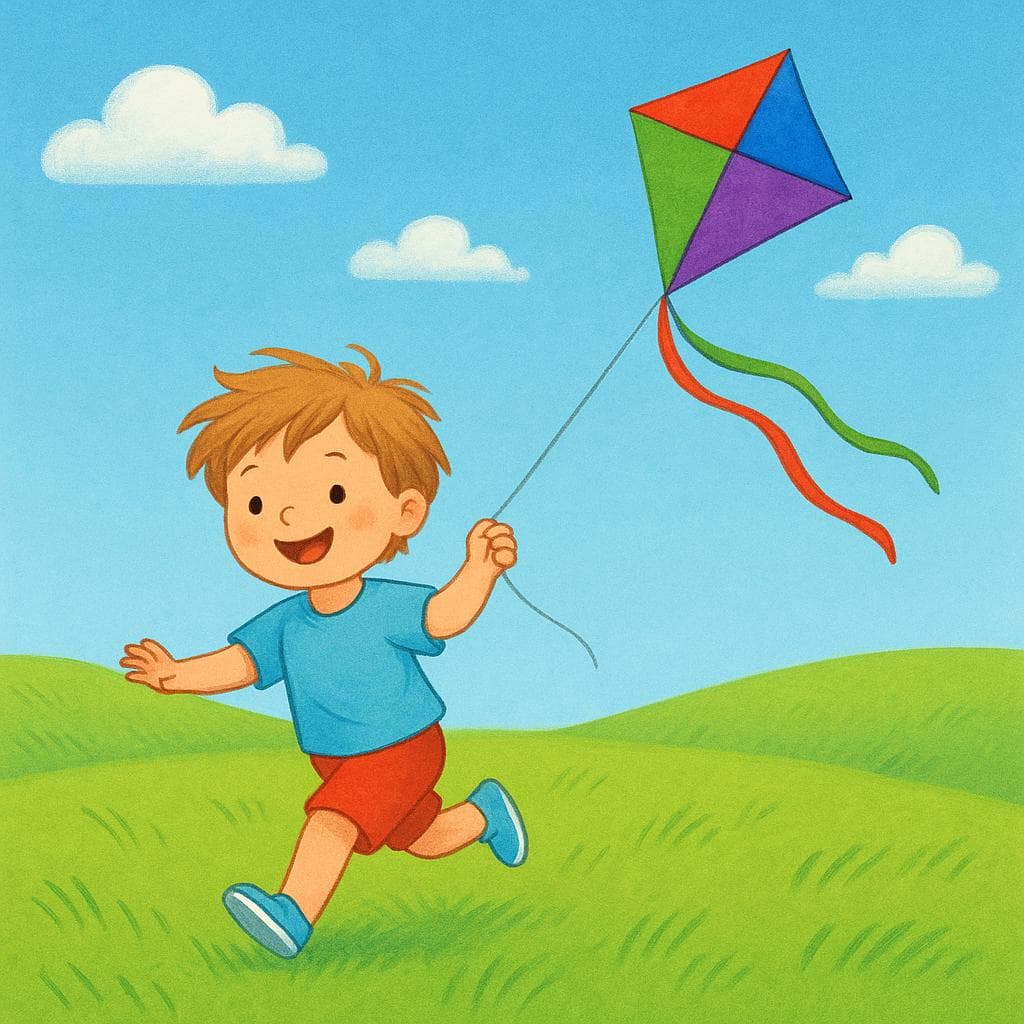
The most common Spanish word for “childhood” is “niñez” — use 'niñez' when referring to the general period of being a child, especially when emphasizing a happy or specific personal experience of childhood.
niñez
Examples
Tuve una niñez muy feliz en el campo.
I had a very happy childhood in the countryside.
infancia
een-FAHN-see-ahinˈfan.sja
Examples
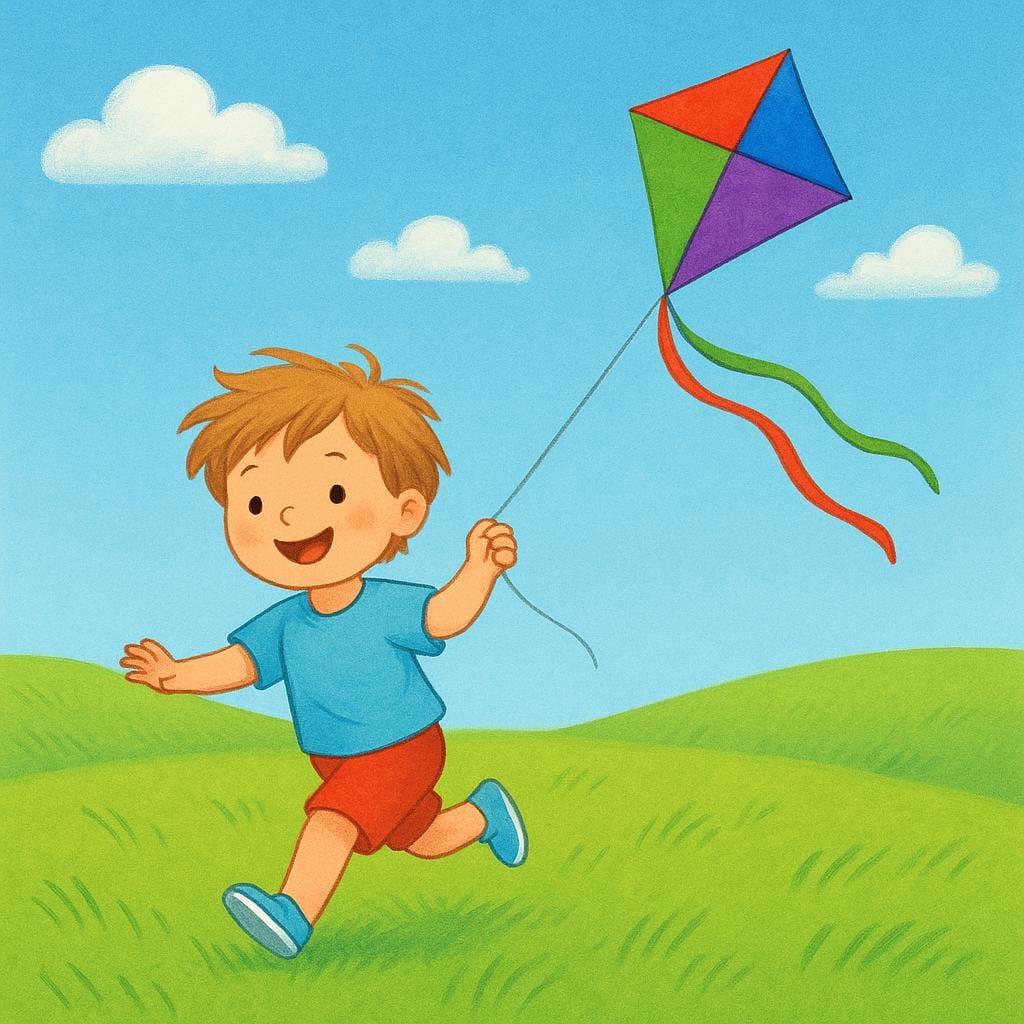
Mi abuela siempre cuenta historias divertidas de su infancia.
My grandmother always tells funny stories from her childhood.
La infancia es una etapa crucial para el desarrollo de la personalidad.
Childhood is a crucial stage for personality development.
El proyecto está todavía en su infancia y necesita más inversión.
The project is still in its infancy and needs more investment.
Feminine Noun Rule
Most Spanish nouns that end in '-cia' are feminine, like 'infancia'. Remember to use feminine articles and adjectives with it (e.g., 'la infancia', 'mi feliz infancia').
Using the wrong gender
Mistake: “El infancia fue difícil.”
Correction: La infancia fue difícil. ('Infancia' is a feminine word, so it must use 'la'.)
Niñez vs. Infancia
Related Translations
Learn Spanish with Inklingo
Interactive stories, personalized learning, and more.