How to Say "clapping" in Spanish
The most common Spanish word for “clapping” is “aplauso” — use 'aplauso' when referring to the physical action of striking your hands together, often as a collective gesture of appreciation.

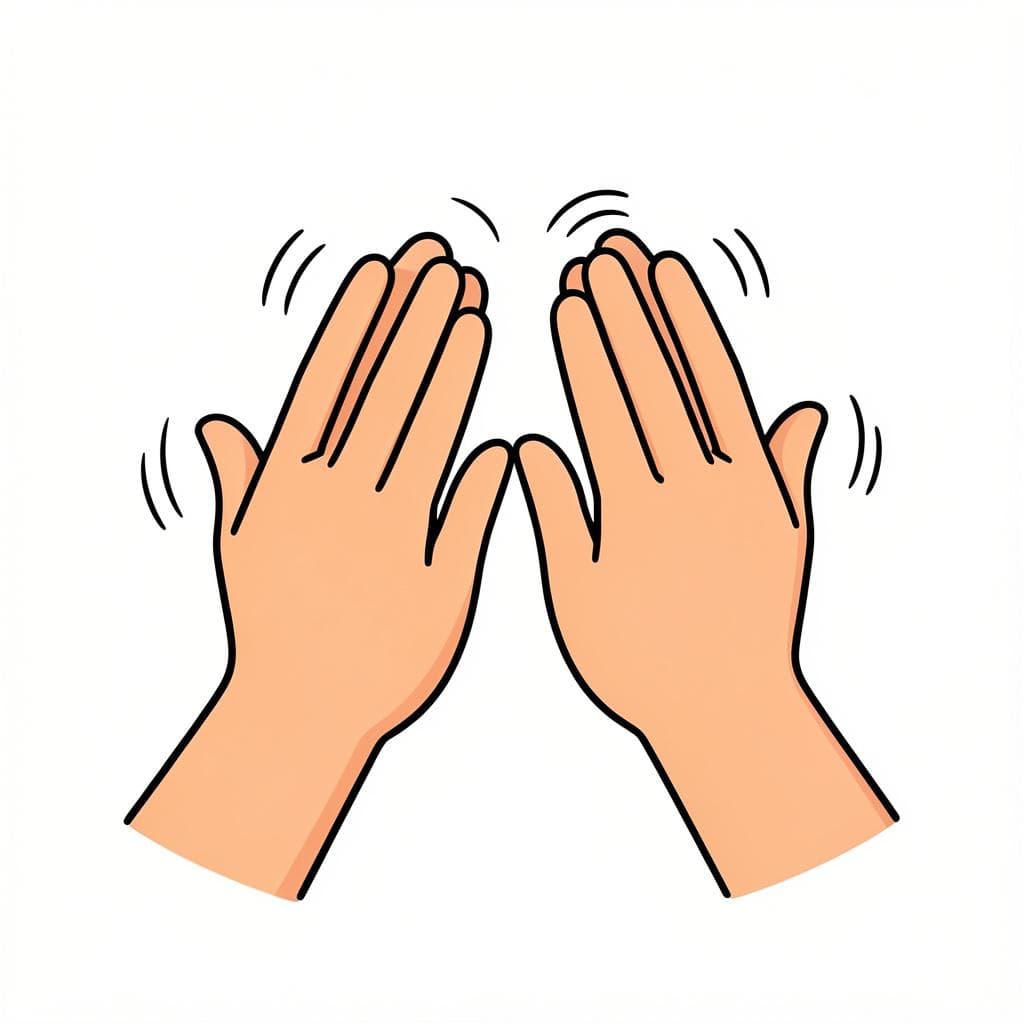
aplauso
ah-PLOW-sohaˈplau̯.so

Examples
El público dio un gran aplauso al final de la obra.
The audience gave a big clap at the end of the play.
Al terminar la canción, el público estalló en un aplauso fuerte.
When the song finished, the audience erupted in loud applause.
Necesitas dar un aplauso a los niños por su esfuerzo.
You need to give the children a clap for their effort.
El aplauso duró varios minutos, pidiendo otra canción.
The applause lasted several minutes, asking for another song.
Masculine Noun
Remember that 'aplauso' is always treated as a masculine word, so you use 'el aplauso' or 'un aplauso'.
Using the Plural too Easily
Mistake: “Dio unos aplausos.”
Correction: Dio un aplauso. (Spanish often uses the singular 'aplauso' where English might say 'a round of applause' or 'some applause'.)
palma
PAHL-mahˈpalma
Examples
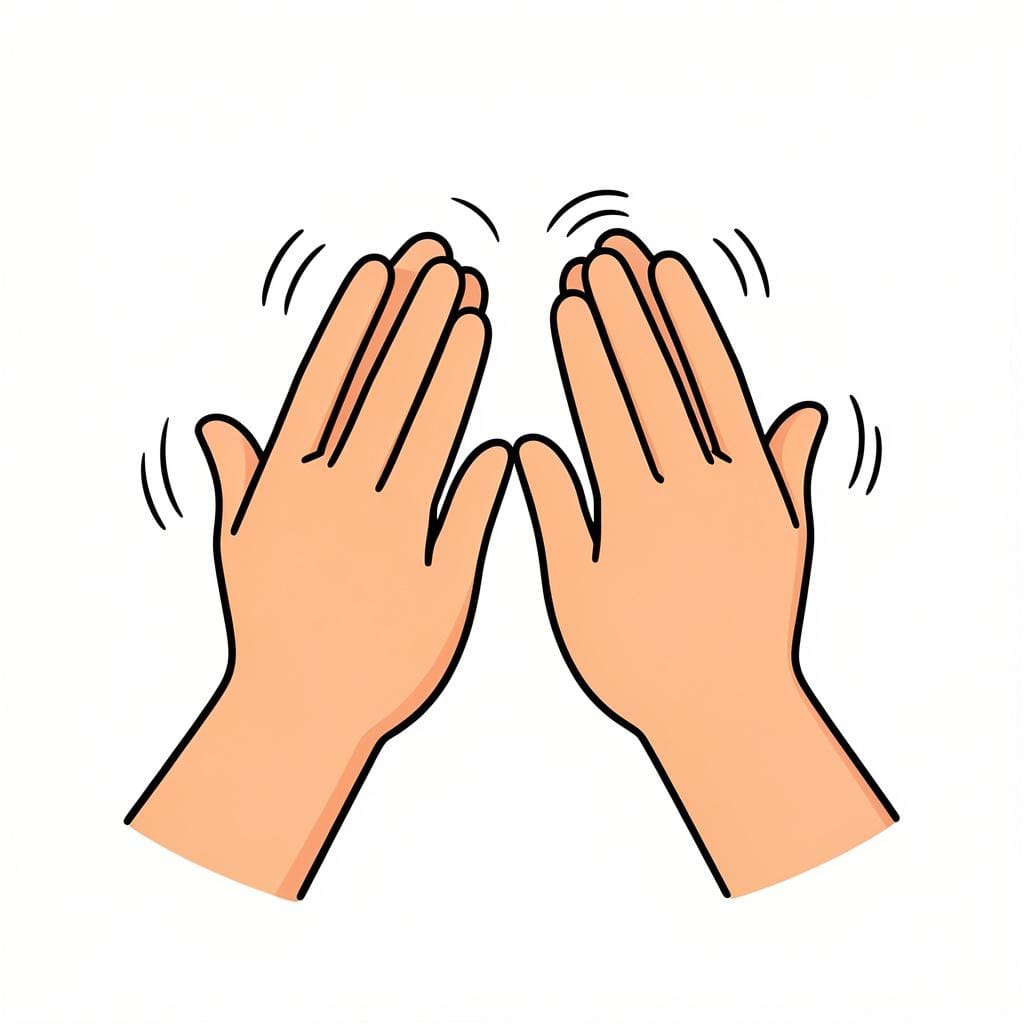
Empezamos a dar palmas para animar al equipo.
We started clapping to cheer on the team.
Todo el mundo empezó a dar palmas al ritmo de la música.
Everyone started clapping to the rhythm of the music.
El público rompió en palmas tras el concierto.
The audience burst into applause after the concert.
Action vs. Sound
Learn Spanish with Inklingo
Interactive stories, personalized learning, and more.