How to Say "palm" in Spanish
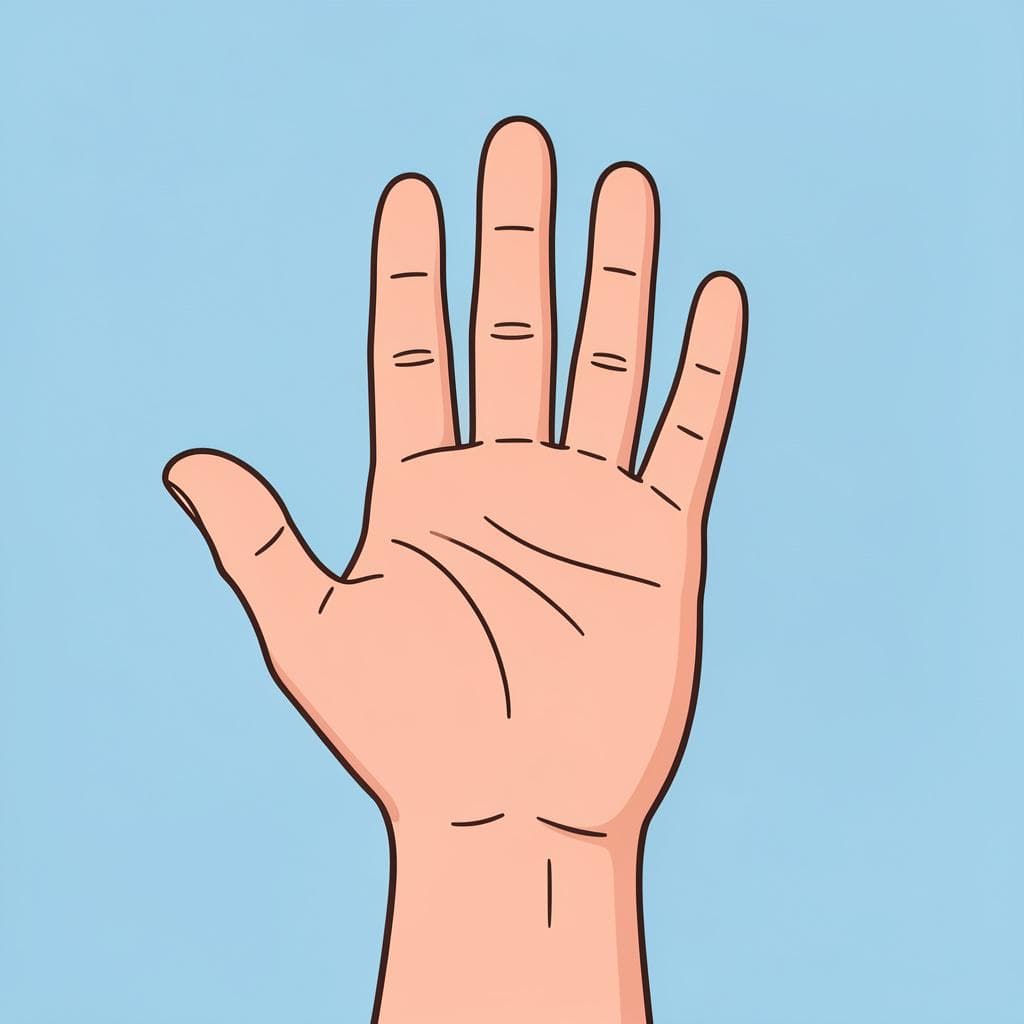
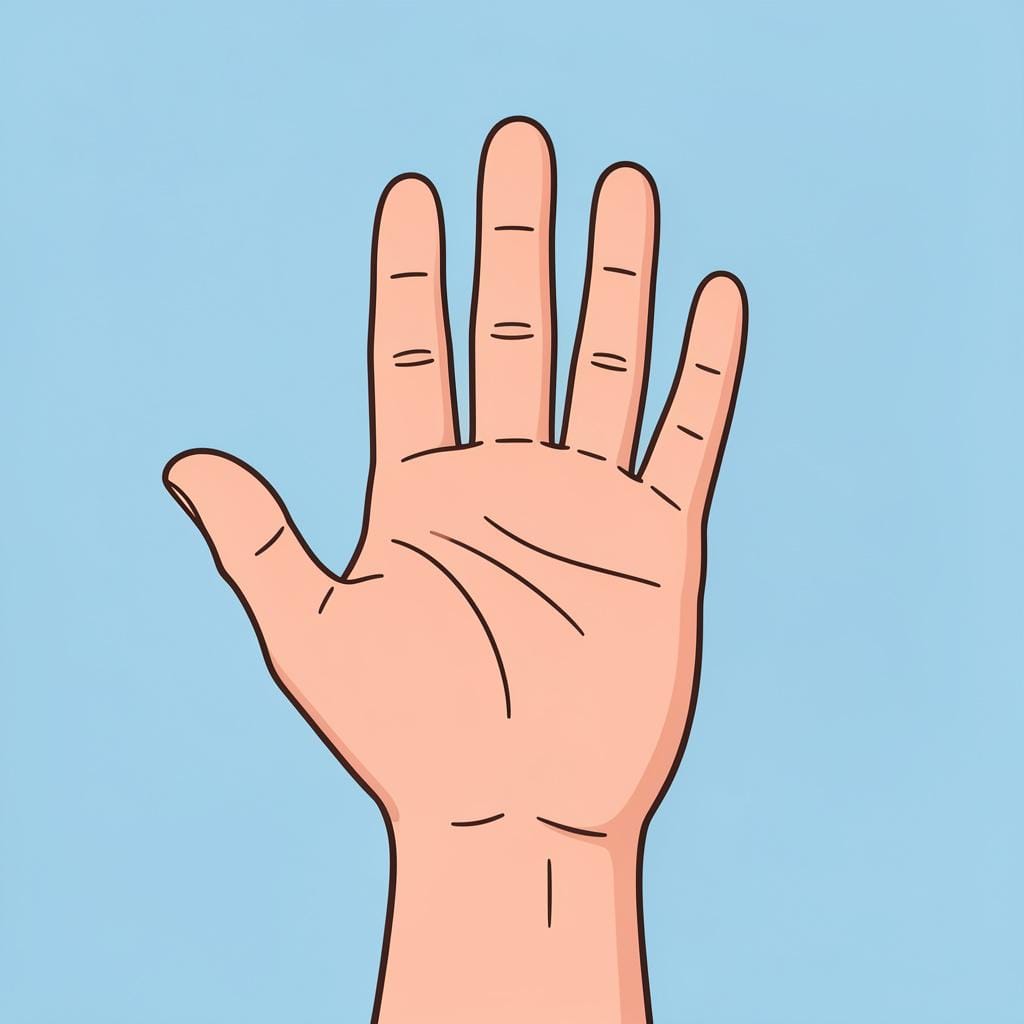
The most common Spanish word for “palm” is “palma” — use 'palma' when referring to the inner surface of your hand.
palma
PAHL-mahˈpalma
Examples
Me duele la palma de la mano después de escalar.
The palm of my hand hurts after climbing.
Me pica la palma de la mano.
The palm of my hand itches.
Leí mi futuro en la palma de mi mano.
I read my future in the palm of my hand.
Feminine Noun
This word is feminine. Always use 'la' or 'una' (e.g., la palma).
palmera
pahl-MEH-rahpalˈmeɾa

Examples
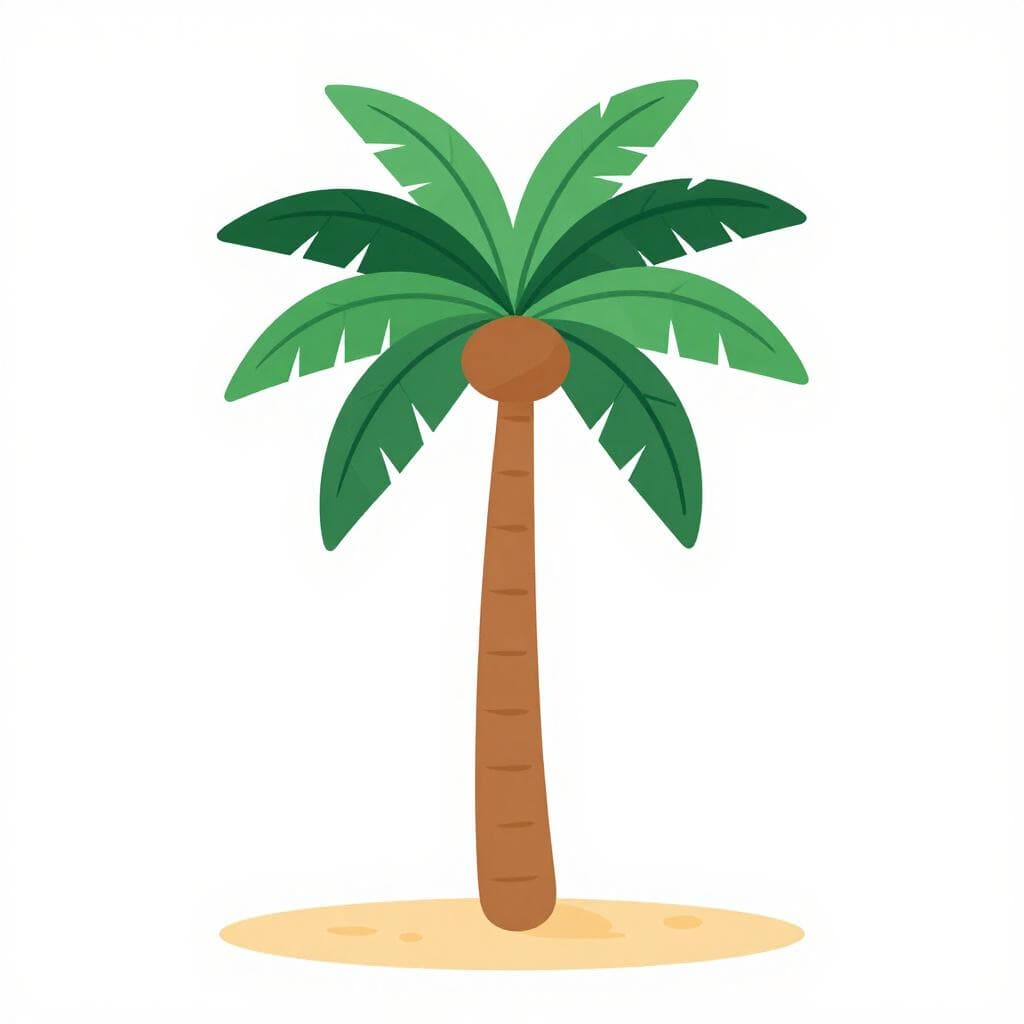
Vimos muchas palmeras en el Caribe.
We saw many palm trees in the Caribbean.
Hay muchas palmeras en la playa de Miami.
There are many palm trees on Miami beach.
La palmera es el símbolo de las islas tropicales.
The palm tree is the symbol of tropical islands.
El viento movía las hojas de la palmera con fuerza.
The wind was moving the palm tree leaves forcefully.
Always Feminine
When referring to the tree, this word is always feminine ('la palmera'), regardless of whether it produces fruit or not.
Palma vs. Palmera
Use 'palma' for the leaf or the palm of your hand, but use 'palmera' for the entire standing tree.
Tree Gender Mix-up
Mistake: “El palmera es muy alto.”
Correction: La palmera es muy alta. (Trees ending in -a are almost always feminine in Spanish).
Hand vs. Tree
Related Translations
Learn Spanish with Inklingo
Interactive stories, personalized learning, and more.