palma
“palma” means “palm” in Spanish. It has 3 different meanings depending on context:
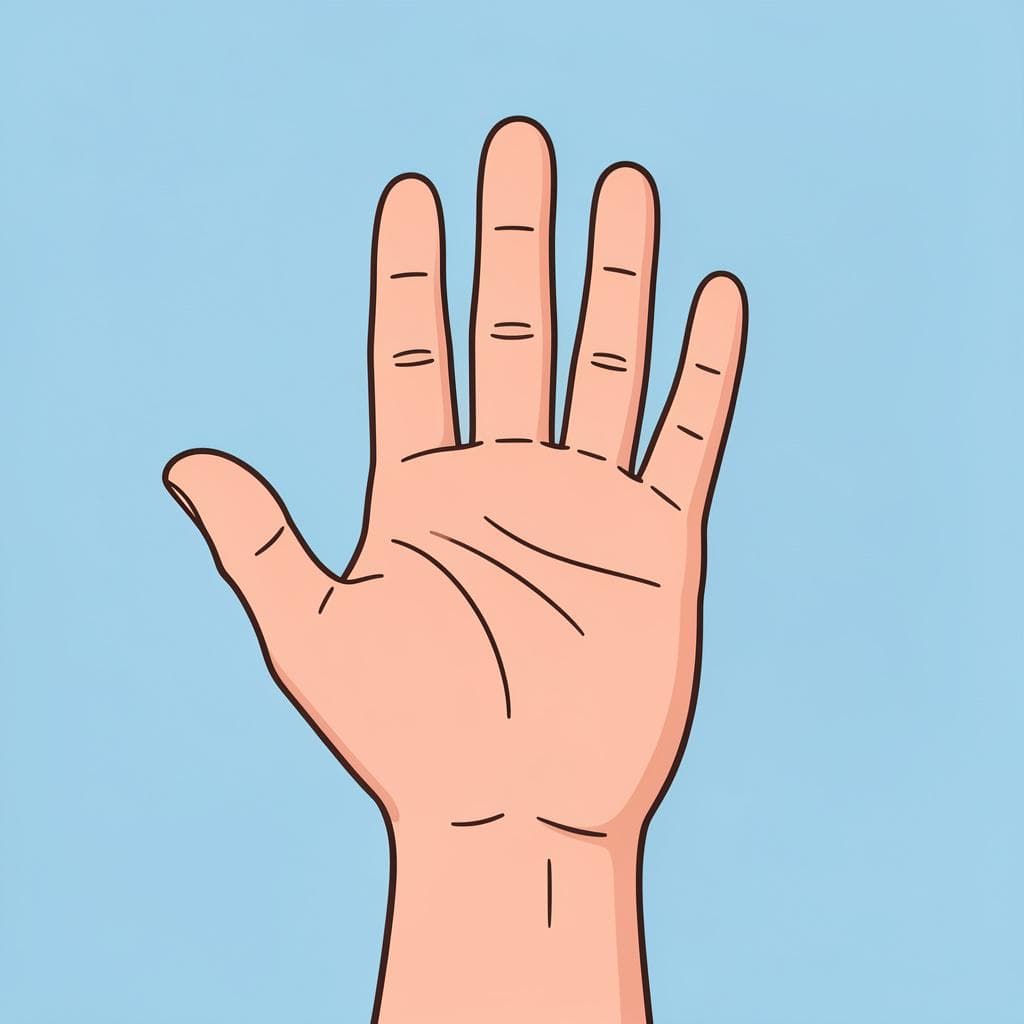

palm
Also: palm leaf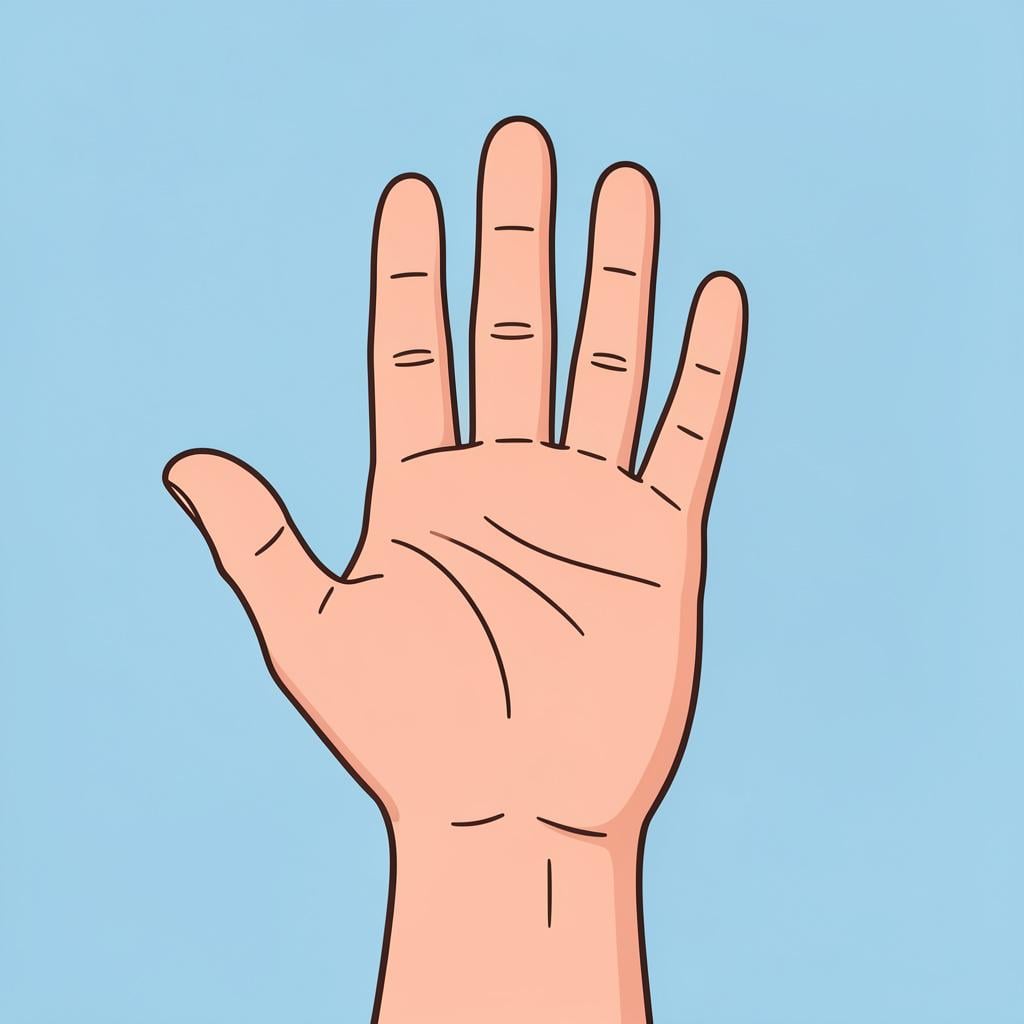
📝 In Action
Me pica la palma de la mano.
A1The palm of my hand itches.
Leí mi futuro en la palma de mi mano.
A2I read my future in the palm of my hand.
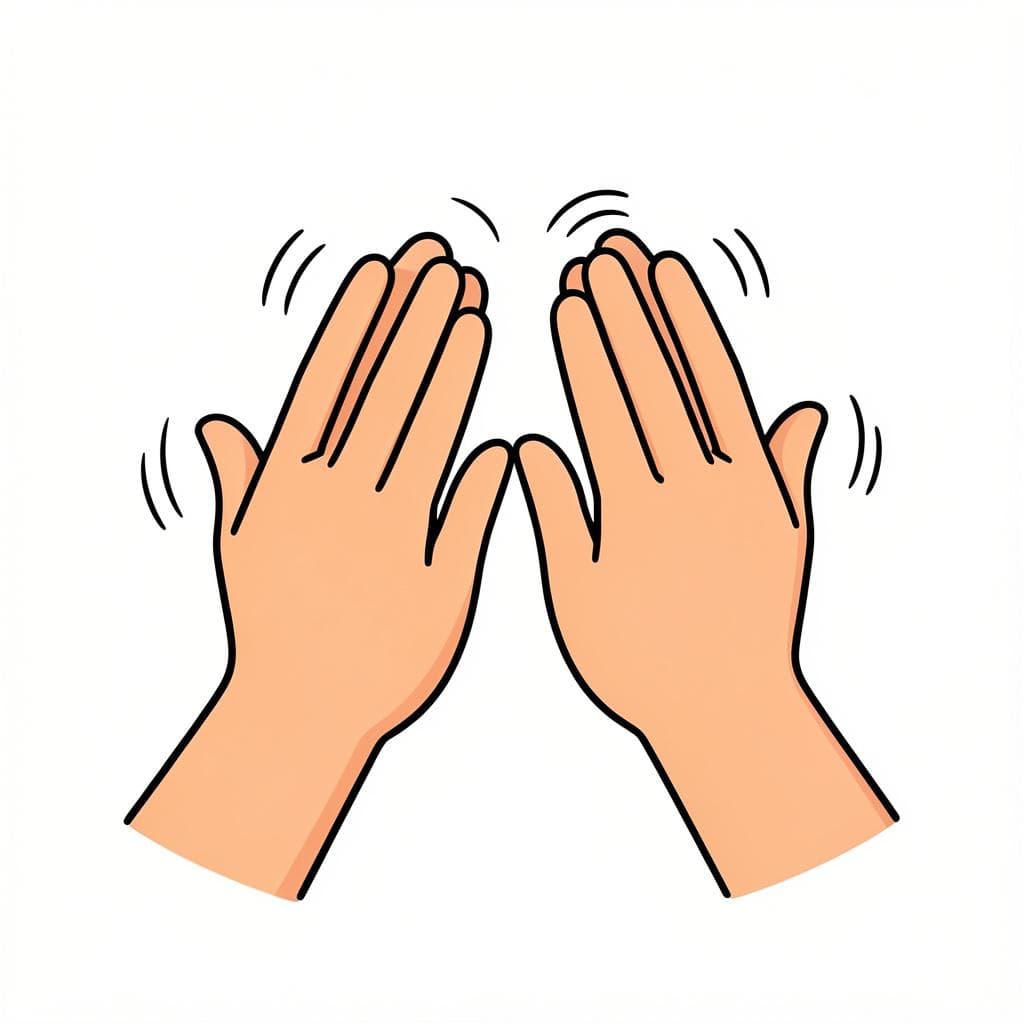
clapping
Also: applause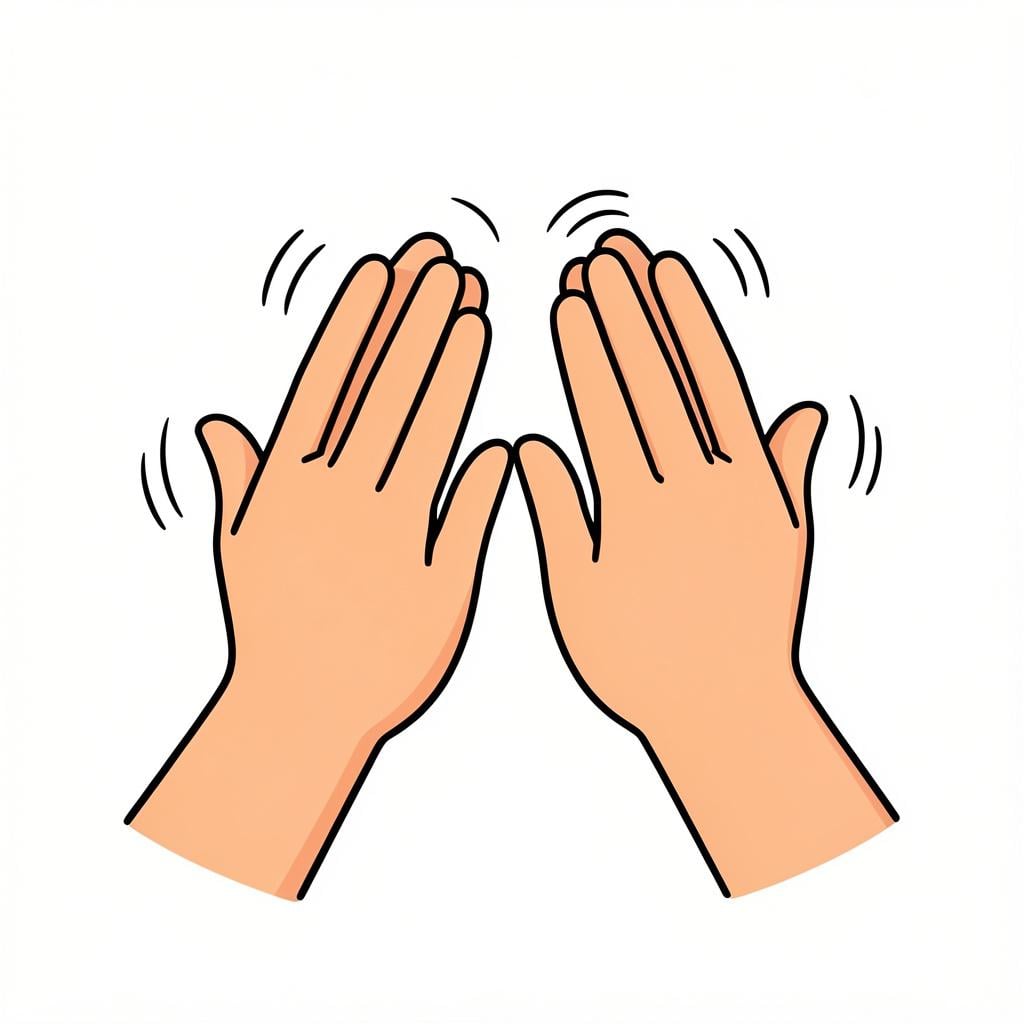
📝 In Action
Todo el mundo empezó a dar palmas al ritmo de la música.
B1Everyone started clapping to the rhythm of the music.
El público rompió en palmas tras el concierto.
B2The audience burst into applause after the concert.
victory
Also: prize
📝 In Action
Esta película se llevó la palma en el festival.
C1This movie took the prize at the festival.
Translate to Spanish
✏️ Quick Practice
Quick Quiz: palma
Question 1 of 2
If your friend says 'Conozco Madrid como la palma de mi mano,' what do they mean?
📚 More Resources
👥 Word Family▼
📚 Etymology▼
From the Latin word 'palma,' which originally meant the flat of the hand. It was later used for the tree because palm leaves spread out like the fingers on a hand.
First recorded: 10th century
Cognates (Related words)
💡 Master Spanish
Take your Spanish to the next level. Read 200+ illustrated and narrated Spanish stories tailored to your level with the Inklingo app!
Frequently Asked Questions
Is 'palma' used for both trees and hands?
Yes! It is used for the inner part of your hand and for the leaves of tropical palm trees.
Why is it plural ('palmas') for clapping?
Since you need two hands (two palms) to make the sound, Spanish speakers usually refer to the action in the plural: 'dar palmas'.