How to Say "closet" in Spanish
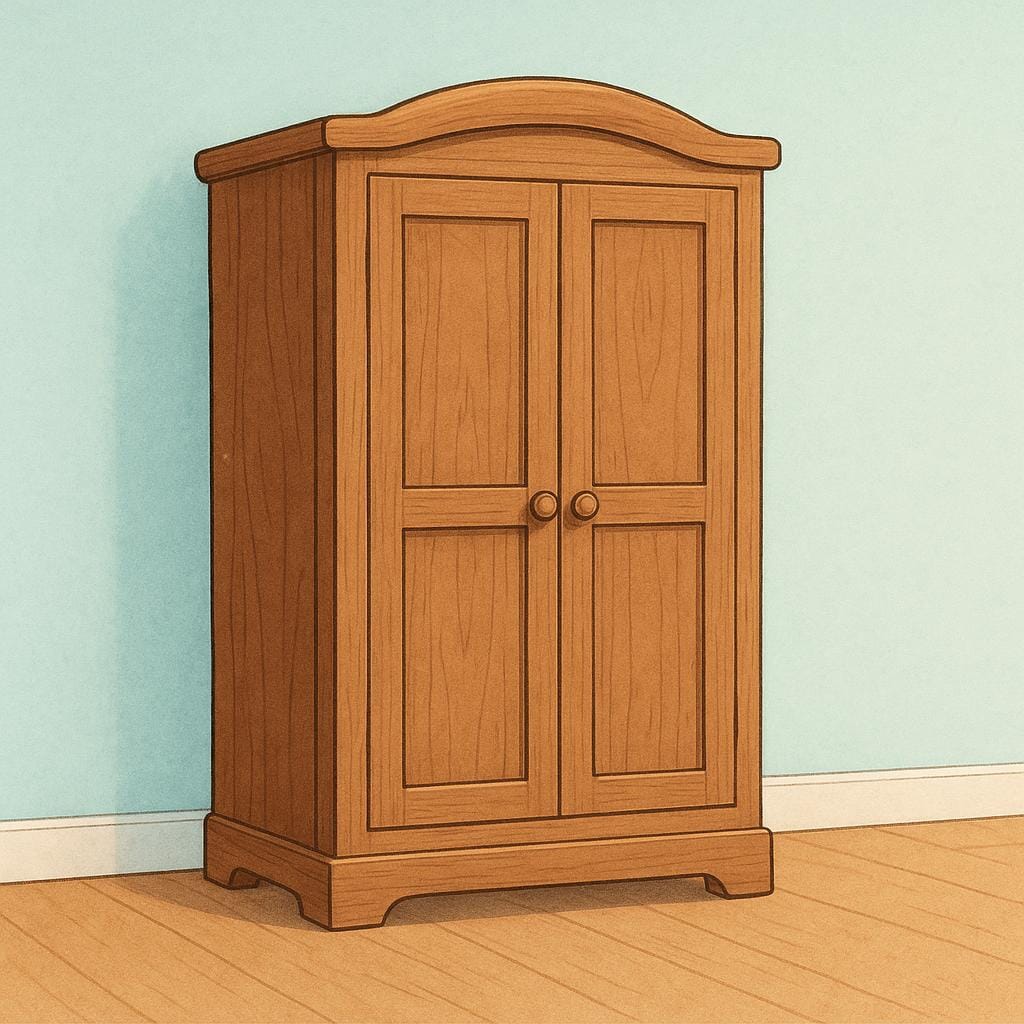
The most common Spanish word for “closet” is “armario” — use 'armario' for a general wardrobe or a built-in closet, especially one meant for storing clothes.
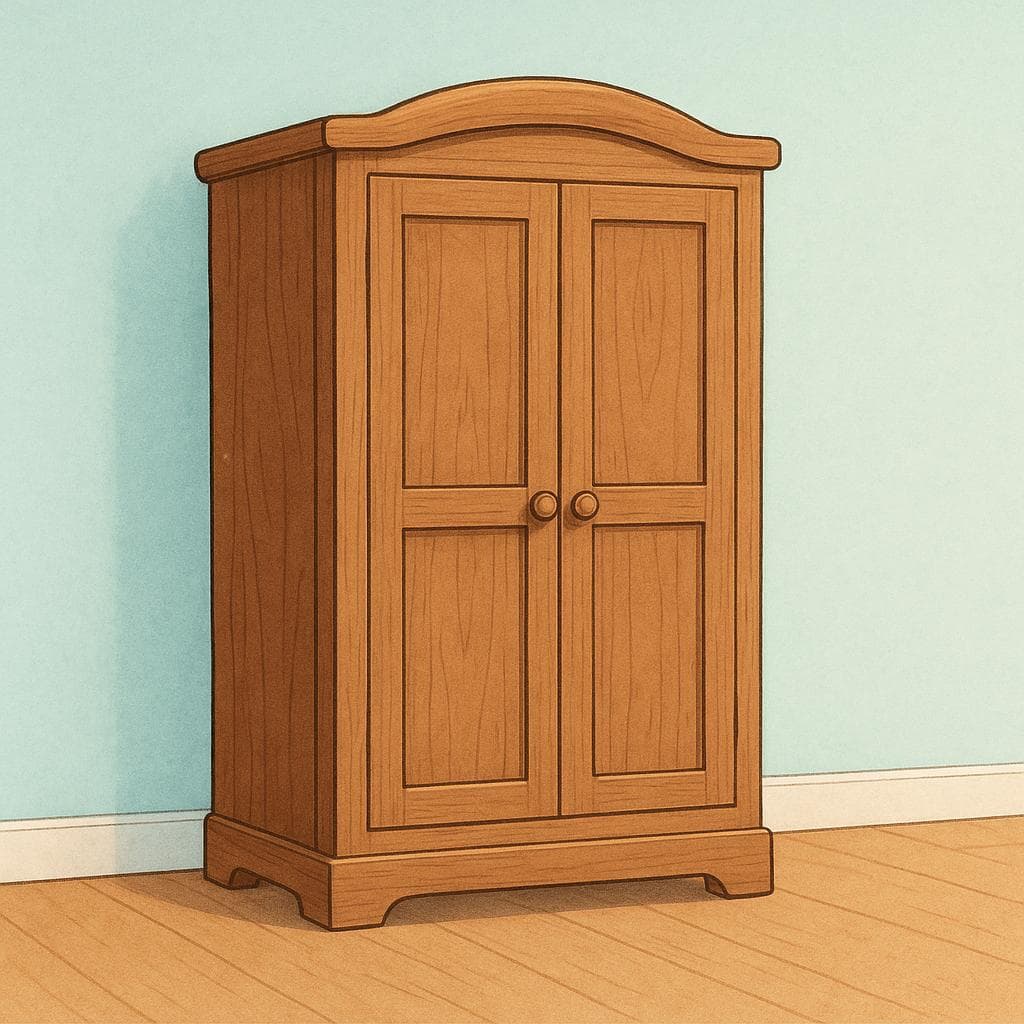
armario
ar-MAH-ree-ohaɾˈma.ɾjo
Examples
Necesito colgar mi vestido en el armario nuevo.
I need to hang my dress in the new wardrobe.
¿Dónde está la llave del armario?
Where is the closet key?
El armario de mi abuela es muy antiguo y huele a naftalina.
My grandmother's wardrobe is very old and smells like mothballs.
Gender Rule
Even though it ends in '-o', 'armario' is a masculine noun. This means you always use 'el' (the) or 'un' (a) before it.
Confusing 'armario' and 'cajón'
Mistake: “Poner la ropa en el cajón (Putting clothes in the drawer) when meaning the whole wardrobe.”
Correction: Use 'armario' for the large piece of furniture, and 'cajón' for a single drawer that slides out.
clóset
Examples
Mi clóset está lleno de zapatos.
My closet is full of shoes.
Armario vs. Clóset
Learn Spanish with Inklingo
Interactive stories, personalized learning, and more.