How to Say "clown" in Spanish
The most common Spanish word for “clown” is “payaso” — use 'payaso' when referring to a professional circus clown or metaphorically to insult someone acting foolishly or unprofessionally.

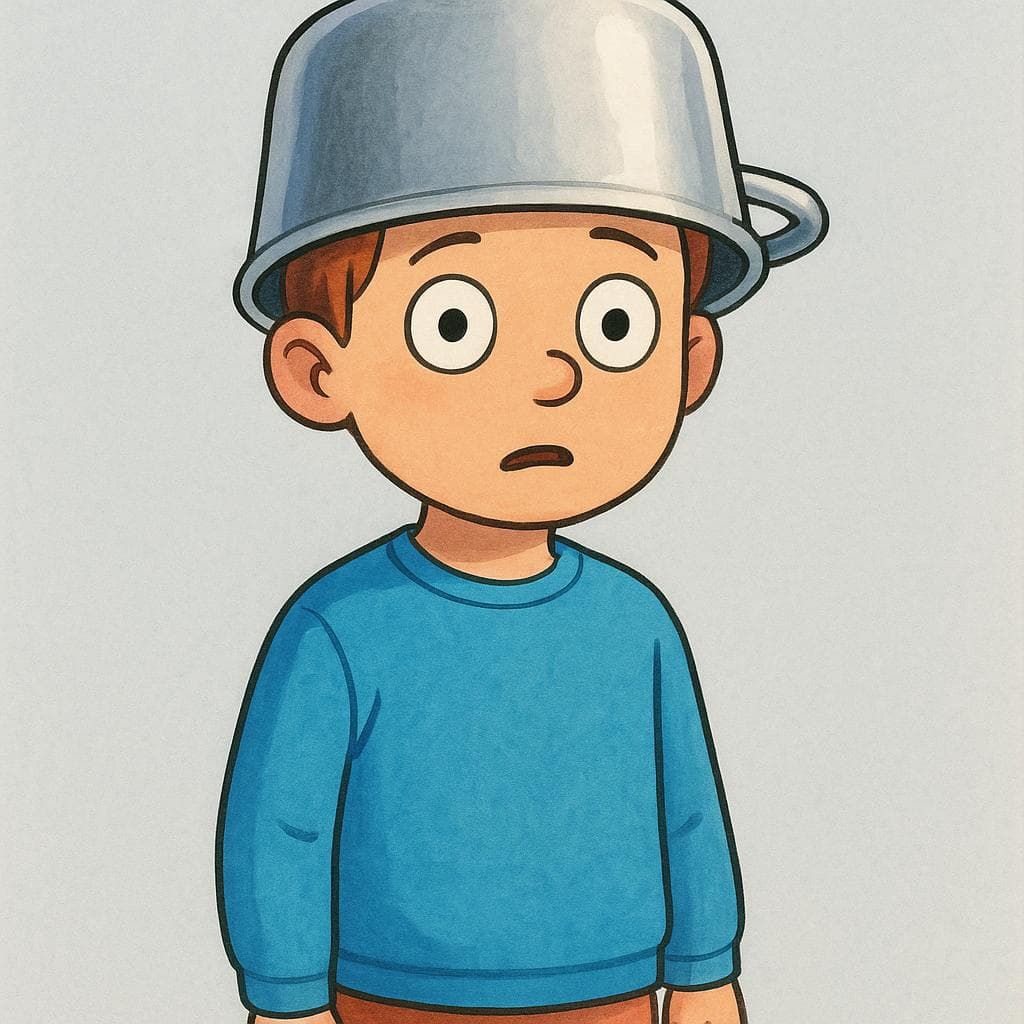

payaso
pah-YAH-sohpaˈʝa.so

Examples
El payaso hizo reír a todos los niños en la fiesta.
The clown made all the children laugh at the party.
Su disfraz de payaso tenía una nariz roja muy grande.
His clown costume had a very large red nose.
No seas payaso y compórtate seriamente.
Don't be a clown (a fool) and behave seriously.
Mi hermano es un payaso; siempre está haciendo chistes malos.
My brother is a joker; he's always telling bad jokes.
Gender and Plural
Since 'payaso' ends in -o, it is masculine. To talk about a female clown, use 'payasa'. The plural is formed by adding -s: 'los payasos'.
Acting as an Adjective
While technically a noun, 'payaso' is often used descriptively, just like an adjective: 'Eres un payaso' (You are a fool).
Using 'Payaso' vs. 'Tonto'
Mistake: “Using 'payaso' for someone who is genuinely unintelligent.”
Correction: 'Payaso' usually implies deliberate silliness or foolish behavior. If someone lacks intelligence, 'tonto' or 'estúpido' are more appropriate, though harsher.
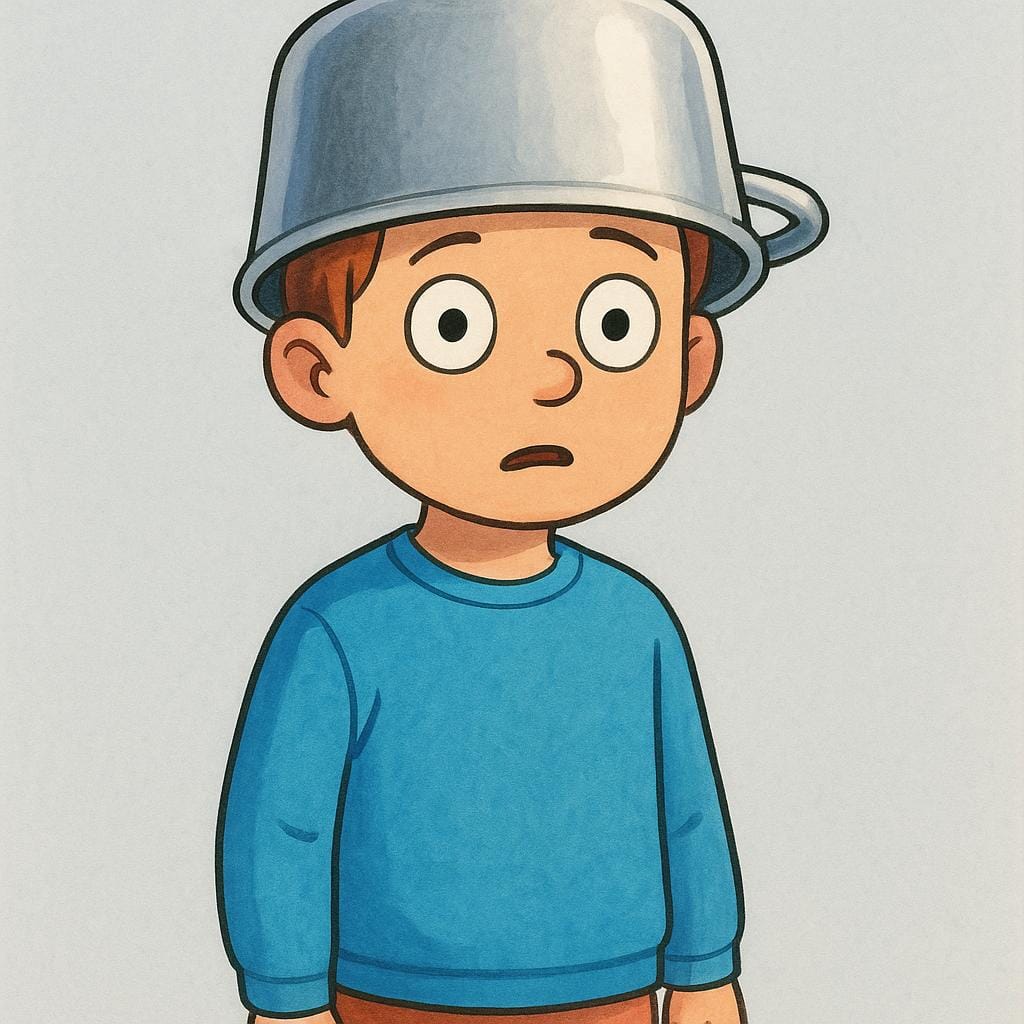
pavo
PAH-vohˈpaβo
Examples
¡Qué pavo eres! ¿Cómo se te ocurrió hacer eso?
What an idiot you are! How did you think of doing that?
Mi hermano es un poco pavo cuando intenta hablar con chicas.
My brother is a bit clueless/awkward when he tries to talk to girls.
Using 'Pavo' as an Adjective
This word can also be used as an adjective (a describing word) meaning 'silly' or 'awkward.' Example: 'Está un poco pavo' (He is a bit awkward).
Gender Agreement
Mistake: “Using 'el pavo' to refer to a silly girl.”
Correction: When referring to a silly female, you must use the feminine form: 'Ella es una pava' (She is a silly girl).
tony
toh-neeˈtoni

Examples
El tony del circo nos hizo reír mucho con sus zapatos gigantes.
The circus clown made us laugh a lot with his giant shoes.
En las fiestas infantiles de mi barrio, siempre contratan a un tony.
In my neighborhood's kids' parties, they always hire a clown.
Ese actor tiene alma de tony; siempre está haciendo bromas pesadas.
That actor has the soul of a buffoon; he's always playing practical jokes.
A Name used as a Label
This word started as a nickname but became a common word for a clown. You don't need to capitalize it when you mean 'clown.'
Identifying the Gender
While usually masculine ('el tony'), if referring to a female clown, you might hear 'la tony,' though 'payasa' is much more common for women.
Regional Awareness
Mistake: “Using 'tony' in Mexico to mean clown.”
Correction: Use 'payaso' instead. In Mexico, 'tony' is only understood as a person's name (Tony).
Payaso vs. Pavo
Learn Spanish with Inklingo
Interactive stories, personalized learning, and more.