How to Say "convoy" in Spanish
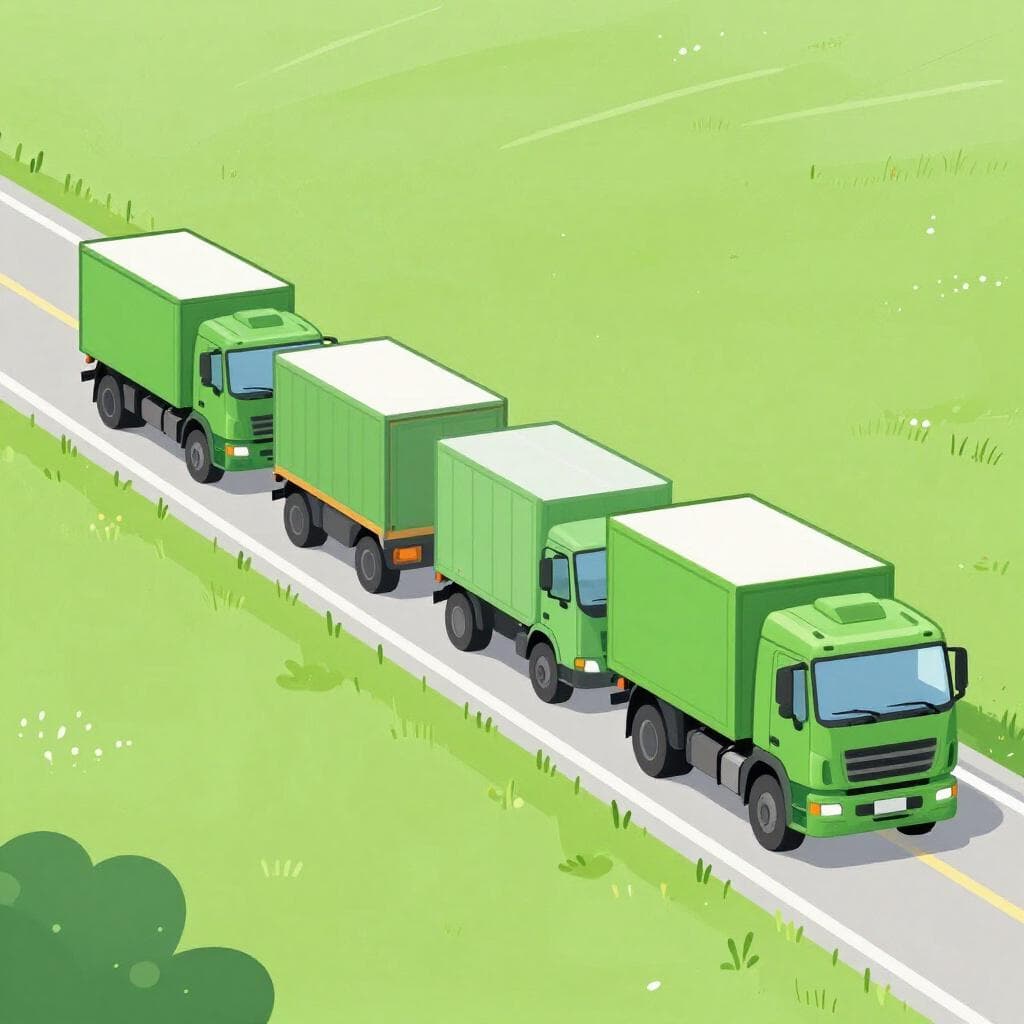
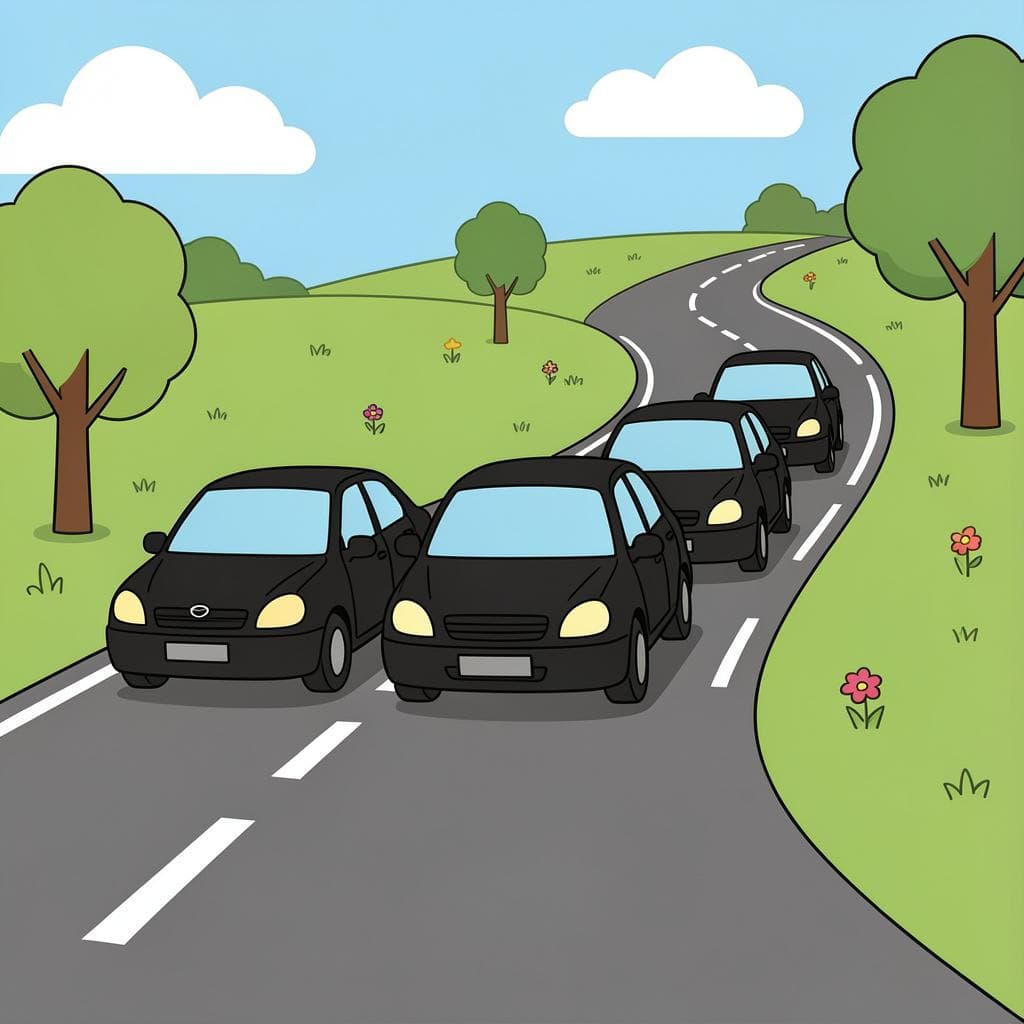
The most common Spanish word for “convoy” is “caravana” — use 'caravana' when referring to a group of vehicles, especially those traveling together for a specific purpose like aid or migration.

caravana
kah-rah-VAH-nahka.ɾaˈβa.na

Examples
La caravana de ayuda humanitaria tardó tres días en llegar a la zona afectada.
The humanitarian aid convoy took three days to reach the affected area.
Había una caravana muy ruidosa celebrando la victoria del equipo.
There was a very loud procession celebrating the team's victory.
Always Feminine
Even though it ends in '-a', 'caravana' is always a feminine noun, so you use 'la' or 'una' with it.
convoy
kon-BOYkonˈboj
Examples
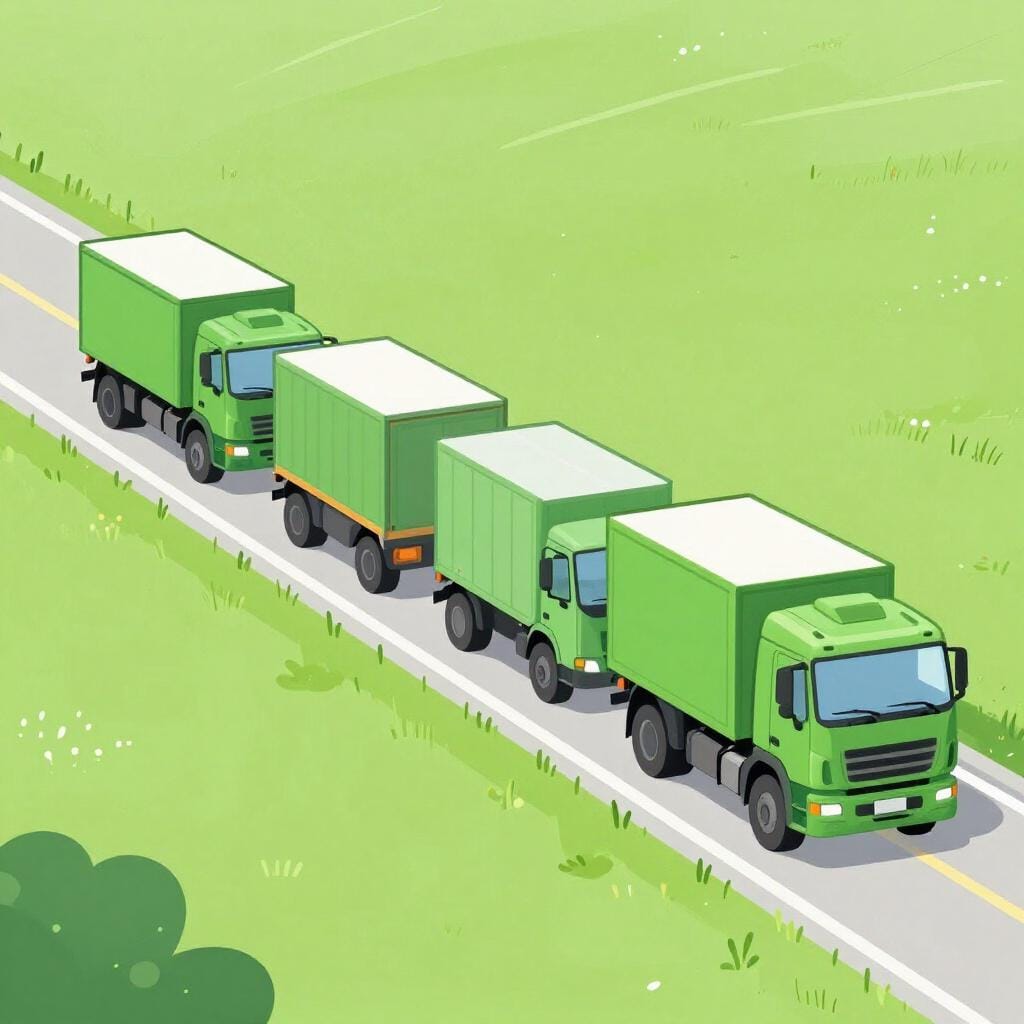
Un convoy de camiones transporta la ayuda humanitaria.
A convoy of trucks is carrying humanitarian aid.
El convoy militar avanzaba lentamente por el desierto.
The military convoy moved slowly through the desert.
Varios barcos formaron un convoy para cruzar el océano.
Several ships formed a convoy to cross the ocean.
The plural rule for 'Y'
When a Spanish word ends in a 'y', we usually just add an 's' to make it plural: 'un convoy' becomes 'dos convoys'.
Gender and Articles
This word is masculine, so always use 'el' or 'un'. It never changes to a feminine form.
Confusing with 'Escolta'
Mistake: “El escolta llegó con diez camiones.”
Correction: El convoy llegó con diez camiones.
escolta
es-KOHL-tahesˈkolta
Examples
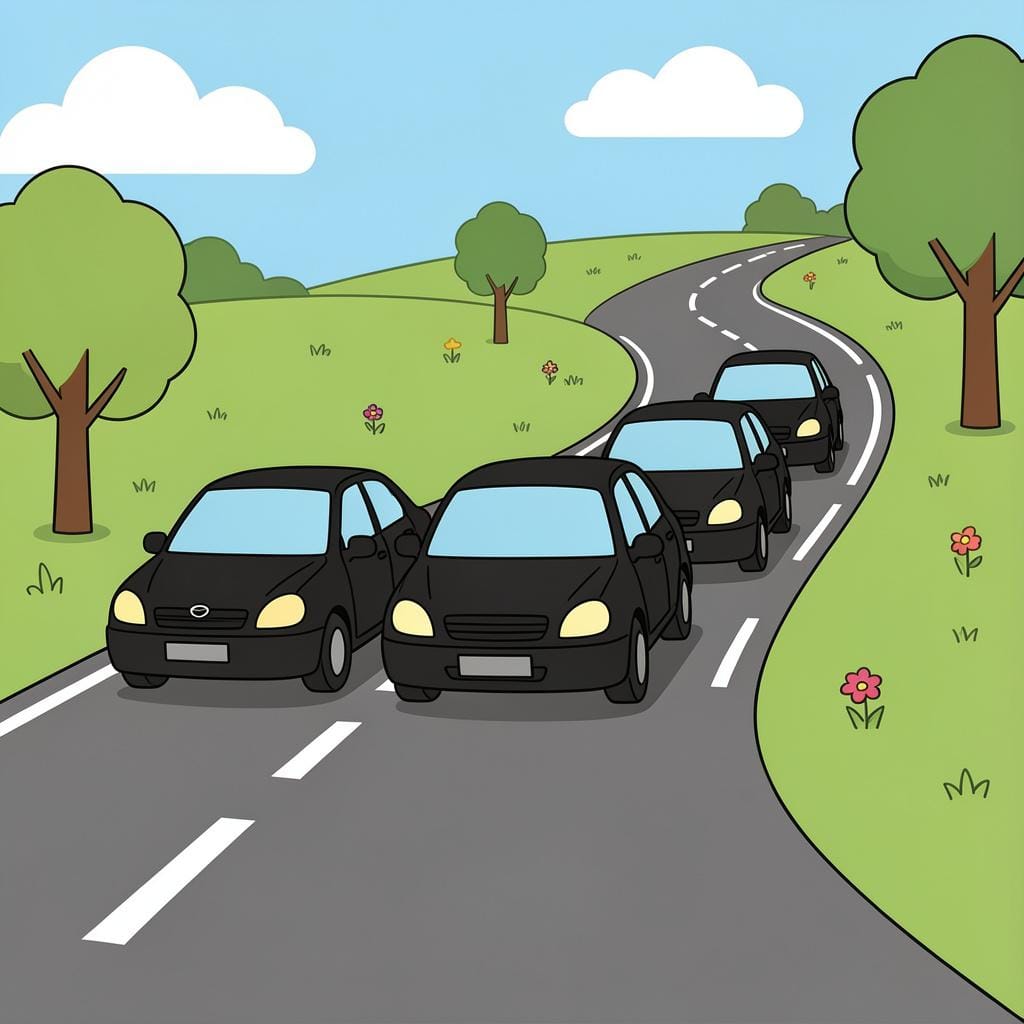
La escolta policial acompañó al camión de dinero.
The police escort accompanied the money truck.
Collective Noun
When referring to the group as a whole (like a convoy), it is always feminine: 'la escolta'.
Caravana vs. Convoy vs. Escolta
Related Translations
Learn Spanish with Inklingo
Interactive stories, personalized learning, and more.