How to Say "cooking" in Spanish
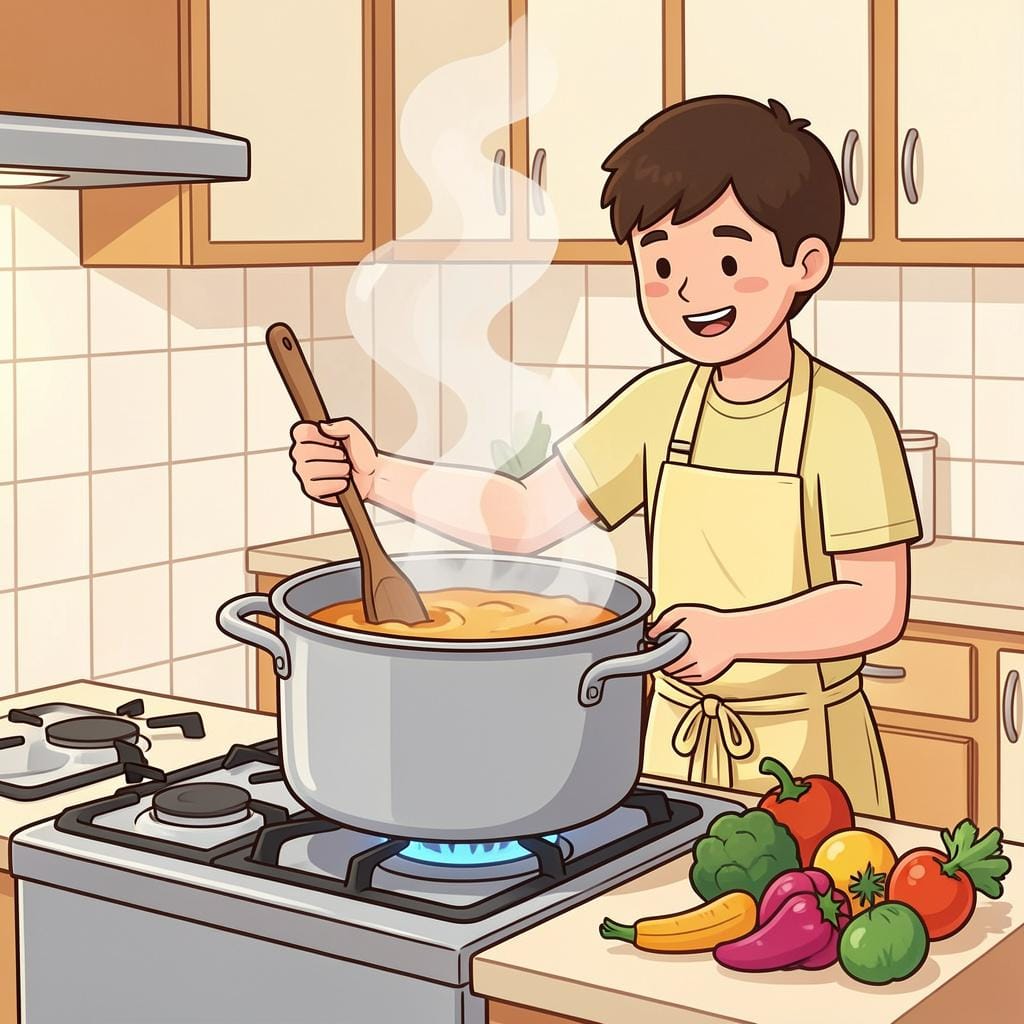
The most common Spanish word for “cooking” is “cocinando” — use this when describing the action of preparing food that is currently happening, similar to the '-ing' form in English.
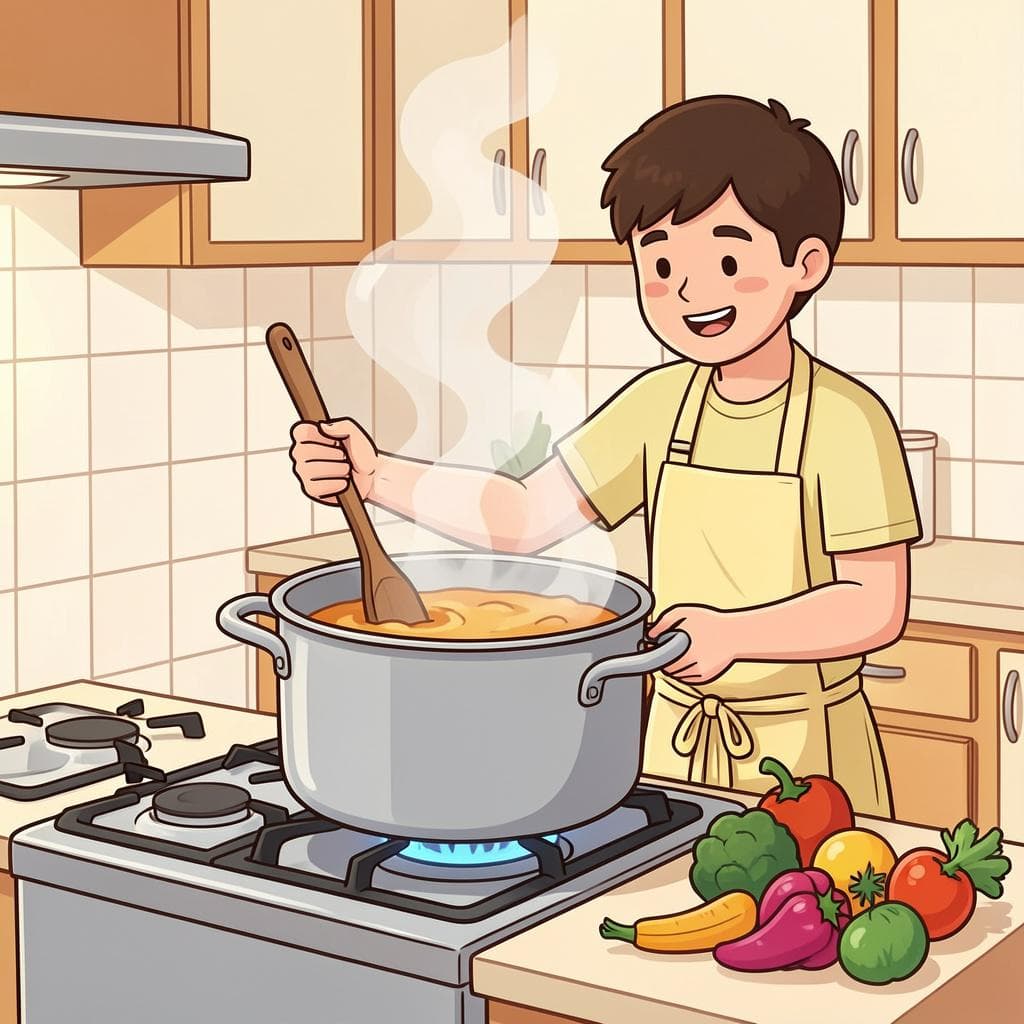

cocinando
ko-see-NAHN-dohkoθiˈnando
Examples
Estoy cocinando la cena ahora mismo.
I am cooking dinner right now.
¿Qué estás cocinando? Huele muy bien.
What are you cooking? It smells very good.
Me gusta escuchar música cocinando.
I like to listen to music while cooking.
The Gerund (the '-ing' form)
In Spanish, words ending in '-ando' work like English words ending in '-ing'. Use 'cocinando' when you want to show that the cooking is happening right now.
Don't use it as a noun
Mistake: “Cocinando es mi pasión.”
Correction: Cocinar es mi pasión. (In Spanish, use the basic -ar form of the verb when you want to use the action as a noun.)
cocción
Examples
El tiempo de cocción de la pasta es de ocho minutos.
The cooking time for the pasta is eight minutes.
cocinero
koh-see-NEH-rohko.siˈne.ɾo

Examples
Necesitamos comprar un nuevo equipo cocinero.
We need to buy new cooking equipment.
El reto cocinero de esta semana es preparar un plato regional.
This week's culinary challenge is to prepare a regional dish.
Adjective Agreement
When used as an adjective, 'cocinero' must match the noun it describes. For example, if you talk about 'tareas' (feminine plural), you must say 'tareas cocineras'.
Verb vs. Noun Confusion
Learn Spanish with Inklingo
Interactive stories, personalized learning, and more.