How to Say "cowards" in Spanish
The most common Spanish word for “cowards” is “cobardes” — use 'cobardes' for a direct and general term referring to people who lack courage, especially in a serious or critical situation.
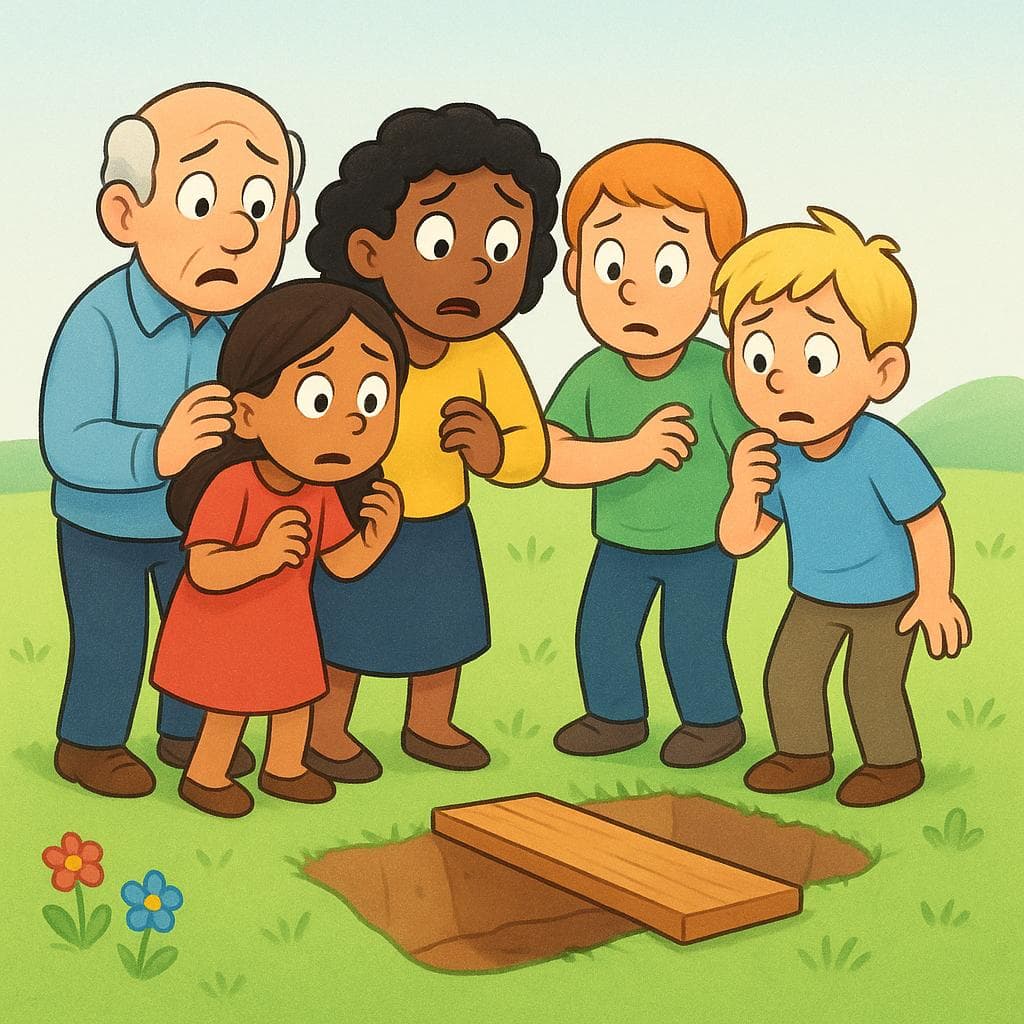
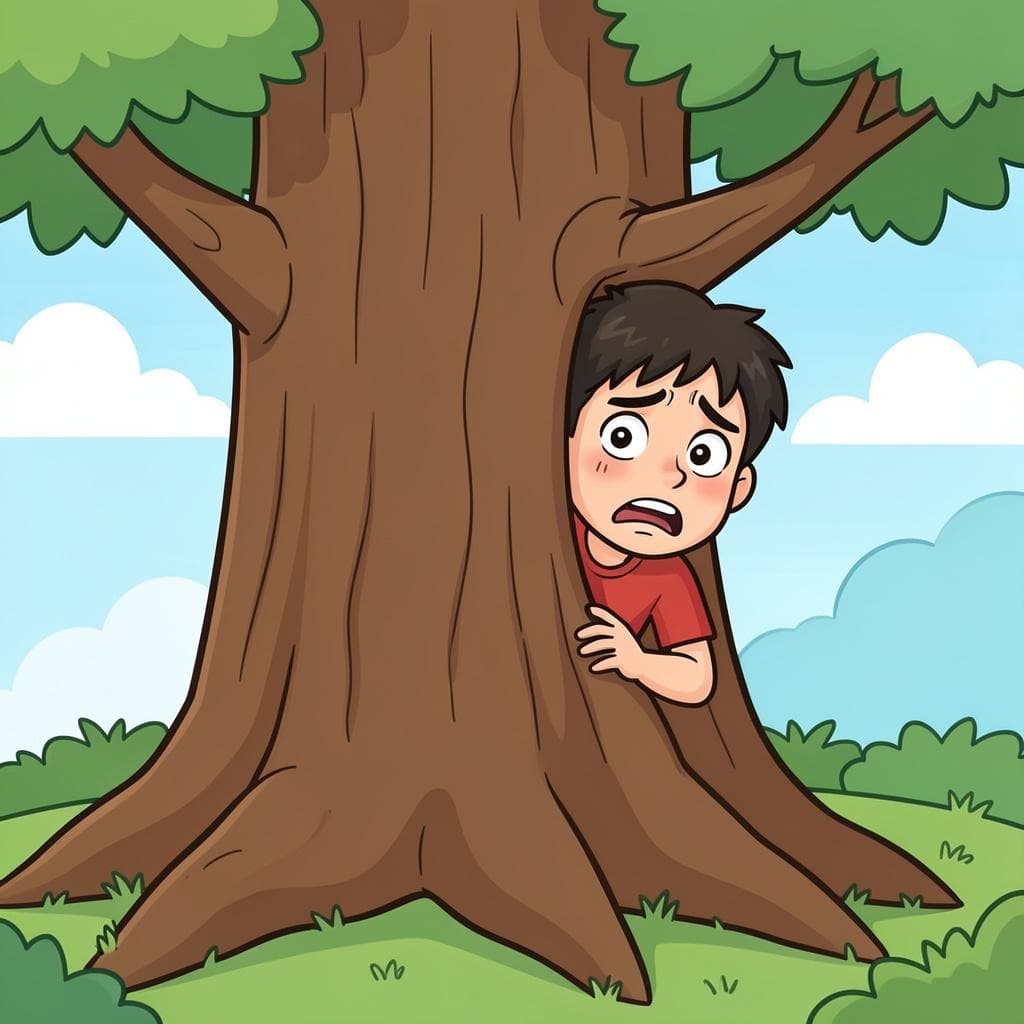
cobardes
koh-BAR-deskoˈβarðes
Examples
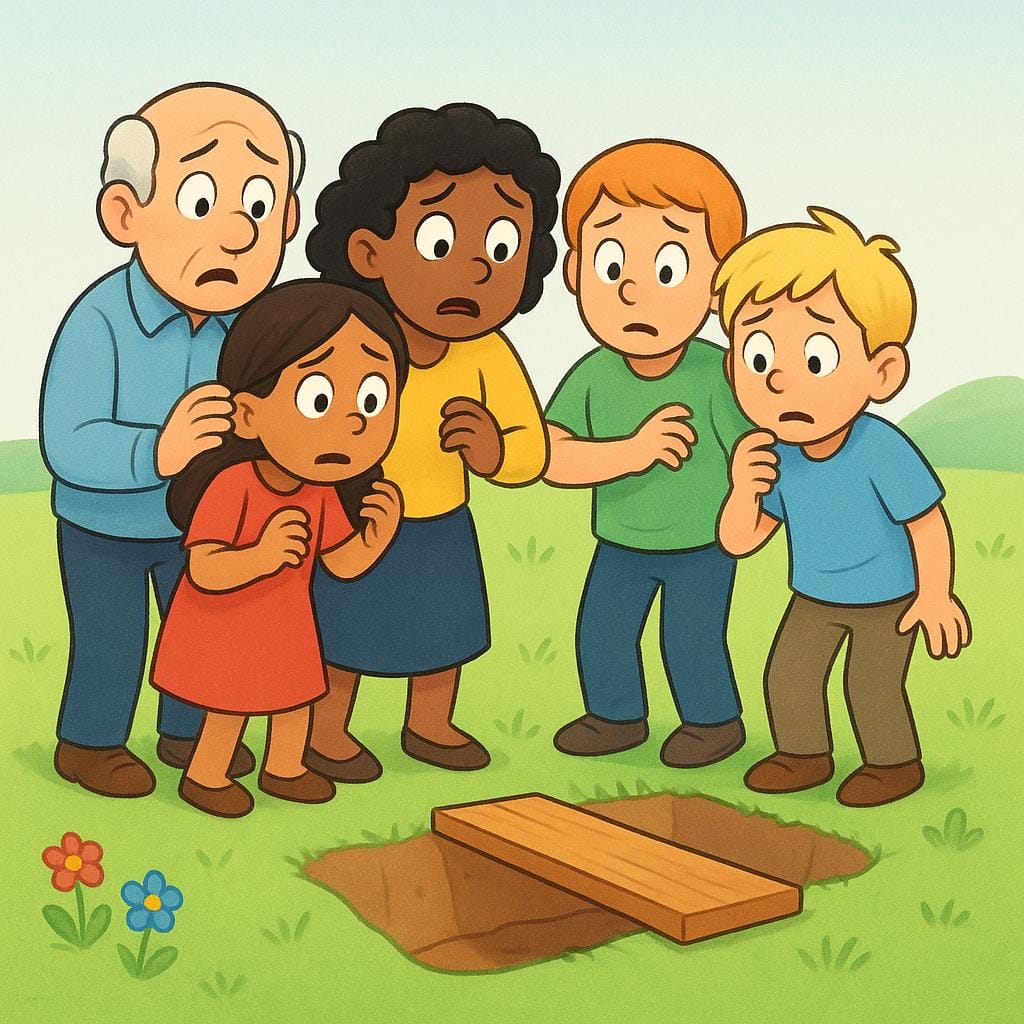
Los cobardes se escondieron en lugar de ayudar.
The cowards hid instead of helping.
¡No seáis cobardes! Enfrentad la situación.
Don't be cowards! Face the situation.
Using the Article
When used as a noun, cobardes requires a definite or indefinite article (like 'los' or 'unos') if it is the subject of the sentence, just like any other plural noun.
gallinas
gah-YEE-nahsɡaˈʝinas
Examples
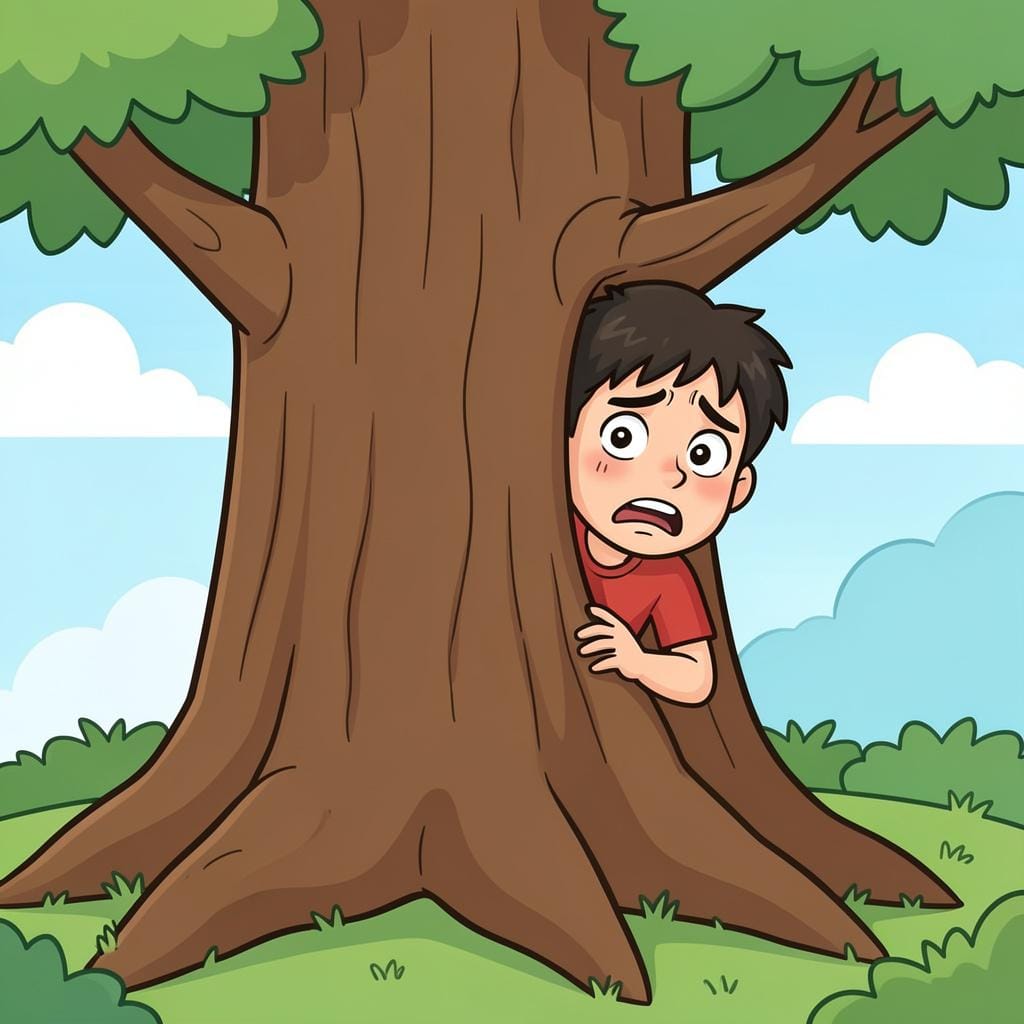
No sean gallinas, el agua no está tan fría.
Don't be chickens, the water isn't that cold.
Ellos son unos gallinas y no quisieron entrar a la casa vieja.
They are cowards and didn't want to go into the old house.
The 'Hidden' Gender
When calling someone a 'gallina' (coward), the word stays feminine even if you are talking about a group of men. You say 'ellos son unos gallinas'.
Choosing Between 'Cobardes' and 'Gallinas'
Related Translations
Learn Spanish with Inklingo
Interactive stories, personalized learning, and more.