How to Say "chickens" in Spanish
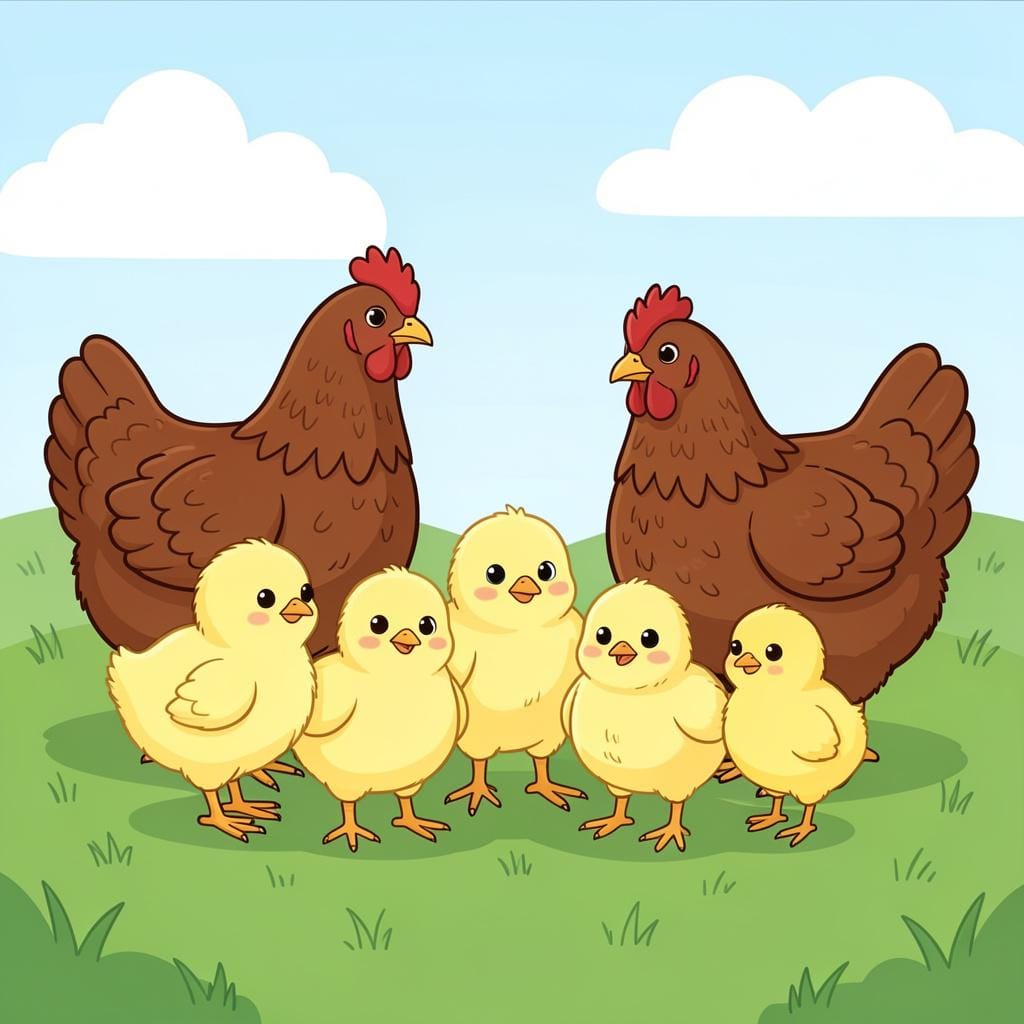
The most common Spanish word for “chickens” is “pollos” — use 'pollos' when referring to chickens as a general term for the animals, especially young ones, or when talking about them as a food item.
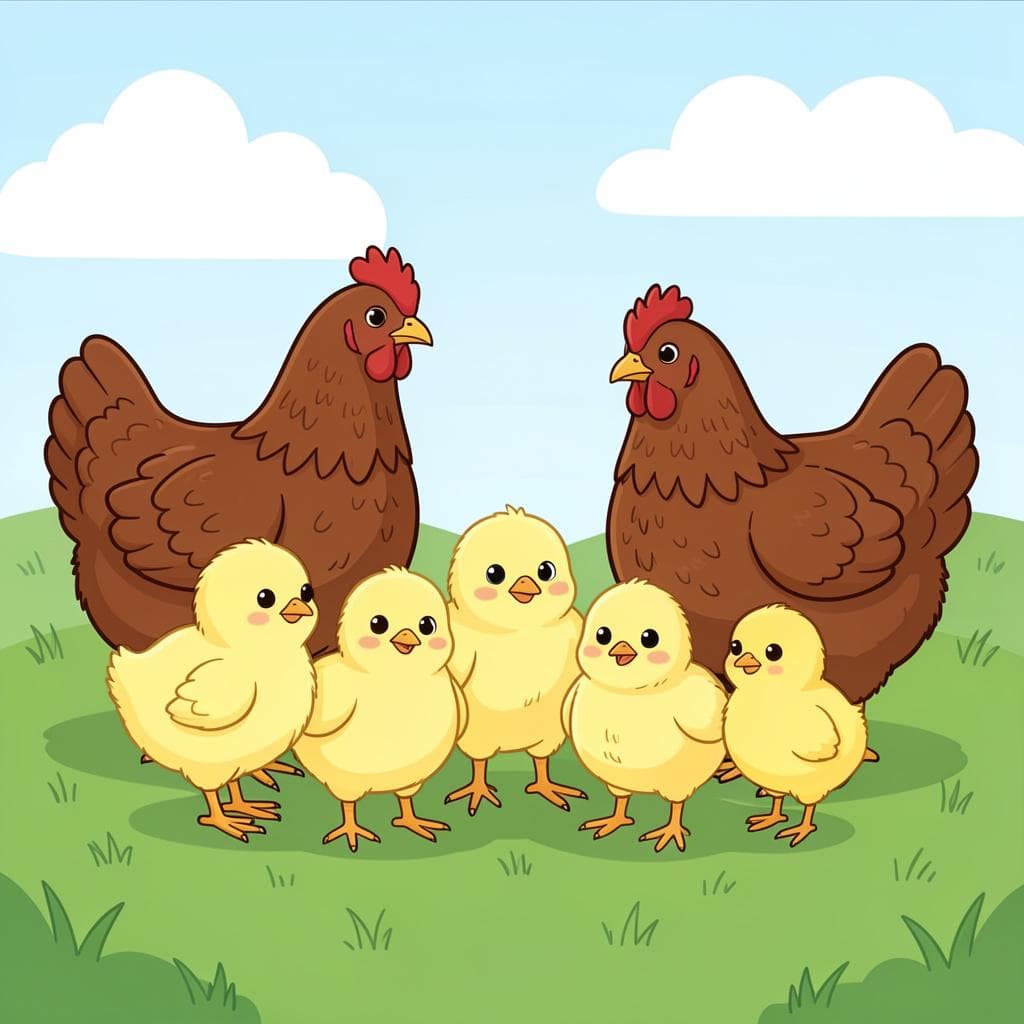
pollos
POY-yohsˈpoʝos
Examples
Los pollos están corriendo por toda la granja.
The chickens are running all over the farm.
Mi abuela tiene diez pollos en su patio.
My grandmother has ten chickens in her backyard.
Compramos dos pollos asados para la fiesta.
We bought two roasted chickens for the party.
En este restaurante sirven los mejores pollos de la ciudad.
In this restaurant, they serve the best chickens in town.
Making it Plural
This is the plural form of 'pollo.' To talk about more than one, we simply add an 's' to the end.
Gender
This word is masculine. Even if you are talking about a group of mixed male and female young birds, you use 'los pollos'.
Countable Food
Use 'pollos' when you are counting whole birds (like at a rotisserie shop). If you are talking about chicken meat in general as an ingredient, you often use the singular 'pollo'.
Pollos vs. Gallinas
Mistake: “Using 'pollos' for adult egg-laying hens.”
Correction: Use 'pollos' for young birds or birds used for meat, and 'gallinas' for adult hens that lay eggs.
pollos
POY-yohsˈpoʝos
Examples
Compramos dos pollos asados para la fiesta.
We bought two roasted chickens for the party.
Los pollos están corriendo por toda la granja.
The chickens are running all over the farm.
Mi abuela tiene diez pollos en su patio.
My grandmother has ten chickens in her backyard.
En este restaurante sirven los mejores pollos de la ciudad.
In this restaurant, they serve the best chickens in town.
Making it Plural
This is the plural form of 'pollo.' To talk about more than one, we simply add an 's' to the end.
Gender
This word is masculine. Even if you are talking about a group of mixed male and female young birds, you use 'los pollos'.
Countable Food
Use 'pollos' when you are counting whole birds (like at a rotisserie shop). If you are talking about chicken meat in general as an ingredient, you often use the singular 'pollo'.
Pollos vs. Gallinas
Mistake: “Using 'pollos' for adult egg-laying hens.”
Correction: Use 'pollos' for young birds or birds used for meat, and 'gallinas' for adult hens that lay eggs.
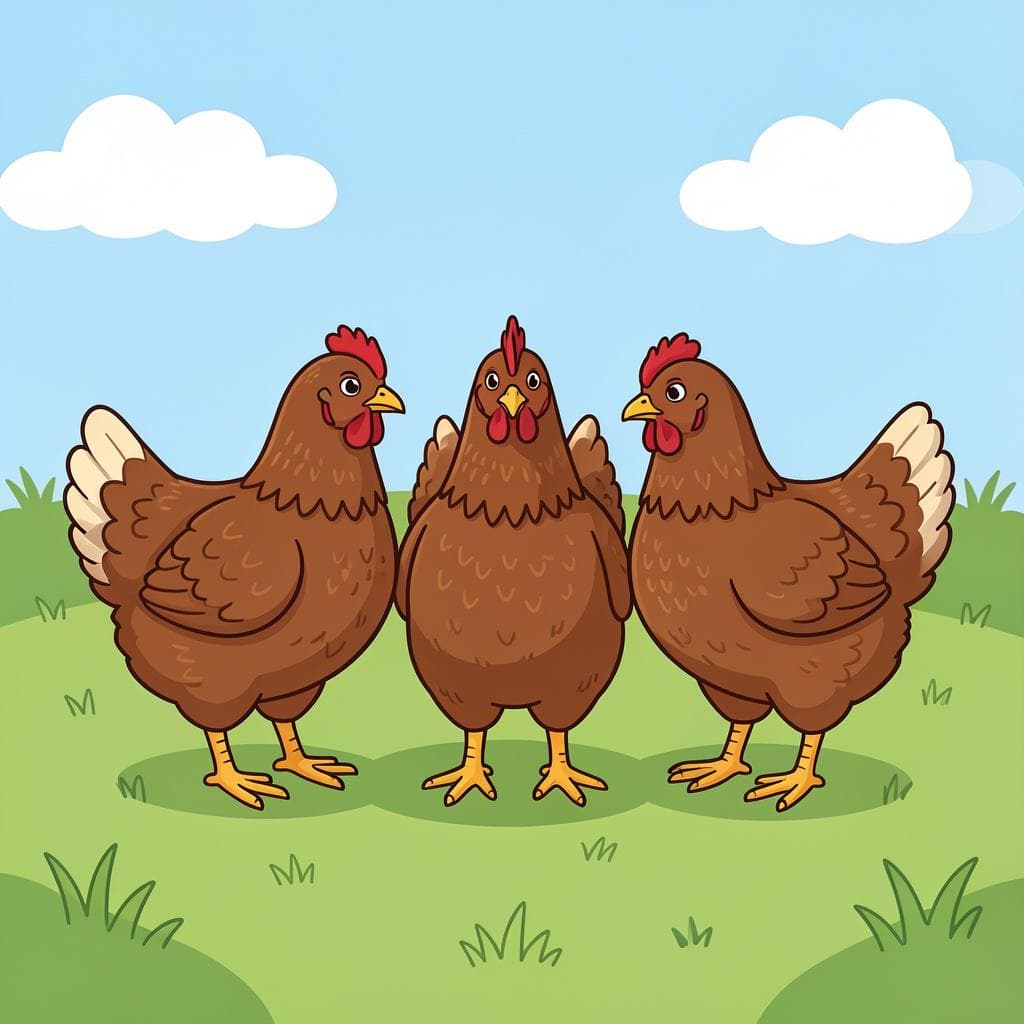
gallinas
gah-YEE-nahsɡaˈʝinas
Examples
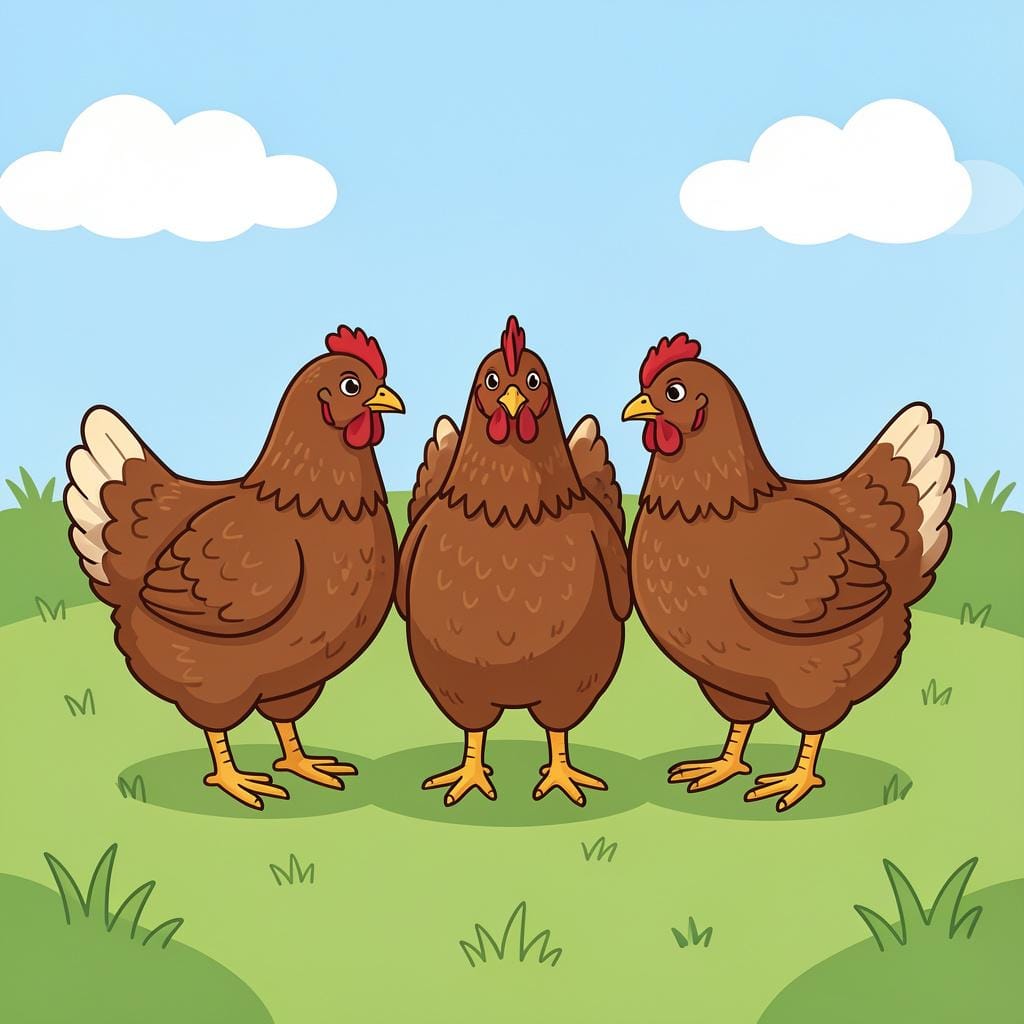
Las gallinas están comiendo maíz en el patio.
The hens are eating corn in the yard.
Mis tíos tienen diez gallinas que ponen huevos cada mañana.
My aunt and uncle have ten hens that lay eggs every morning.
No sean gallinas, el agua no está tan fría.
Don't be chickens, the water isn't that cold.
Ellos son unos gallinas y no quisieron entrar a la casa vieja.
They are cowards and didn't want to go into the old house.
Making it Plural
Since 'gallina' ends in a vowel, you just add an -s to talk about more than one. Don't forget to change the article to 'las' as well!
The 'Hidden' Gender
When calling someone a 'gallina' (coward), the word stays feminine even if you are talking about a group of men. You say 'ellos son unos gallinas'.
Gallinas vs. Pollos
Mistake: “Using 'gallinas' for chicken meat in a restaurant.”
Correction: Use 'pollo' for the food you eat, and 'gallinas' for the living female birds on a farm.
gallinas
gah-YEE-nahsɡaˈʝinas
Examples
No sean gallinas, el agua no está tan fría.
Don't be chickens, the water isn't that cold.
Las gallinas están comiendo maíz en el patio.
The hens are eating corn in the yard.
Mis tíos tienen diez gallinas que ponen huevos cada mañana.
My aunt and uncle have ten hens that lay eggs every morning.
Ellos son unos gallinas y no quisieron entrar a la casa vieja.
They are cowards and didn't want to go into the old house.
Making it Plural
Since 'gallina' ends in a vowel, you just add an -s to talk about more than one. Don't forget to change the article to 'las' as well!
The 'Hidden' Gender
When calling someone a 'gallina' (coward), the word stays feminine even if you are talking about a group of men. You say 'ellos son unos gallinas'.
Gallinas vs. Pollos
Mistake: “Using 'gallinas' for chicken meat in a restaurant.”
Correction: Use 'pollo' for the food you eat, and 'gallinas' for the living female birds on a farm.
Pollos vs. Gallinas for Live Animals
Learn Spanish with Inklingo
Interactive stories, personalized learning, and more.