pollos
“pollos” means “chickens” in Spanish. It has 3 different meanings depending on context:
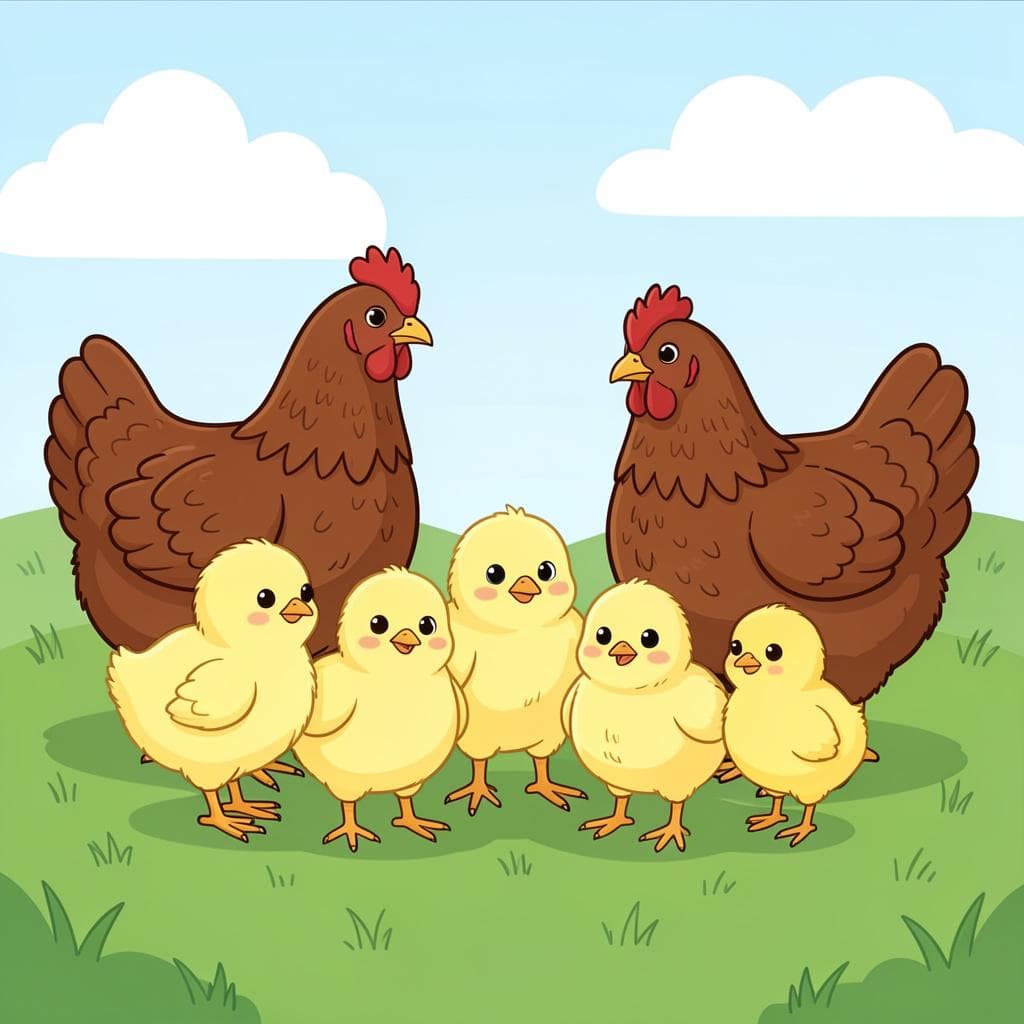

chickens
Also: chicks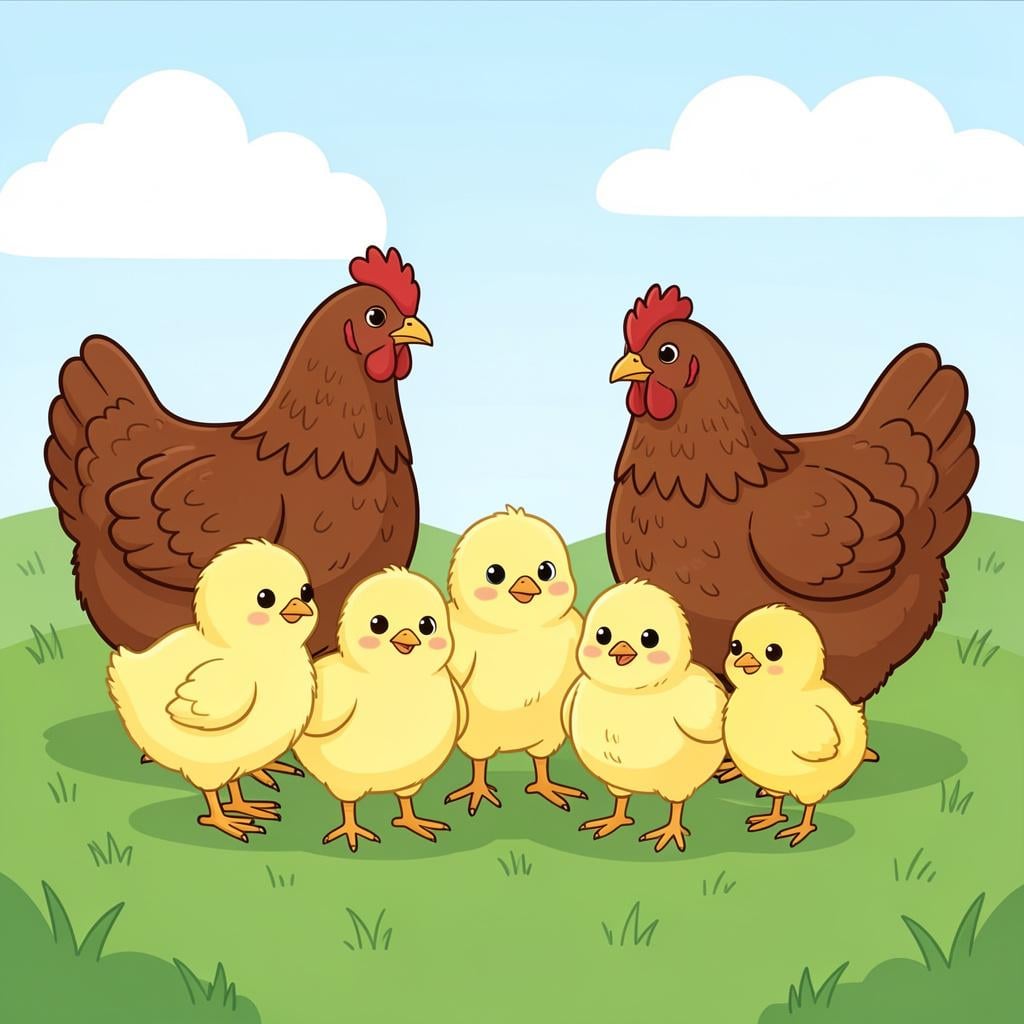
📝 In Action
Los pollos están corriendo por toda la granja.
A1The chickens are running all over the farm.
Mi abuela tiene diez pollos en su patio.
A1My grandmother has ten chickens in her backyard.

chickens
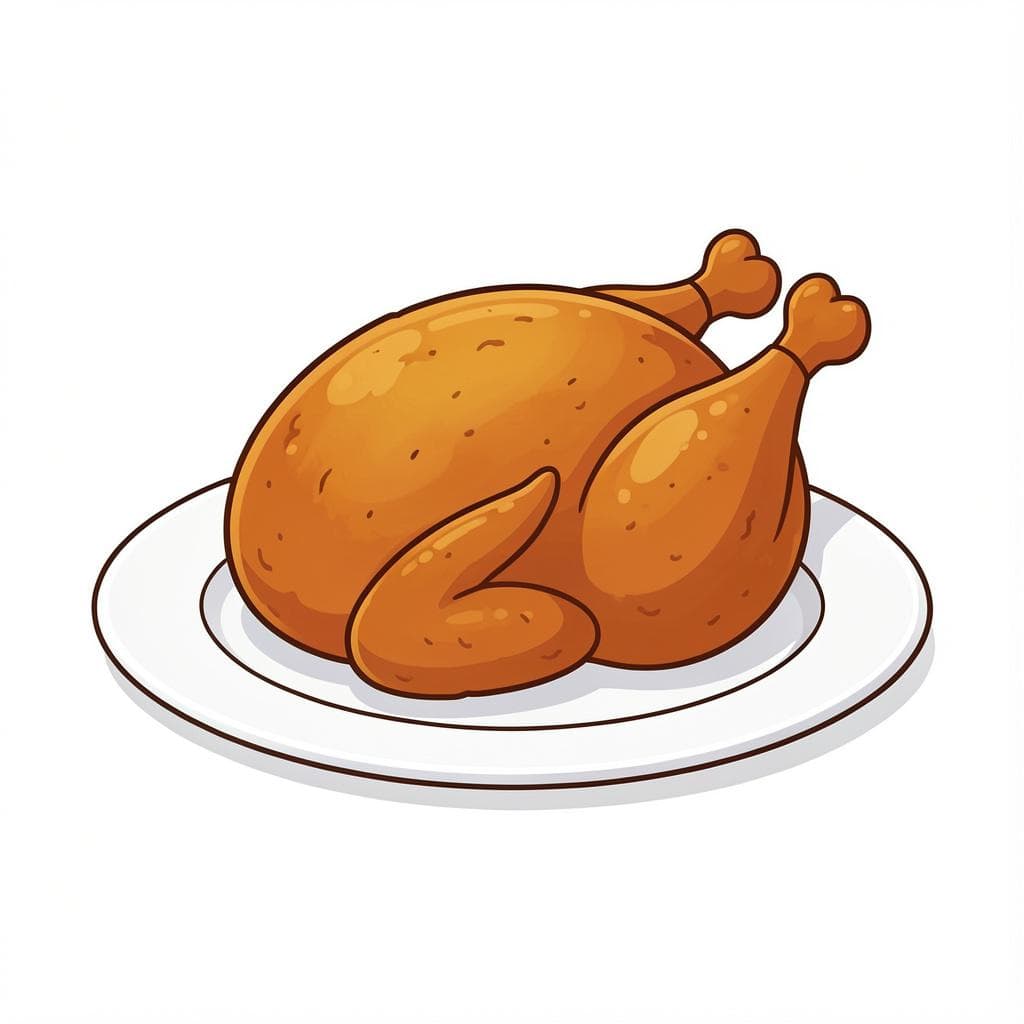
Also: chicken dishes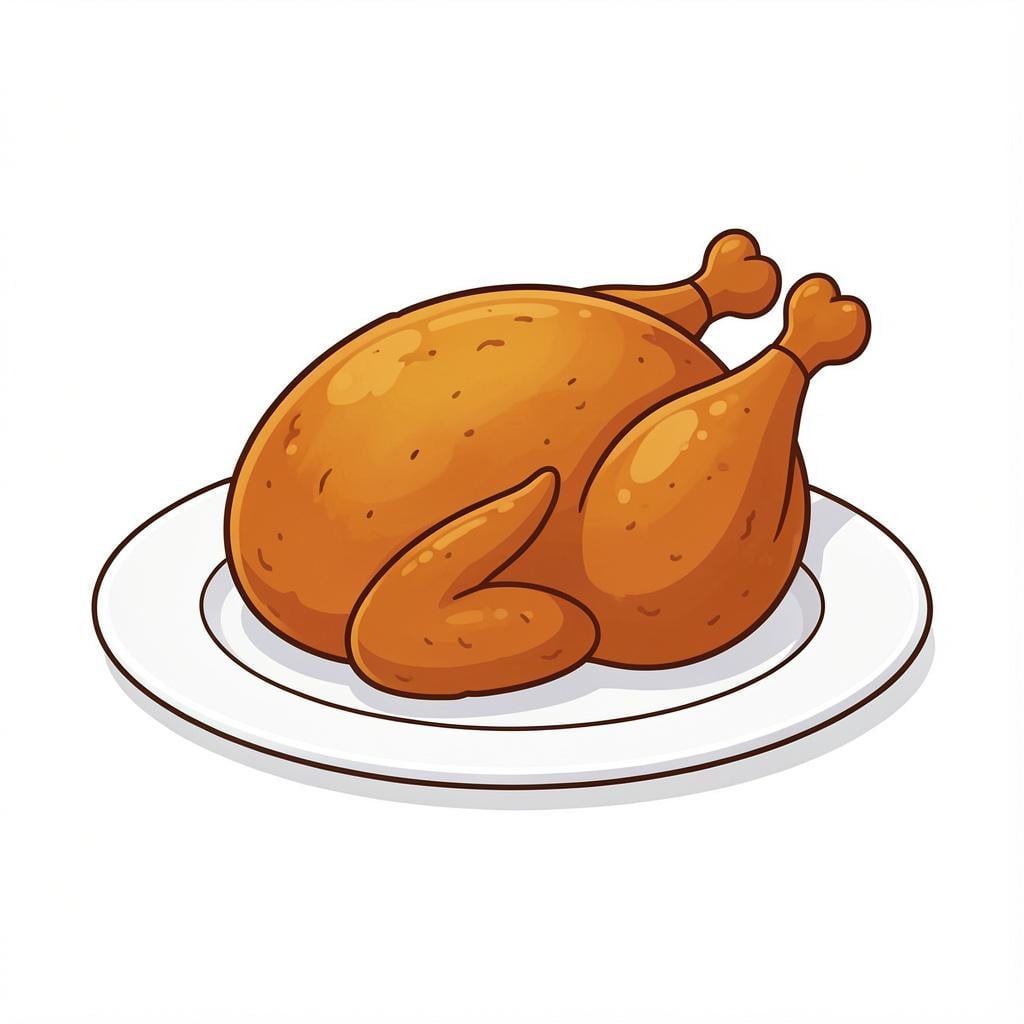
📝 In Action
Compramos dos pollos asados para la fiesta.
A1We bought two roasted chickens for the party.
En este restaurante sirven los mejores pollos de la ciudad.
A2In this restaurant, they serve the best chickens in town.
loogies
Also: phlegm
📝 In Action
¡Qué asco! No escupas pollos en la calle.
B2That's gross! Don't spit loogies in the street.
Vocabulary Collections
Translate to Spanish
✏️ Quick Practice
Quick Quiz: pollos
Question 1 of 2
If you are at a farm and see many small birds, you are looking at:
📚 More Resources
👥 Word Family▼
🎵 Rhymes▼
📚 Etymology▼
From the Latin word 'pullus,' which meant a young animal, especially a young chicken or sprout.
First recorded: 13th century
Cognates (Related words)
💡 Master Spanish
Take your Spanish to the next level. Read 200+ illustrated and narrated Spanish stories tailored to your level with the Inklingo app!
Frequently Asked Questions
What is the difference between 'pollos' and 'gallinas'?
'Pollos' usually refers to young birds or birds raised for meat. 'Gallinas' refers specifically to adult female chickens (hens), especially those used for laying eggs.
Is 'pollos' used for both males and females?
Yes, 'pollos' is a masculine word, but it is used to describe a group of young chickens regardless of whether they are male or female.