How to Say "destroying" in Spanish
The most common Spanish word for “destroying” is “destruyendo” — use this form when you want to describe the ongoing action of ruining or breaking something completely, as it is the present participle of the verb 'destruir'.

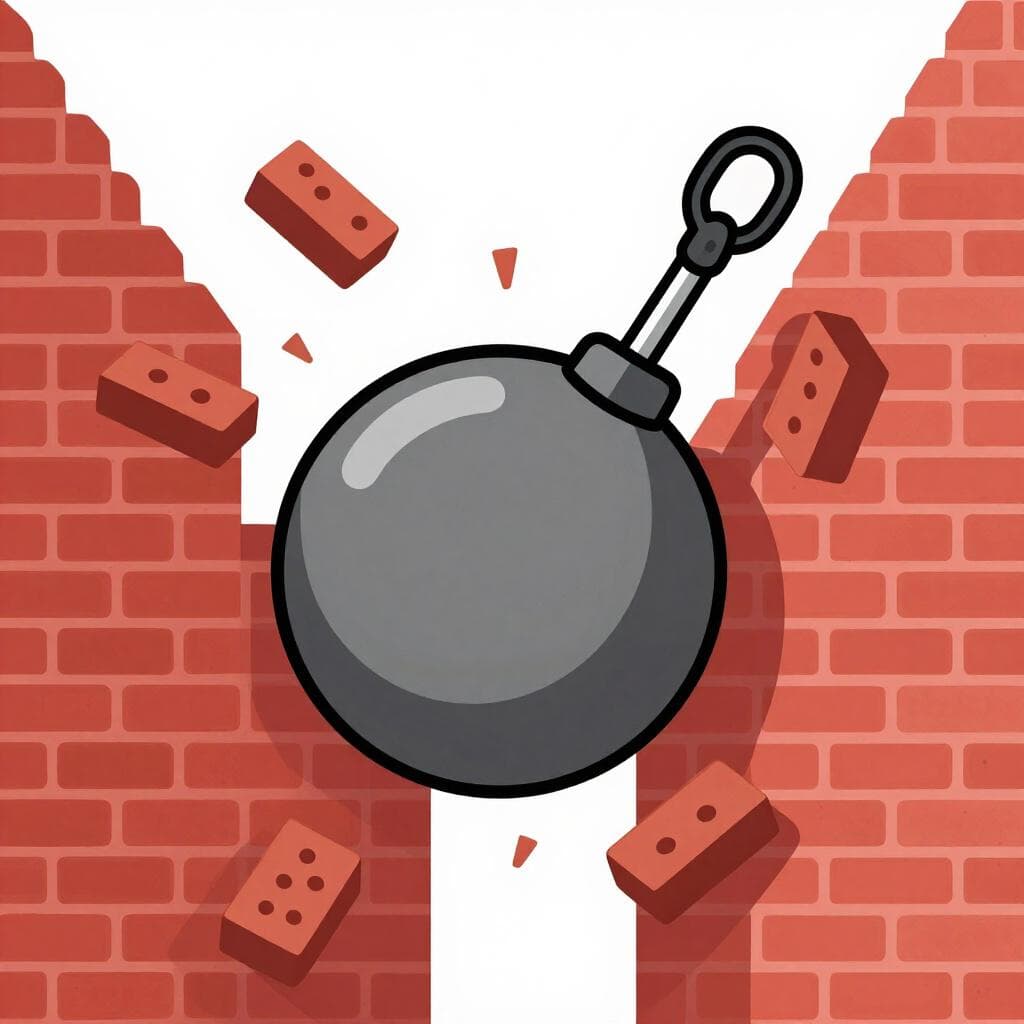
destruyendo
des-troo-YEN-dohdestɾuˈʝendo

Examples
El fuego está destruyendo el bosque.
The fire is destroying the forest.
Están destruyendo el viejo edificio para construir uno nuevo.
They are destroying the old building to build a new one.
Tus mentiras están destruyendo nuestra confianza.
Your lies are destroying our trust.
The 'Y' Spelling Rule
For verbs ending in -uir, the 'i' in the '-iendo' ending changes to a 'y' because Spanish doesn't like having three vowels in a row (u-i-e).
Using it for Ongoing Actions
Combine this word with 'estar' (to be) to describe something happening right now, like 'está destruyendo' (it is destroying).
Don't use an 'i'
Mistake: “destruiendo”
Correction: destruyendo
destructor
des-trook-tordes.tɾukˈtoɾ
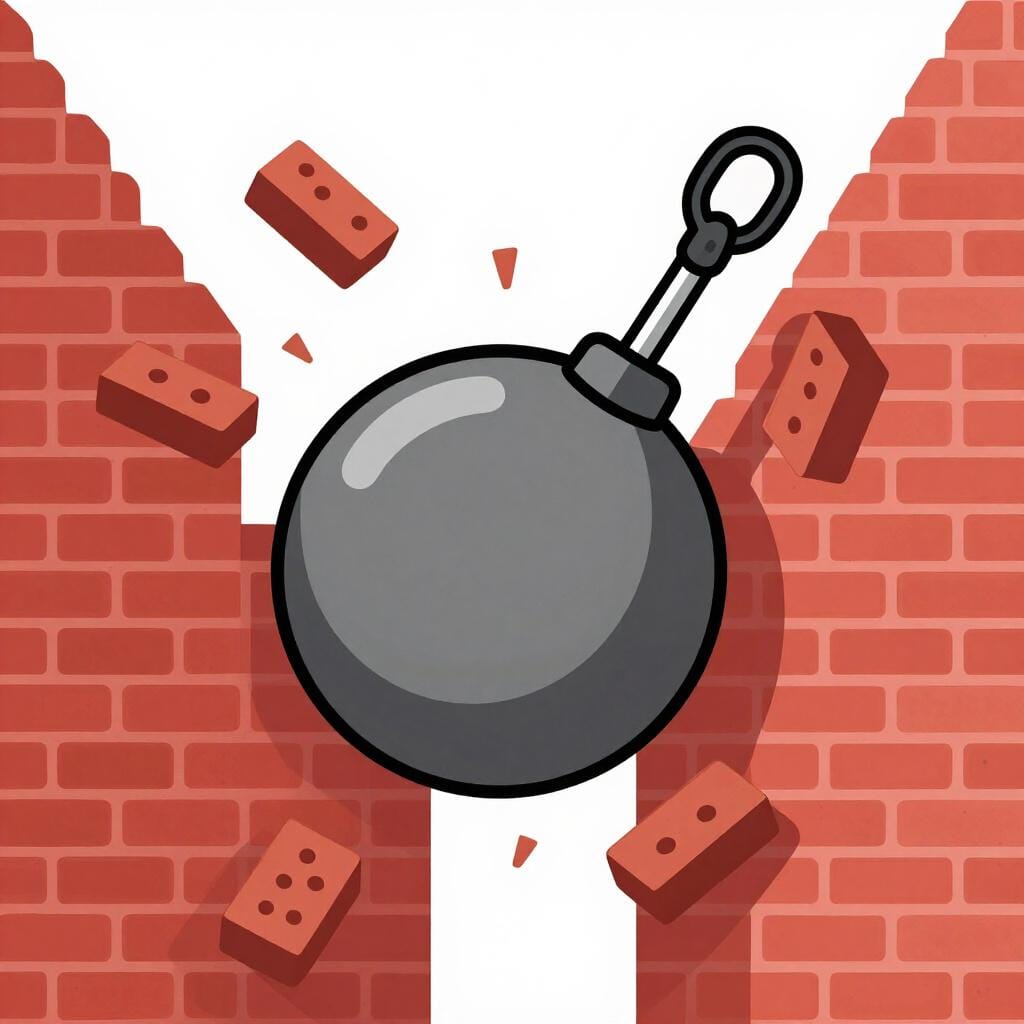
Examples
El incendio tuvo un efecto destructor en el bosque local.
The fire had a destructive effect on the local forest.
Las fuerzas destructoras de la naturaleza son impresionantes.
The destructive forces of nature are impressive.
Ese mensaje fue destructor para nuestra amistad.
That message was destructive to our friendship.
Making it Feminine
Even though it ends in -or, you must add an 'a' when describing something feminine: 'una fuerza destructora'.
Active vs. General Quality
While 'destructivo' describes a general personality or quality, 'destructor' often emphasizes the thing that is actively doing the destroying.
Matching Gender
Mistake: “La tormenta fue destructor.”
Correction: La tormenta fue destructora. Remember that words ending in -or need an -a for feminine nouns.
Verb vs. Adjective Confusion
Related Translations
Learn Spanish with Inklingo
Interactive stories, personalized learning, and more.