destructor
“destructor” means “destructive” in Spanish. It has 2 different meanings depending on context:
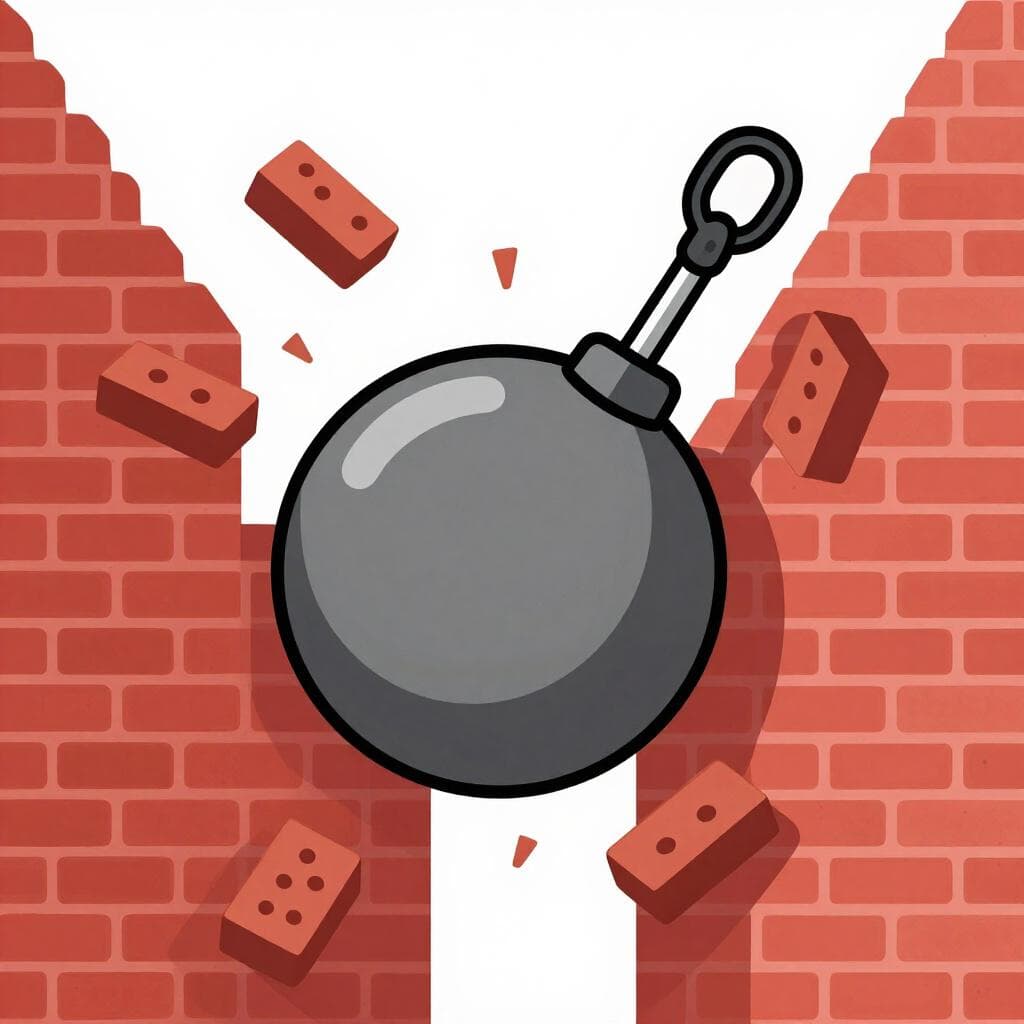

destructive
Also: destroying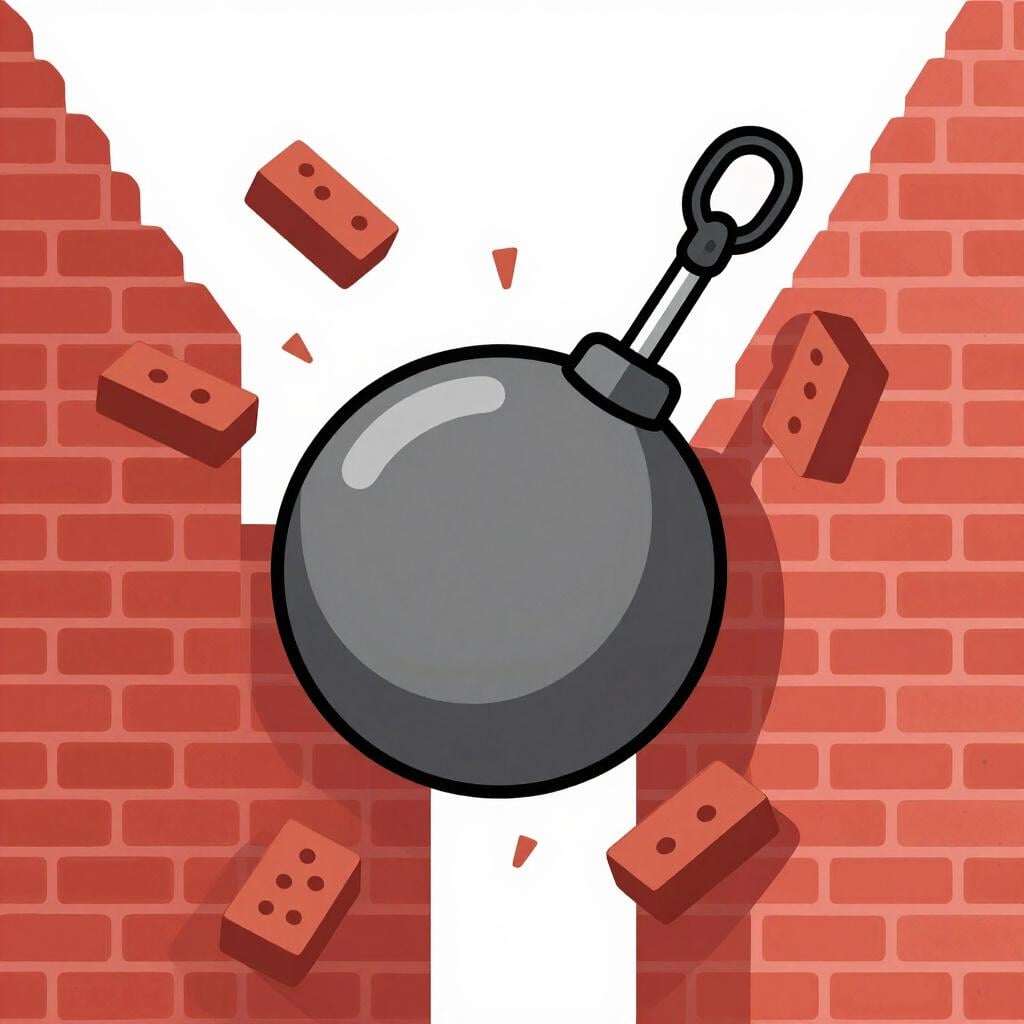
📝 In Action
El incendio tuvo un efecto destructor en el bosque local.
B2The fire had a destructive effect on the local forest.
Las fuerzas destructoras de la naturaleza son impresionantes.
C1The destructive forces of nature are impressive.
Ese mensaje fue destructor para nuestra amistad.
B2That message was destructive to our friendship.
destroyer
Also: destroyer
📝 In Action
El destructor escoltaba a los barcos mercantes durante la guerra.
C1The destroyer was escorting the merchant ships during the war.
Se considera el destructor de mitos más famoso de la televisión.
B2He is considered the most famous myth destroyer on television.
El nuevo buque es un destructor de última tecnología.
C2The new vessel is a state-of-the-art destroyer.
Translate to Spanish
✏️ Quick Practice
Quick Quiz: destructor
Question 1 of 3
Which of these is the correct way to say 'the destructive flood' (femenine: la inundación)?
📚 More Resources
👥 Word Family▼
📚 Etymology▼
From Latin 'destructor', which comes from the verb 'destruere' (meaning to pull down or unbuild). It is a combination of 'de-' (un-) and 'struere' (to build).
First recorded: 13th century
Cognates (Related words)
💡 Master Spanish
Take your Spanish to the next level. Read 200+ illustrated and narrated Spanish stories tailored to your level with the Inklingo app!
Frequently Asked Questions
Can 'destructor' be used for people?
Yes, you can use it figuratively for someone who ruins things, like 'un destructor de sueños' (a dream destroyer).
What is the difference between 'destructor' and 'destructivo'?
'Destructivo' describes a general tendency or quality (like a 'destructive habit'), while 'destructor' usually refers to the specific force or agent that causes the ruin.
Is 'destructora' a real word?
Yes! It is the feminine form used when describing feminine nouns or referring to a female agent of destruction.